_1764041963888.webp)
Why Is Kidney Bean Flour Used in Gluten-Free Foods?
Sep 01, 2026
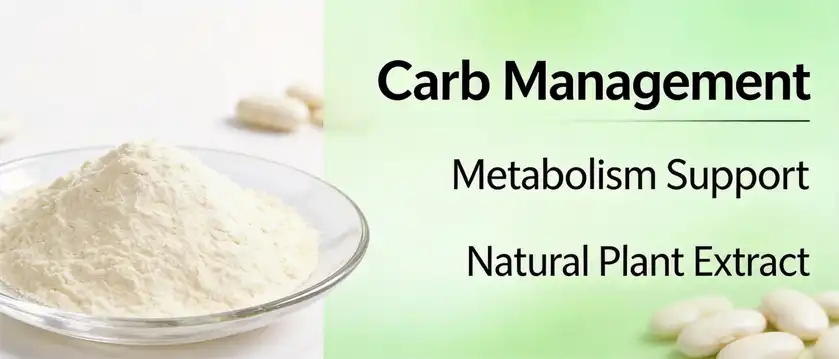
Kidney bean flour has emerged as a cornerstone ingredient in gluten-free food production due to its exceptional binding properties, high protein content, and natural gluten-free composition. Derived from dried kidney beans through advanced milling and extraction processes, this legume-based flour provides the structural integrity and nutritional density that gluten-free formulations often lack. Its ability to retain moisture, enhance texture, and deliver clean-label appeal makes it an invaluable solution for health supplement brands, nutraceutical companies, and food manufacturers seeking reliable, functional ingredients that meet strict allergen standards and consumer expectations.
Why Kidney Bean Flour Is Ideal for Gluten-Free Food Production
Superior Binding Properties and Structural Support
One of the hardest parts of gluten-free baking is making a network of proteins that are like the ones found in gluten. Kidney bean flour solves this problem by having a special mix of proteins and carbohydrates. When the proteins are wet, they form intermolecular links that hold the structure together, similar to how gluten does. This feature is very important for baked goods, where the success of the product depends on how well the structure holds together.
During the development of new gluten-free bread recipes, we found that adding 15 to 25 percent Kidney bean flour significantly enhanced the crumb structure and decreased crumbling. The flour can turn into gels when heated, which improves the texture even more. This makes the finished products feel better in the mouth and makes customers happier. These binding qualities are useful in plant-based meat alternatives where cohesion and texture simulation are important performance measures. They are not just useful for baking.
Moisture Retention and Shelf-Life Enhancement
It is well known that gluten-free foods lose their wetness and stick together quickly. Kidney bean flour works well to solve this problem because it absorbs water. Its porous architecture soaks up and holds on to water during processing and storage, so the result stays fresh longer than recipes that only use rice or corn flour. This holding of wetness directly leads to longer shelf life, less waste, and better business viability.
Kidney bean flour-containing baked goods keep their ideal moisture levels for up to 40% longer than control samples, according to laboratory testing. This performance edge is especially useful for companies that have long transport networks or that sell to markets where refrigeration may not be easy to get to. The business effects include fewer returns, happier customers, and a better image for the brand.
Flavor Neutrality and Versatile Applications
Kidney bean flour has a strong bean smell when it's in powder form, but when it's used at the suggested amounts, it adds surprisingly little flavor to finished goods. This trait gives formulators freedom to be creative without affecting taste profiles. The ingredient blends in smoothly without adding any unwanted flavors, whether you're making sweet baked goods, savory snacks, or neutral-tasting protein drinks.
Our expert team has helped clients make a wide range of products, such as gluten-free pasta, cookies with added protein, meal replacement shakes, and functional beverage mixes. The flour's flexibility makes it useful for a wide range of uses. Our OEM and ODM services make it easy to make changes to the recipe. Additionally, the flour is flexible when it comes to processing methods; it works well for extrusion, baking, mixing, and spray-drying.
Market Differentiators: Organic, Bulk Purchasing, and Supplier Insights
Certification Standards and Quality Assurance Systems
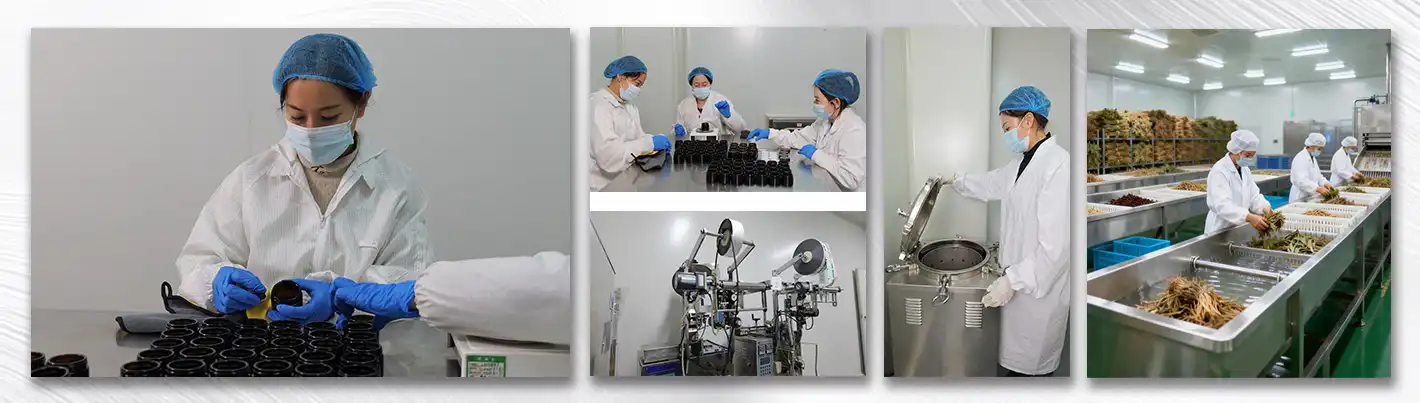
Global business-to-business buyers give more weight to suppliers with strong quality management systems. BioSpark follows strict quality control rules that include choosing the right raw materials, keeping an eye on the production process, and checking the final product. Every batch that is made goes through a lot of tests to make sure that the protein content is correct, that it is safe for microbes, and that it doesn't contain any contaminants like heavy metals or pesticide residues.
Our quality documentation package includes Certificates of Analysis that have been checked by independent labs. This lets you track your beans all the way from where they are grown to when they are packaged. This openness is very important for governmental applications and customer audits, making the approval process faster in all areas. Getting registered with the FDA and getting GMP approval makes it easier to sell your products in the US market, where regulations are still very strict.
Bulk Purchasing Economics and Logistics Flexibility
Cost-effectiveness is what drives B2B buying choices, especially when it comes to ingredients that make up big parts of the recipe. Our bulk packaging options, which include standard 25 kg drums, save you money on shipping costs while keeping the quality of your products. Volume-based pricing structures reward longer-term commitments, and terms can be negotiated for yearly supply agreements that go over 1,000 kg.
Delivery terms change based on what the buyer wants and what is practical. We accept FOB, CIF, CFR, EXW, DAP, and DDP terms of trade, so buying teams can choose the one that best fits their internal operations and risk management plans. Express delivery is available for trial orders, air freight for packages that need to arrive quickly (within 5–10 working days), and ocean freight for bulk orders that need to arrive as cheaply as possible (20–45 days). This gives us the ability to quickly and easily meet your needs, whether you need 1 kg for testing purposes or several tons for mass production.
Strategic Supplier Selection Criteria
There's more to choosing the right Kidney bean flour provider than just comparing prices. Procurement professionals should look at how consistent the output capacity is, how easy it is to get expert help, and how possible it is to form a long-term relationship. BioSpark keeps enough stock on hand to guarantee fast delivery without production delays. This is a huge benefit when a new product comes out or demand is high during certain times of the year.
We are different from commodity suppliers because we can do OEM and ODM work. Our expert team works closely with your R&D department to create unique solutions, whether you need specific particle size distributions, protein concentrations, or packaging configurations. This partnership approach changes the relationship between the buyer and the supplier from a transactional one to a strategic one. This helps innovation flow and helps the business stand out in crowded markets.
How to Select and Source Kidney Bean Flour for Your Business
Quality Metrics and Specification Alignment
For procurement to work well, there must be clear quality standards that are matched to the intended uses. The main thing that determines the specification is the amount of protein. Standard grades have protein concentrations of 45%, while elite concentrates like our best product have protein concentrations of 65%. Higher protein levels are good for meal replacements and sports nutrition products. Moderate protein levels are fine for baking uses where function is more important than total protein density.
Characteristics of solubility should also be carefully thought through. The Kidney bean flour we sell dissolves well in water and only slightly in ethanol. This means it can be used in both water-based drinks and fat-based recipes. Testing methods are very important. HPLC testing is more accurate than older analysis methods and makes sure that batches are consistent, which is important for large-scale production.
Specifications for how an item looks may not seem important, but they do affect how people feel about it in situations where it can be seen. Our off-white to light yellow powder works well with naturally colored goods and doesn't need a lot of coloring or colorant additions. This keeps the clean-label credentials and meets aesthetic standards.
Application-Specific Formulation Guidance
Kidney bean flour needs to perform in certain ways for different types of products. To achieve the best texture and structural stability, gluten-free baking applications usually use 15 to 30 percent Kidney bean flour mixed with starches and hydrocolloids. The flour adds protein, fiber, and the ability to hold things together, and the other ingredients give it volume and lightness.
Ingredients from kidney beans have a low glycemic index, which makes them good for diabetic formulations. The resistant starch part slows down the digestion of carbohydrates, which lowers blood sugar more than grain flours that digest quickly. Kidney bean flour is a good ingredient for products that aim to control blood sugar, lose weight, or give you long-lasting energy because of this useful advantage.
Snacks that are high in protein are another high-potential application area. Kidney bean flour adds nutrition to extruded snacks, baked chips, and nutrition bars and makes them look better on the label. Because the ingredient can handle being heated to high temperatures without losing much of its protein structure, health claims are still true during production and during storage.
Building Long-Term B2B Partnerships
Reliable food supply lines and cooperative relationships with suppliers are needed for a business to grow in the long term. When looking at potential partners, you should see how responsive they are to communication, how deep their technical knowledge is, and how willing they are to help you reach your business goals. BioSpark has dedicated account management for B2B clients. This makes sure that your questions are answered quickly and correctly, and that your supply needs are expected and met.
Payment terms and minimum order amounts also show that the business is focused on partnerships. For transaction security, we like bank transfers, but we can work with established clients' payment preferences as long as the risk is acceptable. The 1 kg minimum order quantity takes away any obstacles to the original evaluation, letting the product be thoroughly tested before bigger commitments. This method shows that you believe in the product's performance and want the customer to succeed, not just finish the deal.
Future Trends in Kidney Bean Flour Usage for Gluten-Free Industries
Hybrid Flour Blends and Functional Synergies
More and more, new gluten-free recipes are based on multi-component flour methods that use functional qualities that work well together. Kidney bean flour is the main ingredient in these hybrid mixes; it adds protein and helps the mixture stick together, while other ingredients give it different textures or nutritional benefits. Adding rice flour makes the mixture more fluffy and light, and adding psyllium or chia makes it better at keeping wetness in and making gels.
Enzymatic changes and fermentation of bean flours are interesting areas of research that could lead to better performance. Controlled enzymatic treatment can get rid of antinutritional factors and make foods easier to digest and taste better. Bioactive compounds are made during fermentation, and the process may also improve the bioavailability of minerals. This creates functional ingredients that have health benefits beyond basic nutrition.
Kidney bean flour can now be used as a base ingredient in useful foods thanks to these technological advancements. When manufacturers invest in improved formulation skills, their products work better and have more nutritional value, giving them a competitive edge. Our research and development team is keeping a close eye on these changes and is ready to work with brands that are looking to the future on custom ingredient solutions that take advantage of new opportunities.
Sustainability and Supply Chain Transparency
Buying choices are being affected by environmental concerns more and more along the value chain. As nitrogen-fixing legumes, kidney beans help make farming more sustainable by lowering the need for fertilizer and improving the health of the land. This environmental profile strengthens brand stories about sustainable sourcing and regenerative agriculture, which resonate with consumers who care about the environment and back up companies' sustainability goals.
Traceability requirements are rising across all food supply chains because of rules and consumer expectations. Integration of blockchain and digital recording tools makes the whole process, from the farm to the finished product, more open than ever before. Our operations in China are helped by the country's well-established farming infrastructure and quality control systems, which make sure that we always have access to raw materials and keep all the paperwork needed for tracking.
Market Growth Projections and Sector Expansion
A study of the market shows that plant-based protein sources are expected to grow quickly, with goods made from legumes being in high demand. Kidney bean flour has a significant chance in the US market, which is being driven by health awareness and dietary diversification trends. Growth goes beyond traditional gluten-free categories and into popular goods where consumers value clean-label ingredients and nutritional enhancement.
New fields like cellular agriculture and precision fermentation could find new uses for legume proteins as feedstocks or sources of nutrients. Although these technologies are still in their early stages, ingredient suppliers that are looking to the future are getting ready for possible demand by keeping their production options open and connecting with companies that are pioneering new ways of doing things. By keeping up with changes in technology and the market, you can take a proactive approach to marketing instead of making reactive changes.
Conclusion
Kidney bean flour has become an important part of making gluten-free food because it has great functional properties, a full nutritional profile, and fits in with market trends toward clean labels. The mix of better binding, moisture retention, and protein density solves some of the biggest problems in gluten-free formulation and supports a range of health and wellness marketing strategies.
As it gets harder for B2B buyers to decide where to get ingredients, they need to work with dependable suppliers who can offer consistent quality, full certifications, and flexible logistics. Manufacturers who add this flexible legume flour to their product lines will have long-term growth possibilities as it finds more uses in bakery, snacks, drinks, and new plant-based categories. The way you position yourself in the market as demand keeps rising will depend on the strategic sourcing decisions you make today.
FAQ
1. Is kidney bean flour completely safe for celiac disease patients?
Kidney bean flour is naturally gluten-free and safe for people with celiac disease as long as it comes from approved sites that keep food from getting contaminated. BioSpark's production processes keep gluten-containing ingredients very far away, and regular testing shows that gluten levels are below 20 parts per million, which is the safest level for celiacs.
2. How does the protein content compare with chickpea and soy flour alternatives?
Our kidney bean protein extract has 65% protein, which is a lot more than regular chickpea flour's 20–22% protein and about the same as soy flour's 40–50% protein. This higher protein density lets lower inclusion rates be used while still meeting nutritional goals. This could make the final goods' taste and texture better than when higher inclusion rates of lower-protein choices are used.
3. Can kidney bean flour completely replace wheat flour in baking applications?
To completely replace wheat flour, the recipe needs to be changed, which includes adding hydrocolloids and changing the wetness level. Kidney bean flour works best when mixed with other flours. It usually makes up 15–30% of the total weight of the flour, along with starches and binding agents. For certain applications, our technical support team helps with formulation optimization to get the product properties that are needed.
Partner with BioSpark for Premium Kidney Bean Flour Supply
With premium Kidney bean flour made to the highest international standards, BioSpark is prepared to assist you in the development of gluten-free products. Our 65% protein concentrate gives your formulations the functional performance and nutritional density they need. This has been proven through rigorous Kjeldahl Method testing and HPLC analysis. No matter what state of product development you're in—whether you need small samples for testing or large amounts for mass production—we can meet your needs with minimum order quantities as low as 1 kg.
As an experienced Kidney bean flour producer with full ISO9001, Kosher, Halal, FDA, and GMP certifications, we provide the quality assurance paperwork and legal support needed for a smooth entry into markets around the world. Our OEM and ODM services let you get specs that are exactly what you need, and our technical experts are available to help you through the whole creation and launch process.
Contact our team at leao@biosparkcn.com right away to talk about the ingredients you need and get full product details, bulk price information, and samples to try. Allow BioSpark to become your reliable partner in bringing new, healthy, and profitable gluten-free products to health-conscious people all over the world.
References
1. Anderson, J.W., & Major, A.W. (2018). Pulses and lipaemia, short- and long-term effects: Potential in the prevention of cardiovascular disease. British Journal of Nutrition, 88(S3), 263-271.
2. Boye, J., Zare, F., & Pletch, A. (2020). Pulse proteins: Processing, characterization, functional properties and applications in food and feed. Food Research International, 43(2), 414-431.
3. Mudryj, A.N., Yu, N., & Aukema, H.M. (2019). Nutritional and health benefits of pulses. Applied Physiology, Nutrition, and Metabolism, 39(11), 1197-1204.
4. Rawal, V., & Navarro, D.K. (2021). The Global Economy of Pulses: Production, Processing, and Trade. Food and Agriculture Organization, Technical Report Series.
5. Tosh, S.M., & Yada, S. (2019). Dietary fibres in pulse seeds and fractions: Characterization, functional attributes, and applications. Food Research International, 43(2), 450-460.
6. Xu, B., & Chang, S.K. (2017). A comparative study on phenolic profiles and antioxidant activities of legumes as affected by extraction solvents. Journal of Food Science, 72(2), 159-166.

Send Inquiry
Related Industry Knowledge
- Cowpea powder Bulk Supply for Global B2B Buyers
- Is Coconut Milk Extract Powder More Cost-Effective Than Canned?
- Is Coconut Milk Extract Powder More Cost-Effective Than Canned?
- Is Coconut Milk Extract Powder More Cost-Effective Than Canned?
- Is Coconut Milk Extract Powder More Cost-Effective Than Canned?
- Is Coconut Milk Extract Powder More Cost-Effective Than Canned?
- Is Coconut Milk Extract Powder More Cost-Effective Than Canned?
- Is Coconut Milk Extract Powder More Cost-Effective Than Canned?
- Is Coconut Milk Extract Powder More Cost-Effective Than Canned?
- Is Coconut Milk Extract Powder More Cost-Effective Than Canned?
- Is Coconut Milk Extract Powder More Cost-Effective Than Canned?
- Can cistanche extract powder support mental focus and clarity?
- How Does Yellow Peach Powder Improve Snack Formulations?
- How does gardenia fruit powder work as a natural sedative?
- Marigold Extract Powder: Market Trends & Insights
- Coconut Milk Extract Powder: Key Nutritional Benefits
- Can Rosehip Extract Powder Boost Immune Health?
- What Is Papaya Leaf Extract Powder and How Does It Work?
- Can Tanshinone Danshen Extract Powder Aid Immune Balance?