_1764041963888.webp)
Marigold Extract Powder: Market Trends & Insights
Apr 28, 2026
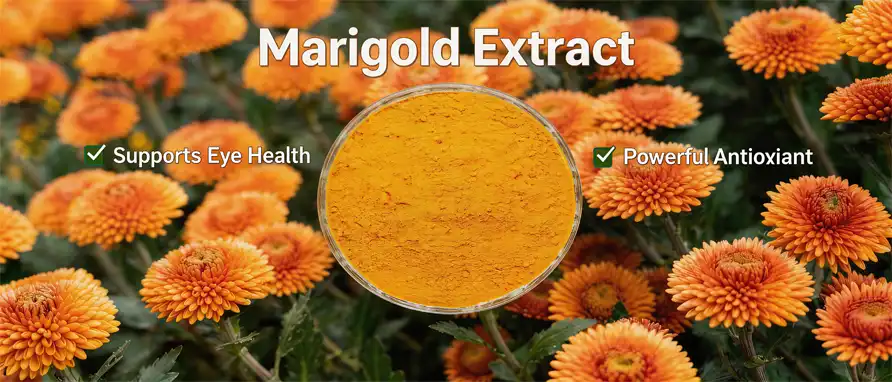
Marigold extract powder has emerged as a key ingredient across various industries in recent years, marking a notable shift in the global botanical extract sector. This fine yellow-orange powder is derived from Tagetes erecta and Calendula officinalis. It serves not only as a natural colorant but also a scientifically validated solution to key manufacturing challenges in nutraceuticals, cosmetics and functional foods. To support competitive product development and strategic procurement, B2B buyers must understand the evolving market dynamics of lutein-rich extracts to source reliable suppliers that balance quality, regulatory compliance and stable supply.
Overview of Marigold Extract Powder in the Global Market
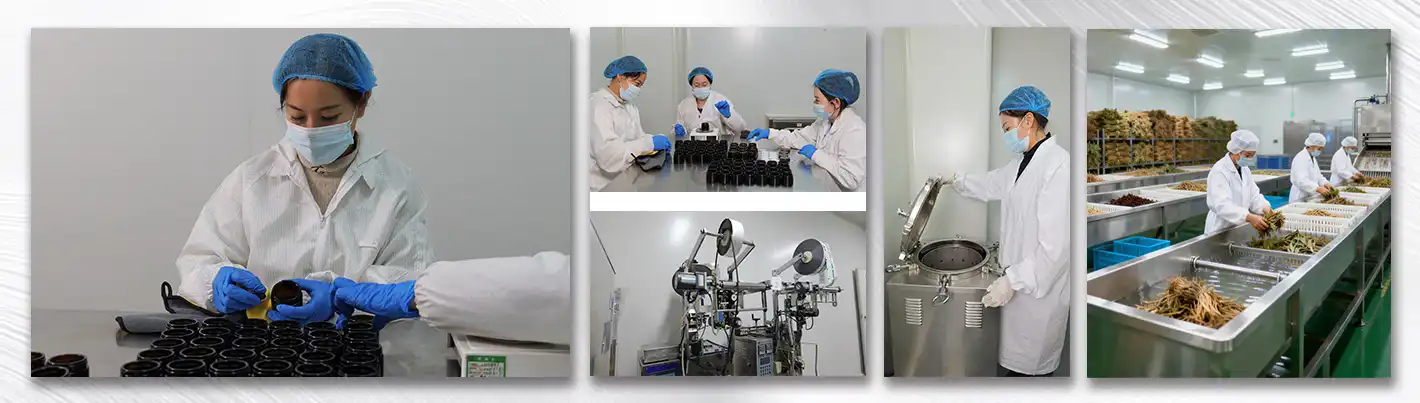
The global market for natural carotenoid sources has undergone significant transformation, positioning marigold-derived ingredients among the most in-demand botanical extracts worldwide. The production workflow begins with the harvesting of carefully cultivated marigold flowers, followed by standardized drying processes and advanced extraction technologies including solvent extraction and supercritical CO₂ extraction, which preserve bioactive integrity while achieving pharmaceutical-grade purity.
Global Market Growth Drivers
Latest industry research highlights the rapid growth of key regional markets worldwide. The U.S. nutraceutical market has seen robust growth in eye health supplements, driven by rising screen exposure and population aging. European markets show growing demand for clean-label and fully regulated ingredients, while Asian manufacturing hubs continue to expand production capacity to meet domestic and international market demand. Marigold extract dominates global lutein supply, with the market size exceeding 300 million USD. The sector is projected to grow at an annual rate of 5–7% over the next decade. This growth is fueled by rising consumer preference for natural ingredients over synthetic alternatives, scientific evidence supporting health benefits, and favorable regulatory policies for botanical raw materials across multiple application fields.
Production Process and Quality Parameters
Innovative extraction technologies maximize lutein content while retaining its bioavailable ester structure. Saponification breaks down ester bonds to release free lutein, while chromatographic purification standardizes lutein potency from 5% to 80% for customized applications. For formulators who need to know performance requirements, HPLC testing ensures batch consistency. Controlled thermal processing protects heat-sensitive carotenoids, and advanced microencapsulation technologies inhibit oxidation to extend shelf life for industrial use. This fine powder, typically 100–120 mesh, is compatible with oil-based softgels and water-dispersible beverage formulations.
Key Benefits and Applications of Marigold Extract Powder
Understanding the range of functions that Marigold extract powder ingredients derived from marigolds can perform helps buyers in all kinds of businesses choose this plant extract for product development processes. Its complex blend of triterpenoid saponins, flavonoid glycosides and carotenoid pigments delivers multi-functional value, outperforming single-functional additives.
Nutraceutical and Dietary Supplement Applications
Lutein and zeaxanthin are widely applied in eye health supplements to support macular pigment density and mitigate blue light damage. Clinical studies indicate that a daily intake of 10–20 mg of lutein helps reduce the risk of age-related macular degeneration. This is the business-wide formulation standard. Our standardized lutein powder is suitable for capsules, tablets and softgels, fully complying with global regulatory labeling requirements. Digital eye pain awareness is growing among younger individuals, expanding the market beyond senior health. Multivitamin complexes, sports nutrition products, and health tablets for particular health conditions now include standardized extracts. When shielded against oxidative interactions, the ingredient's tolerance with other nutrients allows for several formulations.
Functional Food and Beverage Integration
Natural colorants and beneficial components have increased due to the food industry clean label policies. Cold-water-dispersible grades may be added to ready-to-drink liquids, dairy products, and protein bars without altering flavor or creating sedimentation. Its dual usage as a colorant (E161b) and health-promoting substance simplifies manufacture and marketing. Beverages need the ability to swiftly spread without "ringing" at container ends, be stable at scorching temperatures, and manage pH fluctuations from acidic to neutral. Modern manufacturing produces powder grades that fulfill these rigorous standards. This inspires new healthy drink innovations in North America and Europe, where growth is double-digit.

Cosmetic and Skincare Formulations
The beauty industry prefers marigold extract because of its anti-inflammatory and antioxidant properties, which support skin health claims. Triterpenoid saponins and flavonoids relieve itching, speed wound healing, and block UV radiation. People want these advantages in anti-aging serums, protective day creams, and sensitive skin formulas. The natural orange-yellow tint helps it seem prettier and achieves a function buyers demand from ingredients: openness. Nutricosmetic applications combine beauty and nutrition into a new industry. Standardized lutein in oral beauty products moisturizes and protects skin from blue light internally. This appeals to balanced skin care enthusiasts. This area's growth implies customers are prioritizing protection over correction.
Animal Nutrition and Feed Enhancement
High-stability marigold extract grades are used by poultry producers to improve the color of egg yolks and broiler skin, meeting customer quality standards and getting target DSM Yolk Color Fan scores. For effective tissue deposition, the ingredient must be able to survive pelleting temps above 80°C while still being bioavailable. Our powder mixtures are stable at high temperatures, which means they keep their nutritional value during feed processing and storage. Another growing area is pet nutrition. High-end pet food makers are adding carotenoids to improve the health of the hair, the eyes, and the general wellness of the pet. This niche market cares about the same quality factors that people do: standardized strength, safety paperwork, and a reliable supply chain.
Market Comparisons: Marigold Extract Powder vs Alternatives
To do strategic buying, you need to know how ingredients from marigolds compare to ingredients from other sources and formulas. These similarities affect how suppliers are chosen, how costs are calculated, and how the supply chain is planned for the long run.
Marigold Extract Versus Calendula Extract
Even though both Tagetes erecta and Calendula officinalis come from plants in the marigold family, the products they produce are very different. Materials from Tagetes have higher amounts of lutein, which makes them good for eye health supplements. On the other hand, extracts from calendula focus on triterpene alcohols and antioxidants, which make them better for dermal use. Different extraction methods are used for different plants. For example, to make lutein, saponification and chromatographic cleaning are used. To make calendula, a softer extraction method may be used to keep the volatile ingredients for skin care products. Professionals in procurement must make sure that the type they choose meets the needs of the final product. For example, eye vitamins need lutein that comes from Tagetes to be standardized, and wound-healing creams use Calendula's full phytochemical matrix. By knowing these differences, you can make sure that the Marigold extract powder you buy is in line with your recipe goals.
Comparison with Other Herbal Extracts
Turmeric, chamomile, and other plant extracts are good for you because they are antioxidants and reduce inflammation. But marigold extract is better for some uses than others. Because lutein is specifically deposited in macular tissue, it has health benefits for the eyes that can't be matched by other plants. The natural yellow-orange pigmentation matches the color strength of synthetic options while still meeting clean-label standards. This is a hard mix for competitors to copy. A cost-benefit study shows that marigold extract has reasonable prices compared to how well it works, especially when making high-end goods where natural ingredients are important for positioning. There are synthetic lutein options, but they have trouble with how customers see them and aren't fully regulated in some markets. This makes producers more likely to choose natural extracts over synthetic ones.
Organic Versus Conventional Sourcing
Organic approval makes buying things more difficult and expensive, but it opens up higher-end markets and helps with messages about the environment that are becoming more important to corporate responsibility efforts. Using organic marigolds costs more because they need more land and better farming techniques, so they usually cost 20 to 40 percent more than regular materials. With organic sources, supply availability changes more, so lead times are longer and ties with suppliers need to be better. Regulatory environments are different around the world. For example, European markets tend to favor organic products more, while buyers in North America mix organic and conventional sources based on how they want to place their brands and how much they care about price. Understanding what the target market wants helps set the standards for certification and provider qualification.
Procurement Insights: Buying and Sourcing Marigold Extract Powder
Quality assurance, cost management, and supply chain resilience should all be balanced in good buying plans. Because plant extract buying is so complicated, suppliers need to be carefully evaluated, and relationships need to be built to support long-term business goals.
Supplier Certification and Quality Standards
Reliable partners maintain quality and safety certification files. Basic ISO 9001 quality control systems provide consistent production procedures. GMP accreditation shows a facility fulfills key market authorities' criteria. This is crucial for pharmaceutical and dietary supplements. When targeting high-end clients, USDA, EU, and JAS organic certifications evaluate agricultural techniques and trading restrictions. In addition to licensing, technical abilities distinguish excellent salespeople. Find partners for innovative formulations, HPLC testing evidence, and stability studies. The Certificate of Analysis (CoA) and comprehensive testing panels for potency, heavy metals, microbiological parameters, pesticide residues, and solvent residues demonstrate honesty and compliance, protecting your quality image.
Geographic Sourcing Considerations
Every major producing location has its own advantages. Growing marigolds, having appropriate agricultural conditions, and establishing cost-competitive rates benefit Indian vendors. A comprehensive resource extraction system supports massive worldwide exports from the subcontinent. European merchants emphasize obeying the regulations, having organic items, and being near large client markets to simplify delivery. North American suppliers aid local markets with supply chains while maintaining quality. Strategic sellers use multi-regional purchasing arrangements to save costs and ensure a continuous supply. Dual-sourcing solutions use numerous suppliers to maintain production during regional challenges, including weather, legislation, and international concerns.
Pricing Dynamics and Order Parameters
The quantity of lutein, whether it's organic or ordinary, the number of orders, and harvest rates all affect the price of standardized marigold extract. Industrially, 5% lutein powder costs $40–$80 per kilogram, whereas high-potency 80% grades cost $400–$700 per kilogram, demonstrating their concentration costs. Organic premiums may add 20–40% to the basic price, depending on certification and availability. Minimum order quantities vary by product and provider. Standard grades may need 25–100 kilograms, whereas bespoke formulations or sophisticated procedures need 500–1000 kilograms to cover startup expenses. Know these considerations while budgeting to avoid delays and accurately estimate product development costs.
Logistics and Supply Chain Management
International shipping is complex and requires forethought. The period between order confirmation and delivery is generally 4–8 weeks. This comprises manufacturing planning, quality control, documentation, and shipment. Ocean freight is cheaper for replenishment not needed immediately than air freight, which expedites delivery but costs more. Avoid costly border delays by understanding customs paperwork, including plant import permits, FDA food alerts, and country-specific paperwork. Inventory management should consider shelf life. Marigold extract powder typically lasts 24–36 months in cold, dry, dark settings. This implies it can be stored as safety stock without spoiling. Just-in-time inventory works premium for high-volume, regular demand. However, buffer stock protects essential formulas from supply chain disruptions.
Future Trends and Strategic Recommendations for B2B Buyers
Market research shows that there are a number of trends coming together that will affect how companies buy things and how they come up with new products in the years to come. Buyers who move quickly to get ahead of these changes have an edge in markets that are changing quickly.
Technological Advancements in Extraction and Formulation
Innovation makes extraction more efficient and the product better. Superior brands demand clean labels, and supercritical fluid extraction removes liquid residue while maintaining bioactive chemicals. Bioavailability is improved via nano-encapsulation and liposomal administration, so customers require lower effective dosages for greater effects. This suggests increased pricing and variances. Formulators increasingly seek water-dispersible Marigold extract powder to overcome typical solubility issues. Cold-water-soluble grades allow clear beverage usage that powders couldn't. Technology advances allow companies to access additional clients and support development expenditures with suppliers that may provide recipe expertise in addition to regular supply agreements.
Regulatory Evolution and Compliance Requirements
All major markets are tightening regulations, raising paperwork and testing requirements. EU Novel Food, Contaminants Directive, and plant identification verification legislation compel merchants to maintain current quality systems. Chemical authenticity, purity, and label correctness are being scrutinized in all North American markets as the FDA improves supplement quality. Strategic buyers value sellers who know the rules and have proper documentation. Full technical files, stability data, safety declarations, and compliance dossiers for each nation reduce regulatory risk and hasten market entrance in many areas. As enforcement tightens, premium and commodity providers' quality gaps widen. Even though expenses vary, choosing partners wisely is crucial.
Sustainability and Ethical Sourcing
More and more, corporate responsibility initiatives influence buying decisions. Individual and company purchasers worry about fair labor, sustainable farming, and environmental protection. Suppliers that employ green agricultural practices, reduce water consumption, and support farming communities with fair pricing provide value beyond product attributes. Companies with Fair Trade and Rainforest Alliance sustainability accreditation are meeting their social duty and brand aims. Tracking an item from field to completed product becomes a competitive advantage as customers seek greater transparency. In the next few years, blockchain and other digital monitoring technologies in plant supply chains will clarify matters.
Strategic Partnership Development
Transactional supplier relationships are being replaced by strategic partnerships. Long-term arrangements stabilize costs, distribute supply equitably amid shortages, and employ suppliers' technical expertise in cooperative product development. Preferred customers receive better rates, priority manufacturing, and customization that spot market buyers don't. Honesty, communication, and investment are needed to form these bonds. Expert talks, site visits, and quality checks build trust. Customers working with BioSpark may access extensive botanical extract libraries, formulation expertise, and flexible manufacturing for small-batch innovation and big-scale commercialization.
Conclusion
There are a lot of great possibilities in the marigold extract market for brands, makers, and distributors who want to use natural, scientifically proven ingredients like marigold extract powder that meet changing customer needs and government standards. Understanding how the market works, including things like production technologies and application trends, as well as buying strategies and how to place yourself against competitors, helps you make smart choices that lead to successful product development and launch. It's becoming more and more important to build relationships with qualified providers who offer complete quality systems, technical knowledge, and reliable supply chains as demand for nutraceuticals, functional foods, cosmetics, and specialty nutrition continues to rise. Regulatory support for botanical uses, consumer preference for natural ingredients, and scientific proof of health benefits all work together to give lutein-rich extracts a bright future. Procurement professionals who invest in supplier partnerships and market intelligence will be rewarded.
FAQ
1. What is the recommended dosage for marigold extract in supplements?
10–20 mg of lutein per day is usually used in clinical studies to support eye health, and 2 mg of zeaxanthin is also often used. Dosage depends on the purpose of the product and the people it is meant for. For example, smaller doses (6–10 mg) may be used for preventative health formulations, while higher doses are used for therapeutic positioning for age-related issues. Regulatory systems around the world are not all the same. For example, the EFSA and FDA have both looked at lutein's safety at amounts well above the usual supplement ranges. This means that formulation options are wide within the safety limits that have already been set.
2. Are there any known side effects or precautions?
In clinical studies, marigold extract had very few negative effects, showing that it is very safe. There are a few cases of mild stomach pain at very high doses. People who are allergic to plants in the Asteraceae family should be careful. Standardized extracts made under GMP guidelines and checked for impurities don't pose much of a safety risk when used as advised. Safety during pregnancy and breastfeeding is based on general herbal supplement advice that says you should talk to your doctor first, even though there aren't any specific scientific studies that say you shouldn't take them.
3. How does marigold extract powder differ from raw marigold flowers?
The extraction method concentrates active chemicals while getting rid of inactive plant material. This makes it possible to get uniform potency that isn't possible with raw flowers. A normal 5% lutein extract has 50 mg of lutein per gram, but raw flowers only have about 0.03% lutein, which is more than 150 times less. When raw materials are extracted, they are no longer affected by changes in growing conditions, harvest times, or holding conditions. The powder form is more stable, the quality is always the same, and it's easier to use in formulations, which is why it costs more than raw plants.
Partner with BioSpark: Your Trusted Marigold Extract Powder Supplier
BioSpark (Xi'an) Biotechnology Co., Ltd. stands ready to support your formulation and production objectives with premium-quality lutein extract backed by comprehensive quality assurance and flexible manufacturing capabilities. Our advanced supercritical extraction technology preserves bioactive integrity while achieving standardized potency verified through HPLC analysis, ensuring your products meet exacting specifications and regulatory requirements. With inventory exceeding 1,000 tons of conventional plant extracts and extensive experience serving nutraceutical brands, functional food manufacturers, and cosmetic formulators across North American, European, and global markets, we deliver reliable supply solutions scaling from small-batch development to large commercial production.
Our pharmaceutical-grade processing facilities maintain ISO, GMP, Marigold extract powder, and organic certifications supporting diverse market requirements, while our technical team provides formulation guidance optimizing ingredient performance within your specific applications. Whether you need cold-water-dispersible grades for beverage innovation, high-stability formats for thermal processing, or custom lutein concentrations meeting unique positioning strategies, our OEM and ODM services deliver tailored solutions with responsive communication and transparent documentation.
Contact our team at sales@biosparkcn.com to request samples, technical specifications, and competitive quotations for your next project. Experience the difference that a dedicated marigold extract powder manufacturer brings to your supply chain reliability and product quality.
References
1. Abdel-Aal, E.M., Akhtar, H., Zaheer, K., & Ali, R. (2013). Dietary sources of lutein and zeaxanthin carotenoids and their role in eye health. Nutrients, 5(4), 1169-1185.
2. Fernández-García, E., Carvajal-Lérida, I., Jarén-Galán, M., Garrido-Fernández, J., Pérez-Gálvez, A., & Hornero-Méndez, D. (2012). Carotenoids bioavailability from foods: From plant pigments to efficient biological activities. Food Research International, 46(2), 438-450.
3. Khachik, F., Beecher, G.R., & Smith, J.C. (1995). Lutein, lycopene, and their oxidative metabolites in chemoprevention of cancer. Journal of Cellular Biochemistry, 59(S22), 236-246.
4. Ma, L., & Lin, X.M. (2010). Effects of lutein and zeaxanthin on aspects of eye health. Journal of the Science of Food and Agriculture, 90(1), 2-12.
5. Perry, A., Rasmussen, H., & Johnson, E.J. (2009). Xanthophyll (lutein, zeaxanthin) content in fruits, vegetables, corn, and egg products. Journal of Food Composition and Analysis, 22(1), 9-15.
6. Ranard, K.M., Jeon, S., Mohn, E.S., Griffiths, J.C., Johnson, E.J., & Erdman, J.W. (2017). Dietary guidance for lutein: Consideration for intake recommendations is scientifically supported. European Journal of Nutrition, 56(Suppl 3), 37-42.

Send Inquiry
Related Industry Knowledge
- Looking for Premium Cowpea Powder Supplier Worldwide?
- Why Is Maqui Berry Powder Trending in Superfood Supplements?
- How Do Indian Herbal Extracts Support Natural Detoxification?
- Tribulus Terrestris Extract Powder: Real Results or Hype?
- How to Use Red Bean Extract in Food and Cosmetics?
- Maca Extract Powder for Antioxidant-Rich Formulations
- Chamomile Extract in Beauty Products: Key Advantages
- How Kacip Fatimah Extract Supports Hormonal Balance Naturally?
- Daily Fulvic Acid Powder: Enhanced Energy & Cellular Support
- Unlock Better Sleep: Ghanaian Seed Extract Supplement Solution