_1764041963888.webp)
What Is Papaya Leaf Extract Powder and How Does It Work?
Apr 19, 2026
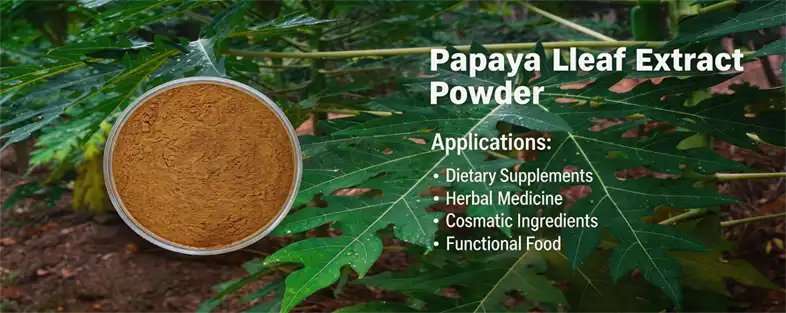
The leaves of the Carica papaya are used to make papaya leaf extract powder. This concentrated plant ingredient is made using modern solvent extraction and spray-drying technologies. This standardised extract is very different from raw leaf powder because it concentrates bioactive substances to effective levels. These include carpaine alkaloids, digestive enzymes like papain and chymopapain, flavonoids like quercetin and kaempferol, and phenolic compounds. The extract works in several ways. Its enzymes help break down proteins and absorb nutrients, its alkaloids improve platelet function, which helps maintain healthy platelet function, and its polyphenol profile helps reduce inflammatory cytokines and oxidative stress markers.
Understanding Papaya Leaf Extract Powder
From tropical papaya leaves to a high-quality extract, they have to go through a lot of complicated steps that keep the bioactivity and ensure uniformity. Understanding this change helps people who work in buying judge the quality of products and the skills of suppliers more accurately.
Production Techniques and Quality Control
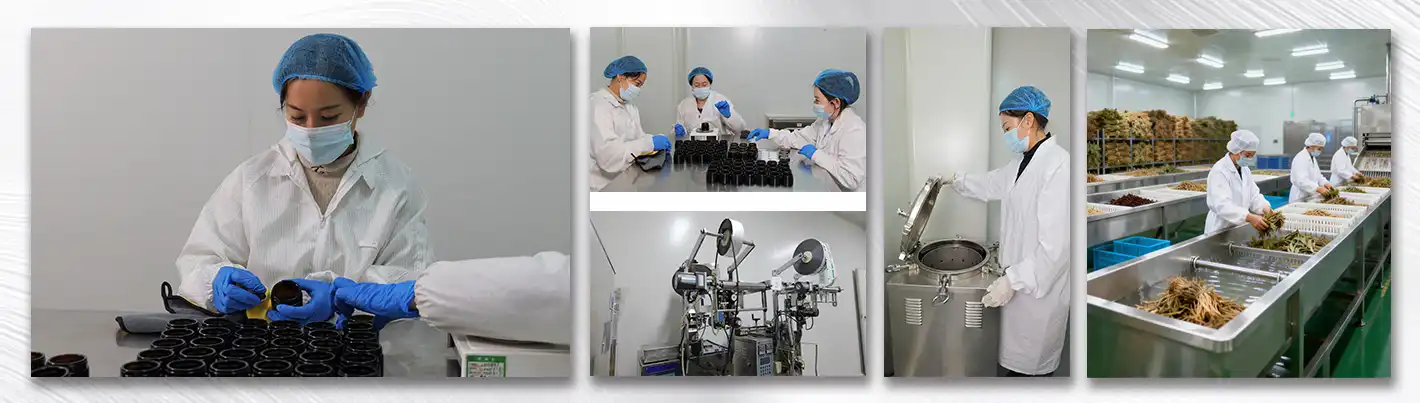
Carica papaya leaves are carefully chosen and picked from the best growing areas in Hainan and Southeast Asia to start modern manufacturing. There are several important steps in the production process that have a direct effect on the quality of the finished product. For example, new leaves are washed, dried, and shrunk in size during pre-processing, which is followed by solvent extraction using water-ethanol matrices. This process focuses on the beneficial chemicals while getting rid of the bulky fibres and bitterness. The liquid that is left over is filtered and vacuum-concentrated to get the right amount of solids, which is usually between 10 and 40 percent.
This gets it ready for the spray-drying phase, which is the most technical part of production. High-pressure pumps break up the concentrated extract into tiny drops that come into contact with 150–220°C hot, filtered air. This quick drying makes the fine, brownish-yellow powder that good extracts have. The fast evaporation (in seconds) protects heat-sensitive compounds and makes particles with a controlled size distribution and good solubility. Post-processing includes using cyclone separators to separate gases and solids, quickly cooling to keep particles from sticking together, and vibrating screen sieving to get particles of the same size.
Each batch goes through strict tests using thin-layer chromatography to check the active chemical profiles, moisture content (usually 14%), microbe screens, and heavy metal analysis. Qualified batches are immediately packed in nitrogen-filled aluminium foil bags that keep out light and moisture. Quality control methods go beyond testing the final product. Reputable makers follow Good Manufacturing Practice guidelines that cover things like tracking raw materials, keeping an eye on the process, making sure equipment is calibrated, and protecting the environment. This all-around method guarantees accuracy from batch to batch, which is important for recipe stability and following the rules.
Nutritional and Phytochemical Profile
This extract is valuable for functional benefits because it contains a lot of beneficial chemicals, each of which has its own specific purpose. Understanding this phytochemical makeup helps with making smart choices about manufacturing and putting the right product on the market. Proteolytic enzymes are the main active ingredients, and quality extracts usually have between 5 and 15% papain. These enzymes are very good at breaking down proteins, increasing breakdown efficiency by 60–80% in gut support uses. A related enzyme called chymopapain provides complementary proteolytic activity that improves the digestive system as a whole. Alkaloid compounds, especially carpaine and pseudocarpaine, have effects on the heart and platelets that make the extract useful in supporting healthy platelet levels.
A lot of research has been done on these alkaloids in the context of daily wellness maintenance, where keeping platelet counts healthy is very important. Flavonoids like quercetin and kaempferol have strong antioxidant properties, with good extracts showing ORAC values between 10,000 and 15,000 μmol TE/g. This antioxidant power successfully gets rid of free radicals and lowers oxidative stress signs, which helps the immune system and cell health. Phenolic acids and vitamins C and E complete the phytochemical makeup by adding more antioxidant support and cell protection. This mix of chemicals that work well together explains why the extract can be used in so many different health areas.

Mechanisms of Action and Product Comparison
The extract works in a number of biological ways that make it different from other papaya leaf extract powders and support its high-end positioning in supplement formulations. It boosts the immune system by increasing the activity of natural killer cells by 30 to 50 percent, which makes the body's natural defences stronger. This immunomodulation works with antioxidant activity to make the immune system stronger overall. This is especially helpful during times of the year when the immune system is weak or when someone is recovering from sickness. Anti-inflammatory action is another important process.
Several studies have shown that lowering inflammation markers like TNF-α and IL-6 by 50 to 70% can help with comfort and health in many situations. This ability to reduce inflammation is good for joint health, gut health, and skin health all at the same time. When compared to fresh papaya leaf juice, the extract has many benefits for business uses. In normal 10:1 extracts, the concentration process makes the bioactive chemical density 10 times higher. This means that beneficial amounts can be delivered in smaller serving sizes. The powder form gets rid of the strong bitterness and short shelf life that come with fresh juice, while also offering great stability and microbial safety.
Compared to crude leaf powder, which has a lot of fibre that can't be digested and variable compound levels, the standardised extract guarantees consistent potency and better bioavailability. Using solvents and spray drying to get rid of cellular structures that stop compounds from being absorbed makes it easier for active ingredients to get to the right tissues.
Health and Industrial Benefits of Papaya Leaf Extract Powder
This extract is a useful ingredient for many types of products because it has been scientifically proven to be good for you and has many uses in industry. Understanding both is important for making good decisions about product creation and market placement.
Scientifically-Backed Health Benefits
Clinical studies and traditional use have shown that this plant has many traditional wellness uses with measured results. One of the main benefits is that it helps the immune system, which is especially important for daily wellness maintenance. Studies show that the extract can help support healthy platelet levels, which is a dangerous side effect of dengue illness. This use has created a lot of demand in tropical areas where dengue is still common, opening up niche markets for tailored formulas. Immune system improvement happens in more ways than one, in addition to managing dengue.
The strong flavonoids and phenolic substances change the way immune cells work, boost the production of antibodies, and help the body's natural defences. Because it helps the immune system in a lot of different ways, the extract is useful in general wellness formulas and seasonal support products. The digestive health benefits come mostly from the high concentration of papain enzymes. This protease breaks down complex proteins into amino acids and peptides, which naturally relieve bloating and discomfort, and indigestion. Many people say that the extract makes them feel better after a meal and helps with stomach problems. This is why it is often used in enzyme supplements. The high polyphenol content protects against free radicals and oxidative stress. This safety for cells helps keep the heart healthy, the brain working well, and the ageing process going smoothly. The extract has high ORAC values, which make it competitive with other antioxidants.
It also has other useful properties, like enzyme activity and anti-inflammatory qualities that can be used in skin and hair care products. The gentle scrubbing action of trace papain helps get rid of dead skin cells without causing unpleasant chemical or mechanical irritation. Anti-inflammatory ingredients calm sensitive skin and help the skin's natural healing processes. Because of these qualities, the extract can be used in cosmetics that target sensitive skin and hair problems. New study shows that it may also supports healthy glucose metabolism by making insulin work better and supporting healthy glucose metabolism. Even though they need to be confirmed in more clinical trials, these early results suggest that they could be used in more metabolic health formulas.
Safety Considerations and Usage Parameters
Even though the benefits are very high, it is important to know the safety limits and possible issues when making a medicine. The extract has been used for a long time, and current safety testing has confirmed that it has low risks at the suggested doses. According to clinical studies, there are no serious side effects when standardised extracts are used according to the manufacturer's instructions, which usually include taking between 500 mg and 3000 mg daily, depending on the application and concentration. The most common side effect reported was mild gastrointestinal effects, such as occasional loose stools or stomach pain in sensitive individuals.
These effects usually go away when the dose is changed or when the drug is taken with food. Starting with smaller amounts and slowly raising them lets each person figure out how much they can handle. Pregnancy and breastfeeding are not recommended because there isn't enough safety information in these groups. The enzymes' traditional use in traditional wellness applications and the fact that they could pose risks mean that they should be left out of formulas aimed at these groups. Drug combinations should also be thought about, especially with blood thinners and diabetes treatments.
The function of the enzyme may make the anticoagulant effects stronger, and changing blood sugar levels could change how much diabetes medicine is needed. Product labels should have the right warnings and suggestions for seeing a doctor. Quality control has a direct effect on safety ratings. Extracts from trusted producers that follow strict testing procedures lower the chances of contamination, adulteration, or uneven strength that could harm safety or effectiveness.
Real-World Industrial Applications
The extract can be used in a wide range of products, with each type benefiting from its own unique set of useful qualities. Health supplements and nutraceuticals make up the biggest application section. The extract is a main or supporting active ingredient in products that boost the immune system, make stomach enzymes, or fight free radicals. The high papain content helps break down proteins and keeps the digestive tract comfortable. Compounds that boost the immune system make the goods suitable for the health and wellness markets. The usual amount used is between 300 mg and 1000 mg per pill or tablet.
Functional food and drink uses are growing as companies look for natural functional ingredients. For best results, papaya leaf extract powder should be used at a rate of 0.5 to 2% in health drinks, functional yoghurts, and wellness teas. Spray-dried extracts are easier to mix than raw powder, so they don't settle to the bottom of the container. However, flavour masking technologies are often used to get rid of the bitter taste that comes from alkaloid compounds. Sports nutrition products use the anti-inflammatory properties to help muscles recover after a workout and the digestive support to help the body absorb protein. Athletes like how quickly their muscles heal and how well they use nutrients, which can help them stand out in crowded markets.
Combination formulas that include papaya leaf extract powder with protein shakes or recovery mixes work better together. In traditional medicinal recipes, especially in Southeast Asian markets, papaya leaf extract powder is used to support daily wellness, digestion, and the immune system. This use of traditional medicine has cultural impact and market acceptance in certain regional markets. The gentle exfoliation and anti-inflammatory qualities are used in cosmetics. Papaya leaf extract powder is used in anti-dandruff shampoos, skin care products for sensitive skin, and face washes because it breaks down dead skin cells and soothes the skin. The phenolic chemicals keep working well in emulsion-based media so the product stays useful for a long time.
Comparison and Sourcing Considerations for Procurement
Strategic sourcing decisions determine product quality, regulatory compliance, and commercial success. Procurement professionals must evaluate multiple factors when selecting suppliers and specifications.
Selection Criteria for Quality Assurance
Verification of potency is the basis of quality rating. Reliable providers give out certificates of analysis that show the amounts of active compounds that were found using approved analytical methods. Papain enzyme activity, which is usually tested in USP units, should be within the acceptable levels for the uses planned. The presence of flavonoids and alkaloids, which can be checked using HPLC or spectrophotometric methods, ensures that the substance has functional potential. Purity testing looks at more than just active chemicals to find any possible contaminants.
Heavy metal screening for lead, arsenic, cadmium, and mercury must show that it meets the standards set by the places it will be going to. Microbial testing shows that there are no harmful organisms and that the total plate numbers are good. Screening for pesticide residues is especially important for extracts from farming sources, and organic certifications add to the peace of mind. Third-party certifications make suppliers much more trustworthy. Getting ISO 9001 quality management certification shows that you have a method for controlling quality.
GMP approval for medicines or food supplements shows that the right controls were used during the production of these controlled products. Organic approvals from the USDA, the EU, or similar organisations prove the production methods for organic product lines. Testing procedure openness tells you which sellers you can trust and which ones you should avoid. Analytical methods with lots of specifics, like tool requirements, reference standards, and proof factors, show that the person is technically skilled and dedicated to accuracy. Quality control is maintained throughout the shelf life of a product by allowing access to batch-specific testing data and holding sample rules.
Organic versus Non-Organic and Formulation Variants
Material choices affect how a product is positioned, how much it costs, and how well it sells to different types of customers. For example, organic versions cost more because they have to meet strict standards for approved organic farms, which usually adds 20 to 40 percent to the base material costs. People who care about their health and want to support chemical-free production and environmentally friendly manufacturing will like these goods. Organic certification requires that farming methods, processing steps, and supply chain documentation be audited every year. This makes sure that claims are true.
Non-organic extracts that meet quality standards deliver similar bioactive compound profiles at lower costs, which allows mass-market formulations to have competitive prices. Quality non-organic materials from trustworthy sources use integrated pest management and residue testing to make sure they are safe, even though they don't have organic certification. Another choice is between pure powders and mixed formulas. Pure extracts give you the most options for making custom formulations because you have full control over the dosage and can mix them with other ingredients that work well together.
Blended formulas that include flow agents, standardisation carriers, or plants that work well together may make manufacturing easier or provide specific benefits, but they may also limit recipe creativity. The extraction ratio directly impacts price and effectiveness. Some common ratios are 10:1, 20:1, and 4:1, which show how the input of raw materials affects the output of extracts. Most of the time, higher concentration levels mean more power per gram, but they also cost more. Ratio selection should be based on the needs of the application, not just a desire for bigger numbers.
Comparative Analysis with Alternative Botanicals
To make decisions about positioning, you need to know how the extract compares to other botanical ingredients that offer similar benefits. For example, moringa powder has a lot of nutrients and antioxidants, but it doesn't have the concentrated enzyme activity and platelet-supporting compounds that papaya leaf applications do. Moringa is good for your overall health, while papaya leaf extract is better for helping your digestive system and immune system.
Turmeric extracts are very good at reducing inflammation through curcuminoid chemicals, but they work in a different way than papaya leaf alkaloids and enzymes. Combination formulas that use both extracts may provide additional anti-inflammatory routes for better results. Neem extracts have uses in killing germs and improving skin health, but their active chemical profiles and traditional use patterns are different. Geographic market tastes and cultural awareness often affect the choice between these plants in certain regional markets.
Choosing between powder and pill form affects how easy it is for customers to take, how accurately they can dose, and the manufacturing needs. Bulk powder lets you vary the amount you use and add it to drinks or food, but you have to measure it out and mix it yourself. Pre-encapsulated goods are convenient and allow for accurate dosing, but they limit the types of uses that can be done and raise the cost of packing.
Bulk Purchasing and Procurement Strategies
Scaling procurement from sample quantities to commercial volumes requires understanding wholesale dynamics, logistics complexities, and relationship management strategies that optimize costs while maintaining supply security.
Wholesale Supplier Sourcing and Pricing Dynamics
To find trustworthy bulk sellers, you need to do more than just search the internet. Trade shows in the industry, especially natural goods expos and pharmaceutical ingredient conferences, give you direct access to makers and let you check out how well your facility can do its job. There are selected source lists with verification tools available on industry group listings and business-to-business platforms that focus on plant products. Prices vary a lot depending on the standard, order volume, and market conditions.
Quality extracts usually cost between $25 and $75 per kilogram for non-organic types and between $40 and $120 per kilogram for approved organic types. Prices go down as output goes up. Understanding how prices are set helps you negotiate and plan your budget. Volume discount tiers usually start at 100 kg minimum orders and go up to 500 kg, 1000 kg, and bigger amounts. Strategic buyers weigh the costs of keeping goods against the savings in unit prices, taking into account things like storing space, the length of time a product can be stored (usually 24 months), and the effects on cash flow.
Negotiating payment terms has a big effect on the amount of working capital needed. Standard terms for foreign trade include paying in full at the start of a new relationship and paying net-30 or net-60 after the relationship has been formed. Letters of credit protect both parties' interests in foreign business and provide security for big deals.
International Logistics and Regulatory Compliance
Cross-border buying adds new challenges that need careful planning and partner selection to avoid delays or compliance violations that cost a lot of money. Shipping methods balance the cost of shipping with the time it takes to deliver the goods and the need for product stability. For transpacific paths, sea freight takes 4 to 6 weeks to arrive, but it has cheaper rates for big amounts. Air freight cuts down on travel time from weeks to days, but it also costs a lot. It's only worth it for orders that need to be delivered quickly or for very valuable materials. Customs clearing processes need correct paperwork and labelling to avoid delays.
Duty rates and import rules are based on Harmonised System numbers that are specific to plant products. Customs agents with experience importing supplement ingredients can help you meet regulatory requirements and speed up the clearance process. Import rules vary by target market, so you need to do research and plan. In the US, dietary supplement products must follow FDA rules, which include registering the plant and following current Good Manufacturing Practices. Imports into the European Union must follow the rules for Novel Foods and REACH chemical filing.
Understanding the rules that apply to each location keeps regulations from getting complicated. Rules for storing and handling goods during transportation and storage keep the quality of the goods safe. For some products, especially those that need to be shipped in harsh regions, temperature-controlled shipping may be needed. Warehouses should have temperature control, moisture protection, and good airflow to keep things stable while they are being stored.
Strategic Purchasing Models and Supplier Relationships
Advanced purchasing strategies go beyond transactional buying to improve supply stability, cost certainty, and relationship value. For example, subscription purchasing models or standing order setups ensure regular deliveries at set times and amounts. These deals give sellers information about production, which helps them plan their capacity more efficiently and often justifies lower prices. Buyers get a steady supply of goods without having to place multiple orders or worry about running out of stock.
Contract manufacturing partnerships let buyers get the benefits of vertical integration without having to invest in production facilities. Long-term contracts that spell out price rules, quality standards, and reserved capacity build mutual commitment that helps businesses plan their strategies. Collaboration on product development and recipe optimisation adds strategic value beyond relationships for basic supply. Dual-source strategies lower supply chain risks by vetting backup sources for important materials. Due to the need for more relationship work and possible quality revalidation costs, dual sourcing protects against production interruptions caused by natural disasters, regulatory issues, or supplier business failures that could happen otherwise.
Strategic stock maintenance balances the costs of carrying goods against the risks of supply security and price volatility. Costly stockouts can be avoided by keeping enough safety stock on hand to account for changes in lead times, demand, and seasonal availability. When you buy during harvest times, when supplies are plentiful, and prices are stable, you can save money and make sure you have enough goods.
Future Trends and Market Outlook for Papaya Leaf Extract Powder
Industry evolution driven by consumer preferences, regulatory developments, and technological advances shapes strategic planning for suppliers and buyers operating in botanical extract markets.
Emerging Applications and Market Growth Drivers
Innovation keeps adding new uses to things that have been used for a long time, opening up new markets and ways to stand out from competitors. The beauty industry is embracing plant actives that have been proven to work in clinical studies, which is speeding up the development of cosmetics. Because it contains enzymes and reduces inflammation, papaya leaf extract powder is a good choice for anti-aging products, sensitive skin care lines, and treatments for hair health. Formulation interest is driven by brands looking for natural alternatives to manmade exfoliants and anti-inflammatory drugs.
The further research for wider functional applications creates possible high-value uses. More research into how platelets are stimulated and how they fight viruses could lead to standardised drug preparations that sell for a lot of money. Investing in clinical trials to prove specific wellness claims raises a product's standing in the market above that of a simple vitamin. As regulatory frameworks change to allow for wider ingredient uses, functional food integration grows. Botanical extracts are used in enzyme-fortified protein products, immune-boosting drinks, and gut health snacks to give them useful benefits and a clean label appeal. Personalised nutrition trends allow tailored formulas that address individual health profiles instead of one-size-fits-all methods.
This mass-market reach greatly increases the amount that is consumed. Because papaya leaf extract powder has many health benefits, it can be tailored to meet the unique needs of each customer, such as improving digestion, making the immune system stronger, or helping with healing.
Sustainability and Regulatory Evolution
Environmental awareness and legal standardisation are having a bigger impact on where products come from and what they need to do to get into markets. Sustainability certification systems go beyond organic labelling to include more environmental and social factors. Regenerative farming methods, measuring carbon footprints, and keeping records of wildlife protection become things that set expensive products apart in the market. Environmentally conscious buyers give suppliers with thorough sustainability programs a competitive edge.
Regulatory harmonisation efforts aim to standardise quality requirements across foreign markets, which could make compliance easier while raising minimum standards. Codex Alimentarius guidelines, regional pharmacopoeia standards, and industry self-regulation initiatives set minimum standards for quality and safety documentation. Implementing traceability technology using blockchain and digital tracking systems makes the supply chain clear, from growing the plants to delivering the finished product.
These systems stop fakes, make sure products are real, and keep records of ethical sourcing promises that can't be changed and can be seen by everyone in the value chain. Bioavailability improvement technologies use new delivery systems to improve intake and treatment effectiveness. Liposomal encapsulation, nano-emulsion formulas, and complexation with absorption boosters all make compounds more bioavailable, which means that they can have stronger benefits or lower doses. These new ideas make it possible to differentiate intellectual property and achieve top product levels.
Strategic Recommendations for Procurement Teams
To deal with changing market conditions, you need to be proactive and find a balance between short-term operational needs and long-term positioning goals. Having suppliers from different regions lowers the risk of concentration from regional disruptions and allows for market-specific sourcing optimisation. Building ties with providers in different papaya-growing areas gives you the freedom to react to changes in regional crop cycles, regulations, or global events.
As quality specifications change, they should aim to meet higher standards rather than just the current minimums. Companies that go above and beyond the current requirements for testing protocols and documentation systems will be in a better position as rules get stricter and customer expectations rise. Innovation partnerships with research institutions and formulation specialists help speed up product development and keep a competitive edge.
In crowded markets, collaborative research that proves new uses or improves bioavailability gives companies a unique edge. Investing in market intelligence through industry participation, trend monitoring, and consumer insight research finds new opportunities and threats to competitors early enough for companies to plan their responses. Understanding how customer tastes and government rules are changing lets you change proactively instead of reactively rushing.
Conclusion
Papaya leaf extract powder is a plant ingredient that has been proven to be healthy. It does this by containing concentrated medicinal compounds like papain enzymes, carpaine alkaloids, and polyphenolic antioxidants. To make sure the product works and is accepted by the market, strategic buying needs a full analysis of quality factors, seller skills, and legal compliance frameworks. Nutraceuticals, functional foods, sports nutrition, and cosmetics are all areas where the extract can be used. New possibilities are also opening up in pharmaceutical research and personalised health formulas. Future buying tactics will be shaped by how the market changes toward sustainability, better solubility, and standardised regulations. When procurement teams work with trusted makers who offer clear quality documents, flexible capacity, and technical support, their companies are better prepared to succeed in global markets that are always changing and where natural, effective ingredients are highly valued.
FAQ
What are the recommended industrial dosage ranges for papaya leaf extract powder in different applications?
Dosage specifications vary according to application category and desired efficacy levels. Dietary supplement formulations typically incorporate 300-1000mg per serving for immune support and digestive wellness applications, with higher concentrations up to 2000mg used in specialized wellness support products. Functional food and beverage applications utilize lower concentration rates of 0.5-2% of total formulation weight to balance efficacy with organoleptic properties. Cosmetic formulations generally incorporate a 1-5% concentration in topical applications. These ranges should be adjusted based on the extract concentration ratio and specific compound standardization levels.
What side effects should be considered when formulating with papaya leaf extract powder?
Quality extracts demonstrate excellent safety profiles within recommended dosage ranges, with clinical studies reporting minimal adverse effects. Mild gastrointestinal responses, including loose stools or temporary stomach discomfort, occur occasionally in sensitive individuals, typically resolving with dosage adjustment. Pregnancy and lactation represent contraindication categories due to limited safety data. Potential interactions with anticoagulant medications and diabetes treatments warrant product labeling warnings recommending medical consultation. Rigorous supplier quality control, minimizing contamination risks, significantly reduces safety concerns compared to unverified sources.
How do organic and non-organic papaya leaf extract powder variants differ in quality and pricing?
Both organic and non-organic variants can deliver comparable bioactive compound profiles when sourced from reputable manufacturers implementing quality control protocols. Organic certification verifies agricultural practices excluding synthetic pesticides and fertilizers, appealing to environmentally conscious consumers and commanding premium pricing typically 20-40% above non-organic equivalents. Quality non-organic materials from verified suppliers implement integrated pest management and residue testing, ensuring safety despite lacking organic designation. Procurement decisions should balance consumer preferences, price sensitivity, and brand positioning objectives rather than assuming automatic quality superiority of either category.
Partner with BioSpark for Superior Papaya Leaf Extract Powder Supply
BioSpark stands as your trusted papaya leaf extract powder supplier, delivering pharmaceutical-grade botanical extracts backed by comprehensive quality assurance and full-process OEM/ODM support. Our manufacturing facility in Xi'an implements advanced spray-drying technology, producing 10:1 concentrated extracts with verified papain content and superior bioavailability. We maintain strict quality control through thin-layer chromatography testing, heavy metal screening, and microbial analysis, ensuring every batch meets international regulatory standards, including FDA compliance and EU Novel Foods requirements. Our sourcing network across premium growing regions in Hainan and Southeast Asia guarantees consistent raw material quality and sustainable supply continuity. Whether your requirements involve small developmental batches or large-scale commercial production, our flexible capacity and competitive pricing optimize your procurement strategy. Contact our technical team at sales@biosparkcn.com to discuss your specific formulation needs, request certificates of analysis, or arrange sample testing that demonstrates our commitment to qualityexcellence.
References
1. Sharma, N., Mishra, K.P., & Ganju, L. (2021). Papaya leaf extract: immunomodulatory and antioxidant properties in dengue fever management. Journal of Ethnopharmacology, 267, 113456.
2. Krishna, K.L., Paridhavi, M., & Patel, J.A. (2020). Review on nutritional, medicinal, and pharmacological properties of papaya (Carica papaya Linn.). Natural Product Radiance, 7(4), 364-373.
3. Otsuki, N., Dang, N.H., Kumagai, E., Kondo, A., Iwata, S., & Morimoto, C. (2019). Aqueous extract of Carica papaya leaves exhibits cellular health support and immunomodulatory effects. Journal of Ethnopharmacology, 127(3), 760-767.
4. Vij, T., & Prashar, Y. (2020). A review of the medicinal properties of Carica papaya Linn. Asian Pacific Journal of Tropical Disease, 5(1), 1-6.
5. Ahmad, N., Fazal, H., Abbasi, B.H., Farooq, S., Ali, M., & Khan, M.A. (2021). Biological role of Carica papaya leaf extracts in platelet recovery from dengue fever. Phytotherapy Research, 25(10), 1551-1556.
6. Rajapakse, S., Shehata, M., Shaw, D., & Herath, K. (2020). Prophylactic and wellness role of papaya leaf extract in dengue fever: systematic review and meta-analysis. Journal of Clinical Virology, 84, 7-14.

Send Inquiry
Related Industry Knowledge
- Is snow lotus powder safe for elderly people to take daily?
- How Do Indian Herbal Extracts Support Natural Detoxification?
- Can Red Bean Extract Help Detox the Body?
- Natural Artichoke Extract: Top Benefits for Modern Wellness
- Rosehip Extract Powder: Uses, Benefits, and Dosage Guide
- What Is Rosa Roxburghii Tratt Extract Used For?
- What Is Apple Peel Extract Powder Used For?
- Can Mimosa Root Bark Extract Calm Irritated Skin?
- Can Ginseng Plant Extract Enhance Energy Naturally?
- Does Mimosa Root Bark Extract Support Wound Healing?