_1764041963888.webp)
Can Rosehip Extract Powder Boost Immune Health?
Apr 25, 2026
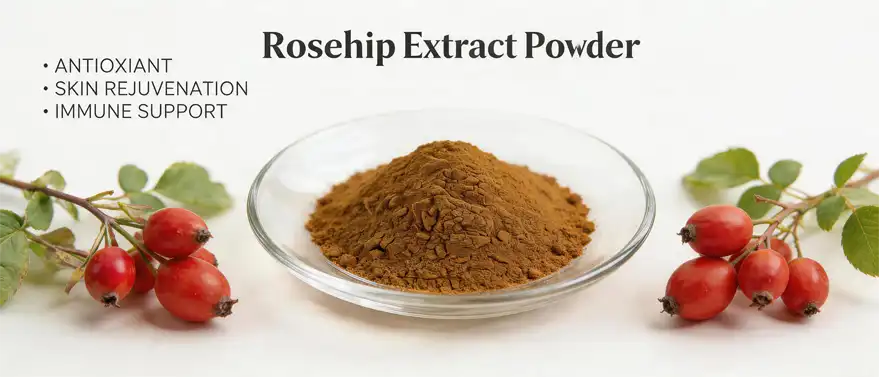
The high amount of vitamin C, flavonoids, and beneficial substances in rosehip extract powder has made it a popular natural ingredient for health support. The plant product from Rosa canina fruits has anti-inflammatory and antioxidant benefits that help the body's defences work better. The potent combination of ascorbic acid and antioxidants in rosehip extract supports the activity of white blood cells and reduces oxidative stress—two critical factors for maintaining a strong immune system. Sourcing this ingredient from a reputable supplier with appropriate standards and quality certifications can support the development of immune-supporting supplements and functional foods.
Understanding Rosehip Extract Powder and Its Nutritional Profile
The wild rose plant, particularly Rosa canina, produces pseudo-fruits that have been valued in traditional medicine for centuries. Modern extraction technology now allows us to concentrate these beneficial compounds into a standardised powder form that meets the demanding requirements of today's nutraceutical industry.
What Makes Quality Rosehip Extract Stand Out
High-quality rosehip extract powder contains significantly more bioactive compounds than ground rosehip powder. Manufacturers can precisely control the amount of vitamin C in their products by using modern liquid extraction and spray-drying methods that protect the delicate flavonoids and carotenoids that work together with ascorbic acid. Premium extracts from Northern Europe and Bulgaria have better phytochemical profiles because the plants grow in the best conditions and are picked according to strict rules. The extraction process solves a number of important problems for B2B buyers. Raw rosehip fruits have tiny hairs called trichomes that may irritate skin and damage tableting equipment. Professional extraction facilities remove these problematic parts manually during processing, making sure that the final ingredient is clean and safe for manufacturers. Modern low-temperature extraction methods preserve heat-sensitive compounds, such as vitamin C, which degrades easily when exposed to air or high temperatures.
Nutritional Composition and Standardisation
Quality rosehip extract consists of several key compound categories that contribute to its beneficial properties. When standardised through HPLC testing, the natural vitamin C content can reach 30%, which is a lot more than the 2% found in basic dry extracts. Along with ascorbic acid, the phytochemical matrix also contains carotenoids such as lycopene and beta-carotene, which impart the extract with its bright colour and additional antioxidant capacity. This concentration ensures consistent potency across production batches, which is a must for supplement manufacturers who have to follow FDA and GMP rules. Polyphenolic substances, especially flavonoids and tannins, make vitamin C more bioavailable and also reduce inflammation on their own. Rosehip extract is different from simple vitamin C pills because it contains galactolipids, especially GOPO (glycoside of mono and diglycerol). This is what makes rosehip extract good for joint health and reducing inflammation.
Processing Methods and Quality Assurance
Knowing how things are made helps people who buy things judge the skills of suppliers and make sure that products are always the same. From raw fruit to standardised extract, several steps are very important for quality. As soon as the rosehips are picked, they are cleaned and sorted to get rid of any broken fruits or other materials that don't belong. Before solvent extraction starts, controlled drying keeps the vitamins that are already there. Water or ethanol-based solvent extraction pulls out the chemicals you want while leaving behind cellulose and other insoluble materials that you don't want. The watery extract that is left over is vacuum-concentrated to make it more solid, which gets it ready for the spray-drying step. During spray drying, the concentrated extract is atomized into fine droplets and exposed to a controlled flow of hot air. This rapid drying process takes only seconds, producing fine, easily soluble particles. Managing temperature during processing determines the quality of the finished product. Inlet temperatures between 150°C and 220°C and exit temperatures between 80°C and 100°C are just right for getting rid of moisture and keeping the compounds intact. Carriers and drying aids are sometimes added to powder to make it easier to flow and keep it from sticking while it's being stored, which is very important for automated manufacturing processes.
Certifications and Regulatory Compliance
When buying plant products for controlled markets, business-to-business buyers need a lot of proof that the ingredients are safe and of good quality. GMP approval shows that factories follow strict rules to keep products from getting contaminated, keep track of batches, and test for quality control. ISO 9001 certification shows that quality management is systematically applied to all parts of a business. Kosher and Halal certifications help brands that cater to certain groups of customers get into more markets. When organic approval is offered, clean-label product makers like it and retailers charge more for it. Each certification requires regular third-party audits and ongoing compliance investments, distinguishing reputable manufacturers from unethical suppliers. Each production batch is accompanied by a Certificate of Analysis (CoA) detailing test results for vitamin C content, heavy metals, pesticide residues, microbial contamination, and physical properties such as particle size and moisture content. Suppliers with a good reputation keep detailed records that help customers with legal paperwork and allow full supply chain tracking back to source farms.

Immune Health Benefits of Rosehip Extract Powder: Scientific Insights
The immune system requires diverse nutritional support to maintain optimal function. Rosehip extract powder contains multiple bioactive compounds that work through complementary mechanisms to support immune defences against pathogens and environmental stressors.
Antioxidant Protection and Immune Function
Vitamin C is the main electron donor in many enzyme processes that are necessary for the defence cells to work. Vitamin C levels in white blood cells, particularly neutrophils and lymphocytes, are 10–100 times higher than those in blood plasma. This concentration gradient is maintained by active transport systems, which depend on adequate dietary vitamin C intake. When tissue vitamin C levels decline, immune cells exhibit reduced chemotaxis, phagocytosis, and microbial killing capacity. The polyphenolic compounds in rosehip extract support protection against free radicals through different mechanisms than ascorbic acid. Flavonoids neutralize reactive oxygen species and chelate pro-oxidant metal ions, helping protect immune cell membranes and DNA from oxidative stress damage. Comparative studies examining oxidative stress markers and immune cell survival have shown that this dual-antioxidant approach may be more effective than vitamin C alone. Carotenoids in the extract help protect cells from damage and support epithelial barrier function. The skin and mucosal tissues support the immune system, and their health depends on adequate carotenoid intake. Beta-carotene changes into vitamin A when it needs to, which helps the production of mucus and the proper functioning of cilia in the nasal tract, which are both important defences against germs in the air.
Anti-Inflammatory Mechanisms
Chronic inflammation may weaken the immune system and increase susceptibility to infections and chronic degenerative conditions. Prostaglandins and leukotrienes—two types of pro-inflammatory mediators—may be inhibited by the galactolipid fraction of rosehip extract. These mediators are produced by cyclooxygenase and lipoxygenase enzymes, which GOPO may partially inhibit. Clinical studies that look at rosehip extract supplements regularly show lower levels of C-reactive protein (CRP), which is a sign of systemic inflammation. Reduced baseline inflammation may allow the immune system to respond more effectively to acute threats, rather than remaining in a state of chronic low-grade activation. This modulation of inflammatory tone may be preferable to using simple immune-supporting ingredients, which can potentially lead to overstimulation. The anti-inflammatory effects extend to joint tissues, where inflammation often makes it hard to move and enjoy life. While not directly linked to pathogen defence, maintaining mobility and reduced joint discomfort may support overall health and metabolic function, which can indirectly support immune competence.
Evidence-Based Dosage Recommendations
To find the best dose, you have to weigh the proof of effectiveness against the limitations of the product. Daily doses of 200 to 500 mg of rosehip extract have been used in clinical studies to demonstrate immune-supporting effects. At 30% vitamin C, a 500 mg dose gives you 150 mg of natural ascorbic acid plus all the other substances that work together to make it stronger. This dosage range is easily incorporated into capsules and tablets, requiring no more than one daily serving. Rosehip extract can be used in beverages at concentrations of 0.5 to 3%, enabling a wide range of product formulations—from products with general health benefits to those with targeted health claims. The nice, slightly sour flavour goes well with fruit-based formulas without needing a lot of flavour hiding. Procurement professionals developing immune-supporting products should consider seasonal dosage adjustments. Higher doses during cold and flu season may support immune function, while low daily doses may help maintain normal immune function year-round. This tiered approach allows brands to develop a product line encompassing both daily wellness products and seasonal support formulations.
Comparing Rosehip Extract Powder with Alternative Supplements
The botanical extract market offers numerous options for immune support formulations. Understanding the relative advantages of rosehip extract powder alternatives helps procurement teams make strategic ingredient selections aligned with market positioning and target demographics.
Rosehip Extract Versus Synthetic Vitamin C
Plant products are much more expensive per gram than pure ascorbic acid powder, which is a highly concentrated source of vitamin C that is also very cheap. Synthetic vitamin C is consistently available and batch-consistent, facilitating formulation and inventory management. However, this one-compound method is missing the bioflavonoids and carotenoids that make vitamin C more bioavailable and provide additional antioxidant effects. Natural, plant-based ingredients are becoming more popular among consumers over manmade isolates. People who care about their health constantly think that "natural vitamin C from rosehip" is more valuable than "ascorbic acid," according to marketing studies. This idea could lead to higher prices and better name recognition in supplement markets that are already very crowded. Bioavailability studies that compare natural and manmade vitamin C sources show mixed results, with some showing that rosehip-derived ascorbic acid is better at being retained. The polyphenolic structure seems to keep vitamin C from being oxidised while it is being digested and slows its uptake. This means that blood levels stay higher for longer instead of rising and falling quickly. This pharmacokinetic benefit supports the ease of taking one dose a day.
Comparison with Other Botanical Immune Ingredients
Elderberry extract, echinacea, and different plant extracts are all used in immunity support goods. Each nutrient works differently and is recognised by consumers in different ways. There is evidence that the anthocyanins in elderberries can fight viruses, especially flu types. Through alkamide molecules, echinacea changes how defence cells work. Medicinal mushroom extracts contain beta-glucans that boost the body's natural defences. Rosehip extract stands out because it has a high vitamin C content and can be used in a wider range of situations. Elderberry concentrates work well in syrups and drinks, while rosehip extract works well in pills, tablets, chews, drinks, and food categories. The neutral to pleasant flavour profile needs less sweetener and flavouring than strongly flavoured options, which lowers the cost of formulation and supports cleaner labels. Combination formulas that use rosehip extract along with other botanicals that work well together make immune support products that work in more than one way. Rosehip contains a lot of vitamin C, which makes other ingredients work better and gives you benefits on its own. This makes it a natural choice for immune-boosting formulas.
Procurement Considerations for Rosehip Extract Powder in B2B Markets
Sourcing decisions for botanical extracts carry significant implications for product quality, regulatory compliance, and profitability. Procurement professionals must evaluate multiple factors beyond simple price comparisons to identify optimal supply partners.
Supplier Evaluation Criteria
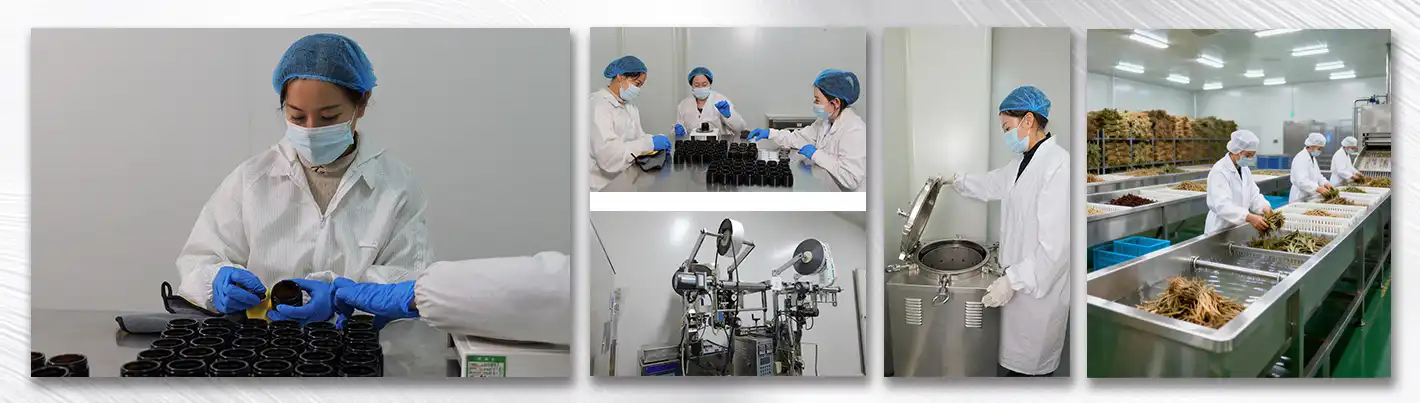
Facility checks or full audit records are the first step in figuring out how capable a manufacturer is. GMP-certified work settings show that they are dedicated to quality systems and keeping pollution at bay. Advanced equipment for extraction, such as stainless steel vessels, vacuum concentrators, and spray dryers with programmable temperature controls, shows the level of technical skill needed for consistent results. Testing lab capabilities separate capable suppliers from brokers who hire outside quality control staff. We have HPLC tools for measuring vitamin C, atomic absorption spectroscopy for analysing heavy metals, and microbial testing facilities on-site, which lets us quickly release batches and find problems. Third-party testing by approved labs adds to the proof, especially for licensing standards and settling disputes. As rules about tracking ingredients get stricter, supply chain openness is becoming more and more important. Suppliers who keep written records of their ties with source farms and can provide proof of geographical origin lower the risk of adulteration and contamination. Quality management systems that are mature can track individual production batches back to the times they were processed, when the raw materials were received, and when they were harvested on the farm.
Pricing Dynamics and Cost Optimisation
The price of rosehip extract depends on how standardised the vitamin C is, whether it is certified, and how much you buy. Standardised goods with 30% vitamin C are much more expensive than basic extracts with 10-15% vitamin C content. Costs of ingredients usually go up by 20 to 40 per cent when they are certified organic. This is because of the smaller supply amounts and licensing costs. Smaller fees are added for Kosher and Halal approvals. Price benefits can be gained through volume agreements, which lower handling costs per batch and ensure source income streams. As little as 1 kg is needed for the first round of testing and development, but business sales of 100 kg or more per batch are best for the bottom line. Long-term supply deals with quarterly or yearly purchase pledges keep prices stable and give priority to items when supplies are low. Geographical sourcing choices weigh the cost of shipping against the reputation for quality in the area and the need to comply with regulations. European sellers, especially those from Bulgaria and Scandinavia, charge higher prices because they have good quality names and follow EU rules. US makers can get shorter lead times and easier import paperwork from North American sources. This could help make up for higher ingredient costs by cutting down on transportation costs and speeding up inventory turnover.
Quality Verification and Documentation Requirements
Review of the Certificate of Analysis is the first step in qualifying an item. In each COA, test results should be written down for things like name proof, vitamin C levels, heavy metals (like lead, cadmium, mercury, and arsenic), pesticide residues, bacteria limits, moisture levels, and physical traits. If they are available, specifications should match industry standards like USP or European Pharmacopoeia papers. Stability data shows how long an item will last when stored in a certain way. Accelerated stability studies that use high temperatures and humidity can predict how quickly something will break down in real time, which helps set expiration dates and repeat intervals. Rosehip extract that is kept in moisture-barrier packing in a cool, dark place will usually stay effective for 24 months, though the vitamin C content will slowly decrease over time. Allergen statements and GMO declarations are becoming more important labelling requirements. Rosehips don't pose much of an allergy risk by themselves, but cross-contamination from building activities or carrier materials needs to be reported. Some groups of people are interested in non-GMO products, and based on what the customer wants, it may need third-party approval.
Practical Application and Integration into Product Lines
Successfully incorporating rosehip extract powder into commercial formulations requires understanding compatibility with other ingredients, stability considerations, and processing requirements across different delivery formats.
Formulation Strategies for Dietary Supplements
The easiest way to use rosehip extract is in capsule or pill form. The fine powder can be easily pressed into tablets for direct compression, but adding common ingredients like microcrystalline cellulose, calcium phosphate, and magnesium stearate improves the flow qualities and stiffness of the tablets. Two-piece gelatin or veggie pills can hold pure extract or blends with other ingredients that work well together. Because rosehip extract contains vitamin C, it is slightly acidic, so it needs to be considered when mixing it with ingredients that are sensitive to pH. In acidic settings, probiotics, some enzymes, and some plant preparations may not be as stable. Encapsulation technologies separate ingredients that don't work well together, or enteric coatings delay release until the intestinal environment can fix these compatibility issues. Gummy formulations take advantage of the fact that people like fun ways to take medicine, especially when it comes to immune support products, where daily use during healthy times is what makes them work. Rosehip extract works well in pectin-based sweets because the natural acidity helps the pectin gel. If you change the pH just right, gelatin treats will work just as well. Because of their smaller size, gummies usually have lower dose concentrations than capsules. To match the dose of a single capsule, you would need to eat two to four gummies.
Beverage and Functional Food Applications
Immune-boosting chemicals are being used more and more in ready-to-drink drinks and powdered drink mixes. Rosehip extract dissolves at least 85% in hot water, which means it can be used to make clean drinks that don't have too much sediment or turbidity. Vitamin C breaks down faster in water, especially when the pH is neutral to alkaline, and there is dissolved oxygen or small metal ions present. This may mean that mixing times need to be longer or that the product needs to be heated a little during production. The pH level of drinks should be less than 4.5, and stabilisers like citric acid and sodium citrate buffers should be used. Adding nitrogen during filling and using dark or UV-blocking packing materials can help foods last longer by stopping reactive decay. Rosehip extract can be added to functional foods like energy bars, yoghurt, and baked goods at rates of 0.5 to 3%. The distinctive brownish-yellow colour gives whole-grain and fruit-containing foods a more natural look. Some vitamin C is lost during baking because of the heat, so overage estimates are needed to make sure that the label claim is met throughout the shelf life. For uses at high temperatures, encapsulation technologies that keep heat-sensitive substances safe during processes are available.
Real-World Success Stories
As a way to help busy adults' immune systems, a medium-sized supplement company mixed rosehip extract with elderberry, zinc, and vitamin D3. The formula was based on the natural vitamin C in rosehips and was sold as 'botanical immune support'. In eighteen months, the product line grew from one SKU to three formulations (daily wellness, seasonal support and travel packets) and was sold in more than 500 stores. Customers always said that the natural ingredients were what made them want to buy something. For example, a functional beverage company put rosehip extract, turmeric extract, and ginger extract into an organic immune shot. The spicy ginger notes went well with the tart rosehip flavour, so less sugar was needed than in earlier recipe tests with synthetic vitamin C. The product was certified organic and sold through natural food outlets. It had a 15% higher rate of return purchases than the average for its category. A European nutritional company changed the recipe of an existing vitamin C pill so that rosehip extract was the main ingredient. Changing the name of the product from "Vitamin C 500mg" to "Rosehip Immune Complex with Natural Vitamin C" caused the average selling price to rise by 23% without a drop in volume. This shows that customers are ready to pay more for chemicals that come from plants. The cost of making the product went up by 12%, which made the profit levels much better.
Conclusion
Rosehip extract powder is a widely useful ingredient for immune support products that has been proven to work by science. When you mix its high vitamin C content with polyphenols and carotenoids that work together, you get measured benefits that boost your immune system and meet customer desire for natural, plant-based nutrition. In the competitive health market, procurement professionals who put quality checks on suppliers, thorough paperwork, and strategy planning at the top of their list of priorities set their brands up for success. This ingredient can be used in a variety of vitamin forms, drinks, and useful foods, which allows different product creation methods to work. As long as the right standards are followed for source, security, and following the rules, rosehip extract can be used as an important ingredient in accepted immune health products that appeal to health-conscious customers.
FAQ
Is rosehip extract safe during pregnancy?
Rosehip extract is generally recognised as safe when consumed in food amounts, though concentrated supplements require medical consultation during pregnancy. The high vitamin C content supports maternal health and fetal development within recommended intake limits. Pregnant women should avoid mega-doses exceeding 2,000 mg daily vitamin C from all sources. Quality extracts from reputable manufacturers undergo contaminant testing, addressing safety concerns regarding heavy metals and pesticides.
What certifications should B2B buyers verify when sourcing?
Priority certifications include GMP compliance, which confirms manufacturing quality standards, and ISO 9001 for systematic quality management. Organic certification appeals to clean-label product developers, while Kosher and Halal certifications expand market reach. FDA registration demonstrates commitment to US regulatory requirements. Request CoA documentation for each batch, verifying vitamin C content through HPLC analysis, heavy metals testing, pesticide screening, and microbial limits confirmation. Third-party testing through accredited laboratories provides additional verification.
Why does vitamin C content vary among rosehip extracts?
Vitamin C concentration depends on raw material quality, extraction efficiency, and standardisation processes. Wild-harvested Rosa canina from optimal growing regions contains higher baseline vitamin C levels than cultivated varieties or other rosehip species. Processing methods that minimise heat exposure and oxygen contact preserve vitamin C during extraction. Standardisation through concentration adjustments and HPLC verification ensures consistent potency, with premium extracts achieving 30% vitamin C content compared to 10-15% in basic products.
Partner with BioSpark for Premium Rosehip Extract Powder Supply
BioSpark (Xi'an) Biotechnology Co., Ltd. delivers exceptional rosehip extract powder manufactured to the highest international standards. Our product features 30% standardized natural vitamin C verified through HPLC analysis, sourced from pristine Northern European and Bulgarian Rosa canina. With comprehensive certifications including ISO9001, FDA registration, GMP, Kosher, and Halal, we support your regulatory compliance across global markets. Our advanced low-temperature extraction technology preserves delicate bioactive compounds while ensuring consistent quality batch after batch. Whether you require small development quantities starting at just 1 kg or large-scale commercial production, our flexible manufacturing capabilities accommodate your specific needs. We provide complete documentation, including Certificates of Analysis, stability data, and full traceability to support your product development and regulatory filings. Our experienced technical team offers formulation guidance for supplements, beverages, functional foods, and cosmetic applications. As a trusted rosehip extract powder manufacturer, we understand the critical importance of supply chain reliability and quality assurance. Contact our team at sales@biosparkcn.com to discuss your requirements, request technical specifications, or arrange a sample evaluation. We deliver competitive pricing, consistent availability, and the responsive service that procurement professionals demand. Let us become your strategic partner in bringing innovative, science-backed immune health products to market.
References
1. Chrubasik C, Roufogalis BD, Müller-Ladner U, Chrubasik S. A systematic review on the Rosa canina effect and efficacy profiles. Phytotherapy Research, 2008; 22(6): 725-733.
2. Wenzig EM, Widowitz U, Kunert O, et al. Phytochemical composition and in vitro pharmacological activity of two rose hip (Rosa canina L.) preparations. Phytomedicine, 2008; 15(10): 826-835.
3. Larsen E, Kharazmi A, Christensen LP, Christensen SB. An antiinflammatory galactolipid from rose hip (Rosa canina) that inhibits chemotaxis of human peripheral blood neutrophils in vitro. Journal of Natural Products, 2003; 66(7): 994-995.
4. Carr AC, Maggini S. Vitamin C and immune function. Nutrients, 2017; 9(11): 1211.
5. Phetcharat L, Wongsuphasawat K, Winther K. The effectiveness of a standardised rose hip powder containing seed and shell on cell longevity, skin wrinkles, moisture, and elasticity. Clinical Interventions in Aging, 2015; 10: 1849-1856.
6. Andersson SC, Rumpunen K, Johansson E, Olsson ME. Carotenoid content and composition in rose hips from different species. Journal of Agricultural and Food Chemistry, 2011; 59(10): 5582-5589.

Send Inquiry
Related Industry Knowledge
- Best Tongkat Ali Extract Powder: Buyer’s Complete Guide
- What Makes the Best Tongkat Ali Extract Powder Stand Out?
- Is Pomegranate Peel Extract Powder Effective Against Free Radicals?
- Can Pomegranate Seed Extract Powder Improve Skin Health?
- Apple Peel Extract Powder for Cholesterol Support
- Konjac Flour Extract: Premium Ingredient for Low-Calorie Foods
- How Hydrolyzed Rice Extract Enhances Hair Texture?
- Fulvic Acid Powder as a Powerful Antioxidant Booster
- How Does Baicalin Extract Support Immune Function?
- Top 8 Health & Industry Benefits of Oyster Shell Extract Powder