_1764041963888.webp)
Cowpea powder Bulk Supply for Global B2B Buyers
Aug 02, 2026
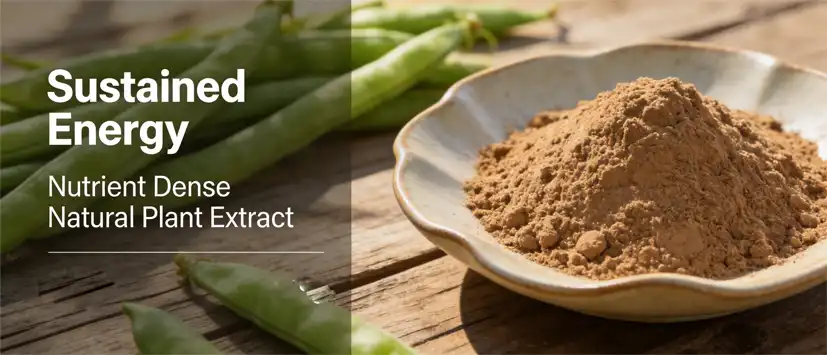
Cowpea powder represents a strategic ingredient solution for health supplement brands, nutraceutical companies, and food manufacturers seeking reliable plant-based nutrition sources. Derived from premium cowpea seeds through advanced extraction and milling processes, this versatile legume flour delivers 20-25% plant protein, substantial dietary fiber, and essential minerals—all in a naturally gluten-free format. We recognize that B2B buyers face constant pressure to source ingredients that meet strict quality standards while maintaining competitive pricing and dependable supply chains. This comprehensive guide addresses those exact challenges, providing actionable insights into bulk procurement, quality evaluation, and partnership strategies that transform ingredient sourcing from a logistical headache into a competitive advantage.
Understanding Cowpea Powder and Its Market Potential
Botanical Origin and Production Excellence
The formal name for Cowpea powder is Vigna unguiculata. It does well in a wide range of temperatures and has a lot of nutrients. Our production process starts with carefully choosing seeds from the best farming areas in China. The seeds are then cleaned, soaked, and dehulled to get rid of anything that isn't good for them. We use low-temperature water extraction along with ultrafine grinding technology to keep nutrients that are sensitive to heat while getting the best bioavailability. The finished product goes through precise filtration using spinning and membrane systems, vacuum concentration to make the liquid parts stronger, and spray drying to make a uniform powder with controlled particle size (80–120 mesh). This multi-step process makes sure that the fine powder, which is light yellow to light brown, keeps its unique bean smell and nutritional value.
Nutritional Profile Driving Market Demand
This ingredient, made from legumes, has uses beyond just providing nutrition. Each 100g dose usually has 20–25g of protein with all nine essential amino acids, 15–18g of fibre to help keep your digestive system healthy, and large amounts of iron, magnesium, potassium, and B-complex vitamins. Instead of soy proteins, which can cause allergies, ingredients derived from Cowpea powder are better because they are hypoallergenic. This powder's naturally low glycaemic index makes it great for blood sugar management formulas. Its prebiotic fibre content also supports the health of the gut microbiome, which is a major trend in the development of nutraceutical products.
Competitive Positioning Against Alternative Legume Flours
Compared to chickpea flour, our product dissolves better in water and is slightly easier for the body to absorb protein. Lentil flour usually has about the same amount of protein as other flours, but it doesn't have a unique mild flavour that works well in a wide range of recipes. Pea protein isolates have a higher protein concentration, but they need to be processed in a lot of steps, which makes them more expensive and worse for the environment. Even though soybean flour is the market leader, more and more people are becoming against it because of worries about GMOs and allergens. The Cowpea powder-based option fills in these gaps in the market by marketing itself as a sustainable, clean-label, and functionally flexible ingredient for companies making protein bars, gluten-free baked goods, nutritional drinks, and meal replacements.
Bulk Procurement Essentials: What B2B Buyers Need to Know
Defining Volume Requirements and Quality Benchmarks
To make buying work, you need to be clear about how much you need and make sure it fits with your production plans. We can take orders of any size, from as little as 1 kg for testing purposes to many tonnes for established production lines. Protein levels (usually 20–25% by dry weight), moisture levels (below 8% for best shelf life), bacteria limits (total plate count under 10,000 CFU/g), and heavy metal limits that follow FDA and EU rules must all be taken into account in quality standards. Thin-Layer Chromatography (TLC) is used in our testing methods to look at the composition of the samples. This makes sure that each batch is the same, which protects your brand's image.
Evaluating Supplier Credentials and Certifications
Suppliers you can trust show that they care about quality by getting recognised certificates. Our building follows GMP manufacturing standards, ISO9001 quality systems, and special certifications like Kosher, Halal, and FDA registration. These qualifications show that you follow international rules for food safety and make it easier to get through customs in target markets. In addition to certificates, you should also look at our production capacity. We can handle both small-batch customisation for startups trying new formulas and large-scale orders of more than 100 tonnes for well-known names. Check traceability systems that keep track of ingredients from the farm to the final packaging. This is a must if you want to meet the requirements for European and North American regulatory audits.
Balancing Price, Quality, and Delivery Terms
Total landed cost must be taken into account when judging competitive pricing. FOB (Free on Board), CIF (Cost, Insurance, and Freight), CFR (Cost and Freight), EXW (Ex Works), DAP (Delivered at Place), and DDP (Delivered Duty Paid) are some of the delivery terms we use. Each term changes who is responsible for shipping costs and risk, which can affect your budget for buying things. Express shipping is used for small orders that need to be sent quickly, air freight for medium amounts that need to be sent quickly, and sea freight for bulk packages that need to be kept as cheap as possible. Bank transfer (T/T), which is our preferred way of payment, makes foreign transactions easier while still following safe financial rules.
It's also important to know the specifications for the packaging. It's easy to move and store standard 25 kg drums because they have food-grade linings inside that keep out wetness and contamination. When stored properly (in cool, dry places below 25°C with relative humidity under 60%), food usually lasts for 24 months. Lead times depend on the size of the order and the level of customisation needed. Standard orders ship within 7–10 days if there is enough inventory, but OEM/ODM formulations need 20–30 days for recipe development and production setup.
Choosing the Right Cowpea Powder for Your Business Needs
Organic Versus Conventional Options
The choice between organic and traditional farming requires a cost-benefit study that is in line with how the target market is positioned. Organic approval comes with higher prices, but it gives you access to health-conscious customers who are willing to pay 20–30% more for foods that are guaranteed to be free of GMOs and pesticides. Value-oriented brands can save money on costs with conventional production while still meeting strict quality standards. Our product line can meet both needs, and there is clear evidence to back up either claim.
Certification Requirements for Market Access
European markets want more and more HACCP (Hazard Analysis Critical Control Points) approval, which shows that food safety is managed in a planned way. Verification of non-GMO status is now needed to get into the US market, especially for functional foods and supplements. Our ISO9001, Kosher, Halal, FDA, and GMP certifications build a foundation of compliance that speeds up governmental acceptance in a wide range of areas. These titles make it easier for you to deal with regulations, which speeds up the time it takes to bring new products to market.
Aligning Specifications to Application Requirements
For gluten-free bread, fine particles (100–120 mesh) work best because they mix easily into flour blends and don't make the structure uneven. Protein-rich Cowpea powder drinks need to dissolve well in water. Our product's solubility profile (soluble in water, slightly soluble in ethanol) supports drink systems that are clear or barely cloudy. To keep them from going bad while they're being stored, nutritional supplement pills need to be free of microbes and have their moisture levels controlled. Before placing large orders, make sure that these technical specs meet your needs for production by trying samples.
Best Practices for Importing and Handling Cowpea Powder in Bulk
International Shipping Terms and Logistics Optimization
Knowing Incoterms keeps you from making mistakes that cost a lot of money. As soon as the goods are put onto the ship, you are responsible for them. This means that you need to work with freight forwarders and customs agents to make sure everything goes smoothly. With CIF terms, the seller takes on more of the logistics, taking care of shipping and security. This makes the buying process easier, but it could also raise costs. DDP means that the seller is fully responsible for the goods, and the price that is given includes all duties and taxes. This is perfect for buyers who don't know much about foreign shipping. We suggest talking about shipping options during the bargaining process to find the best mix between keeping costs low and making things easy. Customs delays throw off production plans and make it more expensive to carry goods. To lower these risks, make sure that all of the paperwork is in order. This includes commercial invoices, packing lists, certificates of analysis, and origin certificates. Our experienced export team puts together sets of paperwork that are compliant and meet the needs of the destination country. This cuts down on clearance delays. Strategic inventory management, like keeping enough on hand to last for four to six weeks, protects against problems in the supply chain.
Storage and Handling Protocols
Product quality and shelf life are directly affected by the conditions of the warehouse. Keep drums in climate-controlled spaces where the temperature stays between 15°C and 25°C and the relative humidity stays below 60%. Lift the pallets off the ground to keep them from absorbing water and to make it easier for air to flow. Use first-in, first-out (FIFO) movement to keep your goods from going bad. Once the package is opened, move the contents to food-grade containers with lids that close tightly. This will keep the food from exposing itself to air, which can lower its nutritional value and help microbes grow.
Quality Assurance and Risk Management
Before accepting shipments, set up rules for inspecting them and checking each lot for protein content, moisture, microbial contamination, and heavy metals. Keep some typical samples from each batch so that they can be tracked and disputes can be settled. Even though Cowpea powder ingredients aren't as likely to cause allergies as soy or wheat, if your building handles more than one ingredient, make sure that each ingredient is handled separately. To avoid cross-contamination, write down how to clean up after each production run. These steps keep the purity of the product safe and show that you did your homework during regulatory checks.
Why Choose BioSpark's Cowpea Powder Bulk Supply for Your Global Business
Proven Manufacturing Capacity and Quality Systems
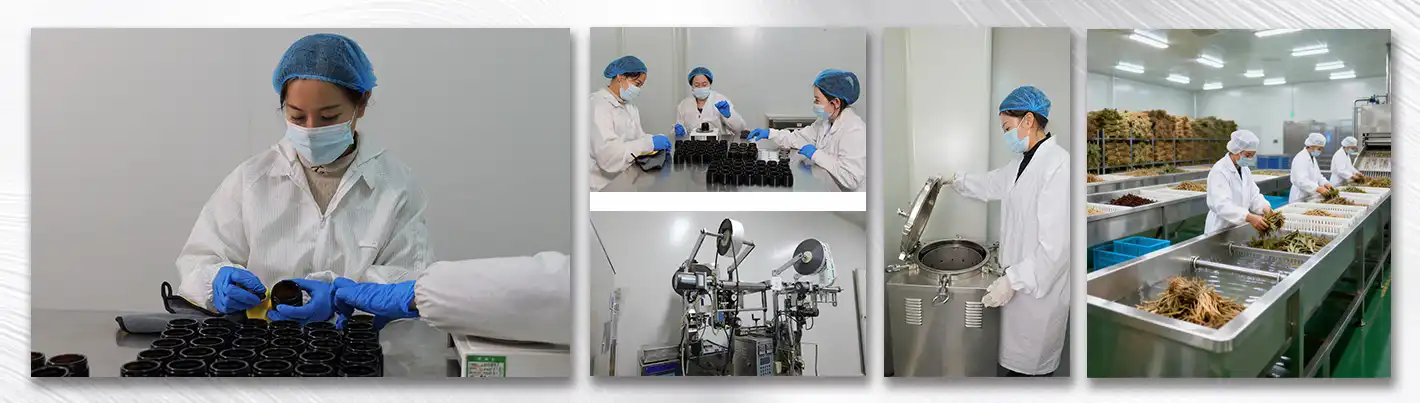
BioSpark (Xi'an) Biotechnology Co., Ltd runs cutting-edge facilities for extracting and preparing plant products and functional foods. On our production lines, there are automatic quality control checkpoints that keep an eye on important factors in real time. Cleaning, soaking, dehulling, extraction, filtration, concentration, and spray drying are some of the steps in the multi-stage purification process. Strict environmental controls make sure that the output is always up to international standards. We keep enough goods on hand to be able to serve quickly, even for urgent orders. This helps you keep your production going.
Customer-Centric Approach and Flexible Services
Our OEM/ODM services go beyond just supplying ingredients. We work with our clients to make custom formulations by changing things like protein concentration, particle size distribution, or flavouring profiles to fit the needs of each application. We go from being a transactional provider to a strategic ingredient development partner with this relationship method. We can change our service model to fit the stage of your business and its growth, whether you need small (1 kg) trial quantities for R&D testing or large production runs of several tonnes.
Global Export Track Record
Companies that make health supplements, nutraceuticals, import, distribute, and sell our goods can be found in Europe, North America, South America, Southeast Asia, and the Middle East. Our ability to handle complicated foreign rules and transportation problems is shown by the fact that we work with people from all over the world. Our dependability, honesty, and dedication to quality are proven by our long-term relationships with well-known names. We know how hard it is for procurement workers to work with limited funds, strict quality standards, and tight deadlines, so we've designed our services to help relieve those worries.
Conclusion
Finding good plant-based ingredients means finding a balance between how well they work nutritionally, how well they follow the rules, how much they cost, and how reliable the supply chain is. All of these things are taken into account by this Cowpea powder made from legumes, which has a high protein density, a wide range of uses, and a clean label appeal that appeals to health-conscious customers. B2B buyers can get a competitive edge in the nutraceutical and functional food markets, which are changing quickly, by working with approved producers who have strict quality systems, clear tracking, and flexible production options. Today's strategic purchasing choices will affect the success of tomorrow's products. Pick sellers who show both technical know-how and a dedication to customer service.
FAQ
1. Is cowpea powder suitable for certified gluten-free product formulations?
Yes, Cowpea powder ingredients don't contain any wheat, barley, or rye proteins, so they are naturally gluten-free. Our factory follows strict separation rules to keep gluten-containing ingredients from getting mixed in with other ingredients. Each batch is tested to make sure that the gluten amounts are below 20 ppm, which is the legal limit set by the FDA and Europe for gluten-free labels. This makes the ingredient perfect for goods that are safe for coeliacs and people who are sensitive to gluten.
2. What shelf life can buyers expect for bulk shipments?
When kept in cool, dry places (below 25°C, relative humidity under 60%), properly packed material in sealed 25 kg drums stays fresh for 24 months. Once opened, put the contents in cases that won't let air in and use within 6 months for the freshest results. With every package, we include specific storage instructions to make sure the longest possible shelf life.
3. How does the nutritional profile compare to chickpea flour?
Both products have a lot of protein and fibre, but Cowpea powder-based powder usually has a little more iron and dissolves better in water, which makes it better for use in drinks. Chickpea flour has a stronger flavour that can take over recipes, while Cowpea powder flour choices have softer flavours that go well with a wider range of foods. The scores for protein digestibility are about the same, so either one can be used depending on the formulation goals.
Partner with BioSpark for Your Cowpea Powder Supply Needs
BioSpark is ready to be your reliable producer and seller of high-quality plant-based nutrition ingredients. We offer full certifications and know how to handle global logistics. Our factory in China uses both traditional understanding of plants and modern extraction technology to make Cowpea powder products that meet the high standards of health supplements and nutraceutical brands around the world. We keep enough stock on hand to ship right away via express, air freight, or sea freight, so we can meet both urgent requests and planned production plans. With a minimum order quantity of just 1 kg, you can get a good feel for the product before committing to larger quantities. Our OEM/ODM services also allow you to make formulations that are exactly what you need. Email our team at leao@biosparkcn.com to ask for samples, talk about technical needs, and get cheap quotes for large supplies. See how different your plan for getting ingredients is when you have solid quality, clear communication, and service that is focused on the customer.
References
1. Gonçalves, A., Goufo, P., Barros, A., et al. (2016). Cowpea (Vigna unguiculata L. Walp), a renewed multipurpose crop for a more sustainable agri-food system: nutritional advantages and constraints. Journal of the Science of Food and Agriculture, 96(9), 2941-2951.
2. Phillips, R.D., McWatters, K.H., Chinnan, M.S., et al. (2003). Utilization of cowpeas for human food. Field Crops Research, 82(2-3), 193-213.
3. Frota, K.M.G., Soares, R.A.M., & Arêas, J.A.G. (2008). Chemical composition of cowpea (Vigna unguiculata L. Walp), BRS-Milênio cultivar. Ciência e Tecnologia de Alimentos, 28(2), 470-476.
4. Boukar, O., Fatokun, C.A., Huynh, B.L., et al. (2016). Genomic tools in cowpea breeding programs: status and perspectives. Frontiers in Plant Science, 7, 757.
5. Owusu, R.K., & Akanbi, C.T. (2017). Functional properties and amino acid profile of cowpea (Vigna unguiculata) flour as affected by processing methods. International Journal of Food Science and Technology, 52(4), 1028-1036.
6. Hall, A.E. (2012). Phenotyping cowpeas for adaptation to drought. Frontiers in Physiology, 3, 155.

Send Inquiry
Related Industry Knowledge
- Coconut Milk Extract Powder: The Ultimate Plant-Based Dairy Swap
- Coconut Milk Extract Powder: The Ultimate Plant-Based Dairy Swap
- Coconut Milk Extract Powder: The Ultimate Plant-Based Dairy Swap
- Coconut Milk Extract Powder: The Ultimate Plant-Based Dairy Swap
- Coconut Milk Extract Powder: The Ultimate Plant-Based Dairy Swap
- Coconut Milk Extract Powder: The Ultimate Plant-Based Dairy Swap
- Coconut Milk Extract Powder: The Ultimate Plant-Based Dairy Swap
- Coconut Milk Extract Powder: The Ultimate Plant-Based Dairy Swap
- Coconut Milk Extract Powder: The Ultimate Plant-Based Dairy Swap
- Miltiorrhiza Root Extract Powder Benefits: Is It Heart-Protective?
- Is Chinese Cabbage Powder Good for Instant Drinks?
- Want Wholesale Bitter Melon Extract Powder at Better Prices?
- Coconut Milk Extract Powder: Key Nutritional Benefits
- Can Tribulus Terrestris Extract Powder Boost Testosterone?
- Does Kacip Fatimah Extract Improve Menstrual Comfort?
- Hydrolyzed Rice Extract Benefits for Skin & Hair Care
- Fulvic Acid Powder as a Powerful Antioxidant Booster
- Ghanaian Seed Extract Benefits: Natural 5-HTP for Mood & Wellness