_1764041963888.webp)
Is Coconut Milk Extract Powder More Cost-Effective Than Canned?
Jul 18, 2026
The question of whether coconut milk extract powder is cheaper than regular canned coconut milk comes up more and more often when sourcing managers look at ways to get ingredients. The answer is yes, based on a full business study and a total ownership cost model. Because it is so concentrated, coconut milk extract powder usually saves 75–80% on shipping costs. It also doesn't need to be kept cold and can be stored for more than six months to almost two years. This solves the main issues that health supplement brands and distributors have every day with keeping track of their stock and getting the most out of their supply chains.
Understanding Coconut Milk Extract Powder and Canned Coconut Milk
The main difference between these two formats is not just how they look, but also how they are made, how stable they are, and how they can be used in business. Knowing these differences helps people who buy things do good work that meets the needs of the business.
Production Processes and Composition
Coconut milk extract powder is made from fresh coconut kernel. The natural oil is taken out by pressing the endosperm down. The advanced spray-drying technology is then used to turn this liquid into a compressed powder by slowly drying it out. To keep the oil phase safe during the drying process, capsule agents like maltodextrin or acacia gum are often used. This means that the product has 98% active ingredients. The powder keeps around 60 to 70% of the natural coconut oil, as well as vegetarian proteins, calcium and potassium, and medium-chain fatty acids (mostly lauric acid). Because it is heat sterilised and tightly packed, canned coconut milk keeps more of its liquid form. In direct cooking applications, this method keeps the real smoothness that is liked. But in the industrial world, it causes problems like phase separation, creaming issues, and the chance of hydrolytic rancidity.
Shelf Stability and Storage Requirements
Spray-dried powder doesn't have as much water activity, so enzymes can't break it down, and bacteria can't grow on it. At room temperature, this means it will last 18 to 24 months. When you open a can of liquid, it goes bad faster. A lot of the time, it will only last 24 to 48 hours in the fridge. This difference in stability has a big impact on how fast B2B businesses sell their stock and how much it costs to deal with waste. Another important thing to think about is storage density. Powder shapes take up more than 80% less space than liquid ones when it comes to bulk volume, which directly improves warehouse efficiency. When distributors and wholesalers use their space efficiently, they can store more goods without having to build bigger facilities.
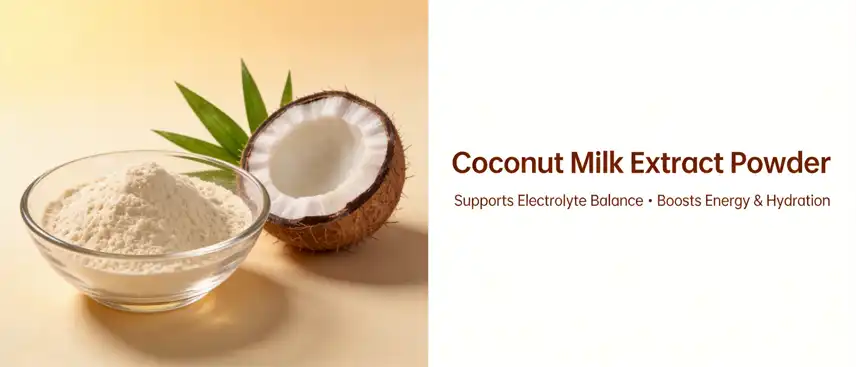
Cost-Effectiveness Analysis: Coconut Milk Extract Powder vs Canned Coconut Milk
When you look at costs, you need to look at more than just unit prices to get a full picture of the money. Some of the things that add up to the total cost of ownership are buying, keeping, moving, and lowering risk.
Direct Pricing and Bulk Order Economics
Coconut milk extract powder may cost more per kilogram at first, but because it is so concentrated, the value changes in a big way. There are four to five litres of watery coconut milk that can be made from one kilogram of powder. Based on usage-equivalent, the powder format is often 20–35% cheaper than other formats when used on a large scale in manufacturing. When you buy in bulk, you save even more money. Suppliers with flexible minimum order quantities can offer good prices to companies of all sizes. These quantities can range from small samples of 1 kg to large packages of several tonnes. If an OEM or ODM partner is well-known, they can often set up deals based on volume that make the cost per unit much lower for big, regular buyers.
Logistics and Freight Considerations
Transportation costs a lot and is often forgotten when people buy food. Freight costs are much higher for canned coconut milk because it is heavy and has a lot of liquid in it. This is especially true for export orders. If you choose powder, you don't have to pay to send water, which is a waste of money. This cuts freight costs by 60–75% per useful unit. Companies that buy products from all over the world or ship produced goods over long distances will notice this benefit even more. The powder is put in nitrogen-filled metal foil bags inside strong drums. This keeps the powder from corroding, puncturing, or leaking like liquids can sometimes do. Making these changes to quality assurance will cut down on the number of lost items and the cost of sending broken items.
Inventory Management and Carrying Costs
How long shelves stay stable has a direct effect on how much working capital you need. The 18–24-month viability window lets procurement teams make the most of buying cycles, shop around for the best prices, and keep strategic stock backups without worrying too much about when the goods will go bad. You have to order canned goods more often, keep track of your inventory more carefully, and deal with higher rates of obsolescence when you can't be sure of how much demand there will be. Lowering the storage footprint lowers the costs of running the warehouse. These costs include keeping the warehouse cool, hiring people to do the work, and paying for the facility's overhead. People who buy coconut products in powdered form instead of canned forms often say that they need 40–50% less space to store them. This makes room for other raw materials or finished goods.
Quality, Performance, and Application Suitability in Industrial Use
In addition to price, an ingredient's performance and flexibility in how it can be used determine whether it is right for a certain manufacturing situation. Following the rules, making sure the quality is consistent, and making sure the product works are all important parts of long-term buying plans.
Manufacturing Consistency and Formulation Flexibility
Standardised ways of making coconut milk extract powder and quality control checks make it very uniform from one batch to the next. This 100–120 mesh particle size makes sure that all of the ingredients are spread out evenly. This gets rid of the problems with phase separation that come with liquid coconut milk. This consistency is very helpful in automated production settings, where changing the ingredients can mess up the process and make the final product less good. Because powders can be precisely dosed, formulators can change the amount of fat and coconut flavour in a way that isn't possible with canned goods that have already been watered down. Because of this, you can change a lot of different products, like plant-based drinks, dairy-free sweets, baked goods, useful nutrition products, and quick drink mixes. R&D teams like that they can make small changes to recipes without having to start from scratch every time they need to use a different ingredient.
Certifications and Clean Label Appeal
Customers today want ingredient lists that are clear and correct more and more. Good coconut milk extract powder meets these needs because it is made from plants and is natural. Vegans, people who can't digest lactose, and health-conscious people can all use it. Online stores that you can trust give you a lot of details, like organic certifications, non-GMO proof, allergy statements, and details about where the coconut came from and how it was turned into powder. For health supplement brands and nutrition businesses that have to deal with strict rules in places like the US, these licenses are very important. Being able to follow foreign standards like FDA rules, GMP requirements, and industry-specific guidelines is a lot easier when you work with well-known sources who have strong quality control systems.
Reconstitution Properties and Functional Performance
It's easy for the spray-dried powder to mix with water, and it doesn't take long or any special tools to make smooth, uniform emulsions. If you add thick dried coconut milk, which might need extra steps for emulsification, this makes reconstitution easier and speeds up the process. Functional testing has shown that coconut milk extract powder that is made correctly has the same taste, creamy texture, and nutritional profile as high-end canned products. Lauric acid helps the body's defence system work naturally, and medium-chain fatty acids help the body take in and use energy quickly. If the right steps are taken during production, these healthy qualities will stay the same during the spray-drying process.
Choosing the Right Supplier for Coconut Milk Extract Powder
Picking the right supplier is very important for both the short-term success of the purchase and the long-term stability of operations. When you work with reliable manufacturers, you can be sure of stable quality, a strong supply chain, and the ability to solve problems as they arise.
Essential Evaluation Criteria
When people in charge of getting things look at different companies that might sell coconut milk extract powder, they should keep a few key things in mind. Because of how well they can make things, a company can either meet current wants or grow with the business. For both small-batch tailoring and large-scale sales, the production method needs to be able to adapt. This lets the company adapt to the needs of the market as they change. One more important factor is the system for quality checking. Checking the raw materials, keeping an eye on the process, and examining the end product are all things that suppliers should include in their careful testing plans. You can make smart decisions about quality and make sure you're following the rules when you have access to certificates of analysis, stability studies, and microbiological testing data. As worries about ecology and fair buying grow, it's becoming more important for the supply chain to be clear and easy to track. Some of the best companies tell you where coconuts come from, how they are grown, and where they are processed. This helps with attempts to be socially responsible as a business and with ways to talk to people.
Procurement Best Practices
To make deals work, everyone must be able to clearly understand the goals, standards for quality, and due dates. If R&D teams ask for samples of a product, they can try it out in real life before ordering a lot of it. Lots of well-known sellers give away free samples and offer technical support while a product is being made. This shows that they want their customers to be successful. You can better handle your cash flow and assets if you talk about good payment terms and shipping plans. Reliable manufacturers know how business-to-business (B2B) buying works and can work with customers who have bought from them before and want to set up a payment plan that works for them. Finding providers that offer both OEM and ODM services can help you work together to make new formulas, custom packaging, and private-label goods. With these extra services, sellers turn into strategic partners who help you stand out from others in the same field and find your place in the market.
Future Trends and Market Insights in Coconut Milk Extract Powder Procurement
People's tastes are always changing, new technologies come out, and people want to be more eco-friendly. This means that the coconut food market is still changing quickly. Procurement managers can make plans that will help their companies succeed in the future if they know about new trends.
Growing Demand in Plant-Based Sectors
The market for plant-based foods around the world has grown really quickly. There are a lot of market research firms that say it will keep growing at around 11% per year until 2028. A big part of this growth is food ingredients that come from coconut because they are healthy, useful, and well-liked by people. Health supplement and fitness product companies are adding more and more coconut milk powder to protein shakes, meal replacements, and functional drinks that are marketed to people who care about their health. Prices should stay the same for a while, and suppliers should come out with more new products because of this trend. Firms that work with reliable manufacturers of coconut milk extract powder can better take advantage of growing market chances without having to worry about supply issues.
Technological Improvements and Sustainability
Extraction and spray-drying technologies are always getting better, which means that goods are getting better and cheaper to make. Better ways to encapsulate foods protect chemical molecules and fatty acids that change quickly. This makes the food taste better and last longer on the shelf. These changes make it possible for companies to make high-quality goods that meet the wants of pickier customers. When people decide what to buy, concerns about sustainability are growing. All of the things that progressive providers do are powered by green energy sources, methods that save water, and programs that reduce trash. Companies can reach their sustainability goals and attract customers who care about the environment and want to know more about how products are made if they get their supplies from partners who care about the environment.
Strategic Procurement Approaches
When you know how the supply chain will change, you can control risks in a proactive way. If you do business with providers in more than one area, you can lower the risks that come from things like weather, political unrest, or changes in trade policy. If there are problems with sources, work can still go on as long as there are backup plans and smart store gaps. When you work with innovative providers, you can get new product forms, better formulas, and application ideas that you can't get from working with people in other fields. They make buying not just a business task, but a strategic skill that gives a company an edge over its competitors.

Conclusion
When you compare the cost-effectiveness of coconut milk extract powder and canned coconut milk, you should look at more than just the unit price. A thorough study that looks at how to store things most efficiently, how stable they are on the shelf, how flexible the formulations can be, and how consistent the quality is shows that powders are better for industrial uses. Cans are still useful for some cooking tasks, but health supplement brands, nutritional businesses, and food makers who make a lot of food will save money by using concentrated powder. When purchasing groups work together with reliable providers who offer stable quality, legal compliance, and flexible capacity, they can take advantage of growing plant-based market opportunities while also making their operations more efficient and making more money.
FAQ
How does the nutritional profile compare between coconut milk extract powder and canned coconut milk?
Both formats retain essential nutrients, including medium-chain fatty acids, lauric acid, and minerals. The powder concentrates these components through water removal, delivering equivalent nutrition when reconstituted according to manufacturer guidelines. The spray-drying process preserves heat-sensitive compounds when proper temperature controls are maintained during production.
What storage conditions maximise coconut milk extract powder shelf life?
Optimal storage requires cool, dry conditions away from direct sunlight and strong odours. Sealed packaging maintained at temperatures below 25°C with relative humidity under 60% ensures maximum stability. After opening, transferring contents to airtight containers and minimising air exposure prevents moisture absorption and oxidation.
What are typical lead times for bulk coconut milk extract powder orders?
Lead times vary based on order quantity, customisation requirements, and supplier production schedules. Standard bulk orders typically ship within two to three weeks following order confirmation. Custom formulations or specialised packaging may extend timelines to four to six weeks. Established suppliers maintain an inventory of standard products, enabling faster fulfilment for urgent requirements.
Partner with BioSpark for Premium Coconut Milk Extract Powder
BioSpark (Xi'an) Biotechnology Co., Ltd specializes in delivering exceptional coconut milk extract powder manufactured under stringent quality standards and backed by comprehensive OEM/ODM support. Our advanced spray-drying technology produces powder with 98% active ingredient content, excellent water solubility, and authentic coconut flavour that elevates your product formulations. Whether you require small-batch customisation or large-scale production, our flexible capacity and reliable supply chain ensure on-time delivery across global markets. As an experienced coconut milk extract powder supplier, we provide traceable raw materials, international certifications, and full-process technical support from concept through final delivery. Contact our team at leao@biosparkcn.com to discuss your specific requirements, request product samples, or obtain customised quotes that optimise your ingredient procurement strategy.
References
1. Tangsuphoom, N., & Coupland, J. N. (2009). Effect of thermal treatments on the properties of coconut milk emulsions prepared with surface-active stabilisers. Food Hydrocolloids, 23(7), 1792-1800.
2. Peamprasart, T., & Chiewchan, N. (2006). Effect of fat content and preheat treatment on the apparent viscosity of coconut milk after homogenization. Journal of Food Engineering, 77(3), 653-658.
3. Simuang, J., Chiewchan, N., & Tansakul, A. (2004). Effects of fat content and temperature on the apparent viscosity of coconut milk. Journal of Food Engineering, 64(2), 193-197.
4. Seow, C. C., & Gwee, C. N. (1997). Coconut milk: chemistry and technology. International Journal of Food Science & Technology, 32(3), 189-201.
5. Makinde, F. M., & Akinoso, R. (2014). Comparison between the nutritional quality of flour obtained from raw, roasted and fermented sesame (Sesamum indicum L.) seed grown in Nigeria. Acta Scientiarum Polonorum Technologia Alimentaria, 13(3), 309-319.
6. Kumar, A., & Krishna, A. G. (2015). Physicochemical characteristics of commercial coconut oils produced in India. Grasas y Aceites, 66(1), e062.

Send Inquiry


Related Industry Knowledge
- Hami Melon Powder Benefits for Beverage and Dessert Formulas
- Top Snow Lotus Fruit Powder Uses in Functional Foods
- Bitter Melon Extract Powder for Metabolic Syndrome: 3-Way Action
- Is nature artichoke extract effective for cholesterol management?
- High-Quality Purple Cabbage Powder for Product Developers
- White Willow Bark Extract Powder: Trends in Herbal Supplements
- Mimosa Root Bark Extract in Premium Skincare Lines
- Kacip Fatimah Extract: Natural Phytoestrogen for Women
- Does Mimosa Root Bark Extract Support Wound Healing?
- How Does Pure Corn Extract Powder Support Antioxidant Defense?