What Is Organic Green Tea Extract Powder Used For?
Nov 02, 2026
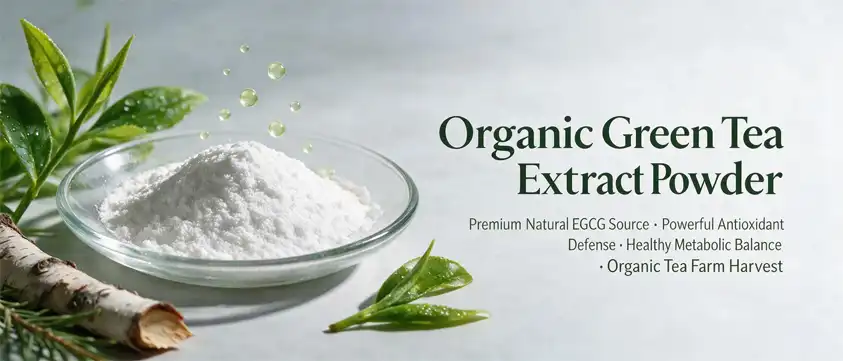
Organic green tea extract powder is one of the most popular botanical ingredients in today’s health supplement industry. This concentrated powder is made from the unfermented leaves of Camellia sinensis produced under certified organic conditions and retains high quantities of polyphenols, catechins, and EGCG (epigallocatechin gallate). It’s the nutraceuticals, functional foods, and cosmetics industry’s favorite for procurement experts because of its proven antioxidant action, standardized potency, and clean-label compliance. Organic Green Tea Extract Powder is a measured, traceable bioactive value for use in developing a weight control pill, a functional beverage, or an anti-aging skincare line.
Understanding Organic Green Tea Extract Powder
What It Is and Where It Comes From
Organic green tea extract powder is manufactured from the leaves of Camelia sinensis that were not cultivated using synthetic chemicals, pesticides, or genetically modified organisms. This plant is grown in China, Japan, and several other Asian nations. The leaves are then plucked, and the oil is extracted using water or food-grade ethanol. You get a powder that will pass through an 80-mesh screen. There's a touch of brown about it. It has a sour flavor since it contains a lot of catechins.
Organic Certification Standards
It needs to follow the standards of either the USDA NOP or the EU Regulation (EC) 834/2007 to be considered organic. Things like hexane or ethyl acetate are solvents that can’t be in recognized organic supply chains. This can only be done with water or organic alcohol. That difference changes the sorts of insecticides that are left behind. These are things that importers should know if they wish to sell their products in North America and Europe.
Key Bioactive Markers
It contains pure ingredients of EGCG (≥45% HPLC), Total Catechins (≥70% HPLC), and Total Polyphenols (≥95% UV). Drug makers may use these to figure out how much to give each individual. The bulk density of the powder is in the range of 0.40 to 0.60 g/ml, the moisture content is maintained at ≤5.0%, and pH is maintained in the range of 3.0 to 6.0. These are all items that are crucial for manufacturing products in factories.
Applications and Uses of Organic Green Tea Extract Powder in Industry
Organic green tea extract powder is so versatile that it is used in many different kinds of goods. It has a high ORAC value, a clear solubility profile, and has been permitted by the government, so formulators have a lot of latitude. These are the key areas where this substance usually works well.
Here’s what procurement teams should consider when using it for business:
- Popular forms include capsules, pills, and softgels. They come in capsules, pills, and softgels. The majority of products for weight loss or combating free radicals include 200-500 mg of extract per dosage. There is always the same quantity of EGCG on the label. That indicates that the claims on the label have not been disproven and can be backed up by FDA guidelines for vitamins.- Working foods and drinks: bulk green tea extract powder that dissolves rapidly in cold water for protein shakes, nutritious snack bars, and ready-to-drink beverages. It can tolerate temperatures up to 80°C for a short period of time, so it may be used nearly anywhere food is handled.
- Dietary supplements and nutraceuticals: The most popular types are capsules, tablets, and gel caps. In weight management and antioxidant formulations, the standard serving size is 200-500 mg of extract. The standardized EGCG content supports label claims defensible under FDA dietary supplement regulations.
- Functional foods and drinks: The cold-water-soluble grade of organic green tea extract powder disperses cleanly in RTD (ready-to-drink) beverages, protein powders, and functional snack bars. Its thermostability up to 80°C for a short time is suitable for most food processing settings.
- Cosmetics & personal care: EGCG supports anti-aging serums, moisturizers, and scalp treatments because of its antioxidant and moderate anti-inflammatory qualities. It is compatible with water-phase formulations at use levels of 0.1 to 2.0% and does not destabilize emulsions.
- EGCG’s modest anti-inflammatory and anti-aging properties can improve the performance of serums, moisturizers, and hair styling and cosmetics products. It is good in water-phase formulae and does not destabilize the emulsions at the proper level (0.1 to 2.0%).
Comparing Organic vs Non-Organic Green Tea Extract Powder for Procurement Decisions
Purity and Pesticide Risk
Regular green tea extract contains two types of pesticides: organochlorine and organophosphate. This means that it is immediately banned in the US and EU. Organic green tea extract powder avoids this danger entirely, so it’s less expensive for importers to comply with the requirements and protects the good reputation of the business with customers who want clean labeling.
Price vs. Long-Term Value
Organic extracts are 15% to 30% more expensive than non-organic extracts. It's not such a large difference in revenue when you think about how much it costs to have customs turn your item away, give you a refund, or have a consumer lose faith. Those selling expensive health and workout products have more than one motivation to seek organic clearance.
Certifications and Traceability
Before comparing providers, people should make sure they have USDA Organic, non-GMO, and ISO certifications. In addition to that, they should be able to provide customers with COA documents, HPLC test results, and verification from other laboratories. Buyers must be able to track every batch back to the origin of the raw leaves and to where they are currently, so that shops and the government may examine the powder later.
How to Procure High-Quality Organic Green Tea Extract Powder
Supplier Qualification Criteria
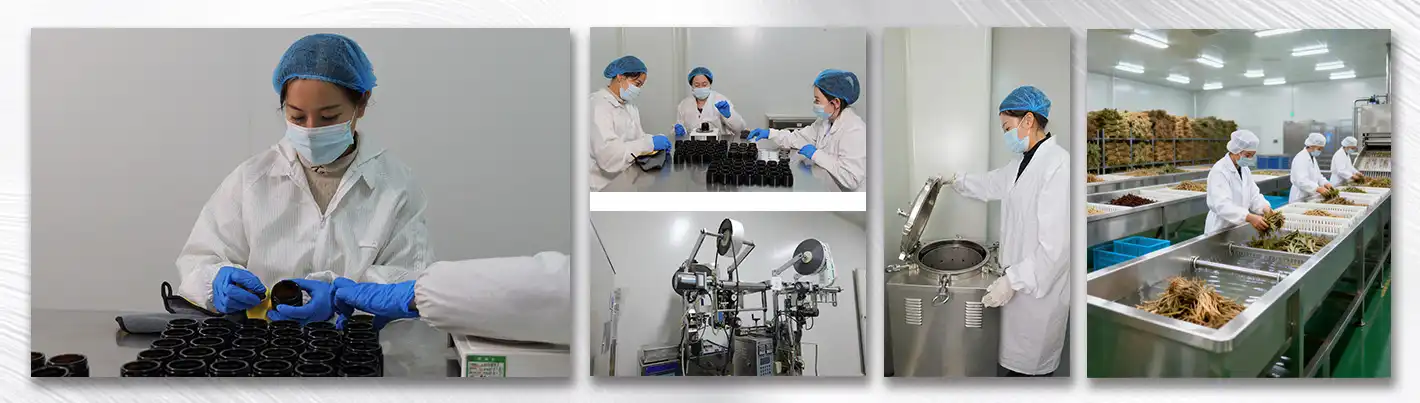
If you find a firm that offers bulk green tea extract powder, it should have GMP certification, USDA Organic accreditation or something similar, and non-GMO verification. You should not ask for paper ones only. Request product samples and third-party testing results showing compliance with USP or European Union requirements for heavy metals, flavonoid standardization, and residual solvents under 5,000 ppm (if ethanol is used).
Supply Chain Transparency
Looking to purchase bulk green tea extract powder? Ask purchasers for confirmation of where they got the raw ingredients, records of how they created the powder, and information on how stable the powder is. Those that produce things and are honest do it straight away. Forms people will tend to perceive things that aren’t apparent as indicators that there are flaws in the supply chain that are going to create difficulties later on.
Avoiding Common Pitfalls
When you purchase green tea extract, you take three risks. And first of all, the label that told you how much polyphenol it had was incorrect. Both tests, the UV light and the HPLC results, need to be validated. UV light colorimetric data might be inaccurate. Second, it doesn’t specify how much caffeine is in the extract. Natural caffeine content ranges from 2% to 10%. If you need your extract to be decaffeinated (less than 0.5%), ask the vendor to employ supercritical CO₂ extraction, which takes the caffeine out but leaves the EGCG in place. But there is also the problem of hygroscopic caking when things are handled incorrectly. 3. Store the extract below 25°C. 4. Pack the extract in double-sealed polyethylene bags of food-grade material within fiber drums.
Maximizing the Benefits of Organic Green Tea Extract Powder in Your Products
Dosage and Format Guidelines
In nutrition journals that experts have read, taking 200 mg to 800 mg of EGCG every day has been shown to speed up metabolism and fight free radicals. One serving of a certain brand of supplement has 400 mg to 600 mg of standardized organic green tea extract powder. Most of the time, 100 mg to 300 mg per dish is enough to make the food taste good.
Managing Caffeine Sensitivity
It's good to know what kind of caffeine is in something. Putting the type of green tea extract powder used on the package makes it easier for customers to decide what to buy and cuts down on returns. When brands say this on purpose, people trust them more, whether they're in a store or buying in bulk.
Differentiating Through Organic Certification
The Organic Trade Association said in a report that the USDA Organic seal makes people much more likely to buy a supplement. If a company buys from another company and then sells to stores, using certified organic green tea extract powder can help their clients stand out. This isn't just making vague claims about "natural" things.
Conclusion
You can use organic green tea extract powder to make vitamins, foods, drinks, and products. It is a tried-and-true plant ingredient. That it is organic, dissolves easily, and has the same amount of polyphenols and EGCG makes it a good choice for U.S. companies that make products for people who care about their health. Green tea extract powder that has been accepted is a good choice and a way for people who work in buying to take a risk. You can be sure that your supply chain will be stable enough to grow because they are clear and okay.
FAQ
1. Is organic green tea extract powder the same as matcha?
No. Matcha is a whole-leaf powder ground from shade-grown Camellia sinensis leaves. Organic green tea extract powder is a concentrated, solvent-extracted ingredient standardized to specific polyphenol levels. Extract powder offers far higher EGCG concentrations — often 45% or more — compared to matcha, which typically contains 2%–5% EGCG by weight. For supplement formulation, extract powder provides precise dosing that matcha cannot match.
2. How do I verify the purity of a batch?
Request HPLC test reports for Total Catechins and EGCG content, a UV-based polyphenol assay, and third-party heavy metal and pesticide residue testing. COA documents should reference batch numbers traceable to production records. Any reputable organic green tea extract powder supplier provides this documentation as standard practice.
3. What are the main side effects to watch for?
At high doses, EGCG may cause mild gastrointestinal discomfort or interact with certain medications. Products should carry clear dosage guidance. For consumers sensitive to stimulants, specifying decaffeinated organic green tea extract powder in your formula is the straightforward solution.
4. What is the shelf life of the extract powder?
When stored correctly — in sealed, food-grade packaging below 25°C, away from moisture and direct light — organic green tea extract powder maintains its potency for 24 months.
Partner With BioSpark for Certified Organic Green Tea Extract Powder
BioSpark (Xi'an) Biotechnology Co., Ltd. has been in business for a long time and makes organic green tea extract powder that is organic. They do both OEM and ODM work, which means they source the ingredients and also manufacture the goods. It is non-GMO, USDA Organic, and GMP, and we can fully trace each batch back to where it came from. We have flexible space and reliable shipping around the world, so you can test small amounts or make a lot of things at once. You can get a sample or a price by going to emailing us at leao@biosparkcn.com.
References
1. Khan, N., & Mukhtar, H. (2013). Tea and health: Studies in humans. Current Pharmaceutical Design, 19(34), 6141–6147.
2. Chacko, S. M., Thambi, P. T., Kuttan, R., & Nishigaki, I. (2010). Beneficial effects of green tea: A literature review. Chinese Medicine, 5(1), 13.
3. Rains, T. M., Agarwal, S., & Maki, K. C. (2011). Anti-obesity effects of green tea catechins: A mechanistic review. Journal of Nutritional Biochemistry, 22(1), 1–7.
4. Reygaert, W. C. (2018). Green tea catechins: Their use in treating and preventing infectious diseases. BioMed Research International, 2018, Article 9105261.
5. Organic Trade Association. (2023). 2023 Organic Industry Survey. Organic Trade Association.
6. Singh, B. N., Shankar, S., & Srivastava, R. K. (2011). Green tea catechin, Epigallocatechin-3-gallate (EGCG): Mechanisms, perspectives, and clinical applications. Biochemical Pharmacology, 82(12), 1807–1821.

Send Inquiry
Related Industry Knowledge
- Where to Buy Certified Organic Green Tea Extract Powder?
- Can Eggshell Membrane Peptide Be Used in Cosmetics?
- How Are Fish Collagen Peptides Used in Functional Foods?
- What Should Buyers Know About Eggshell Membrane Peptide?
- Is gotu kola extract powder backed by traditional herbal medicine?
- Pure Corn Extract Powder vs Corn Starch: What’s the Difference?
- Could Bitter Melon Extract Powder Fit Weight Management Products?
- What are the antioxidant benefits of snow lotus powder?
- Saffron Extract Powder 10:1: Science-Backed Benefits Explained
- How does Ilex Leaf Extract Enhance Metabolic Health?