_1764041963888.webp)
Saffron Extract Powder 10:1: Science-Backed Benefits Explained
Apr 22, 2026
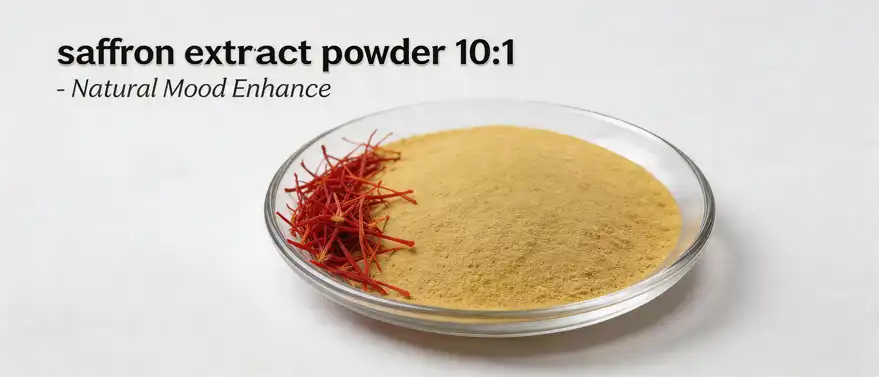
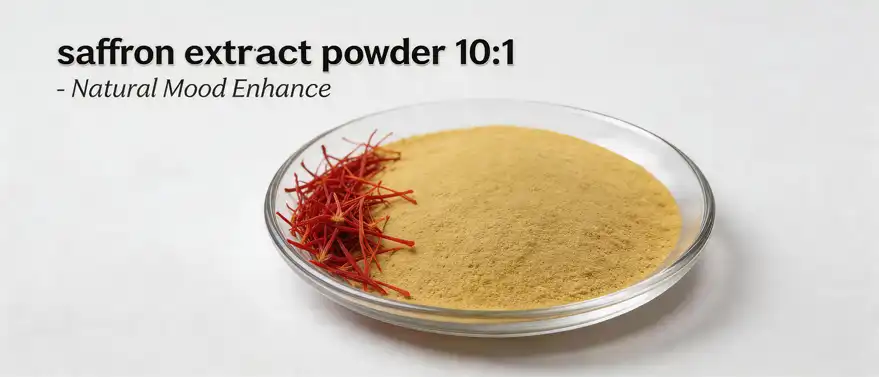
When companies look for high-quality plant-based products that have been used for hundreds of years and have been supported by modern research in current studies, saffron extract powder 10:1 stands out as a powerful option. This pure extract comes from the red stigmas of the Crocus sativus L. plant and is equivalent to 10 kg of raw saffron stigmas concentrated into 1 kg of extract powder. It has the exceptional strength and batch-to-batch consistency. This standardised extract is full of bioactive compounds like crocin, safranal, and picrocrocin. Nutraceutical companies, supplement brands, and cosmetic manufacturers need it to make sure their products meet strict quality standards and appeal to today's health-conscious consumers.
Understanding Saffron Extract Powder 10:1
What Does the 10:1 Extraction Ratio Mean?
For every 10 parts of raw saffron stigmas that are handled, one part of concentrated powder is made. This is what the 10:1 ratio means. This way of concentrating keeps the thermolabile bioactives responsible for its functional properties while getting rid of the extra plant material. Whole saffron threads' potency changes a lot depending on how they were grown and when they were harvested, but concentrated extracts always have the same amount of active ingredients. We use advanced low-temperature vacuum concentration along with ultrafine milling technology to make them. This method keeps the purity of bioactives that are damaged by heat while getting excellent solubility in water and alcohol. The end result is a bright orange-red powder that mixes easily with different bases for formulations, such as healthy drinks and skin serums.
Bioactive Composition and Nutritional Profile
The unique carotenoid and volatile compound profile of saffron extract powder is what makes it work. Crocin, the water-soluble carotene that gives saffron its unique colour, is a powerful antioxidant that protects cell structures from damage caused by free radicals. Safranal gives the scent its uniqueness and also helps calm people down and protect their brains. Picrocrocin, the bitter precursor compound, has shown may support emotional well-being in clinical research. Quality extracts keep constant levels of these compounds, usually aiming for crocin levels between 2 and 5 per cent and safranal levels that stay the same. This standardisation makes sure that every batch works the same in your formulas, getting rid of the differences that come with using raw plant materials. Advanced HPLC-MS fingerprinting checks for validity and keeps fakes out, which protects your brand's image and the safety of your customers.
Comparing Concentrated Extract to Raw Saffron
Whole saffron threads are highly regarded in the cooking world, but concentrated saffron powder has clear benefits for commercial uses. To get reasonable doses from raw saffron, much larger amounts are needed, which raises the cost of preparation and makes dosage estimates more difficult. Because the extract is more bioavailable, the active ingredients are absorbed more efficiently, which makes the product work better. From a purchasing point of view, concentrated extracts make it easier to keep track of supplies, lower shipping costs, and keep products fresh longer. Manufacturers benefit from potencies that stay the same across production runs, which lets them make exact formulations without the yearly changes that affect crops. These things lead to better cost control and more stable product performance, which are very important for large brands.
Science-Backed Health and Skin Benefits of Saffron Extract Powder 10:1
Mood Enhancement and Mental Wellness
Clinical study has confirmed that saffron can help keep your emotions in check. The extract changes the action of neurotransmitters, especially by making more serotonin and dopamine available in the brain. Taking standardised saffron supplements has been shown in multiple randomised controlled trials to significantly support positive mood and help ease occasional feelings of low mood and nervous tension. This mechanism is may offer mood support through gentle neurotransmitter modulation. Studies usually use doses of 30 to 50 mg of standardised extract every day, and results can be seen in 4 to 6 weeks. Supporting the hypothalamic-pituitary-adrenal axis helps control stress reactions and makes people more resilient against everyday pressures. For supplement companies making mood-boosting goods, saffron extract is a clean-label choice to fake ingredients. Its dual action—supporting neurotransmitters and protecting neurones from damage caused by antioxidants—offers a wide range of mental health benefits that meet the needs of people who want to take a more balanced approach to their emotional health.
Neuroprotection and Cognitive Support
In addition to regulating mood, saffron has notable antioxidant properties. The extract fights neuroinflammation by controlling hormones that cause inflammation and help protect glial cells from oxidative stress caused by free radicals. Chronic inflammation in brain tissue has been linked to memory loss, sadness, and age-related cognitive changes. Crocin's strong antioxidant action protects neurones from oxidative stress and helps mitochondria work properly. Protecting cells in this way can lead to clearer thinking, better attention, and maybe even better memories. According to research, these benefits are seen in people of all ages. This makes saffron-based formulations appealing for both cognitive performance supplements aimed at working professionals and brain health products aimed at older people. Pharmaceutical developers looking for natural neuroprotective agents will find saffron extract's well-documented safety profile and multi-targeted mechanisms especially useful. The extract healthily helps the brain age by working with antioxidants, controlling inflammation, and keeping the balance of neurotransmitters. This makes it a key factor in the next generation of cognitive health products.
Cardiovascular and Anti-Inflammatory Benefits
Saffron is good for your heart because it reduces inflammation and protects against free radicals in arterial cells. The ingredient helps keep blood flowing well by improving capillary function and keeping blood cholesterol profiles at their best. Some of the ways these effects happen are by lowering oxidative stress in arterial walls and changing inflammatory signalling pathways. Studies show that taking saffron extract powder 10:1 supplements on a regular basis may support already healthy blood pressure levels and improve heart health overall. The extract's ability to get rid of free radicals keeps lipid breakdown from happening, which is important for keeping arteries healthy. Because of these benefits, pure saffron powder is a great addition to vitamins for heart health and overall health.
Skin Health Applications in Cosmetics
Saffron powder is used in cosmetics because it brightens skin and helps reduce visible signs of skin aging. Crocin stops the production of melanin by blocking the activity of tyrosinase, an enzyme that makes pigments. This process evens out skin tone naturally, without using harsh chemicals to bleach it. The extract's antioxidant properties also protect tissue structures from UV damage and external stresses. This protection helps keep collagen and elastin in good shape, which keeps the skin tight and lowers the signs of ageing that you can see. Natural orange-red pigment can also be used as a clean-label colourant in high-end skin care products, so manmade dyes aren't needed. Skin care brands that use saffron extract can market their products as high-end, naturally-derived treatments backed by science. The ingredient's ability to do two things—measurably benefit the skin and make the product look better—fits perfectly with the clean beauty trends that are currently ruling the personal care market.
How to Choose the Best Saffron Extract Powder 10:1 for Your Business
Critical Quality Indicators and Certifications
To choose high-quality saffron extract, you need to look at a number of quality indicators. Organic approval proves that crops were grown without using manmade fertilisers or pesticides, which is appealing to people who like natural products. Third-party testing results that prove heavy metal limits, microbe counts, and chemical levels show that safety is a priority. Standardisation paperwork is very important. Suppliers should give Certificates of Analysis that show the exact amounts of crocin, safranal, and picrocrocin in each batch. This information allows for exact preparation and makes sure that the product always works the same way. Instead of depending only on eye inspection, look for providers that use advanced analysis methods like HPLC to check the compounds. Manufacturing qualifications are very important. Supply chain risk is lower in places that follow GMP guidelines, have ISO certifications, and keep up full quality management systems. These credentials show organised ways of preventing contamination, keeping track of batches, and always making the quality better—important things to keep in mind when your brand's image rests on the honesty of your ingredients.
Comparing Extraction Ratios and Alternative Botanicals
Even though 10:1 is a common concentration level, knowing the differences between them helps make design methods work better. Higher ratios, like 20:1, give you more concentration, but because the process takes longer, you may lose some volatile compounds. The 10:1 ratio is the best mix between strength and keeping thermolabile components. When comparing saffron to other mood-boosting plants, you should look at clinical evidence and how well-known the plant is among consumers. Even though St. John's Wort has been studied a lot, it interacts badly with many drugs. Rhodiola is an adaptogen, but it doesn't help with both mood and cognition like saffron does. Recent clinical studies and rising customer interest in saffron put it in a good place in the supplement market, which is very competitive. A price-performance study should take into account medicinal amounts and doses. Saffron extract is more expensive than some plants, but because it is so potent, smaller amounts are needed to get the same effect. When figuring out the economy of a finished product, this speed can make up for higher costs per kilogram.
Economic Considerations and Supplier Credentials
The prices for large amounts of saffron extract powder depend on the level of approval, the concentration standards, and the number of orders. At the moment, market prices are usually between modest and high levels. This is because growing and preparing them carefully requires a lot of work. To make reasonable budgets, you need to know that high-quality saffron extract is an expensive ingredient. Checking the reputation of a seller is more than just comparing prices. Check the partners' production ability to make sure they can grow with you. Read comments from past clients and ask current buyers in similar markets to give you contact information for references. Suppliers who have strong, multi-year relationships with well-known brands show that they are reliable and consistently deliver high-quality goods. Being open about where their raw materials come from also boosts seller trust. Reliable makers can track saffron back to specific areas where it was grown and show that the supply chain is safe from the farm to the finished extract. This traceability is becoming more important as regulations get stricter and customers expect that products are sourced in an ethical and environmentally friendly way.
Procurement Guide: Buying Saffron Extract Powder 10:1 in Bulk
Identifying Trusted B2B Platforms and Suppliers
To find pure saffron extract, you have to deal with a lot of different sellers, manufacturers, and trade middlemen. When you work directly with a maker, you can usually get better quality control, more customisation options, and lower prices. Companies like BioSpark make plant extracts and keep their supply lines under tight control, from getting the raw materials to packing the end product. B2B markets offer tools for finding suppliers, but they need to be carefully checked out. Give more weight to sellers who can provide a lot of paperwork, like manufacturing licenses, export approvals, and qualifications for their quality management system. To check for stability over time, ask for multiple batch test results instead of single samples. Virtual factory tours or third-party audits can give you extra peace of mind if you can't make it to the plant in person. Suppliers with a good reputation are happy to be inspected and will gladly share paperwork that shows they meet foreign standards. This level of openness sets professional makers apart from selling companies that don't have as much control over quality.
Assessing Manufacturer Reliability and Capacity
Evaluating providers' production ability for saffron extract powder 10:1 makes sure they can meet both present needs and growth in the future. Ask about the amount of work that is done each year, the waiting times during busy times, and the amount of space that is set aside for current customers. Knowing the schedule for production helps you guess when products will be available and plan your supplies accordingly. Manufacturing flexibility is important when creating a wide range of products. Can the seller offer different ways to package the goods? Do they offer unique standardisation to certain levels of safranal or crocin? What are the minimum order amounts for saffron extract powder 10:1, and how do they change as promises for more are made? These practical details affect how long it takes to make a product and how much working capital is needed. Customer feedback is very helpful for understanding how well a provider is doing. Ask for examples from businesses that have similar buying patterns and uses for your saffron extract powder 10:1. Ask specific questions about how reliable delivery is, how quickly problems with quality are fixed, and how expert help is provided while the product is being developed. Long-term relationships depend on more than just high-quality saffron extract powder 10:1. They also depend on business excellence.
Pricing Structures and Order Optimisation
Understanding the parts of prices helps you bargain better and keep costs down. Base prices usually take into account levels of standardisation, concentration, and approval. Volume prices encourage bigger promises, but you have to weigh the savings on each unit against the costs of keeping inventory. Minimum order amounts depend on the seller and the product. Standard extracts may have smaller MOQs, but special formulas need bigger pledges to cover the costs of setup. Negotiating good payment terms, like partial deposits with the balance due upon inspection, protects working capital and shows commitment. Strategic buying looks at both price optimisation and supply security. Diversifying your providers lowers the risk of disruption, but you may lose some of your market advantage. Some businesses keep working with their main suppliers while also checking out alternative sources in case the main ones fail. This method strikes a balance between lowering costs and making the supply chain more reliable, which is very important for keeping production going.
Conclusion
More and more scientific proof shows that saffron extract powder 10:1 can improve your happiness, protect your neurons, and improve the health of your skin. This makes it an important nutrient for brands that want to stay ahead of the curve. Its unique mix of traditional knowledge and current scientific proof meets the needs of people who want natural health solutions that are backed by study. Businesses that want to make smart purchasing choices need to know about quality indicators, seller records, and how the market works. This way, they can make decisions that protect their brand's image and give real value to customers. As the market for supplements for mental health continues to grow and the concept of "clean beauty" changes the way products are made, smart relationships with reputable makers will make sure that you can get high-quality ingredients that meet rising quality standards.
FAQ
What exactly does the 10:1 ratio mean in saffron extract powder?
The 10:1 concentration ratio indicates that ten kilograms of raw saffron stigmas are processed to yield one kilogram of concentrated extract powder. This concentration removes plant fibre and moisture while preserving bioactive compounds, resulting in significantly higher potency compared to raw material. This standardisation enables precise formulation and consistent product performance across batches.
How do I determine appropriate dosages for product development?
Clinical studies typically employ 30-50 mg daily of standardised extract for mood support applications, with some research using up to 100 mg for specific targeted applications. Dosage recommendations should account for your extract's standardisation level, intended health claims, and target consumer population. Consulting with formulation specialists and regulatory advisors ensures dosages align with both safety and traditional use profiles and compliance requirements for your target markets.
What distinguishes organic from conventional saffron extracts?
Organic certification verifies cultivation without synthetic pesticides, herbicides, or fertilisers, meeting standards set by certifying bodies like the USDA or EU organic programs. Beyond agricultural practices, organic products appeal to environmentally conscious consumers and command premium positioning. However, both organic and conventional extracts can meet quality standards when properly processed and tested. Your choice should reflect brand positioning and target market preferences.
Partner with BioSpark for Premium Saffron Extract Powder 10:1
BioSpark (Xi'an) Biotechnology Co., Ltd. stands ready to support your product development with pharmaceutical-grade saffron extract powder 10:1 manufactured under strict GMP conditions. Our comprehensive OEM and ODM services address every aspect of product realisation—from initial formulation consultation through final packaging and global logistics coordination. As a dedicated saffron extract powder 10:1 supplier, we maintain rigorous quality control protocols ensuring every batch meets international standards for purity, potency, and safety. Our manufacturing facility combines advanced extraction technology with extensive botanical expertise, delivering standardised concentrations tailored to your specifications. Whether you require small-batch customisation for product development or large-scale production for established product lines, our flexible capacity accommodates diverse business needs. We invite supplement brands, nutraceutical companies, and wellness product manufacturers to explore partnership opportunities. Contact our technical team at sales@biosparkcn.com to discuss your requirements and request detailed product specifications. Visit www.biosparkcn.com to review our complete botanical extract portfolio and discover how BioSpark's reliable supply chain solutions can strengthen your competitive position.
References
1. Moshiri, M., Vahabzadeh, M., & Hosseinzadeh, H. (2015). Clinical applications of saffron (Crocus sativus) and its constituents: A comprehensive review. Drug Research, 65(6), 287-295.
2. Lopresti, A. L., & Drummond, P. D. (2014). Saffron (Crocus sativus) for depression: a systematic review of clinical studies and examination of underlying antidepressant mechanisms of action. Human Psychopharmacology: Clinical and Experimental, 29(6), 517-527.
3. Pitsikas, N. (2016). The effect of Crocus sativus L. and its constituents on memory: basic studies and clinical applications. Evidence-Based Complementary and Alternative Medicine, 2016, Article ID 4340908.
4. Hosseini, A., Razavi, B. M., & Hosseinzadeh, H. (2018). Pharmacokinetic properties of saffron and its active components. European Journal of Drug Metabolism and Pharmacokinetics, 43(4), 383-390.
5. Koocheki, A., Mortazavi, S. A., Shahidi, F., Razavi, S. M., & Taherian, A. R. (2010). Rheological properties of mucilage extracted from Alyssum homolocarpum seed as a new source of thickening agent. Journal of Food Engineering, 91(3), 490-496.
6. Bathaie, S. Z., & Mousavi, S. Z. (2010). New applications and mechanisms of action of saffron and its important ingredients. Critical Reviews in Food Science and Nutrition, 50(8), 761-786.

Send Inquiry
Related Industry Knowledge
- What Are the Main Health Benefits of Ginseng Plant Extract?
- Looking for Trusted American Ginseng Extract Powder Exporters?
- Best Tongkat Ali Extract Powder: Buyer’s Complete Guide
- White Willow Bark Extract Powder: Benefits for Pain Relief?
- White Willow Bark Extract Powder: Bulk Supply Buying Guide
- What Is Rosa Roxburghii Tratt Extract Used For?
- High-Purity Apple Peel Extract Powder for Supplements
- Indian Herbal Extracts Trends for 2026 Wellness Brands
- Why Tribulus Terrestris Extract Powder Is Trending in 2026?
- Do Ganoderma Extract Powder Benefits Justify the Cost?