_1764041963888.webp)
Pure Corn Extract Powder vs Corn Starch: What’s the Difference?
Jun 26, 2026
Knowing the main difference between Pure Corn Extract Powder and corn starch is important for the success of your product development when you're looking for ingredients for nutraceuticals, dietary supplements, or functional foods. The bioactive concentrate in Pure Corn Extract Powder comes from non-GMO corn and is made using modern extraction technology that keeps important nutrients like zeaxanthin, lutein, and corn polysaccharides. On the other hand, corn starch is a processed carbohydrate that is mostly used to thicken things and doesn't have much nutritional value. The difference impacts everything from how the recipe turns out to how it is positioned by regulators. This means that the ingredient you choose is more of a strategic choice than a simple change.
Understanding Pure Corn Extract Powder and Corn Starch
What Is Pure Corn Extract Powder?
Pure Corn Extract Powder is a concentrated plant-based ingredient that is made by spray drying and supercritical extraction. The production process keeps heat-sensitive substances safe while getting rid of moisture and other useless parts. High-Performance Liquid Chromatography tests show that our product at BioSpark has zeaxanthin levels between 5% and 20%. A fine powder that is yellow to orange-yellow in color and smells like corn. It dissolves slightly in water but rather easily in oils. Several beneficial parts are extracted, such as lutein (1-3%), corn polysaccharides (20-50%), corn peptides (5-15%), ferulic acid (0.1–0.5%), and phytosterols (0.5–2%).
The Nature of Corn Starch
Wet grinding takes the endosperm of corn kernels and turns it into corn starch. To make a white, flavorless powder, manufacturers remove the starch granules from the protein, fiber, and oil parts. They then wash and dry the granules. This polymer of carbohydrates is mostly made up of amylose and amylopectin chains. Its ability to turn into thick solutions when heated with water is useful in industry for thickening sauces, holding ingredients together, and giving prepared foods structure. Starch doesn't have any important vitamins, minerals, or phytonutrients like plant products do.
Key Compositional Differences
The chemical makeup of these ingredients is very different from one another. Pure Corn Extract Powder has set amounts of vitamins, carotenoids, carbohydrates, peptides, and phenolic acids, which work together to support many health functions. The amount of flavonoids is at least 2%, the amount of carbohydrates is over 30%, and the amount of protein is between 5 and 10%. The ash content stays below 3%, and the moisture level stays below 5%. This keeps the product stable while it is being stored and made. About 90% of corn starch is made up of carbs. It has very little protein, almost no fiber, and almost no micronutrients. This compositional gap tells you what each part does in your product development strategy.
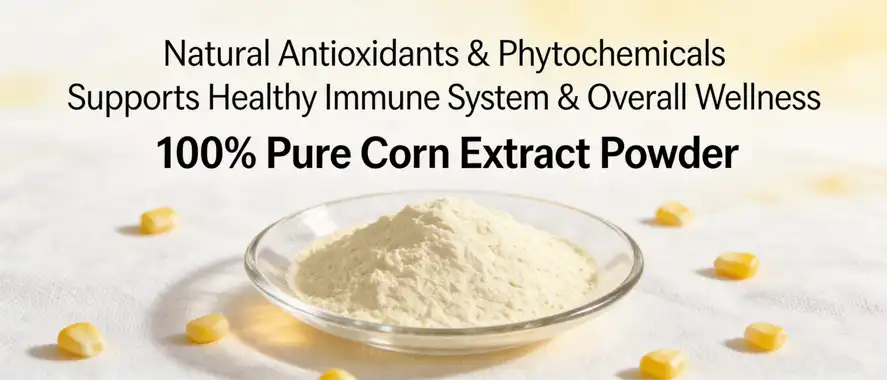
Comprehensive Comparison: Pure Corn Extract Powder vs Corn Starch
Functional Performance Attributes
When it comes to thickening, corn starch works best at adding stickiness to water-based systems at amounts of 2 to 8 percent. When you heat the powder, it turns into gelatin, which forms networks that trap water molecules. When the pH is below 4 and the temperature stays high for a long time, the performance goes down, which can lead to syneresis or breakdown. Freeze-thaw stability is still not good, which limits its use in frozen or cold foods.
There are different ways that Pure Corn Extract Powder works. Although the polysaccharide part slightly increases the viscosity, its main purpose is to add nutrients and not change the taste. Zeaxanthin and lutein give plants their native color and protect them from damage with antioxidants. Because ferulic acid is stable from pH 3 to 9, the extract can be used in a wide range of manufacturing settings. Corn peptides add flavor notes and more protein without making the taste boring like pure starch does. Your choice will rely on whether the product's useful benefits or textural features meet your needs.
Nutritional and Health Impact
The food difference has a huge effect on positioning strategy. Pure Corn Extract Powder is a useful ingredient that backs up certain health claims. Zeaxanthin and lutein build up in the macula, blocking blue light and keeping retinal cells safe from damage caused by free radicals. There is clinical proof that they help keep your eyes healthy and lower your chance of age-related macular degeneration. Corn polysaccharides have prebiotic qualities that support immune regulation and feed the good bacteria in the gut. The peptide part shows antioxidant activity and might have benefits that are good for heart health by blocking ACE.
Simple carbs are all that cornstarch gives you in the form of calories. Because it has a high glycemic index, it raises blood sugar quickly, so it can't be used in diabetic-friendly goods or metabolic health products. Starch is only used as a filler or excipient; it doesn't contain any vitamins, minerals, or beneficial substances. This limitation is important when rules or customer standards call for ingredients to provide significant nutritional benefits.
Quality Standards and Procurement Considerations
The quality control methods for these products are very different from one another. BioSpark's Pure Corn Extract Powder has ISO9001, GMP, FDA, Kosher, and Halal certifications, which means it is legal in all foreign markets. Each batch goes through HPLC testing to make sure it meets the zeaxanthin standards, microbial testing to make sure it is safe, and heavy metal screening to make sure it doesn't go over the pharmacopeial limits. The constant bioactive content makes it possible to make consistent formulations, which is very important for supplement makers who need batch-to-batch dependability.
Buying corn starch is based on how pure it is for food use and how it works, such as its viscosity grade or amylose-to-amylopectin ratio. Prices are usually cheaper because the item is made on a large scale, but it doesn't add much to the uniqueness of your products. Pure Corn Extract Powder costs more because it has more beneficial ingredients, can be traced back to non-GMO sources, and comes with a lot of quality paperwork. The funding will help with marketing, provide regulatory support for health claims, and match customer tastes for natural, nutrient-dense ingredients.
Practical Uses and Procurement Insights for B2B Clients
Industrial Application Sectors
Pure Corn Extract Powder is used in many areas that need useful ingredients that have been shown to be good for you. Formulators of food supplements use the material to make goods that help with vision. Zeaxanthin is often mixed with other carotenoids, vitamins, and minerals. The solubility characteristics of the ingredient can be accommodated in capsule, pill, and powder forms. The extract is used by people who make functional drinks to add antioxidants and natural color because it stays stable in liquids. Cosmetic companies use ferulic acid's ability to reduce inflammation and improve the skin in anti-aging serums, sunscreens, and skin barrier repair products. Pharmaceutical uses include eye drops and immune system boosters where the bioactive material is defined to meet pharmacopeial standards.
Corn starch is used a lot in food processing to make soups, sauces, gravies, and pie fillings thicker. Tablet binders, disintegrants, and excipients in solid dose forms are all used in pharmaceuticals. It can be used as an absorbent powder or to change the appearance of pressed powders or dry shampoos for cosmetic purposes. The ingredient is very common because it is cheap and works in a reliable way, but it can't do jobs that need specific biological activity or nutritional input.
Sourcing Strategy and Supplier Evaluation
To successfully buy Pure Corn Extract Powder, you need to carefully check out the suppliers. Look at the manufacturing skills, such as the ability to use extraction technology, set up a facility for analytical testing, and make enough to go from small pilot runs to big business amounts. Ask for Certificate of Analysis papers that show HPLC confirmation of zeaxanthin content, results of microbial tests, and screening for chemical residues. Check the company's transportation skills for all types of shipping: express for samples, air freight for urgent orders, and sea freight for cheap bulk exports. Payment terms like T/T make deals go more smoothly, and shipping terms like FOB, CIF, and DDP can be changed to meet your needs as an importer.
BioSpark keeps enough in stock to offer fast shipping, and the minimum order size is just 1 kg, which makes it perfect for testing new formulations before making bigger purchases. Our 25 kg drum packaging strikes a good mix between being easy to handle and saving you money. You can make your product line stand out without having to spend money on extraction equipment with OEM and ODM services that support private labeling, custom specs, and custom packaging solutions.
Pricing Negotiation and Long-Term Partnerships
The prices of Pure Corn Extract Powder are based on the costs of the raw materials, the returns of the extraction process, the costs of quality tests, and the complexity of the supply chain. When adding an ingredient to core products, long-term contracts are helpful because they usually get better rates when you agree to a certain volume. Talk about making batch reservations during times of high demand to make sure there is a steady supply. Make quality agreements that spell out what is acceptable, how to settle disagreements, and what is expected in terms of ongoing growth. When you tell sellers exactly what you need for your application, they can figure out the best way to do it. This could lead to higher results and lower costs over time.
Addressing Common Concerns: Safety, Side Effects, and Quality Assurance
Safety Profile and Usage Guidelines
Pure Corn Extract Powder is very safe when used in the amounts that are suggested. Zeaxanthin supplements usually contain between 2 and 10 mg per day, which can be reached by adding extracts at rates ranging from 0.1 to 1%, based on the quantity of zeaxanthin. The nutrient comes from foods that have been safe to eat for a long time, which makes it easier for most places to regulate new foods. There aren't many allergen concerns because corn allergies only affect a small group of people compared to big allergens like soy, dairy, or nuts. Product labels should still list chemicals that come from corn to let sensitive people know about them.
Some possible side effects at high doses are stomach pain from eating a lot of polysaccharides or light skin coloring (called carotenodermia) from eating a lot of carotenoids for a long time. When the dose is lowered, these benefits go away, and there are no health risks. Similar corn extracts have been tested for reproductive toxicity and genotoxicity and have shown no negative results. This means that normal supplementation amounts are safe for women who are pregnant or breastfeeding.
Quality Control and Certification Importance
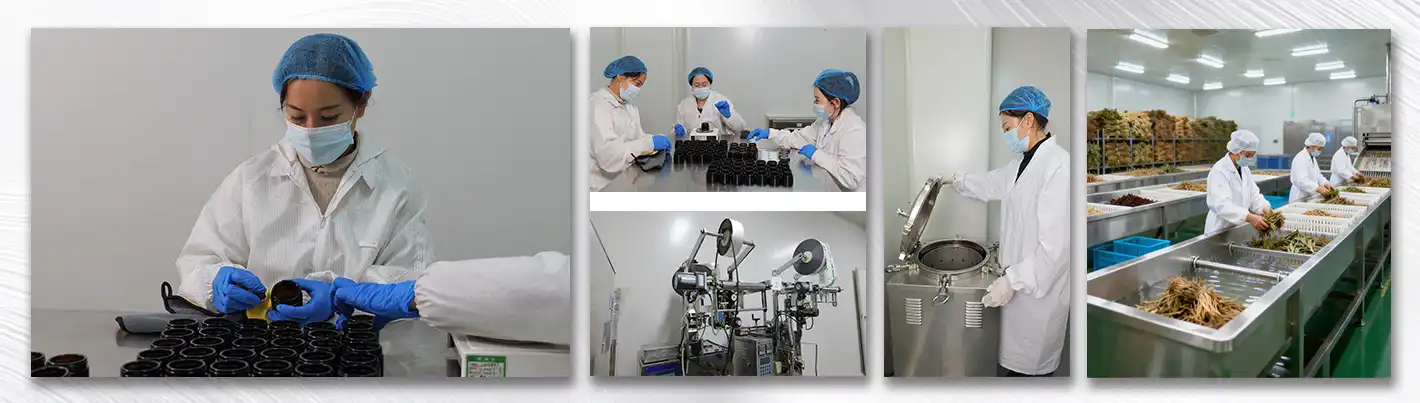
Suppliers with a good reputation are separated from commodity dealers by strict quality control. At BioSpark, we check arriving raw materials to make sure they are non-GMO and don't have any pesticide residues. During extraction, in-process tracking keeps an eye on temperature trends, the effectiveness of liquid removal, and the retention of bioactive substances. Finished product testing includes confirming the product's identification using HPLC fingerprints, measuring the amount of marker chemicals present, counting the number of microbes present, screening for heavy metals like lead, cadmium, mercury, and arsenic, and analyzing solvent residues. Predicting shelf life and giving advice on how to store things are based on stability studies done under fast conditions.
Certifications prove that quality methods and standards for getting into a market are met. ISO9001 shows that management methods should be the same for everyone. Following GMP rules makes sure that places where medicines are made are clean and have the right paperwork. FDA registration makes it easier to get into the U.S. market, and Kosher and Halal licenses meet the food law needs of certain groups of customers. Certification groups do audits that are done by a third party. This gives buyers who can't do their own facility inspections more trust.
Why Leading B2B Buyers Prefer Pure Corn Extract Powder
Nutritional Superiority and Market Positioning
Picky buyers know that Pure Corn Extract Powder helps products stand out more than recipes that only use useful ingredients like starch. The rich carotenoids, polysaccharides, and phenolic substances are good for your health, as the description says. Marketing materials stress the benefits of natural plant-based nutrition, antioxidant protection, and specific support for immune or eye health. Consumer studies show that people constantly choose known plant ingredients over synthetic additives or nutritionally empty fillers. This means that people are more likely to buy and stay loyal to a brand.
Because the element is so flexible, it can be used in a wide range of products. A single stock of Pure Corn Extract Powder can be used for useful foods, antioxidant complexes, beauty-from-within cosmetics, and eye supplements. This consolidation makes it easier to buy things, lowers the cost of keeping goods, and improves relationships with suppliers by committing to more quantities.
Supply Chain Reliability and Scalability
Suppliers who have been in business for a while and offer Pure Corn Extract Powder keep their supply chains strong with farming relationships, processing capacity backups, and inventory buffers. When it comes to production, BioSpark can handle anything from small development batches to big commercial amounts that meet known product demand. We allow for flexible buying patterns as your business grows, so you don't have to worry about minimum order quantities that hurt new businesses or penalties for volume breaks that hurt businesses that are growing.
Keeping enough stock on hand and controlling logistics partnerships between rush couriers, air freight forwarders, and ocean shipping lines are key to making sure deliveries happen on time. You can choose from different shipping terms, such as EXW, FOB, CIF, and DDP, which let you shift duty and risk based on your needs and preferences. Clear communication about production plans, inventory levels, and possible supply problems helps with planning and avoiding stock-outs that hurt relationships with customers.
Emerging Trends Favoring Botanical Extracts
As the market changes, products like Pure Corn Extract Powder become more popular than other options. As more people look into where ingredients come from and how products are made, the demand for organic and non-GMO products grows. As part of the "clean label" movement, fake chemicals, colors, and parts that have been processed a lot are being thrown out. This makes room for natural extracts that provide both function and nutrients. As time goes on, regulations are getting tighter about health claims. This means that goods made with bioactives that have been studied in clinical settings will be rewarded more than marketing hype that isn't backed up by ingredient profiles.
New technologies in the field of extraction science increase the amount of useful material that can be used, lower the cost of processing, and protect the environment by recovering solvents and using energy more efficiently. These new developments make expensive botanical ingredients more competitive with commodity options in terms of total cost of ownership. This is taken into account when differentiating the product, setting a higher price, and lowering the amount of money needed for marketing to get the product accepted by the market.
Conclusion
There are many more differences between Pure Corn Extract Powder and corn starch besides just replacing one ingredient with another. These differences include nutritional value, functional performance, regulatory positioning, and market differentiation. In food and medicine, corn starch is used to add texture, but it doesn't have any real health benefits or business benefits in the nutraceutical and functional food groups. Pure Corn Extract Powder contains high amounts of bioactives like zeaxanthin, lutein, polysaccharides, and phenolic substances that support health claims and meet customer preferences for natural, nutrient-dense ingredients. When you make a purchase choice, you should weigh short-term cost concerns against long-term brand positioning, legal compliance, and market trend alignment to find the ingredient that will give you a long-term competitive edge.
FAQ
Can pure corn extract powder completely replace corn starch in industrial formulations?
How easy it is to replace something depends on your design goals. When thickening or gelling is the main goal, like in gravies, puddings, or tablet binding, corn starch is still the best ingredient because it can build viscosity better than other ingredients. At similar amounts, Pure Corn Extract Powder can't do these things with texture. On the other hand, Pure Corn Extract Powder is better than flour when you want to add nutrients, protect against free radicals, add natural color, or back up a health claim. Adding both sugar and Pure Corn Extract Powder can help many recipes work better by adding texture and nutritional content, respectively.
What should I consider when purchasing pure corn extract powder in bulk?
Prioritize verifying suppliers by asking for third-party audit reports, visiting manufacturing sites, and looking at their scientific testing capabilities. Make sure that the specs, especially the amount of zeaxanthin and the testing method, meet your recipe needs. Talk about quality agreements that spell out acceptance standards, sample rules, and ways to settle disagreements. Check out the logistics options, such as the storage space, packing choices, and shipping terms that can be changed. Talk about volume commitment models to get better prices while still being able to adapt to changes in demand. Set up rules for communication that will make sure everyone is kept up to date on output plans, inventory levels, and possible problems in the supply chain.
Partner With BioSpark for Premium Pure Corn Extract Powder Supply
For your product creation to go well, you need a partner you can trust who can provide you with quality ingredients, professional know-how, and a reliable supply chain. BioSpark is a Pure Corn Extract Powder producer that works with wellness product formulators, health supplement brands, and nutrition companies in North America and other places. Our spray-dried extract has a normal zeaxanthin content of 5 to 20 percent, which was confirmed by HPLC testing. It also has a lot of certifications, such as ISO9001, GMP, FDA, Kosher, and Halal, which meet your legal compliance needs.
We keep enough in stock to be able to send quickly, from 1 kg orders as little as possible for formulating to 25 kg drums for mass production. Your logistics needs can be met by a range of delivery terms (FOB, CIF, DDP) and shipping ways (express, air, sea). Our OEM and ODM services support private labeling, custom specs, and custom package solutions. This lets you make your product line stand out without having to spend a lot of money on extraction infrastructure. Email our team at leao@biosparkcn.com to talk about your particular needs, get product specifications, and get low prices for your next purchase.
References
1. Sommerburg O, Keunen JE, Bird AC, van Kuijk FJ. "Fruits and vegetables that are sources for lutein and zeaxanthin: the macular pigment in human eyes." British Journal of Ophthalmology, 1998; 82(8):907-910.
2. Johnson EJ. "Role of lutein and zeaxanthin in visual and cognitive function throughout the lifespan." Nutrition Reviews, 2014; 72(9):605-612.
3. Zhang Y, Wang X, Han L, Zhou Y, Sun S. "Structural characterization and immune-enhancing activity of a novel polysaccharide from corn silk." Carbohydrate Polymers, 2016; 137:688-694.
4. Graf E. "Antioxidant potential of ferulic acid." Free Radical Biology and Medicine, 1992; 13(4):435-448.
5. Hou YC, Wang CM, Chang CJ, Chen WH, Huang HH. "Isolation of bioactive peptides from corn protein hydrolysate: antioxidant and angiotensin-converting enzyme inhibitory activities." Food Science and Biotechnology, 2011; 20(6):1531-1537.
6. Fernandes J, Vogtentanz FG, Althoff K, Kliemann PR. "Carotenoid accumulation and biosynthesis in corn (Zea mays L.) kernels: enzymatic and molecular approaches." Journal of Agricultural and Food Chemistry, 2018; 66(29):7859-7866.

Send Inquiry
Related Industry Knowledge
- Baicalin Extract for Inflammation: Does It Really Help?
- Can Kidney Bean Flour Improve High-Protein Food Formulas?
- Why Is Liquorice Extract Powder Popular in Herbal Supplements?
- Why Choose Natural Blueberry Extract Powder for Supplements?
- Inositol Pearl Extract vs Pearl Powder: What’s the Difference?
- Angelica Sinensis Extract Powder for Wellness: Worth Trying?
- Rhizoma Chuanxiong Extract for Migraine Relief Solutions
- Rosa Roxburghii Extract: A Functional Ingredient Guide
- Why Miltiorrhiza Root Extract Powder Enhances Circulation?
- Can Fulvic Acid Powder Help Improve Energy and Mood?