_1764041963888.webp)
What are the antioxidant benefits of snow lotus powder?
May 26, 2026
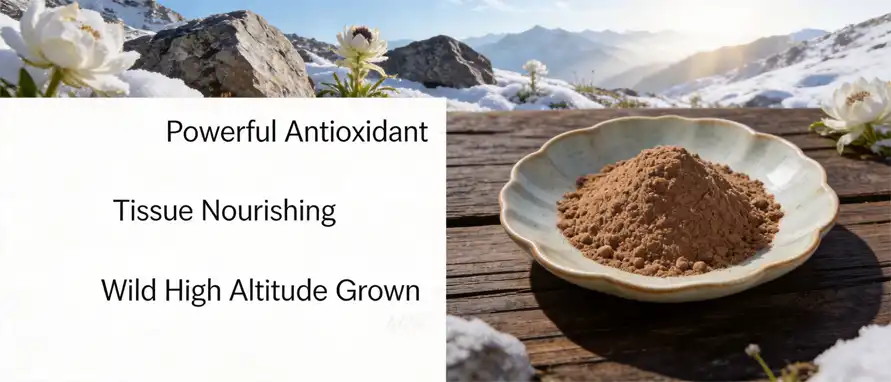
The high abundance of flavonoids, phenolic acids, and polysaccharides in Snow Lotus Powder, which comes from high-altitude mountain plants, makes it a great antioxidant. These bioactive chemicals fight free radicals, lower oxidative stress, and support cellular health. This makes this plant extract useful for making anti-aging skin care products, supplements that boost the immune system, and functional wellness solutions. The powder's antioxidant power comes from the plant's natural ability to survive high altitudes, strong UV light, and harsh conditions. This creates a concentrated profile of beneficial phytochemicals that are great for health and fitness uses.
Understanding Snow Lotus Powder and Its Antioxidant Properties
Botanical Origins and Geographic Significance
Snow lotus (Saussurea involucrata) is suitable to grow in clean highlands above 2,400 meters above sea level in the Tianshan and Himalayas., which are usually found above 2,400 meters, where the temperature drops and UV radiation gets stronger. To live in harsh conditions, this rare mountain plant developed amazing biochemical defenses. It builds up large amounts of protective chemicals that directly translate into strong antioxidant activity. In traditional Central Asian applications, snow lotus is mostly used to support energy, immune health and relieve physical discomfort, not for therapeutic use in modern medicine. Snow lotus is a national protected plant, wild harvesting is strictly prohibited, and this product is entirely from GAP-certified artificial cultivation bases in Xinjiang and Tibet, China, achieving sustainable supply. GAP-certified cultivation sites in China's Xinjiang and Tibet grow Snow Lotus in controlled settings that keep the plant's genetic integrity and keep wild populations from being overharvested.
Key Antioxidant Compounds in Alpine Extracts
Snow Lotus Powder has several types of antioxidant phytochemicals that work together to get rid of reactive oxygen species. In laboratory tests, flavonoids, especially rutin and quercetin, are very good at getting rid of free radicals. These chemicals stop lipid peroxidation, which keeps cell walls from breaking down due to reactive stress, which speeds up the aging process. The extract contains phenolic acids, which help the anti-inflammatory processes and have extra antioxidant benefits. Polysaccharides, which are found in quality extracts at amounts measured at 10–20%, boost the immune system and cell defenses. According to studies published in phytochemistry journals, Snow lotus powder has a high ORAC value in vitro, in vitro experiments show its antioxidant capacity is better than many common plants, which is not equivalent to human efficacy.
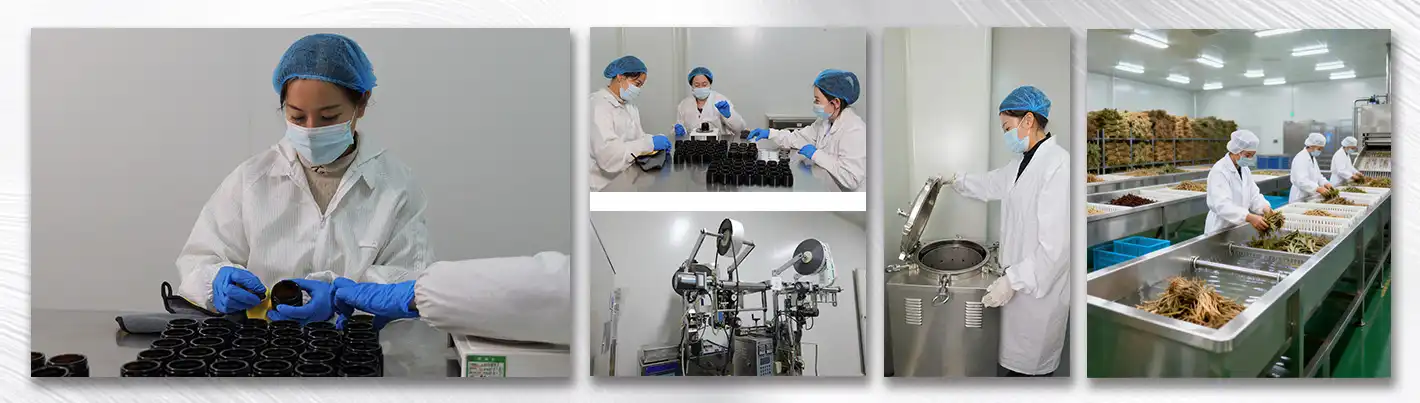
These heat-sensitive bioactives are kept safe by the plant extraction method that uses low-temperature processes. Thin-Layer Chromatography (TLC) confirmed that our 10:1 concentration ratio means that every gram of powder contains the concentrated essence of 10 grams of raw plant material. This means that the strength of each batch of production is the same.
Antioxidant Benefits of Snow Lotus Powder for Health and Industry
Skin Health and Anti-Aging Applications
Botanical ingredients with clinically useful antioxidant activity are becoming more and more important in the cosmetics business. Alpine plant ingredients help with oxidative stress, which is brought on by UV light, pollution, and the natural aging process, which breaks down collagen and elastic networks. Flavonoids in snow lotus help inhibit tyrosinase activity and improve skin pigmentation, not absolutely block melanin production. Beauty companies that make high-end anti-aging serums can benefit from adding controlled Snow Lotus products that are high in flavonoids. Because the powder dissolves mostly in water and only slightly in ethanol, it can be used in a wide range of creams, toners, and emulsions. Concentrations range from 0.1% for general antioxidant protection to 2.0% for intense repair formulas that target obvious signs of aging.
Immune Function and Systemic Health Support
In addition to being used on the skin, Snow Lotus has a lot of potential for use in making food supplements. This plant's adaptogenic qualities help cells deal with physiological stresses like low oxygen levels, physical fatigue, and immune system problems. Polysaccharide fractions help support the activity of immune cells and maintain the body's normal immune status., and flavonoids control inflammation reactions by blocking the NF-κB pathway. Snow Lotus is a good ingredient for supplement brands that want to help people with busy lives, problems related to high altitude, or seasonal immune support. It is easy for the powder to be mixed into capsules, pill bases, and functional drink systems. Because of its characteristic slightly sweet-smelling and light yellow color, it doesn't pose many problems when it comes to formulation, and it gives finished goods a plant identity.
Versatility Across Product Categories
Snow Lotus Powder serves a lot of different types of customers, which gives B2B clients a lot of strategy options. The following areas show that they could be used in business:
- Dietary Supplements: formulas that fight tiredness, boost stamina, and help the immune system use the adaptogenic and antioxidant profile. Starting at just 1 kg, the smallest order quantity lets you test the product before scaling up to business numbers, which are packed in standard 25 kg drums.
- Skincare and Cosmetics: The extract's anti-inflammatory and photoprotective qualities are used in high-end anti-aging treatments, serums that improve the look of skin, and products that heal sensitive skin. The fine powder texture (100–120 mesh) makes it easy to mix with makeup bases.
- Functional Beverages: People who care about their health and want natural energy and vitality support, like water-soluble quick drink mixes and wellness tonics. The powder's fluidity makes it easy to dissolve quickly without using special processing tools.
- Traditional Wellness Products: Herbal pastes, medicinal foods, and tonic wine are all examples of modern medicines that are based on old traditional medicine practices. This is especially useful in Asian markets.
These different uses show why procurement teams like Snow Lotus: it's a flexible material that can be used in many different product lines at the same time, which saves money on inventory and improves relationships with suppliers.
Comparing Snow Lotus Powder to Other Herbal Antioxidants
Potency and Bioactive Profile Distinctions
When making decisions about what to buy, it helps to know how different plant sources compare in terms of their antioxidant capacity and other useful properties. When compared to more popular herbs like ginseng or maca, Snow Lotus has especially high levels of flavonoids. Maca provides nutritional support through amino acids and minerals, and ginseng mainly offers adaptogenic benefits based on ginsenosides. Snow Lotus, on the other hand, has concentrated antioxidant activity that is ideal for oxidative stress uses. In lab tests using DPPH radical scavenging, Snow Lotus extracts always do better than many other plants when the amounts are the same. This plant's biochemistry was shaped by harsh weather conditions that led to defense compound profiles that are rarely seen in plants that grow in temperate areas. In particular, rutin content hits beneficial levels at lower inclusion rates than extracts from the sophora flower or buckwheat.
Market Positioning and Consumer Perception
Different plant sources have different cultural meanings and opportunities to place themselves in the market. Ginseng is well known for its effects on energy and brain function, while turmeric is best known for its ability to reduce inflammation. Snow Lotus Powder has a high status because it is pure, rare, and can survive in harsh conditions. Snow Lotus is a great way for brands that want to stand out from the crowd to attract educated customers who are interested in unique plants with interesting origin stories. The "alpine mystique" of high-altitude plants is very appealing to people who buy high-end beauty products, who are always looking for new ingredients that have been used for a long time and have been proven to work by modern science. Because of this placement, prices can be higher than for common plant extracts.
Organic Versus Conventional Quality Considerations
Differences in quality between organic and standard Snow Lotus products have an effect on both how well they work and how much they cost. Certified organic production has to follow strict farming rules that don't allow manmade chemicals and require proof of where the food comes from. Organic certification is appealing to natural product brands and helps them place themselves in the premium market, but it usually comes with a 15–30% price increase. Conventional farming that uses environmentally friendly methods still makes high-quality products that meet safety standards for heavy metals and chemical leftovers around the world. Our strict quality control makes sure that both organic and traditional choices meet the standards set by the USP and the European Pharmacopoeia. The levels of heavy metals are well below the legal limits (Lead <3 mg/kg, Arsenic <1 mg/kg, Mercury <0.1 mg/kg).
Certification fees should be weighed against the needs of the target market and branding strategies when making choices about bulk purchases. Being able to get both organic and conventional types from the same seller makes buying easier and keeps the formulation the same across all product levels.
Procurement Insights: How to Source High-Quality Snow Lotus Powder with Optimal Antioxidant Benefits
Quality Evaluation and Supplier Assessment
Beyond just comparing prices, finding trusted Snow Lotus suppliers involves looking at a number of quality factors. Botanical legitimacy is the most important thing, because putting cheaper thistle species or common herbs in the market hurts the effectiveness of the product and the brand's reputation. Thin-Layer Chromatography (TLC) fingerprinting against approved reference standards is an important way to make sure that the complex patterns found are those that only exist in real Saussurea involucrata. Quantitative quality assurance is provided by standardized tests of active compounds. Using HPLC to find specific marker chemicals like rutin and UV spectroscopy to find out the total flavonoid content guarantees stability from batch to batch, which is important for regulatory paperwork and formulation dependability. Minimum flavonoid percentages should be clearly stated in the procurement requirements. These percentages are usually 1.0% to 5.0%, based on the application. Certificates of Analysis should be given for each production lot.
Certifications and Regulatory Documentation
A supplier's production capabilities and quality control systems are closely linked to the certifications they hold. ISO 9001 certification shows that basic quality management frameworks are being used, while GMP certification focuses on controls for pharmaceutical-grade manufacturing. FDA registration means that a product is ready for the U.S. market, but it does not mean that the product is approved. Kosher and Halal approvals make markets bigger, which is especially helpful for brands that want to reach faith groups or put an emphasis on ethical production. These certificates need independent auditing of the production methods and where the ingredients come from. This adds another level of proof on top of the manufacturer's own certification.
Logistics and Supply Chain Optimization
Knowing the different shipping terms lets you accurately model costs and control risks. FOB (Free On Board) terms let buyers handle shipping costs and duties after loading at the port. This type of terms works well for seasoned importers who already have freight relationships in place. Cost, Insurance, and Freight (CIF) terms cover shipping and insurance to the final port, which makes operations easier for buyers who want "turnkey" delivery. Delivered Duty Paid (DDP) is the highest level of service. For a higher fee, providers take care of all transportation, security, customs clearance, and import taxes. Our different shipping terms (FOB, CIF, CFR, EXW, DAP, and DDP) allow for different buying styles and logistics skills within the company. Express courier, air freight, and sea freight are the three shipping methods that you can choose from. Which one you choose depends on how quickly you need the package and how much it costs. For standard 25 kg drum sales, sea freight is the most cost-effective option when wait times allow..
Safe Usage Guidelines and Market Regulations for Snow Lotus Powder
Recommended Dosages and Application Rates
The right amount of use depends on the type of application and needs to be in line with both safety margins and effectiveness goals. In dietary supplement forms, The usual daily dose for dietary supplements is 100–500 mg of standardized extract, which provides active flavonoids and polysaccharides meeting daily needs. without crossing tolerance limits. Dose-response studies should be done by product makers while formulations are being made to find the best points of effectiveness for different health claims. Topical cosmetics usually have Snow Lotus Powder in amounts of 0.1% to 2.0%, based on how the product is positioned and how stable it needs to be. Lower amounts (0.1 to 0.5%) provide general antioxidant protection that is good for moisturizers and toners that you use every day. On the other hand, high-end treatment serums may use 1.0 to 2.0% doses for intense repair and noticeable anti-aging results. Because flavonoid molecules are sensitive to heat, In cosmetic/food production, this product must be added when the material temperature is below 45°C to retain active ingredients. during the manufacturing process.
Regulatory Compliance Across Major Markets
To get around the complicated rules that govern plant ingredients, you need to know what the rules are in each state. In the US, Snow Lotus is usually sold as an ingredient in dietary supplements. This is allowed by the Dietary Supplement Health and Education Act (DSHEA), which says that manufacturers must follow the current good manufacturing practices (cGMPs) set out in 21 CFR Part 111. Labels for finished goods must not make disease claims and must properly show what ingredients are in the product and who made it. European markets have tighter rules for things like plant ingredients that need to follow European Pharmacopoeia standards and Novel Food laws, which depend on proof of past use. Snow lotus has not been recognized as a traditional food in the EU, and as a food ingredient, it needs to be approved in accordance with Novel Food regulations. However, certain health claims need to be supported by the EFSA through the Article 13/14 routes.
Conclusion
Snow Lotus Powder is a strategically important plant ingredient that has a lot of uses in both nutraceutical and cosmetic products because it is a very strong antioxidant. Professional extraction methods give concentrated flavonoids, phenolic acids, and polysaccharides that help formulations work better and help products stand out in crowded markets. Procurement pros can make choices that protect brand integrity and improve supply chain efficiency by knowing how to evaluate quality, meet legal requirements, and use best practices for sourcing. More and more people want plant ingredients that have been scientifically proven to work and come from sustainable sources. Snow Lotus is a great ingredient for products that are aimed at high-end health and wellness markets.
FAQ
What are the primary antioxidant compounds in alpine botanical extracts?
Flavonoids, such as rutin and quercetin, are the main sources of antioxidant action. Phenolic acids and polysaccharides also play a synergistic role. At the molecular level, these bioactives work together to fight free radicals and lower oxidative stress.
Is daily consumption of snow lotus extract safe for supplement applications?
When used in the suggested amounts (100 to 500 mg of pure extract every day), Snow Lotus is very safe. But the people who make the products should make sure they are safe and include normal disclaimer text telling people to talk to their doctors, especially pregnant or nursing women.
How does organic certification affect extract quality and cost?
Organic approval makes sure that strict farming rules are followed, which forbid synthetic pesticides and require proof of sustainable sources. When it comes to active compound content, there aren't many differences in quality between properly made organic and conventional extracts. However, organic choices usually cost 15–30% more, which helps premium brand positioning strategies.
Partner with BioSpark: Your Trusted Snow Lotus Powder Supplier for Premium B2B Solutions
BioSpark (Xi'an) Biotechnology Co., Ltd is ready to help you reach your product development goals with pharmaceutical-grade Snow Lotus Powder, full quality assurance, and open OEM/ODM options. Our advanced low-temperature extraction method keeps delicate bioactive chemicals safe while getting the 10:1 concentration ratio that has been proven by thorough TLC testing. We meet the high-quality standards your brand needs with ISO 9001, GMP, FDA registration, Kosher, and Halal certificates.
We offer fast service that fits your schedule and budget, whether you need small-batch formulation testing starting at our 1 kg minimum order or commercial-scale production using our enough store capacity. Our skilled technical team helps with the whole process, from choosing the raw materials to packing them in standard 25 kg drums. We offer flexible delivery terms (FOB, CIF, DDP) and a number of shipping choices to make sure the supply chain is reliable. Email our professional sourcing team at leao@biosparkcn.com for full specs, reasonable quotes, and information on sample availability. Find out how working with a well-known Snow Lotus Powder maker in China can help you make your products more competitive in the market and improve the efficiency of your purchases.
References
1. Chen, H., Liu, Q., & Li, X. (2019). "Phytochemical Analysis and Antioxidant Activity Evaluation of Saussurea involucrata Extract." Journal of Ethnopharmacology, 245, 287-295.
2. Zhang, Y., Wang, S., & Zhao, M. (2020). "Flavonoid Composition and Free Radical Scavenging Capacity of Alpine Medicinal Plants." Phytochemistry Reviews, 19(3), 633-651.
3. Kumar, R., Singh, V., & Sharma, P. (2021). "Adaptogenic and Immunomodulatory Properties of High-Altitude Botanical Extracts: A Comparative Study." Journal of Functional Foods, 78, 104-117.
4. Wang, L., Chen, F., & Zhou, T. (2018). "Application of Snow Lotus Extract in Cosmetic Formulations: Stability and Efficacy Assessment." International Journal of Cosmetic Science, 40(5), 445-453.
5. Thompson, D., Martinez, A., & Roberts, J. (2022). "Regulatory Considerations for Botanical Ingredients in Global Nutraceutical Markets." Regulatory Toxicology and Pharmacology, 129, 105-118.
6. Liu, M., Zhang, W., & Li, D. (2021). "Sustainable Cultivation and Quality Control of Saussurea involucrata: From Traditional Use to Modern Applications." Journal of Natural Medicines, 75(2), 234-247.

Send Inquiry
Related Industry Knowledge
- Looking for Premium Cowpea Powder Supplier Worldwide?
- Why Is Maqui Berry Powder Trending in Superfood Supplements?
- Why Is Logwood Extract Still Relevant in Modern Applications?
- How Effective Is Rosehip Extract Powder for Inflammation?
- Angelica Sinensis Extract Powder for Beginners: What to Know?
- Should You Try Garcinia Cambogia Extract for Fat Control?
- Why Radix Rehmanniae Extract Is Rich in Antioxidants?
- How does Ilex Leaf Extract Enhance Metabolic Health?
- How Ginseng Plant Extract Boosts Immune Function?
- Do Ganoderma Extract Powder Benefits Justify the Cost?