_1764041963888.webp)
Snow Lotus Fruit Powder Benefits: What Buyers Should Know
Aug 19, 2026
Snow lotus fruit powder, derived from Smallanthus sonchifolius (commonly known as yacon), represents a breakthrough in functional ingredients for health-conscious product development. This natural prebiotic powerhouse contains 40-60% fructooligosaccharides (FOS), offering near-zero glycemic impact and only 1.5 kcal/g—delivering 75% fewer calories than traditional sugar. For B2B buyers seeking competitive advantages in the growing gut health and low-glycemic food markets, understanding the comprehensive benefits and sourcing considerations of this ingredient is essential to developing products that meet modern consumer demands.
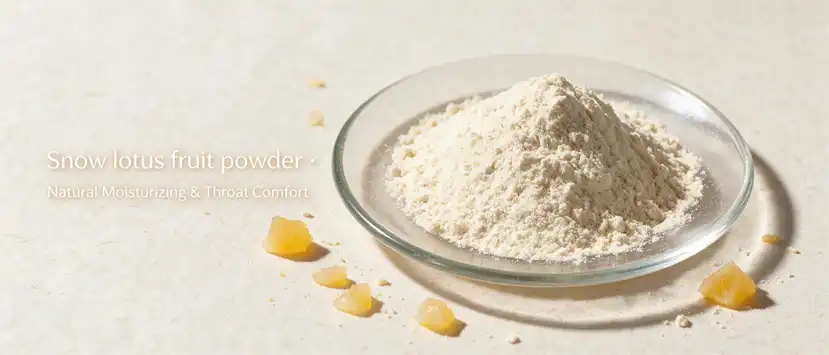
Comparing Snow Lotus Fruit Powder with Other Herbal Powders
Nutritional Advantages and Market Positioning
When mixed with regular prebiotic ingredients like inulin or polydextrose, Snow lotus fruit powder provides a special mix of health benefits. The naturally occurring FOS content doesn't need to be changed chemically or by enzymes, which makes it a strong candidate for clean-label formulation requirements. Some people find that inulin from chicory makes them gassy, but yacon powder usually works better with digestive issues when given the same amount of prebiotics. The ingredient also adds a light sweetness (about 30 to 50 percent of sucrose's level), which means that recipes don't need as many extra sweeteners. Because it is both a prebiotic and a natural sugar, it saves money on product creation costs. As more people look for plant-based, lightly processed functional foods, the market for products made from yacon has grown a lot. The ingredient's history of use in South American countries adds a real story that connects with today's health-conscious customers.
Organic Versus Non-Organic Variants
Certification rank has a big effect on both how a product is positioned and what buyers decide to buy. It costs more to buy organic yacon powder, but it can be sold in health food stores and specialty stores that require organic certification. Organic yacon must be grown in a way that meets strict farming standards. During the growing process, synthetic herbicides and fertilizers must not be used. Good suppliers show proof of their certifications clearly, like USDA Organic, EU Organic, or other regional certifications that are the same or similar. When non-organic varieties are sourced responsibly, they are still put through a lot of tests to look for pesticide residues, heavy metals, and microbes. Certified non-organic powder has great quality-to-value ratios for people who are making popular goods, and price is the most important thing. When choosing between organic and normal, you should think about what your target market wants and how much they care about price. You should also make sure that both types meet food safety standards.
Supplier Reputation and Quality Criteria
Systematic evaluation is needed to tell the difference between trustworthy suppliers and opportunistic vendors. Established manufacturers keep a wide range of certifications, such as ISO9001, GMP, FDA registration, and religious certifications like Kosher and Halal, which makes it easier to sell their products in a wide range of global markets. The factory put money into quality control equipment like in-house labs that can do TLC analysis, moisture content verification, and microbial testing. This shows that they really care about making sure their products are always the same. Changes in FOS content from batch to batch are a regular problem that professional buyers have to deal with during the qualification process for suppliers. To check for uniformity, ask for Certificates of Analysis (COA) from more than one production run. Suppliers who offer moisture-proof packing with nitrogen cleaning and desiccant packs show that they understand how hygroscopic the product is, which is an important part of keeping powder stable while it's being stored and shipped. Long-term supply agreements should include regular testing and verification by a third party to make sure the specifications are met.
How to Select and Procure Snow Lotus Fruit Powder Effectively
Defining Volume Requirements and Regulatory Compliance
Your plan for buying things starts with making accurate number predictions based on when the product will be released and how many you think will buy it. Most production scales can use standard packaging in 25 kg drums, but flexible suppliers can work with smaller trial amounts starting at 1 kg minimum order quantities (MOQ). Figure out how much you need each year to see if framework contracts could help you get better prices and a more reliable supply. Different target markets have very different levels of regulatory compliance. In the United States, people must follow the DSHEA rules for dietary supplements and the FDA rules for food additives. Different European markets may have different rules about how to classify novel food ingredients. Depending on the use and dosage levels, these ingredients may need either traditional use documentation or Novel Food authorization. Asian markets, especially Japan and South Korea, have well-developed rules about prebiotic supplements that stress that health claims must be backed up by science. Work with providers who know about these regional differences and can give you the right paperwork, like health certificates, country-of-origin certificates, and governmental dossiers that will help you get into the market.
Supplier Selection Criteria and Quality Assurance
In addition to basic certificates, you should also look at how well the seller can help you with technical issues. Can they give you advice on how to formulate something for your unique use? Do they have R&D teams that know how to make synbiotic formulations, test their stability in different storage situations, and make the products taste and smell better? When suppliers offer university relationships or joint lab setups, it shows that they are committed to new ideas, which can help your product development schedule. Traceability systems that follow ingredients from the farm to the final packaging give customers confidence in the supply chain. This is especially important for claims about organic or origin-specific products. Logistics dependability is very important—suppliers who keep enough stock (ideally 1,000 tons or more) can fill orders within 10 days for standard wait times or 30 days for custom specs without having to deal with supply delays.
Pricing Considerations and Cost Drivers
The price of Snow lotus fruit powder depends on a number of factors that skilled buyers should be aware of. The concentration of FOS has a direct effect on value. Powder with 60% FOS usually costs more than powder with 40% FOS, but it has more useful efficiency per gram, which could lower usage rates. Price structures are greatly affected by volume commitments. For example, annual contracts often get 10-15% savings compared to spot sales. Certification fees raise the price. Premiums for organic certification, religious certifications, and lots of testing records all affect the final price. Shipping type (express, air freight, or sea freight) and delivery terms (FOB, CIF, or DDP) have a big impact on how much it costs to move goods. Sea freight has the lowest cost per unit, but it needs more time to plan and has bigger minimum orders. Look at the total landing cost instead of just the FOB price.
Industry Use Cases and Application Scenarios
Health Supplements and Nutraceutical Formulations
The biggest users of high-FOS yacon powder are companies that make prebiotic supplements. The ingredient works especially well in synbiotic recipes with certain probiotic types. The FOS feeds only the good bacteria, helping them survive in the stomach and colonize the intestines more easily. The powder's excellent flowability and compressibility make it easier to make capsules and tablets. Yacon has many health benefits that can be used in powder supplement forms for gut health, immune support, and metabolic health. Weight management supplements use the ingredient because it makes you feel full and has few calories. The daily dose advice of 3–8g is a good match for normal serving sizes, which makes it easy to understand what the label says. Product makers can set their products apart from synthetic ones by highlighting yacon's natural source, long history of use, and ability to act as both a prebiotic and a sweetener.
Functional Beverages and Low-GI Food Products
Prebiotic ingredients are being used more and more in the beverage business to make useful drinks that offer real health benefits. Because it dissolves easily in water, yacon powder is perfect for making instant drink mixes, ready-to-drink drinks, and solid drink products. The ingredient stays steady in most liquid pH ranges (3.5–4.5) and doesn't cause any precipitation or off-tastes. The almost-zero GI grade of yacon powder is very helpful for companies that make low-glycemic foods for diabetics or people who are following blood sugar control plans. This ingredient can be used to lower the amount of sugar in meal replacements, protein bars, and healthy shakes while keeping the taste the same. Both the mild sweetness and the fiber that make the mouth feel better are good for sugar-free sweets. Adding FOS-rich yacon powder to dairy products like yogurt, fermented drinks, and probiotic drinks makes them work better because the prebiotic compounds help probiotic cultures stay alive and work well for a longer time.
OEM and Private Label Manufacturing Opportunities
Brands that want to get into the functional food market but don't have their own production facilities can grow a lot with custom manufacturing services. Suppliers that offer OEM/ODM services can create custom formulations that fit the needs of any market, whether it's for high-end organic products, mainstream products with a focus on value, or therapeutic-grade products with a focus on special needs. Customization options include changing the amount of FOS from 40 to 60%, adding functional ingredients that work well with FOS, finding the best sweetness levels, and creating new delivery formats like gummies, effervescent tablets, and stick packs. With private label programs, stores and distributors can quickly bring out branded goods with little upfront cost. If you're looking for a manufacturing partner, make sure they offer full services that include formula development, stability testing, regulatory documentation, custom packaging design, and quality assurance. Companies that want to sell their products in more than one place need to be able to adapt their formulas to those places.
Ensuring Long-Term Success with Snow Lotus Fruit Powder Procurement
Quality Control and Product Consistency
Adhering to strict quality standards for Snow Lotus fruit powder protects the reputation of the brand and makes sure that it follows the rules. Make sure the standards are clear about the FOS content (minimum percentage), the moisture levels (usually below 4%), the mesh size (80 mesh standard), the microbe limits (total plate count, yeast/mold, pathogens), the heavy metal poisoning (lead, arsenic, mercury, cadmium), and the pesticide leftovers. Set up processes for incoming inspections that check these factors before letting materials go into production. Third-party lab testing at approved facilities gives you an outside check and helps with audit reports for regulatory reasons. Demand that suppliers include COAs with all shipments, and check their quality control systems on a regular basis to make sure that testing methods and tools are still being used correctly. Because the powder absorbs water, it needs to be packed in a way that keeps moisture out.
Staying Current with Market Trends and Scientific Research
As new information comes out and more people learn about gut health and prebiotics, the markets change very quickly. Sign up for trade magazines that keep up with functional food trends, new prebiotic research, and changes in the law that affect ingredient claims. Join trade groups and go to workshops in your field where new ingredient ideas are shown off. Keep an eye on new ways that yacon powder is being used in cosmetics, where its antioxidant qualities are becoming more popular for skin care products. Keep up with new products that your competitors are putting out that use prebiotic ingredients to figure out how to position your own in the market and set your prices. Talk to the technical team at your supplier to find out about their newest research partnerships, application development projects, and new formulations. Companies that keep funding clinical studies and molecular research to back up the scientific validity of their ingredients can make their marketing promises and set their products apart more effectively. Being able to cite peer-reviewed research builds trust with both retailers and end users, especially in high-end markets where scientific proof is what drives buying choices.
Risk Mitigation and Regulatory Compliance Strategies
To make a supply chain resilient, you need to control risks before they happen. Build ties with several qualified suppliers so that you don't have to rely on just one, but keep your key partnerships for consistency's sake. Keep an eye on changes in trade policies, farming conditions, and geopolitical factors that could affect the supply of ingredients or the cost of importing them. Keep enough safety stock on hand to cover any sudden supply problems. This is usually about two to three months' worth of estimated usage. Credit checks and business references can help you figure out if a supplier is financially stable. Often, shortages of ingredients are caused by suppliers' financial problems rather than a lack of raw materials. Set up thorough record-keeping systems that keep track of lot numbers, test results, and marketing records so that you can respond quickly to quality problems or returns. Keep up with changes to the rules by reading information from the FDA, the EU on novel foods, and the regional food safety officials in the markets you want to reach.
Conclusion
Scientists have proven that Snow lotus fruit powder is a useful and healthy ingredient that can help with a number of market trends, such as gut health, managing blood sugar, weight loss, and finding natural sweeteners. To make a good purchase, you need to know the technical details, look at the supplier's skills beyond just price, and make sure the quality stays the same by following strict testing procedures. The ingredient can be used in dietary supplements, functional drinks, diabetic-friendly foods, and OEM formulas. This gives companies a lot of chances to come up with new products and stand out in the market. Buyers can make competitive goods that meet the growing demand for health-promoting foods and supplements by working with established suppliers who offer full support, such as expert advice, legal paperwork, and reliable logistics.

FAQ
What is the recommended industrial dosage for prebiotic efficacy?
Clinical research shows that eating 3 to 8 grams of FOS every day can give you measurable prebiotic benefits without making your stomach hurt. When figuring out how much yacon powder to use, product developers should think about dose size, how often the product will be used, and ingredients that work well together. When there are higher amounts of FOS (50–60%), less powder is needed to do the same job.
How can buyers be sure that a provider is reliable and of good quality?
Ask for full proof of certification, such as ISO9001, GMP, FDA registration, and any related religious or organic certificates. Get COAs from several production batches to see how consistent the FOS content, wetness levels, and quality of the microbes are. Do supplier audits that focus on the lab's capabilities, quality control systems, and the ability to track down raw materials. Testing by a third party in separate labs makes sure that specifications are met objectively.
What regulatory considerations affect importation into the USA and Europe?
In general, the United States considers yacon to be a food ingredient under FDA rules. However, for certain uses, GRAS notice or food additive requests may be needed. Applications for dietary supplements must follow DSHEA rules and current Good Manufacturing Practices. European markets need to make sure that yacon ingredients have either documentation for traditional food use or a Novel Food authorization, depending on how they are used and how much they are eaten. Work with providers who know how to give your target markets the legal support documents they need.
Partner with BioSpark for Premium Yacon Powder Supply
Because they always use consistent quality, are scientifically rigorous, and put the customer first, BioSpark (Xi'an) Biotechnology Co., Ltd. has become a trusted supplier of Snow lotus fruit powder. Our high-tech factory uses supercritical CO2 extraction and membrane separation to make powder with a guaranteed 40–60% FOS content. Each batch is checked for accuracy with TLC analysis. We keep more than 1,000 tons of stock on hand to make sure that normal delivery times of 10 days and custom formulation wait times of 30 days are met without any supply delays. Our wide range of certifications, such as ISO9001, GMP, FDA registration, Kosher, and Halal, makes it easy for us to reach customers in North America, Europe, and Asia. Our flexible MOQ and OEM/ODM options can meet your needs, whether you need 1 kg samples to make a prototype or 25 kg drums of large products for business production. Our research and development team works with university labs to offer advice on synbiotic formulation, stability testing, and regulatory paperwork that speeds up the time it takes to make your product. Email our team at leao@biosparkcn.com to talk about your yacon powder needs, get COAs and specifications, or set up shipping of samples. We have low prices, nitrogen-flushed packing that doesn't let moisture in, and a number of delivery terms (FOB, CIF, DDP) with options for faster shipping. Let us be your trusted partner in finding the best functional ingredients that will make your goods stand out in the health market today.
References
1. Gibson, G.R. and Roberfroid, M.B. (1995). Dietary Modulation of the Human Colonic Microbiota: Introducing the Concept of Prebiotics. Journal of Nutrition, 125(6), 1401-1412.
2. Valentová, K. and Ulrichová, J. (2003). Smallanthus sonchifolius and Lepidium meyenii - Prospective Andean Crops for the Prevention of Chronic Diseases. Biomedical Papers, 147(2), 119-130.
3. Genta, S., Cabrera, W., Habib, N., Pons, J., Carillo, I.M., Grau, A. and Sánchez, S. (2009). Yacon Syrup: Beneficial Effects on Obesity and Insulin Resistance in Humans. Clinical Nutrition, 28(2), 182-187.
4. Delgado, G.T.C., Thomé, R., Gabriel, D.L., Tamashiro, W.M.S.C. and Pastore, G.M. (2012). Yacon (Smallanthus sonchifolius): A Functional Food. Plant Foods for Human Nutrition, 67(2), 122-129.
5. Roberfroid, M., Gibson, G.R., Hoyles, L., McCartney, A.L., Rastall, R., Rowland, I., Wolvers, D., Watzl, B., Szajewska, H., Stahl, B. and Guarner, F. (2010). Prebiotic Effects: Metabolic and Health Benefits. British Journal of Nutrition, 104(S2), S1-S63.
6. Campos, D., Betalleluz-Pallardel, I., Chirinos, R., Aguilar-Galvez, A., Noratto, G. and Pedreschi, R. (2012). Prebiotic Effects of Yacon (Smallanthus sonchifolius Poepp. & Endl), a Source of Fructooligosaccharides and Phenolic Compounds with Antioxidant Activity. Food Chemistry, 135(3), 1592-1599.

Send Inquiry
Related Industry Knowledge
- Top 7 Uses of Papaya Juice Powder in Food and Beverages
- Can Marigold Extract Powder Replace Synthetic Food Colorants?
- Snow Lotus Powder Benefits for Food and Nutraceutical Brands
- Is Coconut Milk Extract Powder More Cost-Effective Than Canned?
- Coconut Milk Extract Powder: The Ultimate Plant-Based Dairy Swap
- Coconut Milk Extract Powder: The Ultimate Plant-Based Dairy Swap
- Is Coconut Milk Extract Powder More Cost-Effective Than Canned?
- Is Coconut Milk Extract Powder More Cost-Effective Than Canned?
- Coconut Milk Extract Powder: The Ultimate Plant-Based Dairy Swap
- Is Coconut Milk Extract Powder More Cost-Effective Than Canned?
- Coconut Milk Extract Powder: The Ultimate Plant-Based Dairy Swap
- Is Coconut Milk Extract Powder More Cost-Effective Than Canned?
- Coconut Milk Extract Powder: The Ultimate Plant-Based Dairy Swap
- Coconut Milk Extract Powder: The Ultimate Plant-Based Dairy Swap
- Is Coconut Milk Extract Powder More Cost-Effective Than Canned?
- Coconut Milk Extract Powder: The Ultimate Plant-Based Dairy Swap
- Is Coconut Milk Extract Powder More Cost-Effective Than Canned?
- Is Coconut Milk Extract Powder More Cost-Effective Than Canned?
- Coconut Milk Extract Powder: The Ultimate Plant-Based Dairy Swap
- Is Coconut Milk Extract Powder More Cost-Effective Than Canned?
- Is Coconut Milk Extract Powder More Cost-Effective Than Canned?
- Coconut Milk Extract Powder: The Ultimate Plant-Based Dairy Swap
- Bitter Melon Extract Powder: Appetite Regulation & Satiety Mechanism
- Is Chinese Cabbage Powder Good for Instant Drinks?
- Best Tongkat Ali Extract Powder: Buyer’s Complete Guide
- What Are the Key Benefits of Tanshinone Danshen Extract?
- Why Ghanaian Seed Extract Is a Top Choice in Functional Foods?