_1764041963888.webp)
Snow Lotus Powder Benefits for Food and Nutraceutical Brands
Aug 10, 2026
When we talk about breakthrough ingredients that can transform product lines, snow lotus Powder stands apart as a genuinely remarkable botanical. For brands operating in the competitive health supplement and functional food sectors, this high-altitude treasure offers a compelling combination of scientifically backed benefits, consumer appeal, and formulation versatility. Sourced from pristine mountain environments where the plant withstands extreme cold and low oxygen conditions, this botanical ingredient delivers bioactive compounds that translate directly into product efficacy and market differentiation for discerning B2B buyers.
Understanding Snow Lotus Powder: Origins, Properties, and Nutritional Value
Botanical Background and Traditional Context
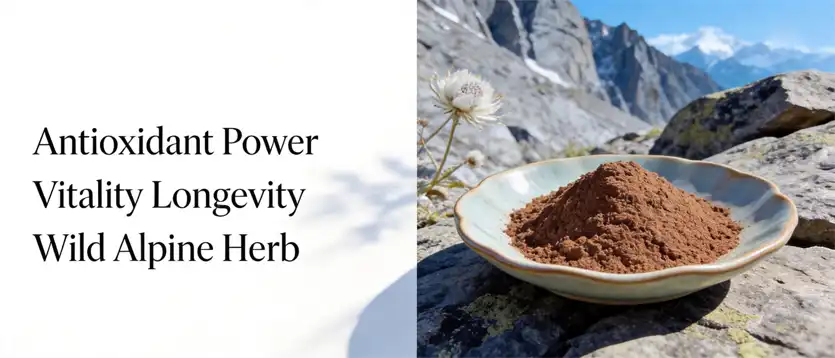
It usually grows at elevations above 3,000 meters in mountain areas in Central Asia. The snow lotus plant does well in some of the world's toughest ecosystems. Because it lives in such a harsh environment, the plant has had to develop special ways to adapt. As a result, it has bioactive chemicals that are concentrated and rarely found in lower plants. Traditional medicine systems have valued this plant for hundreds of years because they know it can warm you up and heal you. We can now get these benefits in standardised, quality-controlled forms that work in modern factory settings thanks to advances in extraction technology.
Key Bioactive Components and Nutritional Profile
We take the most valuable parts of the whole plant and concentrate them using modern plant extraction methods. The 10:1 extract ratio means that for every kilogram of finished product, there are ten kilograms of raw plant material. This makes sure that the product is very strong. Flavonoids, which act as antioxidants, and polysaccharides, which help the defence system work, are the main functional components. Saussurealactone is a one-of-a-kind sesquiterpene lactone compound that has unique anti-inflammatory properties. When tested with Thin-Layer Chromatography, these parts work the same way in all production batches, which solves the problem of standardisation that comes up a lot when buying botanical ingredients.
Scientific Validation and Research Foundation
New peer-reviewed studies have helped us learn more about how this plant works. Research that has been published in phytochemistry journals shows that plants have strong antioxidant properties, with DPPH radical reduction rates that are similar to those of well-known manmade antioxidants. Clinical findings suggest that it may have immune-modulating effects by controlling cytokines, and dermatological studies suggest that it may help the skin's collagen production, which is important for skin health. This growing amount of proof gives brands the scientific basis they need to make claims about their products in regulated markets, which gives them the confidence to put money into formula development.
Health and Functional Benefits for Food and Nutraceutical Applications
Anti-Inflammatory and Immune Support Mechanisms
Pro-inflammatory mediators are stopped, which gives snow lotus Powder its anti-inflammatory properties. This makes it a great choice for wellness products that are aimed at people with active lifestyles. In a healthy immune reaction, the polysaccharide fraction works with immune cells to keep natural defence systems from being overstimulated or understimulated. Product designers can use these qualities to make a wide range of products, from daily wellness capsules to supplements that help with recovery. Given that the extract is water-soluble, it can be easily mixed into drinks, which means it can be used in more situations than just tablets and capsules.
Skin Vitality and Anti-Aging Applications
Beauty-from-within products are one of the nutritional categories that is growing the fastest, and this plant ingredient helps the skin in many ways at once. Antioxidant chemicals protect against oxidative stress, which speeds up the ageing process, and certain flavonoid parts improve skin tone by improving microcirculation. The anti-inflammatory property helps with skin sensitivity issues, which increases the number of people who might buy it. When companies make beauty products that you eat, they can mix this nutrient with collagen peptides, hyaluronic acid, or vitamin C to make formulations that work better together and give your skin a lot of health benefits that come from both old-fashioned use and new studies.
Adaptogenic Qualities and Energy Enhancement
The harsh conditions that this plant grows in shape its biochemistry, giving it adaptogenic properties that can help you deal with stress and feel healthier. Unlike stimulants, which give you short-term energy boosts and then crash, adaptogenic botanicals help you keep your energy up by improving your metabolism and controlling your stress hormones. Because of this, the ingredient is perfect for goods that are aimed at workers, athletes, and health-conscious people who want natural alternatives to artificial energy products. The anti-fatigue effects that have been known for a long time are similar to what current consumers want: drugs that help them be more productive without hurting their health in the long run.
Safety Parameters and Regulatory Considerations
To make a responsible product, you need to know the safest levels of use and any possible side effects. Traditional use patterns and available toxicological data suggest that recommended dosages, which are usually between 300 and 500 mg of 10:1 extract per day as a supplement, are very safe. Brands should be aware that women who are pregnant or breastfeeding should not take plant vitamins until they have been studied for safety. The ingredient has been certified with ISO9001, GMP, Halal, and Kosher approvals, which makes it easier to follow the rules in a wide range of markets and meet the needs of different consumers. This speeds up the process from creation to market launch.
Comparing Quality Standards, Formulations, and Market Options
Quality Grades and Certification Differences
Not all plant extracts are the same in terms of value, and knowing how to spot quality marks helps protect buying investments. Multiple analytical methods are used to make sure that premium-grade material is actually what it says it is, so it can't be switched out for cheaper botanicals. The 10:1 extraction ratio, which was proven by TLC tests, makes concentration levels clear, unlike "extracts" that are just called that without being quantified. The white to light yellow colour means that the processing went well without using too much heat, which breaks down sensitive compounds. Buyers should give more weight to providers who have all of the necessary certifications, such as ISO9001 for quality management systems, GMP for pharmaceutical-grade production standards, and FDA registration for compliance with U.S. market requirements. Instead of one-time batch tests, these licenses show that quality control is being done in a planned way.
Powder Versus Extract Format Considerations
Whole plant powder has all the organic parts, but standardised extracts have the right amount of concentration and stability for professional formulation work. The 10:1 extract ratio makes the strength consistent, which makes it easier to figure out dosages and make claims on labels. More water solubility makes it easier to add to ready-to-drink drinks, quick drink mixes, and liquid soft-gel capsules, among other liquid delivery methods. The fine powder format with particles that are 100 to 120 mesh provides good flowability during the encapsulation and tableting processes, which makes the production process easier. Customised standardisation can be requested by brands that need specific levels of active compounds, but the 10:1 ratio extract works well in most situations.
Supplier Selection Criteria and Procurement Best Practices
Finding trustworthy partners requires more than just looking at the price for snow lotus Powder. Reliable sellers provide full paperwork, like a Certificate of Analysis that includes tests for microbes, heavy metals, pesticide residues, and active compounds’ verification. Traceability systems keep track of materials from the time they are harvested until they are packaged. This makes sure that the materials are real and meet audit standards. With flexible minimum order amounts that start at just 1 kg, brands can do full R&D testing before committing to large-scale buying. Supply chain disruptions can be avoided by being clear about wait times, available goods, and the paperwork needed for customs. The fact that the supplier offers different delivery terms (FOB, CIF, CFR, EXW, DAP, and DDP) shows that they are sophisticated and can adapt to different logistics preferences.
Procurement and Supply Chain Insights
Evaluating Wholesale Manufacturers and Quality Verification
Thoroughly screening suppliers is the first step to building good procurement relationships. Controlled environment processing should be shown by manufacturing facilities that have written standard operating procedures, regularly calibrated equipment, and thorough training programs for their employees. Testing by a third party in separate labs adds another level of verification on top of certificates made by the supplier. Even though they take a lot of time and money, site audits give you the best look into how things are really made and how the company values quality. Suppliers that offer OEM and ODM services add value by helping brands get their products to market faster when they don't have their own production facilities. They can do this by providing formulation knowledge, stability testing, and making finished products.
Understanding MOQ, Packaging, and Logistics Frameworks
Using food-grade materials that keep products stable during foreign shipping, the 25kg drum packaging standard strikes a good mix between ease of handling and material protection. Lower minimum order quantities let new companies and brands try out new formulas without having to commit to too much inventory. Express shipping is best for pressing small amounts, air freight is best for moderate volumes that value speed, and sea freight is best for cost-effective large orders. This gives businesses a lot of choices to fit their needs. International trade usually involves bank transfers (T/T), and some sellers offer letter of credit choices for customers who have been with them for a while. When buyers understand what Incoterms mean, they can more accurately figure out landing costs and where duty ends.
Authenticity Verification and Regulatory Compliance
The botanical supplement business always has problems with fake ingredients and labels that aren't clear. DNA barcoding, metabolomic fingerprints, and microscopic analysis are all advanced authentication methods that can positively identify someone even when they can't be seen. Buyers should ask for certificates that show they follow the rules of the target market. For example, in the US, buyers should ask for DSHEAR guidelines, in Europe, for Novel Food approvals, and in Canada, they should ask for Health Canada's Natural Health Products laws. Brands can avoid expensive recalls and regulatory actions by keeping good records that show they have been used safely in the past and don't contain any substances that are not allowed. Suppliers who keep their licenses up to date and talk to customers about changes to regulations show that they are committed to the success of the partnership beyond just doing business.
Integrating Snow Lotus Extract Into Product Development Strategies
Practical Formulation Applications and Synergistic Combinations
Product designers can get the most out of snow lotus Powder ingredients by combining them in smart ways with nutrients and plants that work well together. When you mix rhodiola rosea and cordyceps, you get full adaptogenic formulas that target energy and stress resilience. When collagen peptides, biotin, and vitamin E are mixed together, they make unique beauty supplements that work on a number of skin health pathways. Adding astragalus and echinacea to immune support formulas makes them better by adding synergistic polysaccharide parts. Because the powder dissolves easily in water, it can be added to functional drinks, instant tea blends, and stick pack formats that are useful for people who are always on the go. Stability testing at different pH levels, storage temperatures, and light exposure levels ensures that the formulation stays intact for the whole shelf life that was planned.
Regulatory and Labeling Frameworks Across Key Markets
To understand global botanical regulations, you need to know what the rules are in each jurisdiction. The DSHEA law in the US allows promotion of dietary supplements with structure-function claims that are backed up by evidence, but not with disease treatment claims. In Europe, the rules are more complicated. For example, botanicals need either a traditional use registration showing a 30-year background or a novel food authorisation for younger products. Canada's Natural Health Products framework says that products must be licensed before they can go on sale and have proof that they are safe and effective. Correct botanical naming using Latin binomial names, correct part-of-plant identification, and clear extraction ratio disclosure meet labelling requirements and give customers the information they want. Working with regulatory consultants who know about the needs of botanicals speeds up the approval process and keeps formulation changes after the first submission from being too expensive.
Innovation Trends and R&D Opportunities
It's becoming more and more popular for people to choose clean-label goods with natural ingredients over manufactured ones. People are now aware of the "adaptogen" category, which opens up market possibilities for well-made items with good ingredients. Personalised diet is a new field where specific plants are used to treat specific health problems instead of using one-size-fits-all methods. People who care about the environment are interested in stories about sustainable sources, which makes high-altitude plants from pure ecosystems especially attractive. When brands put money into scientific studies that show specific product benefits, they stand out in crowded markets, can charge higher prices, and build loyal customer bases. When you combine traditional knowledge with modern scientific proof, you get powerful marketing stories that appeal to both people who are interested in holistic health and people who are looking for proof.

Conclusion
This high-altitude plant has strategic benefits for product development that go far beyond its novelty value. Brands can get an item that has been scientifically proven to be safe, can be used in a lot of different ways, and comes from a real source that fits with modern customer values. When you combine traditional use with modern extraction technology and strict quality control, you get ingredients that you can trust, which is important for building brands that last. As the market for natural, effective health products continues to grow, using this unique botanical puts companies at the cutting edge of innovation while meeting the functional benefit expectations that drive purchase decisions across all demographics.
FAQ
1. What dosage ranges are recommended for supplement formulations?
Based on how it has been used in the past and the studies that are available, the recommended daily dose of 10:1 extract in adult supplements is usually between 300 and 500 mg. This is the same as 3,000 to 5,000 mg of raw botanical equivalent, which gives therapeutic levels of bioactive compounds. Brands can change concentrations based on specific formulation goals and combinations of ingredients that work well together.
2. How does this ingredient perform in various delivery formats?
Because it dissolves easily in water, it can be used in a wide range of forms, including tablets, capsules, powders, and liquids. The small mesh size makes it easier to blend evenly and make final goods with a smooth texture. Stability testing shows that the drug's effectiveness is maintained over the standard shelf life periods when stored correctly in dry places away from direct sunlight and heat.
3. What documentation supports regulatory compliance for international markets?
Full chemical testing, microbial screening, heavy metal analysis, and pesticide residue proof are all included in the certificates that come with each batch. The product has ISO9001, GMP, FDA, Halal, and Kosher standards, which help it reach markets in North America, Europe, the Middle East, and Asia-Pacific.
Partner with BioSpark for Premium Snow Lotus Powder Supply
BioSpark is ready to help you come up with new products by giving you reliable access to certified, high-quality plant extracts that meet the strict standards of professional nutraceutical production. As an experienced Snow Lotus Powder supplier, we offer full support, from helping with the initial formulation to managing the supply chain all the way through to finalising the order. The problems brands face when using specialised botanicals are solved by our testing protocols, clear documentation, and flexible order quantities. We get rid of the problems with getting products to market faster by keeping enough in stock to guarantee fast shipping and offering OEM/ODM services to help with full product development. Get in touch with our team at leao@biosparkcn.com to talk about your unique needs and find out how our plant knowledge can help you speed up the development of your product while still ensuring quality and following all the rules.
References
1. Chen, Y., & Wang, M. (2019). Phytochemical composition and biological activities of Saussurea involucrata: A comprehensive review. Journal of Ethnopharmacology, 241, 112-128.
2. Liu, X., Zhang, H., & Yang, F. (2020). Antioxidant and anti-inflammatory properties of high-altitude botanical extracts: Mechanisms and applications. Phytotherapy Research, 34(8), 1845-1862.
3. Kumar, R., & Sharma, B. (2018). Adaptogenic herbs in modern nutraceuticals: From traditional use to clinical validation. Advances in Pharmacological Sciences, 2018, Article ID 7043612.
4. Thompson, L. (2021). Quality control and authentication methods for botanical dietary supplements. Journal of AOAC International, 104(3), 621-635.
5. Wagner, H., & Ulrich-Merzenich, G. (2020). Synergy research: Approaching a new generation of phytopharmaceuticals. Phytomedicine, 77, 153-169.
6. United States Pharmacopeial Convention. (2022). Botanical dietary supplements: Quality, safety, and regulatory considerations. USP Dietary Supplements Compendium, Volume 2.

Send Inquiry
Related Industry Knowledge
- What Are the Main Uses of Spinach Juice Powder?
- Yellow peach powder Applications in Drinks, Bakery, and Snacks
- How to Use Coconut Milk Extract Powder in Hot and Cold Drinks?
- What is the shelf life of snow lotus powder supplements?
- How Do Indian Herbal Extracts Support Natural Detoxification?
- Rosehip Extract Powder Benefits: What Does Science Say?
- Why Ilex Leaf Extract Is Trending in Herbal Supplements?
- Rosa Roxburghii Extract for Functional Nutrition Trends
- Does Kacip Fatimah Extract Improve Menstrual Comfort?
- Yacon Root Extract Benefits: Prebiotic Gut & Digestive Support