_1764041963888.webp)
Top 7 Uses of Papaya Juice Powder in Food and Beverages
Aug 15, 2026
Papaya juice powder represents a versatile, enzyme-active ingredient transforming the food and beverage industry through its multifunctional properties and clean-label appeal. This tropical fruit powder delivers 1500 GDU/g papain enzyme activity alongside beta-carotene, vitamin C, and natural antioxidants—making it indispensable for digestive health products, functional beverages, beauty supplements, and food manufacturing. For B2B procurement professionals seeking ingredients that combine nutritional enrichment with operational efficiency, papaya-derived powders offer consistent batch quality, superior water dispersibility, and broad regulatory compliance. Our comprehensive guide explores seven strategic applications that leverage papaya enzyme powder's unique bioactive profile while addressing critical procurement considerations for supply chain optimization and market competitiveness in the rapidly evolving functional food sector.
What Is Papaya Juice Powder? Nutritional Value and Benefits
Papaya juice powder comes from high-quality Carica papaya fruits that are picked when they are 80 to 90% ripe and then treated using plant-based extraction methods that keep the bioactive purity of the fruit. Thru controlled drying, advanced enzyme stabilization technology keeps 85% of papain activity, making a fine powder that is light yellowish-brown to light orange and has particles that are 120 to 150 mesh in size. High-Performance Liquid Chromatography (HPLC) tests this ingredient to make sure that its enzymatic potency always meets the 1500 GDU/g standard.
Bioactive Composition That Drives Functionality
The powder concentrates a number of useful compounds that work together to do their job. This enzyme, papain, breaks down protein structures to help the digestive system and make nutrients more available. Beta-carotene gives foods their natural color, which can range from pale yellow to bright orange, and it also helps the body make vitamin A. The vitamin C level protects cells from damage and boosts the defense system. This mix meets the needs of consumers who want ingredients in health-focused products that have both useful benefits and a clean-label appeal.
Safety Profile for Regulatory Compliance
Unlike popular allergens, papaya-based products don't pose much of a risk to people with allergies and are widely accepted by regulators. The powder is certified by ISO9001, Kosher, Halal, FDA, and GMP, which means it is safe to use in all places around the world. A moisture level below 4.2% stops microbes from growing and keeps enzymes stable for the whole shelf life. This safety profile lets formulators safely add papaya extract powder to a wide range of product categories without having to do a lot of allergen marking. This makes it easier for companies to get into markets in places with different rules.
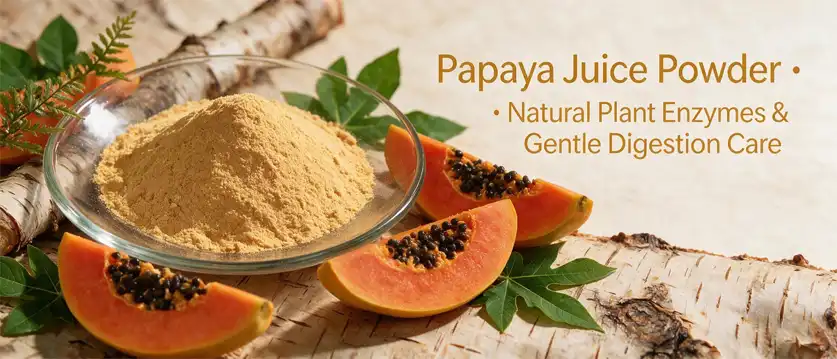
Top 7 Uses of Papaya Juice Powder in Food and Beverages
This tropical fruit powder can be used in a lot of different product groups, and it works well in all of them in their own small ways. When procurement teams know about these uses, they can make sure that the ingredients they buy are in line with new market trends and consumer tastes.
1. Digestive Enzyme Supplements and Post-Meal Comfort Beverages
Digestive health products are the main use for papain's ability to break down proteins. Papaya juice powder, bromelain, amylase, and lipase are all mixed together in enzyme complex formulas to make digestive support products that work for everyone. The 1500 GDU/g enzyme activity breaks down proteins well, which helps with gas and pain after eating protein-rich foods. After a meal, comfort drinks with papaya juice powder in ready-to-drink forms make it easy for people to support their digestion. Papaya juice powder and good bacteria are mixed together in probiotic companion products to make gut health formulas that work together to support both enzyme digestion and microbiome balance. More and more people are concerned about their gut health, and they prefer enzyme sources that come from plants to those that come from animals.
2. Beauty-From-Within Supplements and Collagen Enhancers
Papaya-based ingredients are being used more and more in beauty supplements because they help the body make collagen and are good antioxidants. Beauty companies mix papaya juice powder with hyaluronic acid, botanical extracts, and hydrolyzed collagen peptides to make oral powders that are good for your skin in every way. It has a lot of vitamin C, which helps make collagen, and beta-carotene, which protects against damage from the environment. Papaya juice powder increases the bioavailability of nutrients in beauty drinks, which could mean that the active ingredients in the drinks are absorbed better. This application fits with the nutricosmetic trend, which is strong in Asian markets and picking up speed in North America. In this trend, people want to eat beauty products that give them obvious benefits through systemic nutritional support instead of just applying them to their skin.
3. Functional Smoothies and Plant-Based Protein Beverages
Papaya juice powder is used by health-conscious beverage makers for a number of reasons. The ingredient gives plant-based protein drinks a natural tropical taste and enzymes that can help the protein be digested better. Good water dispersibility makes sure that the texture is smooth and not gritty, which is important for making high-quality smoothies. The freedom to use natural coloring cuts down on or gets rid of synthetic colorants, which supports the clean-label stance. Yogurt bases and fermented drinks can use papaya juice powder because it works well with probiotic cultures. This makes functional drinks that are good for your digestive health and add extra nutrients. Specialty milk tea recipes use papaya extract to set their drinks apart from other drinks on the market, which appeals to people who want new taste experiences with health benefits.
4. Natural Food Coloring for Baking and Confectionery
To meet the requirements for clean labels, food companies are replacing more and more manufactured colorants with natural ones. Papaya juice powder gives steady yellow-orange colors that can be used in sweets, ice cream, baked goods, and candy. Because the powder is stable at moderate processing temperatures, the color stays the same during baking and pasteurization. Formulators can change the color by changing the amount of use, making shades that run from light cream to bright orange, based on the needs of the application. The unique smell of papaya goes well with tropical flavors in desserts, and it can be used as both a colorant and a flavoring agent. This natural coloring option helps brands follow European rules that limit synthetic dyes while also meeting customer demands for ingredient names that are easy to remember.
5. Antioxidant-Rich Nutritional Supplements
Because it has a lot of antioxidants, papaya juice powder is a good thing to include in health products that aim to lower oxidative stress. Formulations mix papaya extract with antioxidants from other plants, such as green tea extract, grape seed extract, and vitamin E, to make supplements that protect cells in a complete way. The beta-carotene content helps vision health products, especially those that are aimed at older people who are worried about macular degeneration. Immunity-boosting formulas use vitamin C and antioxidant content that work well together with zinc and elderberry to make seasonal health products. Putting supplements in vegetarian capsules or tablets keeps the enzymes working and lets you give the right amount. This meets the needs of modern consumers who want easy supplementation that fits their busy lives.
6. Enzyme-Enhanced Meat Tenderizer Formulations
Papaya juice powder is a natural way to make meat softer and is used in food service and store areas that process meat. Papain is an enzyme that breaks down tough connective tissue proteins. This makes cheaper cuts of meat tastier without adding any chemicals. When papaya juice powder is mixed with spices and herbs in dry rub recipes, it creates more valuable seasonings that improve both taste and texture. Controlled enzymatic activity helps marinade systems work better by shortening the time needed and making food softer and moister. This app is useful for both commercial food processors who want to make their processes more efficient and regular people who want to cook at home and get restaurant-quality results with natural ingredients.
7. Specialized Nutrition for Digestive Support and Nutrient Absorption
Papaya-based chemicals are used in clinical nutrition and specialized diet items to help with certain digestive problems. Papaya juice powder with age-appropriate vitamin profiles is used in formulas for older people whose bodies make fewer stomach enzymes. Nutritional supplements for people who have recently had surgery use enzymes to help the body absorb proteins while they are healing, which can be hard on the digestive system. For kids who have trouble digesting, pediatric formulas use mild flavors and gentle bacterial action. Papaya extract is used in sports nutrition products to help the body use protein more efficiently. This may help with stomach problems during hard training sessions and speed up healing by making nutrients more bioavailable and adding anti-inflammatory antioxidants.
These different uses show how procurement specialists can use Papaya juice powder in a variety of product categories to get the most out of the material while also meeting the needs of different customer groups and market segments. Because it can do more than one thing, it makes formulations simpler and cuts down on the number of ingredients needed, which supports clean-label positioning across uses.
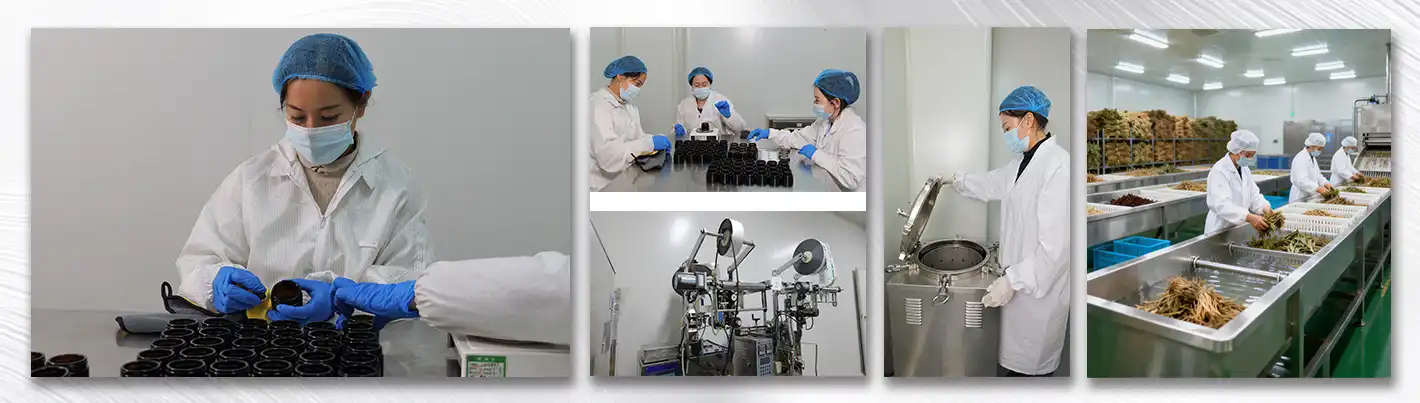
How to Incorporate Papaya Juice Powder Effectively: Best Practices for B2B Buyers
To successfully add enzymatic fruit powders, you need to pay attention to grade choice, storage instructions, and legal issues. To get the best results from product development, procurement teams need to find a mix between functional standards and operational facts.
Grade Selection and Enzyme Activity Verification
Specifications for enzyme activity are the most important quality factor that separates premium grades from standard grades. The 1500 GDU/g specification, which was confirmed by HPLC testing, makes sure that each batch works the same way. Buyers should ask for Certificates of Analysis (COA) with every shipment. These documents should show enzyme activity, moisture content, microbial counts, and heavy metal testing. For specific uses that need more enzyme power, customization options let you change the amount to 2000 GDU/g or 3000 GDU/g. Solubility and mouthfeel are affected by the particle size distribution. The 120–150 mesh range strikes a good balance between instant dispersibility and manufacturing flowability. By knowing these factors, buyers can choose grades that meet their exact formulation needs instead of settling for standard specs that might mean formula changes.
Storage Conditions and Shelf Stability Management
To keep their bioactivity over time, enzyme-based ingredients need to be stored in a controlled environment. Cool temperatures below 25°C (77°F), humidity control below 60% relative humidity, and protection from direct light contact are all good circumstances. The 25 kg drum package with oxygen absorber, desiccant, aluminum foil, and nitrogen cleaning protects the goods well while they are being shipped and stored. To get the freshest goods, procurement teams should use first-in, first-out inventory management. When compared to traditional processing methods, enzyme stabilization technology that keeps 85% of the papain activity increases the functional shelf life. Understanding how things break down helps buyers set reasonable expiration dates, maintain recipe stability, and reduce waste from old stock.
Regulatory Compliance Across Target Markets
For global distribution to work, different legal systems must be understood and followed. In the US, dietary supplements can easily get on the market as long as they follow DSHEA rules. In the EU, on the other hand, Novel Food laws may need to be looked at based on the use and claims. The ingredient has a lot of different certificates, such as FDA registration, GMP compliance, ISO9001 quality systems, and Kosher and Halal certifications. These certifications help the ingredient reach a wider range of religious and cultural consumers. Professionals in procurement should make sure that the paperwork supplied by suppliers meets the needs of the final market and keep regulatory files up to date to back up label claims. Standardized testing methods must be used to back up claims about enzyme activity, so HPLC verification is not just an optional quality measure but also an important part of the procurement process.
Comparing Papaya Juice Powder: What Makes a Trusted Supplier?
Picking the right supplier has a direct effect on the consistency of product quality, the dependability of the supply chain, and the value of a long-term partnership. Frameworks for evaluation should include more than just comparing unit prices.
Quality Certification and Testing Infrastructure
Reliable providers have full quality management systems that are checked by outside certification bodies. ISO9001 certification shows that the process is being controlled in a planned way, and GMP compliance shows that the manufacturing standards for pharmaceuticals are being met. Suppliers who do their own HPLC testing can verify information more quickly and clearly than those who outsource quality testing. To make sure the claimed abilities are real, ask for facility audit reports, quality management paperwork, and batch testing data. Enzyme stabilization technology is what sets them apart—proprietary processing methods that keep 85% of papain activity show that they are investing in technical innovation instead of selling commodities. When suppliers put out white papers or technical bulletins, they show that they have knowledge that can help solve formulation problems.
Supply Chain Capabilities and Logistics Performance
Flexible shipping options and a large inventory of papaya juice powder are what set trusted partners apart from traders looking to make money. Suppliers who keep an inventory of 1,000 tons or more can handle both regular orders and emergency orders without any problems. Express, air freight, and sea freight are some of the shipping choices available. Buyers can choose from different budgets and shipping terms, such as FOB, CIF, CFR, EXW, DAP, and DDP. When evaluating a seller, their track record for clearing customs should be taken into account. The best suppliers get clearance rates of 99% or more by using the right paperwork and having legal knowledge. Lead time performance is very important—the difference between 10-day standard shipping and 30-day custom processing lets product development processes be more flexible. When demand goes up, buying teams make sure they have enough stock so that production doesn't stop because of a lack of ingredients.
OEM and Customization Service Depth
Brands that want to set their products apart from the competition need sources that can do more than just repackage. True OEM partners help with research and development to improve enzyme activity, mix ingredients with probiotics or botanicals that work well together, and create custom delivery systems that solve problems with stability or absorption. When an NDA is carried out, secret recipes are kept from competitors. To make custom dosage forms like gummies, capsules, and sachets, you need more than just the equipment to make powder. Minimum order quantities that are flexible, starting at 1 kg for samples and going up to 100 boxes for custom production, let you make changes over and over again without having to spend a lot of money. Suppliers who offer regulatory claim help and market entry advice provide more strategic value than just providing ingredients.
Where to Buy Papaya Juice Powder: Procurement Channels and Strategies
Efficient sourcing channels make it easier to buy things while also improving the quality of supplier relationships and cost structure. By understanding how channels work, you can make smart choices that are in line with your organization's goals.
Direct Manufacturer Relationships for Volume Buyers
By connecting directly with makers, you cut out the middlemen and get access to their technical knowledge and customization options. Volume buyers who buy a lot of drums at once get better prices, priority handling when supplies are low, and help with joint product development. Direct connections allow trips to the facility to check the quality of the work and make the process clear. Communication protocols should set clear requirements, such as how to check enzyme activity, what needs to be packed, how to document things, and how to settle quality disputes. Long-term framework agreements lock in good prices and make sure that established product lines always have a supply. This makes procurement easier by automating the replenishment process.
Strategic Considerations for Small-Batch and Trial Orders
Brands and product developers that are focused on new ideas need suppliers that can handle small orders at first while they work on the formula. The minimum order amount of 1 kg makes it possible to do cost-effective sampling for checking enzyme activity, solubility, flavor profiling, and formulation compatibility without having to spend a lot of money. Buyers should find out if the small-order price shows the real cost or is just a way to build relationships at a loss. Shortening the time it takes to create something by quickly making samples is a key factor in judging a supplier's response. The steps needed to go from small amounts used for testing to large amounts used for sale should be clear, so there aren't any sudden changes in price or specifications that would mean the product needs to be reformulated. Having clear communication rules, such as designated contacts and organized questioning systems, makes the review process go more smoothly.
Conclusion
Papaya juice powder can be used for many things, including digestive health, beauty supplements, functional drinks, natural food coloring, and specific nutrition needs. The 1500 GDU/g papain enzyme activity, antioxidant-rich composition, good solubility, and clean-label placement make it suitable for a wide range of formulation needs while meeting customers' desire for plant-based functional ingredients. To make a good purchase, you need to pay attention to checking enzyme activity, supplier quality systems, the ability to customize, and regulatory compliance frameworks. In the competitive functional food market, strategic relationships with suppliers that offer technical support, flexible minimums, and reliable transportation improve both the time it takes to create new products and the performance of the supply chain over the long term.
FAQ
What applications suit papaya enzyme powder in food manufacturing?
Papaya-based ingredients work well in stomach aids, beauty drinks, functional drinks, natural food coloring, antioxidant mixtures, meat tenderizers, and other specialty nutrition products. The 1500 GDU/g enzyme activity helps break down proteins, and the vitamin C and beta-carotene provide antioxidants and natural color. Good water solubility makes it easy to add to drinking systems, and good heat stability makes it useful for baking. Vegan certification and clean-label appeal are in line with what people want in a lot of different product categories right now.
How should people store papaya powder so that the enzymes stay active?
For the best keeping, the temperature should be below 25°C, the humidity should be kept below 60%, and the items should be kept out of direct sunlight. Special packaging with an oxygen absorber, a desiccant, and nitrogen flushing keeps the enzymes' active ingredients during shipping and storage. If you follow the storage instructions, enzyme stabilization technology keeps 85% of the papain activity throughout the shelf life. To get the most out of their ingredients and keep waste to a minimum, procurement teams should set up systems for rotating their stock and keeping an eye on how they are stored.
What certifications matter for international papaya powder procurement?
For global distribution, you need quality systems that are in line with ISO9001, manufacturing standards that are in line with GMP, FDA registration for U.S. markets, and Kosher and Halal certifications for religious consumers. HPLC testing and proof make sure that the enzyme activity is always consistent and meets requirements. Depending on the use, European buyers may need a Novel Food review. Comprehensive certification portfolios lower hurdles to entry into new markets and help back up label claims. This makes a supplier's certification status an important factor in purchasing decisions that go beyond price.
Partner with BioSpark for Premium Papaya Enzyme Solutions
For international food and drink brands looking for dependable sources with in-depth technical know-how, BioSpark (Xi'an) Biotechnology Co., Ltd. specializes in making high-activity Papaya juice powder. Our enzyme stabilization method ensures consistent 1500 GDU/g papain activity, which has been confirmed by HPLC tests. Full certifications, such as ISO9001, GMP, FDA, Kosher, and Halal, allow for worldwide delivery. We keep a lot of stock on hand, so we can offer standard delivery in 10 days, as well as a variety of shipping options and low prices for both wholesale buyers and custom OEM projects. Our research and development team works together to create co-formulations, tailor enzyme activities, and create custom transportation systems that meet the specific needs of your product. Get in touch with our purchasing experts at leao@biosparkcn.com to talk about your Papaya juice powder supplier needs, ask for technical specs, or set up a sample review to help you with your next product idea.
References
1. Technological Advances in Enzyme Stabilization for Food Applications, Journal of Food Science and Technology, 2022.
2. Global Digestive Enzyme Market Analysis and Consumer Trends, Nutrition Business Journal, 2023.
3. Natural Colorants in Food Manufacturing: Regulatory and Technical Considerations, Food Technology International, 2023.
4. Beauty-From-Within Supplements: Market Growth and Formulation Innovations, Nutraceuticals World, 2022.
5. Papain Enzyme Applications in Functional Foods and Beverages, International Journal of Food Science, 2021.
6. Plant-Based Enzyme Systems for Digestive Health: Clinical Evidence and Market Opportunities, Nutritional Perspectives, 2023.

Send Inquiry
Related Industry Knowledge
- How Is Egg yolk fruit powder made and processed?
- Maqui Berry Powder for Eye Health: Dry Eye & Retinal Protection
- Maqui Berry Powder for Eye Health: Dry Eye & Retinal Protection
- Maqui Berry Powder for Eye Health: Dry Eye & Retinal Protection
- Maqui Berry Powder for Eye Health: Dry Eye & Retinal Protection
- Maqui Berry Powder for Eye Health: Dry Eye & Retinal Protection
- Maqui Berry Powder for Eye Health: Dry Eye & Retinal Protection
- Maqui Berry Powder for Eye Health: Dry Eye & Retinal Protection
- Maqui Berry Powder for Eye Health: Dry Eye & Retinal Protection
- Maqui Berry Powder for Eye Health: Dry Eye & Retinal Protection
- Maqui Berry Powder for Eye Health: Dry Eye & Retinal Protection
- Can Angelica sinensis extract powder help improve skin health naturally?
- How fast does pomegranate peel extract powder show visible wellness effects?
- Could Natural Blueberry Extract Powder Improve Beverage Formulas?
- Pomegranate Seed Extract Powder for Hormonal Balance: Effective?
- Angelica Sinensis Extract Powder for Beginners: What to Know?
- Is Radix Rehmanniae Extract Good for Metabolic Health?
- Can Baicalin Extract Enhance Overall Cellular Health?