_1764041963888.webp)
Can Marigold Extract Powder Replace Synthetic Food Colorants?
Aug 11, 2026
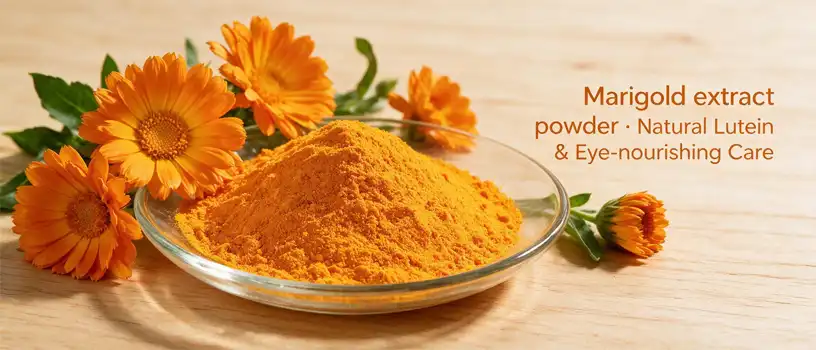
Marigold extract powder can be used instead of artificial food colours in many situations. This natural colour comes from Tagetes erecta flowers and has standardised lutein ratios. It gives colours that run from bright orange to orange-red without using any man-made chemicals. Marigold extract powder is a safe alternative to traditional artificial dyes that meets changing consumer needs. It meets clean-label standards, is safe for use in dairy, drinks, and sweets, and has been tested and shown to work well in these areas.
Introduction
As more people choose "clean label" products, the food industry is under more and more pressure to get rid of synthetic additives. Once thought of as industry standards, synthetic food colourants are now being closely watched by regulators and consumers in both North America and Europe. Procurement managers, manufacturers, and distributors need thorough reviews of natural alternatives that meet performance standards and address safety and environmental concerns. Marigold extract powder stands out as a good natural alternative to artificial dyes because it provides food-grade colour solutions that come from plants and have health benefits. This guide tells people who need to make decisions about natural food colourants where to get them, how to use them, how safe they are, and how the market is changing. We look into whether botanical pigments can really replace synthetic ones on an industrial scale. To do this, we look at performance metrics, regulatory compliance, and the reliability of the supply chain to help businesses around the world make smart purchasing decisions.
Understanding Marigold Extract Powder and Its Role in Food Coloring
Botanical Origin and Extraction Methods
Standardised extraction methods are used to get natural colours from Tagetes erecta flowers that are safe for use in food. High-Performance Liquid Chromatography (HPLC) proves the presence of lutein at a concentration level of 5%. Higher amounts of 20% or 80% are used for specific purposes. The botanical extraction process creates a fine powder with particle sizes between 100 and 120 mesh, which makes it easy to mix into a wide range of food materials. It also protects the delicate carotenoid compounds, mostly lutein and zeaxanthin, while reaching pharmaceutical-grade purity levels that synthetic dyes can't match. Unlike synthetic dyes made through chemical synthesis, natural extraction keeps the plant's natural antioxidant properties, which are useful for more than just looks.
Unique Color Profile and Chemical Composition
Carotene-based dyes give unique orange-yellow to orange-red colours, which rely on the quantity and the area where they are used. Flavonoids, like quercetin and kaempferol, volatile oils, polysaccharides, and vitamins are all part of the chemical makeup. These help keep the colour stable and give the plant its useful properties. This natural matrix is very different from synthetic dyes made from petroleum, which gives manufacturers clean-label benefits that consumers are increasingly looking for. The powder dissolves moderately in oil-based systems and slightly in water, so formulation changes are needed compared to synthetic colourants that dissolve in water. To get the best colour strength and dispersal across different food items, processing factors must take these solubility traits into account.
Industrial Application Guidelines
To get the colour results you want while keeping the product stable, manufacturing environments need precise dosage protocols. Include rates usually fall between 0.01% and 0.5%, but this can change depending on the target colour intensity, the food matrix, and the processing conditions. In dairy applications, the powder naturally sticks to fat-based systems, but in beverage formulations, emulsification technologies may be needed to make sure that the colour is spread evenly. The powder is compatible with a wide range of food matrixes, including candy, baked goods, nutritional bars, and fortified products. When processing with heat, it's important to keep in mind that too much heat can break down carotenoids, so careful timing during production cycles is needed. Leading original equipment manufacturers (OEMs) have documented successful uses across a wide range of product categories. This shows that natural colourants can meet industry performance standards that were previously only met by synthetic options.
Comparison: Marigold Extract Powder vs Synthetic Food Colorants
Chemical Composition and Safety Profiles
Synthetic food colourants like Sunset Yellow (Yellow 6) and Tartrazine (Yellow 5) are made from chemicals that are made from petroleum, which makes people worried even though the government has approved them. Even though these fake colours go through a lot of testing, they are still being closely watched because they may cause excitement in children and allergy reactions in sensitive groups. There are approved use lists maintained by regulatory bodies like the FDA and EFSA, but consumer advocacy groups are pushing manufacturers to use natural alternatives. Natural carotenoid pigments have a history of being safe to eat. The botanical origin gets rid of any synthetic chemical residues and adds antioxidant benefits that improve the quality of the product as a whole. Toxicological studies consistently show that plant-based colourants are safer than synthetic ones, which meets the needs of procurement managers who want to reduce risk.
Performance Metrics: Stability and Intensity
Stability of colour under processing stresses is an important performance factor for industrial uses. Synthetic dyes usually do very well at withstanding high temperatures and changes in pH, so they keep their colours even when production conditions are tough. In the past, natural pigments had trouble staying stable, but new extraction methods have made a big difference in how well they work, especially for plant-based ingredients such as Marigold Extract Powder. Today's natural colourant products are stable enough across pH ranges from 3 to 7, which is enough for most food uses. Heat stability goes up to temperatures used for pasteurisation, but processing at very high temperatures might need protective encapsulation technologies. Light exposure is still an issue for clear packaging, where synthetic dyes are better at withstanding light. Comparing colour intensities shows that higher doses of natural pigments often have the same visual effect as lower concentrations of synthetic dyes. When figuring out the total cost of preparation, cost-benefit studies need to take dose differences into account. Shelf life tests show that naturally occurring colourants that are properly mixed keep their colour well for the normal amount of time that a product lasts, which meets the standards for business viability.
Regulatory Compliance and Market Access
As support for clean label programs grows in the legislature, regulations are changing to favour natural food products even more. European Union rules allow lutein from marigolds to be added to food in certain situations, but U.S. According to the FDA, natural colourants are regulated in a different way than manufactured colours. Labelling rules and market positioning tactics are affected by these differences in regulations. For example, the paperwork needs for natural and manmade colourants are very different. It's often easier to get approval for natural ingredients in some places, especially for organically certified products. Traceability rules favour botanical colourants that have clear supply chain documentation. This helps retailers and customers meet their demands for transparency.
Procurement Guide for Marigold Extract Powder in B2B Markets
Selecting Quality Suppliers and Certifications
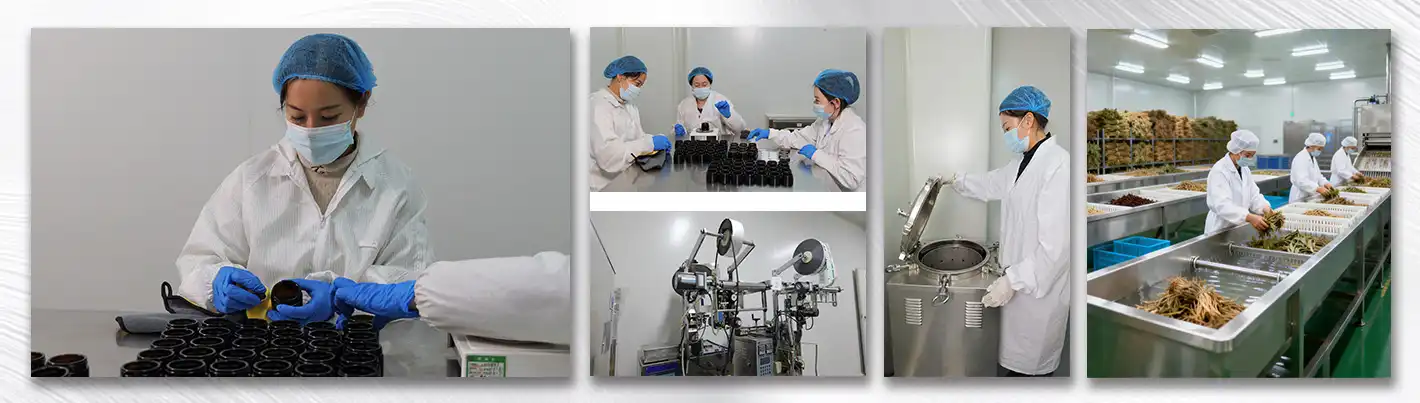
When making decisions about what to buy, suppliers need to be carefully evaluated, with a focus on their quality assurance systems and certification portfolios. ISO 9001 quality management certifications set basic standards for production, and GMP (Good Manufacturing Practice) compliance makes sure that manufacturing environments are safe for making medicines. Organic certifications from the USDA or EU make sure that non-GMO ingredients are used and that farming is done in a way that doesn't harm the environment. This meets the requirements for a clean label. When evaluating suppliers, facilities that can do a wide range of tests should be given the most weight. These tests should include HPLC checks for active compound levels, heavy metal screening, microbiological analysis, and pesticide residue testing. Validation by a third-party laboratory gives extra peace of mind for applications that care about quality. Traceability systems that follow raw materials from the field to the finished product help with auditing and following the rules. When making relationships for big purchases, dependability measures become the most important things to think about. Production capacity estimates make sure that providers can handle both small-batch customisations during the development phase of a product and large-scale orders for mass production. When there are more than 1,000 tonnes of plant products in stock, it means that the supply chain system is strong and can support regular shipping plans.
Packaging and Logistics Considerations
For bulk orders, you need special packaging that keeps the colour stable while it's being stored and shipped. Food-grade aluminium foil bags with moisture shields keep colours from fading and keep their strength throughout the distribution process. For larger shipments, fibre drums with polyethylene liners may be used to save money on industrial-scale purchases. To keep carotenoids intact, storage protocols suggest keeping them cool, dry, and out of direct sunlight. For shipments going to tropical areas or during the summer in temperate areas, temperature-controlled logistics are needed. Distribution partners that can handle the cold chain make sure that the quality of the product is maintained from the factory to the end user. When doing business internationally, you need to think about things like import and export paperwork, customs classifications, and following the rules in each destination market. Suppliers with a lot of experience offer a wide range of services, such as certificates of analysis, phytosanitary certificates, and regulatory status confirmations that are specific to the market. This documentation support makes it easier for international buyers to clear customs and shortens the time it takes to buy something.
Evaluating Supplier Credibility
As part of the due research process, suppliers' track records should be looked at by calling past customers and checking their reputations in the industry. Performance data related to industrial uses should also be looked at. Long-term relationships with foreign brands show that the seller is stable and the product is always the same. Professional honesty is respected in business-to-business relationships, and open communication about production capacity, wait times, and possible supply limits is an example. Technical support skills set exceptional suppliers apart from basic item providers. Having access to formulation scientists, application specialists, and regulatory experts is very helpful for buying teams that are making new goods or changing the recipe of current lines. Suppliers who give testing examples, custom concentration development, and pilot-scale production help make it possible to do a full evaluation before committing to full-scale production.
Practical Application and Integration in Food Production Lines
Dosage Optimization and Process Integration
To successfully add natural colourants to existing production processes, you need to take a planned approach that balances colour goals with the realities of processing. Initial formulation tests figure out the base dosage needs. Usually, inclusion rates start at 0.1% and are changed based on the desired colour intensity and the food matrix's properties. Oil-based systems develop colours better than water-based systems, so they need different concentration strategies. Changes to the manufacturing process may include pre-dispersion steps to make sure that colours are spread evenly across all batches of products, especially when using plant-based ingredients such as Marigold Extract Powder as a natural colour source. High-shear mixing equipment makes it easier for colour particles to spread out in tough mixtures like cheese and drinks. Adding colourants at the right time during production—often after thermal processing if that's possible—minimizes the damage that heat can do. Standardised colorimetric measurements are used in quality control protocols to set acceptable colour range specifications. Spectrophotometry equipment gives an unbiased opinion on colour, which helps keep production batches consistent. In-process monitoring finds deviation points that need to be fixed right away so that the visual quality standards that customers and store partners expect are met.
Industry Case Studies and Success Stories
Leading food companies have switched from using manmade colourants to using natural ones in a number of product categories. When beverage companies changed the recipes of enriched drinks, they added lutein-rich colours and advertised the health benefits for eyes at the same time. This gave customers two benefits. In response to consumer requests, candy companies replaced Sunset Yellow with colourants derived from marigolds in popular lines of candy. This kept the appeal of the products. Dairy companies that added natural colourants to yoghurt and cheese products saw acceptance rates of over 90% during blind taste comparisons. The natural birth story improved how health-conscious groups saw the brand, which supported strategies for charging higher prices. Problems with colour consistency in production were solved by forming partnerships with suppliers that offered technical support and helped improve the formulation.
Safety Testing and Allergen Considerations
Even though plant colourants aren't likely to cause allergies, thorough safety practices include testing for allergens. Microbiological testing, heavy metal verification, and stability studies under accelerated storage conditions are all parts of testing a finished product. These testing schedules make sure that products meet food safety standards in all of their target markets. Consumer trust depends on clear communication about where ingredients come from and how safe they are. People who care about quality like marketing materials that talk about third-party tests, organic badges, and "clean labels." Suppliers keep records of their regulatory compliance, which helps customers do their due diligence and supports quality assurance programs.
Future Outlook: Trends and Innovations in Natural Food Colorants
Market Demand and Regulatory Dynamics
The global natural food colourants market is expected to grow at rates higher than 8% per year until 2030. This is because people want to buy goods with clean labels and governments are putting pressure on companies that use manmade additives. As middle-class buyer groups grow, North American and European markets will lead this shift. As a result, Asian markets will follow similar paths. More and more retailers require labels to list natural ingredients, which makes it harder for products with synthetic colourants to get on the market. New laws in California and some EU member states call for stricter labelling rules for synthetic dyes, which could include warnings about how they might affect children's behaviour. The new rules make it faster for big food companies to change their recipes, which increases the demand for natural alternatives that have been tested and proven to work. Companies are better prepared for market changes when their procurement strategies take these regulatory trends into account.
Technological Advancements in Extraction and Formulation
New developments in extraction technologies are making natural colourants work better, closing the performance gaps that existed with synthetic alternatives in the past. Microencapsulation techniques keep sensitive carotenoids from oxidising and being exposed to light. This makes them last longer and be more stable in tough situations. Nanoemulsion technologies improve colour intensity and how well they dissolve in water, opening up new uses that were limited by solubility issues.Formulation science advances allow the synergistic combination of multiple botanical colourants, which creates a wider range of colours from natural sources. Combining yellows from marigolds, reds from anthocyanins, and blues from spirulina gives you a full range of colours that come from plants. These advances in technology get rid of the old reasons for keeping fake colourants in because they didn't work well enough.
Strategic Recommendations for B2B Clients
Companies that are thinking about switching from synthetic to natural pigments should do so in stages, starting with product lines aimed at health-conscious customers. Before making changes to the whole production process or formula, pilot programs make sure that changes to the recipe work. Long-term supply agreements with certified suppliers make sure that materials are always available and prices stay stable, even as market demand rises. Supplier partnerships that offer technical support during transition phases lower implementation risks and speed up time-to-market. Diversified seller groups lower the risk of being dependent on one provider, and strict qualification processes keep quality standards high. As markets for natural colourants mature and become more consolidated around quality leaders, investing in relationships with suppliers gives companies a competitive edge. As corporate responsibility reporting becomes more important to stakeholders, sustainability commitments have a bigger impact on purchasing decisions. Botanical colourant supply chains that use safe farming methods, leave smaller environmental footprints, and have social responsibility programs are in line with ESG (Environmental, Social, and Governance) goals of businesses. These sustainability features set your business apart in the market and meet the needs of investors and customers.
Conclusion
Natural pigments that come from plants are good alternatives to synthetic food colourants that can be used in many situations. Procurement managers who put customer tastes and clean labels first use performance traits, safety ratings, and legal benefits to help them decide what to buy. Implementation needs changes to the recipe and partnerships with suppliers who have the technical know-how, but successful case studies show that the idea can work on an industrial scale. Market dynamics point to continued growth in the use of natural colourants, which is driven by changes in regulations and patterns of consumer demand. Companies that make smart decisions about what to buy today will be better prepared for how the market changes in the future, when natural ingredients become standard instead of expensive alternatives.
FAQ
Is marigold extract powder safe as a food colorant?
Natural carotenoid pigments from Tagetes erecta demonstrate excellent safety profiles with extensive consumption histories and minimal adverse event reports. Regulatory bodies including FDA and EFSA recognize lutein as safe for food applications. Toxicological studies show no significant safety concerns at typical food-grade inclusion levels, unlike certain synthetic dyes linked to hyperactivity concerns.
How does the cost compare to synthetic dyes?
Initial ingredient costs for natural colorants typically exceed synthetic alternatives on per-unit basis, though dosage requirements vary by application. Total formulation cost analyses must consider clean-label marketing premiums, reduced regulatory risks, and consumer preference advantages. Bulk procurement pricing and improved extraction efficiencies continue narrowing cost differentials, making natural options increasingly competitive.
What certifications should buyers prioritize?
Quality-conscious procurement requires ISO 9001, GMP certifications, and organic validations from recognized certifying bodies. HPLC-verified lutein concentrations ensure consistency, while heavy metal, pesticide, and microbiological testing documentation confirm safety standards. Traceability certifications supporting supply chain transparency address audit requirements and regulatory compliance obligations across international markets.
Partner with BioSpark for Premium Natural Colorant Solutions
BioSpark stands ready to support your transition to clean-label formulations with pharmaceutical-grade natural pigments backed by comprehensive quality assurance. Our marigold extract powder supplier credentials include ISO certifications, organic compliance, and production capacity exceeding 1,000 tons supporting both prototype development and commercial-scale manufacturing. Advanced supercritical extraction technologies deliver standardized lutein concentrations with superior bioavailability and stability profiles meeting demanding industrial applications. We provide full-process OEM and ODM support from formulation development through final packaging, ensuring seamless integration into your product lines. Contact our technical team at leao@biosparkcn.com to request samples, discuss bulk pricing structures, and access detailed specification documentation. Our global logistics capabilities serve markets across North America, Europe, and Asia with reliable delivery schedules and comprehensive regulatory support simplifying international procurement complexities.
References
1. Delgado-Vargas, F., Jiménez, A. R., & Paredes-López, O. (2000). Natural pigments: carotenoids, anthocyanins, and betalains—characteristics, biosynthesis, processing, and stability. Critical Reviews in Food Science and Nutrition, 40(3), 173-289.
2. Scotter, M. J. (2015). Synthesis and chemical properties of food colorants. In Colour Additives for Foods and Beverages (pp. 1-37). Woodhead Publishing.
3. Sigurdson, G. T., Tang, P., & Giusti, M. M. (2017). Natural colorants: food colorants from natural sources. Annual Review of Food Science and Technology, 8, 261-280.
4. Downham, A., & Collins, P. (2000). Colouring our foods in the last and next millennium. International Journal of Food Science & Technology, 35(1), 5-22.
5. Rodriguez-Amaya, D. B. (2016). Natural food pigments and colorants. Current Opinion in Food Science, 7, 20-26.
6. Mortensen, A. (2006). Carotenoids and other pigments as natural colorants. Pure and Applied Chemistry, 78(8), 1477-1491.

Send Inquiry

Related Industry Knowledge
- Is Kidney Bean Flour a Good Plant Protein Ingredient?
- Can pomegranate peel extract powder help boost natural immunity defense?
- What Makes Egg Yolk Fruit Powder So Popular in 2026?
- Why Is White Kidney Bean Extract Powder Popular Worldwide?
- Is Your Cowpea Powder Tested for Purity and Safety?
- How does gardenia fruit powder support digestive health?
- Can Red Bean Extract Help Detox the Body?
- Top Benefits of Red Bean Extract in Dietary Supplements
- Can Tanshinone Danshen Extract Powder Aid Immune Balance?
- Can Oyster Shell Extract Powder Improve Immune Function?