_1764041963888.webp)
How Does Hydrolysis Affect Damiana peptide Quality?
Oct 12, 2026
Hydrolysis is important in the ultimate quality of damiana peptides. The enzymatic hydrolysis of plant proteins from Turnera diffusa reduces long protein chains to small-molecule peptides (usually <3000 Da) that are more easily absorbed by the body than the unhydrolyzed botanical extract. This method directly affects purity, bioactivity, solubility, and shelf stability. Poorly regulated hydrolysis leads to uneven molecular weights and residual impurities, while a well-controlled procedure provides a clean, water-soluble powder with repeatable active ingredient profiles suited for dependable supplement formulation.
Understanding Damiana Peptide and Hydrolysis
What Is Damiana Peptide?
Damiana peptide originates from the plant Turnera diffusa, which grows naturally in South and Central America and has long been utilized in traditional medicine. Unlike other plant products, damiana peptide is processed using unique chemical procedures to extract and concentrate bioactive small-molecule peptides. This is how a helpful component is generated, which delivers the body the herb's natural chemicals in a method that can be used better. These chemicals include steroidal saponins, flavonoids, and minor benzofluorene derivatives.
How Enzymatic Hydrolysis Works
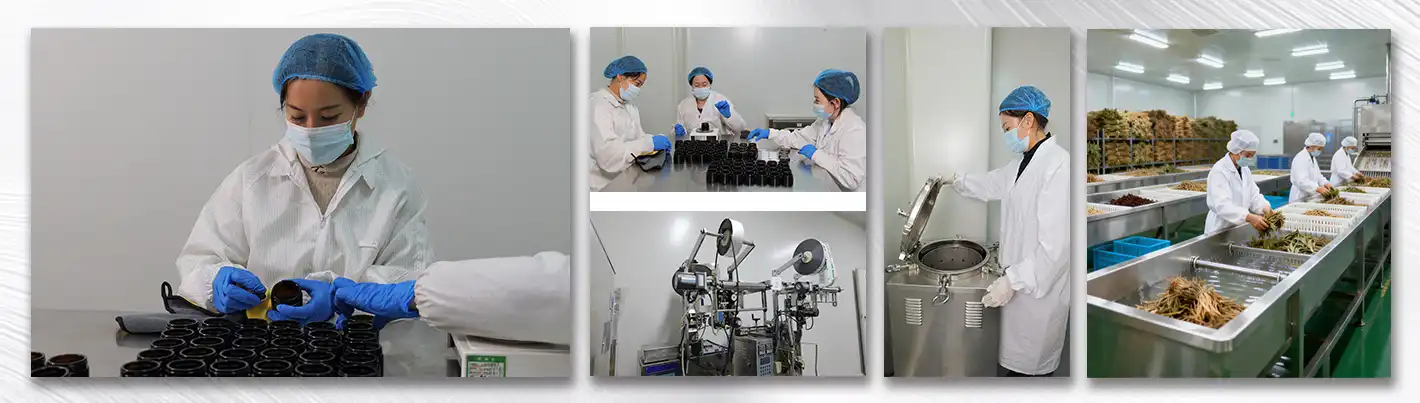
Some enzyme mixes are utilized for plant protein-specific enzymatic hydrolysis, which cleaves peptide bonds in the plant protein matrix of Damiana. Enzymes execute their function without the unpleasant chemical breakdown that occurs with acid or alkaline hydrolysis because they only cleave chains at specified locations. The net result is a discrete family of tiny peptides that are bioactive, much like the plant itself. This is why enzymatic hydrolysis is the ideal technique for the production of safe and effective vitamin ingredients of high grade.
Why Hydrolysis Defines Product Quality
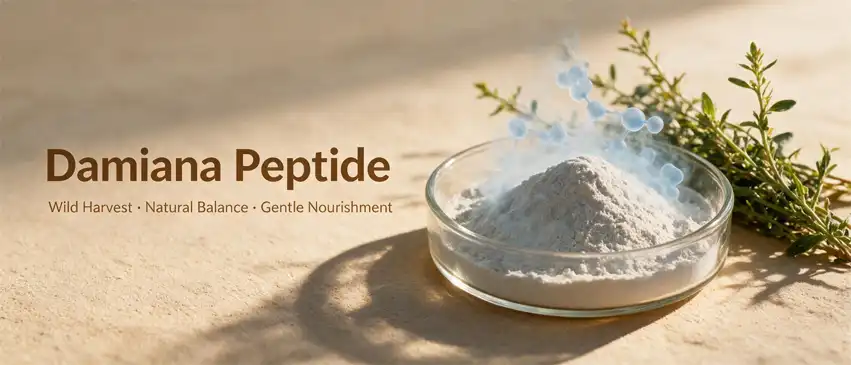
The degree of hydrolysis, or how far the protein chains are broken down, influences the molecular weight distribution, the solubility of the powder in water, and the quantity of active compounds that are present. A highly adjusted procedure yields a fine, light brown to brownish powder that is always a 10:1 extract and smells like herbs. It is also soluble in water. These physical properties make it easier to produce pills, tablets, medicinal liquids, and herbal teas.
Key Quality Factors of Damiana Peptides Affected by Hydrolysis
Purity and Consistency
The Damiana peptide is degraded by ethyl esterases in a highly uniform manner from batch to batch. Active chemical profiles of each batch of drug are verified using thin-layer chromatography (TLC). If you don't pay careful attention to the process, you can end up with incomplete hydrolysis and high-molecular-weight proteins that reduce purity and introduce unwanted variation. This is a major challenge for companies that rely on labels to be true.
Bioactivity of Active Compounds
The herb’s key bioactives, such as flavonoids and steroidal saponins, are retained, but they are broken down into molecules that are more accessible. Studies of plant peptides indicate that molecules under 3000 Da in molecular weight tend to bind to receptors faster than complete proteins. If there are proper circumstances for hydrolysis, heat-sensitive flavonoids do not decompose. So the mood-uplifting and antioxidant effects of damiana peptide are retained.
Peptide Stability and Shelf Life
A lot of the stability of a stored item has to do with its degradation. It is soluble in water and in ethanol, but not completely if the damiana peptide powder is well digested. It is also chemically stable when stored in sealed 25-kilogram barrels. Peptides are degraded faster if too much water is taken in, or if the enzymes are not completely switched off after hydrolysis. They need to kill any remaining enzyme activity and make sure the powder is up to requirements for microbial contamination before it can be sold.
Comparing Hydrolyzed Damiana Peptide with Other Forms
Hydrolyzed vs. Standard Damiana Extract
There are natural chemicals in damiana that are in a molecular form that makes it take longer to be absorbed. This is what a normal 10:1 concentration looks like. The digested damiana peptide does one more thing: it breaks down the plant proteins into smaller pieces that can get through the gut barrier more easily. Because of this difference, pill brands that claim to increase libido, control energy, or keep moods stable will work faster and more consistently for their customers. This leads to better reviews of the product and people buying it again.
When people buy something, they often question whether the extra cost of bacterial hydrolysis is worth it. The following are some benefits of hydrolyzed damiana peptide over standard extract:
- Higher bioavailability due to small-molecule peptide size below 3000 Da, allowing faster gastrointestinal absorption.
- Cleaner solubility profile—the powder dissolves readily in water, making it suitable for functional beverages and liquid formats.
- Preserved multi-compound activity, retaining steroidal saponins, flavonoids, and other botanicals without harsh chemical processing.
Since these things are true, hydrolyzed damiana peptide is better for high-end supplement lines that are backed by science than regular plant pills.
Damiana Peptide vs. Other Herbal Peptides
Some of the ways that ginseng peptides and damiana peptides are different are when it comes to sexual health, mental health, and helping with light energy. It is easy to get ginseng peptides, which are also known as goods. On the other hand, hydrolyzed damiana peptides are regionally unique and don't show up on the market as often. It is safer, it is better controlled in the U.S. food supplement market, and it fits in better with clean-label formulation trends than synthetic peptide versions that come from damiana plants.
Procurement Considerations for Hydrolyzed Damiana Peptides
Evaluating Supplier Credentials
Purchasing managers should give more weight to suppliers whose credentials have been checked out. It is made in a plant that is ISO9001, GMP, and FDA-registered by BioSpark. There are also Kosher and Halal certifications for some markets. These credentials show that the place where the products are made, where the raw materials come from, and how the finished products are tested all meet international standards for compliance. This makes it safer for importers and marketers to go into the U.S. or European markets.
Pricing Dynamics and Minimum Order Quantities
The price is higher because using enzymes to break down cells costs more than just using solvents to remove the cells. Cost-per-effective-dose estimates, on the other hand, tend to back up the hydrolyzed form since it works better. The smallest amount you can buy from BioSpark is 1 kg, and the standard packaging comes in 25 kg drums. Because of this, brands can try out different recipes before placing large orders. The following terms of delivery can be used: FOB, CIF, CFR, EXW, DAP, and DDP. Payment can be made by B/T.
Quality Verification Protocols
People who want to buy a lot of something should make sure they get batch-specific TLC test reports that prove the name of the active ingredient, as well as microbe contamination certificates and heavy metal testing results. When you buy damiana peptide from a trustworthy business, it comes with a Certificate of Analysis (CoA). BioSpark always has enough in stock to ship quickly by express, air freight, or sea freight. The shipping schedules are also very clear, which helps supplement brands and contract manufacturers plan their production.
Case Studies and Industry Insights
OEM Applications and Real-World Results
BioSpark has worked with a number of supplement businesses to include hydrolyzed damiana peptide into their lines of energy-management and sexual-health drugs. The powder dissolves quickly in water, so it may simply be incorporated into pill fills and powdered drink mixes without leaving an undesirable aftertaste. This looks fantastic and supports the high costs. This substance has been integrated into complete health items for men and women by North American OEM purchasers, as well as maca root and tongkat ali.
Market Trends Driving Demand
“Globally, the market for plant supplements is increasingly moving toward ingredients with traceability back to their original sources and proof of bioactive qualities. In this scenario, damiana peptide is a natural substance from plants, with a transparent molecular profile and manufacturing history. The global market for plant supplements was more than $9 billion in 2022, according to Grand View Research. Some of the fastest-growing categories were natural items for sexual health and products that aid with mood. This Damiana peptide is proprietary, so companies who want to stay ahead of the pack are probably to continue employing it.
Conclusion
Hydrolysis is the process that alters the activity of a damiana peptide ingredient in a final supplement. It is not a further stage in the making. Quality controls and a small-molecule peptide fraction are produced when enzyme breakdown is performed correctly. This fraction has greater absorption, stability, and formulability characteristics than conventional plant extracts. Nutritional supplement companies, OEM partners, and supplement businesses looking to acquire damiana peptide need to know about the impact of hydrolysis on quality. This will help people decide what to purchase in a manner that preserves both the effectiveness of the product and the reputation of the brand.
FAQ
1. Does hydrolysis make damiana peptide more effective than regular extracts?
Yes. Enzymes in the Damiana plant break down proteins into peptides, which are smaller molecules with a mass of less than 3000 Da. This smaller molecular size makes it easier for the body to absorb than plant material that has not been treated. This process also brings out the active ingredients, like flavonoids and steroidal saponins. At the same amounts, this makes the ingredient work better.
2. Are there side effects specific to hydrolyzed damiana peptide?
It is generally fine to use hydrolyzed damiana peptide in the amounts that are recommended. The chemical process gets rid of a lot of the bigger, harder-to-digest protein pieces. Buyers should make sure that providers have checked for contamination with heavy metals and microbes. These are the quality problems that are more likely to happen when botanical peptides are made than problems with the hydrolysis process itself.
3. How can I verify the quality of damiana peptide before purchasing?
A Certificate of Analysis (CoA) should be asked for from the seller. The COA should include the TLC identification of active chemicals, the limits for microbes, the heavy metal tests, and the amount of water present. Ask for proof from a third-party lab to be even more sure. Certifications like GMP, ISO9001, and FDA registration at the factory are strong signs that the goods are of good quality.
Partner with BioSpark for Premium Damiana Peptide Supply
It is safe to buy and use damiana peptide from BioSpark (Xi'an) Biotechnology Co., Ltd because it has ISO9001, GMP, FDA, Kosher, and Halal certifications. We sell supplements all over North America and help people make and sell them. You can buy as little as 1 kg from us. Please email us at leao@biosparkcn.com right away to get samples, prices, or recipe ideas.
References
1. Alcaraz-Meléndez, L., Real-Cosío, S., & Ramírez-Lepe, M. (2004). Journal of Ethnopharmacology, 95(2–3), 189–193.
2. Zhao, Q., Xiong, H., Selomulya, C., & others. (2012). Effects of spray drying and freeze drying on the properties of plant protein hydrolysates. Food and Bioprocess Technology, 5(4), 1359–1370.
3. Grand View Research. (2023). Herbal Supplement Market Size, Share & Trends Analysis Report. Grand View Research.
4. Cheung, I. W. Y., & Li-Chan, E. C. Y. (2010). Angiotensin-I-converting enzyme inhibitory activity and bitterness of enzymatic hydrolysates of heat-denatured whey protein. Journal of Agricultural and Food Chemistry, 58(3), 1370–1379.
5. Hartmann, R., & Meisel, H. (2007). Food-derived peptides with biological activity: from research to food applications. Current Opinion in Biotechnology, 18(2), 163–169.
6. Williamson, E. M. (2003). Drug interactions between herbal and prescription medicines. Drug Safety, 26(15), 1075–1092.

Send Inquiry
Related Industry Knowledge
- Bovine Bone Collagen Peptide: Benefits and Applications
- How to Choose the Best Yam Juice Powder Supplier
- Sea Buckthorn Juice Powder vs. Fresh Juice: Which Is Better?
- Where to Buy Hami Melon Powder for Import and Wholesale
- Is Holy Berry Powder suitable for Dietary Supplement Formulas?
- Is Cape gooseberry powder Good for Daily Nutrition?
- Searching for High-Purity Holy Berry Powder in Stock?
- Gotu Kola Extract Powder: What Makes It So Popular?
- Angelica Sinensis Extract Powder for Beginners: What to Know?
- Is Radix Rehmanniae Extract Good for Metabolic Health?
