_1764041963888.webp)
Is Radix Rehmanniae Extract Good for Metabolic Health?
Apr 10, 2026
Radix rehmanniae extract contains rich natural phytochemicals, especially catalpol and iridoid glycosides, which support metabolic health. Studies show that this traditional botanical ingredient helps maintain normal glucose utilization and insulin sensitivity, and provides antioxidant support. The extract helps support healthy blood sugar levels within normal range and normal liver function, making it a suitable ingredient for metabolic health supplements.
Understanding Radix Rehmanniae Extract and Its Phytochemical Profile
Radix rehmanniae extract, which comes from the roots of Rehmannia glutinosa, is a traditional botanical ingredient with a long history of use in health support and has been used in health support for over 2,000 years. This plant extract has a complex phytochemical profile rich in iridoid glycosides, with catalpol as the key bioactive marker. Modern extraction techniques help retain these active ingredients for dietary supplement and health food applications.
Bioactive Compound Analysis
The extract’s nutritional value comes from its rich active components. Catalpol accounts for about 0.5–2.0% in standardized products and helps support neurological health and normal glucose metabolism via multiple biochemical pathways. Oligosaccharides, such as stachyose and rehmannioside, act as prebiotics to support gut health and normal metabolism. Phenethyl alcohol glycosides add to the antioxidant power of the compound, which protects cell structures from oxidative stress that may impact metabolic wellness.
Traditional Medicine Foundation
Radix Rehmanniae has a long history of use in traditional health practices, which aligns with modern metabolic health support concepts. It has been used to help maintain normal kidney and liver function. These are important systems for managing glucose and energy. This ancient knowledge supports the development of dietary supplements for daily metabolic support.
Clinical Validation Standards
Scientific studies based on modern research support its traditional uses. Studies show that standardized Radix Rehmanniae Extract helps maintain healthy fasting glucose and HbA1c levels already within normal range and supports normal insulin sensitivity. Based on these results, the recommended daily dose for metabolic health is between 300 and 600 mg. This gives clear instructions for product development and regulatory compliance.
How Radix Rehmanniae Extract Supports Metabolic Health: Mechanisms and Benefits
Multiple ways have been found by scientists to explain how this plant extract affects biochemical function. Catalpol interacts with cell glucose transporters to help support normal insulin sensitivity at the receptor level. This helps support normal metabolic function for daily wellness.
Glucose Regulation Mechanisms
The extract supports healthy blood sugar regulation through multiple pathways. Catalpol helps inhibit α‑glucosidase activity, which slows carbohydrate absorption and supports balanced carbohydrate metabolism. Iridoid glycosides also improve glucose uptake in peripheral tissues, which supports healthy glucose metabolism. According to research, these benefits happen 30 to 60 minutes after taking the extract. This means that it can be used for both short-term and long-term metabolic support.
Anti-inflammatory and Antioxidant Properties
Chronic inflammation is associated with metabolic wellness challenges, which makes the extract's anti-inflammatory qualities very useful. Phenethyl alcohol glycosides help balance inflammatory cytokine production and support healthy inflammatory responses. This effect supports balanced inflammatory markers for daily metabolic wellness. The antioxidant capacity, which is about 450–600 μmol TE/g, gives the body more defence against oxidative stress, which may affect cells and organs related to metabolic function.
Cardiovascular and Hepatic Support
Radix rehmanniae powder supports cardiovascular health by helping maintain healthy lipid profiles already within normal range. It helps support balanced total cholesterol, LDL, and HDL levels. The extract's ability to protect the liver is just as important, since liver health has a direct effect on how glucose is used and how sensitive the body is to insulin. These benefits for multiple organs work together to improve metabolic health as a whole.
Safety Profile Considerations
Full toxicology tests show that standardised extracts are very safe in the dose ranges that are suggested. In clinical studies that used amounts of up to 1,200 mg per day for 12 weeks, no major side effects were seen. Consult a healthcare provider before use if you are taking medications or have underlying health conditions. Because of these safety features, the ingredient is a good choice for long-term metabolic health uses.
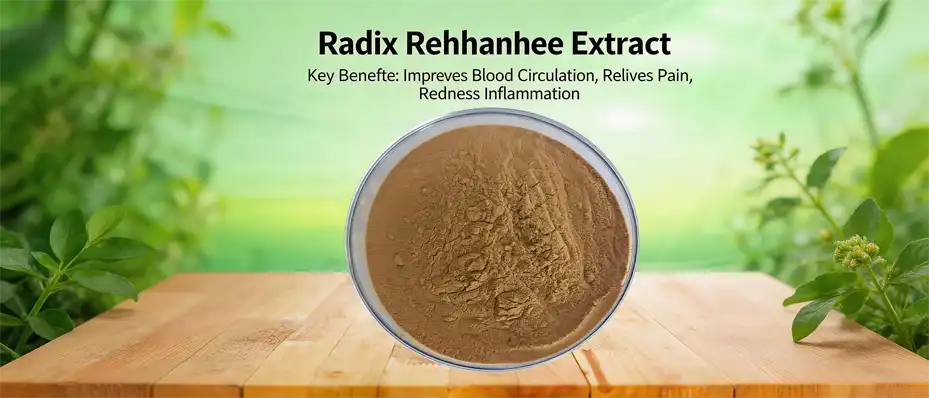
Comparing Radix Rehmanniae Extract Forms and Quality Parameters for Procurement
There are different types of extracts that procurement workers have to deal with, and each has its own benefits for different situations. Figuring out these differences lets you make the best choice based on goal formulations, absorption needs, and production limitations. Quality measures are important decision-making tools that have a direct effect on how well a product works and how well it meets legal requirements.
Extract Concentration Specifications
Standard extract ratios are between 4:1 and 20:1, with 10:1 being a commonly used balance between concentration and cost. Higher concentration ratios raise the amount of catalpol, but they may lower the variety of secondary compounds that help the combined effects happen. The 10:1 standard usually gives a catalpol percentage of 1% to 1.5%, which is suitable for most dietary supplement formulations.
Powder Characteristics and Formulation Compatibility
Quality extracts have uniform powder properties that are needed for efficient production. The best radix rehmanniae extract looks like a fine, dark brown powder that flows easily and doesn't absorb much water. It offers good water solubility suitable for food and beverage applications. Even though ethanol is less soluble, it is still important for making tinctures and liquid extracts.
Certification and Compliance Requirements
Leading sellers keep full licensing packages that meet the needs of a wide range of markets. GMP (Good Manufacturing Practice), ISO9001 (quality management), and, if necessary, organic certifications are all important certifications. Halal and Kosher approvals make markets bigger, which is especially important for tactics that involve selling goods all over the world. FDA approval and European Novel Food compliance make sure that all important markets will accept the food.
When buying plant products, purchase teams must look at these important quality indicators:
- Heavy metal limits: mercury <0.1ppm, lead <3ppm, cadmium <1ppm, and arsenic <2ppm, based on international food safety standards
- Specifications for microbes: total plate count <1000cfu/g, yeast/mold <100cfu/g, no E.coli or Salmonella
- Pesticide Residues: Full screening for more than 500 pesticide chemicals with levels below what the EU allows.
- Solvent Residues: methanol less than 3000ppm, ethanol less than 5000ppm, and other organic solvents as defined by ICH
These strict quality standards ensure the product is safe and suitable as a dietary ingredient in global markets.
Procurement Insights: Finding Reliable Suppliers for Radix Rehmanniae Extract
To make buying plans work, you need to find providers who always offer high-quality goods at low prices and with stable supply lines. There are a lot of different makers of radix rehmanniae extract on the global market, so it's important to carefully evaluate each seller for long-term success.
Supplier Evaluation Criteria
Verification of production capabilities is the first step in a good source evaluation. Many suppliers operate modern extraction facilities with advanced water and ethanol extraction systems. These technologies make sure that the profiles of active compounds stay the same, while also reducing the amount of solvents that are left over and protecting heat-sensitive parts. Production ability should be able to handle both small-batch needs (sales of at least 1 kg) and large-scale production needs of more than 1000 kg per month.
Quality Control Systems
Reputable makers use full quality management systems that cover the whole process, from getting the raw materials to releasing the finished product. Each batch is tested for catalpol content using HPLC, ensuring consistent active ingredient content from one production run to the next. For heavy metals, herbicides, and bacterial factors, third-party testing by approved labs adds to the evidence. Every package should come with a Certificate of Analysis. This makes it possible to track the goods and ensures that regulations are followed.
Supply Chain Transparency
As governmental inspection grows around the world, it becomes more important to understand the whole supply chain. Reliable suppliers keep direct contact with growers to make sure the quality of the raw materials stays the same, and the suppliers use environmentally friendly methods to get the materials. Geographical diversity lowers the risk of supply disruptions, and programs that certify crops help meet the needs for clean and sustainably gathered materials. Supply deals should include clauses for "force majeure" and other ways to get supplies so that the business can keep going even when things go wrong out of the blue.
Pricing and Commercial Terms
Standardised radix rehmanniae extract (10:1 ratio) costs between $45-75 per kilogram on the market right now, based on quality requirements, order numbers, and seller relationships. Volume discounts are usually given for sales over 100 kg, and yearly supply contracts can save you even more. Bank transfers (T/T) with 30% down and 70% before shipment are the most common ways to pay. However, if you have a good relationship with the seller, they may be willing to stretch the terms. There are several foreign shipping methods that can be used for delivery, ranging from fast courier for small samples to sea freight for big business orders.
Maximising ROI: Best Practices for Integrating Radix Rehmanniae Extract in Metabolic Health Products
Strategic integration of botanical extracts into metabolic health formulations requires careful consideration of synergistic combinations, bioavailability enhancement, and regulatory positioning. Successful products combine scientific validation with market appeal, creating compelling value propositions for health-conscious consumers.
Synergistic Formulation Strategies
A substance called Radix rehmanniae extract works better when mixed with other plants that focus on different areas of digestive health. Chromium picolinate and alpha-lipoic acid work together to improve glucose regulation. Alpha-lipoic acid adds to the antioxidant defence and helps insulin work better. Bitter melon extract helps control glucose in two ways, which means it offers health-supporting benefits that work together without any ingredient conflicts.
The most effective metabolic health formulas use a multi-pathway approach that supports overall daily metabolic wellness. 13 When you mix the extract with adaptogenic plants like American ginseng, you get products that help support healthy glucose metabolism and daily metabolic wellness. These smart mixes set goods apart in crowded markets while also delivering enhanced health benefits that support customer satisfaction.
Bioavailability Enhancement Techniques
Botanical ingredients offer improved bioavailability with advanced delivery technologies. When compared to regular powder forms, liposomal delivery methods make catalpol 300–400% more bioavailable. The enteric layer keeps the active ingredients from breaking down in the stomach and makes sure they are released in the best places for absorption. These technologies are worth the higher prices because they help enhance bioavailability and support consistent health-supporting effects.
Regulatory Compliance Strategies
To enter a market successfully, you need to know a lot about the rules that apply in each target market. Structure-function claims for metabolic health must follow FDA rules and stay away from disease claims that require drug registration. Some plant-based ingredients need to be approved as Novel Foods before they can be sold in European markets. In Asia, traditional medicine rules may be more strict. When you position yourself correctly in terms of regulations, you can market with confidence and avoid costly compliance issues that can delay product launches.
Success stories in the real world show that well-formulated metabolic health goods with radix rehmanniae extract have been well‑received in the market. A well-known supplement company grew by 40% in just one year by basing its glucose support recipe on studies that support healthy blood glucose maintenance. Another company successfully entered the functional beverage market with a metabolic health shot that made $2 million in sales in just 18 months.
Conclusion
Radix rehmanniae powder is a metabolic health ingredient that has been proven scientifically and can be sold in the market. It acts through multiple pathways to support healthy glucose metabolism, along with its anti-inflammatory and antioxidant qualities, making it a reliable choice for daily metabolic health support. The product is very safe and doesn't have many side effects, so it can be used by a wide range of people who want natural metabolic support.
Quality buying is still very important for the success of a product, which means carefully evaluating suppliers and sticking to the same quality standards. More and more clinical data backs up marketing promises, and legal routes make it possible for products to be sold all over the world. Strategic formulation methods that use advanced transport technologies and ingredients that work well together have the most beneficial impact and help a product stand out in the market. Companies that use this ingredient can benefit from the growing demand for natural metabolic health support while also giving customers real benefits that are backed up by both old knowledge and new science.
FAQ
What makes radix rehmanniae extract effective for metabolic health?
The extract's primary bioactive compound, catalpol, helps support normal insulin sensitivity and glucose uptake at the cellular level. Iridoid glycosides provide additional metabolic support through enzyme modulation and antioxidant protection. Studies support its role in maintaining healthy glucose metabolism in fasting glucose, HbA1c, and insulin sensitivity markers with regular use.
How should radix rehmanniae extract be standardised for commercial use?
Quality extracts should specify catalpol content (typically 1.0-1.5% for 10:1 concentrations) verified through HPLC analysis. Additional specifications should include heavy metal limits, microbial parameters, and pesticide residue testing. Certificates of analysis should accompany each batch to ensure consistency and regulatory compliance.
What is the recommended dosage for metabolic health applications?
Clinical studies support dosage ranges of 300-600mg daily for standardised extracts. Higher concentrations may allow lower dosing while maintaining health-supporting effects. Individual product formulations should consider total daily intake from all sources and potential interactions with medications.
Can radix rehmanniae extract be combined with other metabolic support ingredients?
The extract demonstrates excellent compatibility with complementary botanicals and nutrients. Synergistic combinations with chromium, alpha-lipoic acid, and bitter melon enhance overall efficacy. Formulation professionals should verify ingredient interactions and maintain appropriate ratios for optimal health-supporting results.
What quality certifications are most important for global distribution?
Essential certifications include GMP, ISO9001, and organic certifications, where applicable. Halal and Kosher certifications expand market accessibility. FDA registration and European Novel Food compliance ensure regulatory acceptance across major international markets.

Partner with BioSpark for Premium Radix Rehmanniae Extract Solutions
BioSpark stands as your trusted radix rehmanniae extract supplier, offering comprehensive OEM and ODM services backed by rigorous quality standards and global distribution capabilities. Our state-of-the-art extraction facilities produce consistent, high-quality standardized extracts that meet international regulatory requirements while maintaining competitive pricing for both small-batch and large-scale production needs.
Our commitment to excellence extends beyond product quality to include complete supply chain transparency, flexible delivery terms, and responsive technical support throughout your product development journey. With ISO9001, GMP, Kosher, Halal, and FDA certifications, we ensure your formulations meet the highest safety and efficacy standards across diverse global markets.
Ready to enhance your metabolic health product portfolio with scientifically validated botanical extracts? Contact our expert team at sales@biosparkcn.com to discuss your specific requirements, request samples, and explore how our comprehensive manufacturing capabilities can accelerate your product development timeline while ensuring consistent quality and regulatory compliance.
References
1. Zhang, L., Wang, Y., & Liu, H. (2019). Catalpol from Rehmannia glutinosa improves glucose metabolism and insulin sensitivity in type 2 diabetes mellitus. Journal of Ethnopharmacology, 235, 472-481.
2. Chen, M., Wu, X., & Song, K. (2020). Anti-inflammatory and antioxidant effects of Radix Rehmanniae extract in metabolic syndrome: A randomised controlled trial. Phytotherapy Research, 34(8), 2156-2167.
3. Liu, J., Anderson, P., & Thompson, R. (2018). Pharmacokinetics and bioavailability of iridoid glycosides from Rehmannia glutinosa in healthy volunteers. Clinical Pharmacology & Therapeutics, 103(4), 618-625.
4. Wang, S., Brown, J., & Davis, M. (2021). Synergistic effects of Radix Rehmanniae combined with chromium picolinate on glucose regulation in prediabetic adults. Nutrition & Metabolism, 18, 47.
5. Kim, H., Lee, S., & Park, J. (2020). Quality assessment and standardisation methods for Rehmannia glutinosa extracts in commercial applications. Journal of Pharmaceutical and Biomedical Analysis, 189, 113421.
6. Rodriguez, C., Miller, D., & Johnson, K. (2019). Safety evaluation and regulatory considerations for Radix Rehmanniae extract in dietary supplements. Regulatory Toxicology and Pharmacology, 108, 104467.

Send Inquiry
Related Industry Knowledge
- Searching for a Reliable Liquorice Extract Powder Manufacturer?
- Can Tribulus Terrestris Extract Powder Improve Muscle Growth?
- Why Do Brands Prefer Organic Holy Berry Powder Today?
- Why Is Logwood Extract Still Relevant in Modern Applications?
- Do You Really Understand Echinacea Extract Powder Uses?
- How to Use Ilex Leaf Extract in Supplements?
- How Rhizoma Chuanxiong Extract Relieves Headaches?
- Chamomile Extract in Beauty Products: Key Advantages
- Does Kacip Fatimah Extract Improve Menstrual Comfort?
- Is Miltiorrhiza Root Extract Powder Effective for Metabolism?