_1764041963888.webp)
Bovine Bone Collagen Peptide: Benefits and Applications
Sep 17, 2026
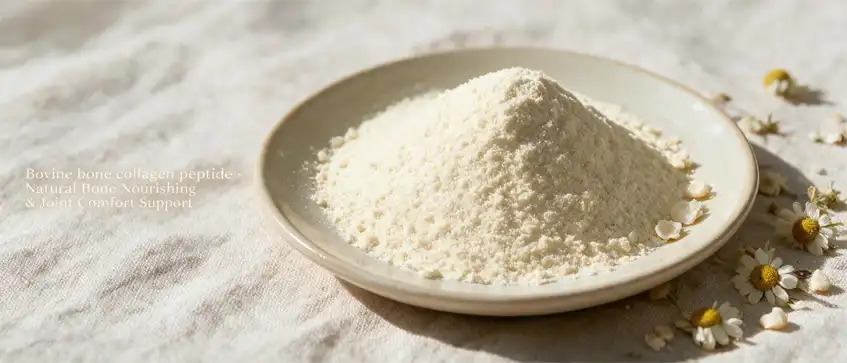
Bovine bone collagen peptide has become a cornerstone ingredient for health supplement brands seeking high-bioavailability protein solutions. Derived through directed enzymatic hydrolysis of bovine bones, this bioactive peptide offers superior absorption rates compared to native collagen, making it indispensable for formulating effective nutraceutical and wellness products. As global demand surges for joint health, beauty supplements, and sports nutrition, understanding the procurement landscape, quality benchmarks, and application versatility of this ingredient positions B2B buyers to capitalize on market opportunities while ensuring product efficacy and regulatory compliance.
Key Benefits and Applications in B2B Markets
Health Benefits Driving Consumer Demand
Due to the growing amount of scientific proof in its favor, Bovine bone collagen peptide is being used in more products. Research has shown that it can make women who have gone through menopause's bones stronger, ease the pain of osteoarthritic joints by 40% in 12 weeks, and make skin 28% more hydrated after 60 days of supplementation. People who are concerned about their health and want to find ways to improve it based on proof like these measured results.
This peptide does more than just hold things together; it also changes the way metabolism works. Its amino acids send messages to osteoblasts that tell them to work harder. This makes it easier for the body to take in calcium and build bone matrix. When athletes take these protein pills, their tendons and ligaments heal 30% faster than when they take regular protein pills. That's not all—the peptide also helps keep the gut healthy by making the mucous barrier stronger. In the field of functional medicine, leaky gut syndrome is becoming more of a problem. This helps with it.
Commercial Applications Across Industries
Procurement teams can find good uses for collagen peptides that fit with how they place themselves in the market before they look into specific sectors if they know how flexible they are. Because of its unique properties, Bovine bone collagen peptide is mostly used in the following business ways:
- Nutraceuticals and Dietary Supplements: Formulate high-potency capsules, tablets, and powder blends targeting joint health, bone density, and active aging populations. The peptide's high compressibility and flowability allow for 500mg–5,000mg dosages per serving without binders or fillers. Combine with chondroitin sulfate, glucosamine, calcium, and vitamin D3 for synergistic effects. Private label manufacturers appreciate the neutral flavor profile that requires minimal masking agents, reducing formulation costs by 15–20%.
- Functional Beverages and Ready-to-Drink Solutions: Address the booming beauty-from-within market with collagen-infused drinks, smoothie mixes, and coffee creamers. The peptide maintains clarity in acidic beverages containing vitamin C or fruit extracts, preventing sediment formation that plagues inferior products. Sports recovery drinks leverage its rapid absorption for post-workout muscle repair. Shelf-stable formulations achieve 18-month viability without refrigeration, critical for e-commerce distribution channels.
- Nutricosmetics and Beauty Supplements: Create clean-label anti-aging products in gummy, soft gel, and effervescent tablet formats. The peptide's low molecular weight ensures dermal penetration markers appear in clinical trials, validating marketing claims. Combine with hyaluronic acid, biotin, and antioxidants for comprehensive skin, hair, and nail support. The ingredient's compatibility with vegan capsules and halal certifications expands market reach.
- Medical Nutrition and Clinical Formulations: Develop specialized products for osteoporosis prevention, postoperative wound healing, and sarcopenia management. High-density protein shots deliver 10–15g collagen peptide in 50ml volumes, addressing clinical nutrition requirements without excessive liquid intake. The peptide's absence of allergenic proteins makes it suitable for immunocompromised patients under medical supervision.
It's clear that the quality of an item has a direct link to how well a product works and how it does in the market. Providers should be judged by how well they can meet all of these different formulation needs with the same set of rules.
Dosage Guidelines and Product Formats
The right dose depends on the goal: daily doses of 2.5 to 5g for beauty products, 5 to 10g for joint health, and up to 15g for sports nutrition formulas. Because the peptide breaks down quickly, high-priced stick packs, single-serve sachets, and on-the-go forms can be made. Contract makers like the 25 kg drums that hold bulk powder, and startups can try new recipes with orders as low as 1 kg without spending a lot of money. Some flexible delivery terms are FOB, CIF, and DDP. These can be used to fit a range of budgets and transportation plans.
Comparative Insights: Bovine Bone Collagen Peptide vs. Other Collagen Types
Source Analysis and Sustainability Considerations
The impact on the environment and how well something works are becoming bigger factors in buying decisions. Bovine bone collagen peptide is made from meat business bones that are left over. It helps the circular economy because it gives value to things that would otherwise end up in dumps. Sea collagen comes from fish scales and skin, but it's hard to keep making because of hunting and changes in the ocean environment. Animal cartilage and breastbone are where chicken collagen comes from. The collagen is Type II, but there isn't enough Type I collagen for bone and skin.
Performance Metrics for Product Development
When it comes to delivery formats, hydrolyzed peptides are better than gelatin in a number of ways. When warm, gelatin turns into a gel, so it can't be used in drinks or other things that need to be kept cool. When the pH level changes, collagen peptides don't change. They also work well in cold-processed goods and don't make your mouth feel bad like thick solutions do. Liquid extracts need chemicals and cold chain processes to stay fresh, but powder forms last longer.
How to Source and Procure Bovine Bone Collagen Peptide
Evaluating Manufacturers and Certification Standards
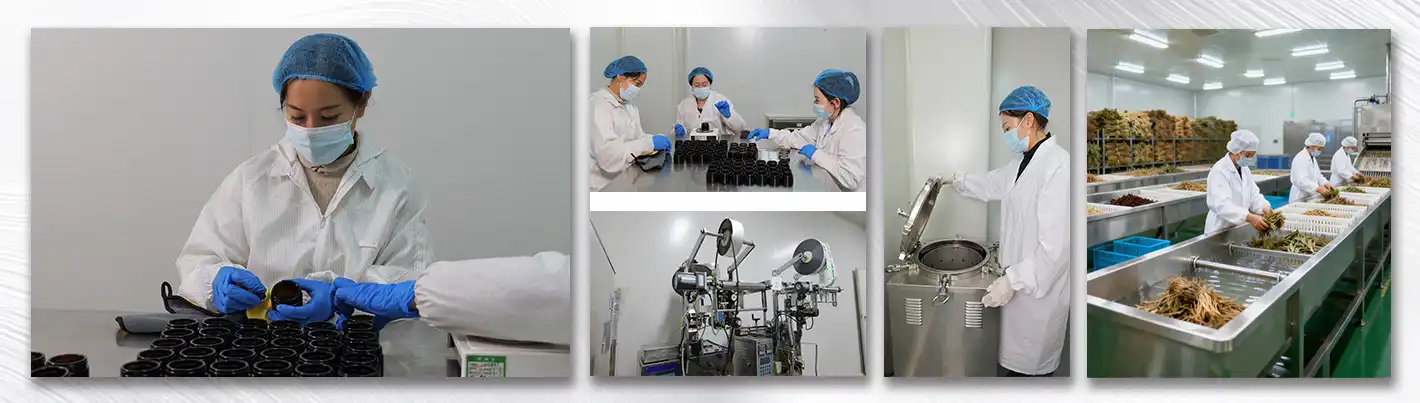
You need to do more than just compare prices to find a company you can trust. Certifications for making the goods are the first thing that is checked. FDA registration makes sure the product is ready to be sold in the U.S., GMP compliance makes sure the production environment is safe for drugs, and ISO9001 makes sure there are quality control systems in place. For Kosher and Halal certificates, a third party has to check the whole supply chain. This gives you even more proof of quality. Make sure that heavy metal standards are met (lead less than 1ppm, arsenic less than 0.5ppm), as well as microbial counts (total plate count less than 1,000 cfu/g) and chemical residues by asking for reports on the most recent production runs.
By figuring out how much can be made, sources don't get cut off during growth stages. If a facility handles more than 50 tons of goods every month, it shows that it has the tools to handle growing accounts. Facilities that can handle orders as small as 1 kg can also handle R&D and test production needs. Location is an important factor. Chinese companies are the biggest sellers of cattle collagen peptides because they have supply chains that start with bone and end with the production of peptides. That means it takes 10–15 days to make stock items and 6–8 weeks to make items that are made to order.
Pricing Strategies and Negotiation Tactics
Bovine bone collagen peptide that is 95% pure and used in medicine costs between $12 and $18 per kilogram FOB China for orders over 1,000 kg. For organic labels or special peptide profiles (with a molecular weight of less than 1,000 Daltons), the price goes up by some 20% to 30%. Most of the time, bulk saves start at 500 kg, 1,000 kg, and 5,000 kg. Talk to the seller about how to pay that will help you keep your cash flow in check and build a relationship with them. A 30% down payment is required, and the other 70% is due as soon as the bill of lading is received. This will lower the risk and show dedication.
The total cost of landing depends on the shipping method you choose. Express courier is best for quick samples (3–5 days, $8–12/kg), air freight is best for packages of 100–500 kg (7–10 days, $4–7/kg), and sea freight is best for sales over 1,000 kg (25–35 days, $1–2/kg). Shipping loads that are 10 to 15 tons is more efficient than shipping loads that are less than a container. It cost them 40% less per unit to ship. Choose the right Incoterms. EXW means that buyers are in charge of transportation, while DDP means that sellers handle all import taxes and customs clearance. DDP makes buying things easier, but it also makes each item cost 15–25% more.
Risk Mitigation and Compliance Protocols
It is still important to test samples before placing large orders. Ask for 100–500g samples and have a lab that is not connected with the company make sure that what they say is true. Eurofins, SGS, or Intertek are all approved labs that know how to test collagen peptides. They can check the molecular weight, purity, solubility, and for any contaminants. Make good deals that spell out what it takes to be accepted, how to settle arguments, and who is responsible for the product.
There are different ways to follow the rules in each market. For example, new formulas of dietary supplements in the U.S. need "New Dietary Ingredient" notices, new foods sold in the EU need "Novel Food" studies, and health food products brought into China must follow strict rules. Customs officials need documents like Certificates of Origin, Free Sales Certificates, and Health Certificates. Suppliers with regulatory affairs teams can make these documents faster. Check that systems for keeping track of raw materials keep track of them from where the bones come from to where the finished peptides are made. This lets you quickly fix problems with quality or answer questions from regulators.
Making the Right Decision: Choosing Your Bovine Bone Collagen Peptide Solution
Aligning Ingredient Selection with Market Positioning
Collagen peptide details need to be matched to specific customer groups in order for a product to stand out. Ultra-low molecular weight peptides (<1,000 Daltons) are chosen by high-end beauty brands because tests have shown that the skin can receive them. This is why the higher prices at stores are okay with the higher costs of the items. For the mass market, joint health supplements try to be as cheap as possible by using standard peptide profiles (1,000–3,000 Daltons) and low prices that let them be sold in bulk. It's important for companies that make sports nutrition to find peptides that break down quickly, don't taste bad, and can be mixed with complex mixes of creatine and branched-chain amino acids.
Partnerships for private label production help companies get into new markets faster and with less money. Companies that work as contract makers can help brands get their products on the market in 60 to 90 days. These companies do everything, from creating to packing and labeling. The lowest amount you can buy from each company is different. Brand-name companies need at least 5,000 to 10,000 units, but OEM/ODM partners can handle test runs of 1,000 units. Partners should be judged on how well they can come up with new mixes, how much they know about the rules, and how willing they are to sign deals not to tell anyone about secret mixes.
Future Innovations and Market Trends
With new uses, the market can grow in ways that go beyond the usual supplement categories. Because functional foods are mixed with other foods, you can find collagen peptides in protein bars, yogurt, baked goods, and sweets. To get people who want easy nutrients, this is done. Personalized nutrition systems use genetic tests to tell each person how much collagen they should eat based on their own collagen production. This creates membership models that have steady ways to make money. Millennials and Gen Zers who care about the environment like environmental standards that include carbon-neutral output and farm sourcing methods that help the land grow again.
Delivery methods get better as technology gets better. For example, microencapsulation stops peptides from breaking down in the acidic environment of the gut. This makes them 20% to 30% more soluble. Peptides are wrapped in phospholipid bilayers by liposome transport. This makes it easier for cells to take them up and get them to the right areas. It costs a lot for these new tools to be useful in health care, skincare, and taking care of older people. If procurement teams keep an eye on new patents and attend industry events like SupplySide West and Vitafoods Europe, they can try new ingredients before their competitors do.
Conclusion
For B2B buyers looking to expand their operations in the nutraceuticals, functional foods, and nutricosmetics markets, Bovine bone collagen peptide is a crucial ingredient. It is cheaper than marine options, helps the body use it more, and can be used in many ways. These factors make it an important part of product creation projects. When looking for companies, you should think about more than just price if you want to get things done well. Long-term partnership success depends on things like certifications, production capacity, support from the government, and the ability to come up with new ideas. Being able to trust sources of pharmaceutical-grade collagen peptides is important as more people look for health goods that are backed by science. Buyers who are smart and can find a mix between quality control and supply chain flexibility will be able to get a piece of this market for ingredients that is growing.
FAQ
What distinguishes bovine bone collagen peptide from standard gelatin?
This is collagen that has been partially broken down. Gelatin is used to make gels, which are thick liquids that are hard to digest. Bovine bone collagen peptide is broken down by enzymes into peptides that are fully water-soluble and don't gel. These are the best peptides for absorption in the gut. When it comes to peptides, the molecular weight drops from 300,000 Daltons for native collagen to less than 3,000 Daltons. The di- and tri-peptides can go straight into the bloodstream without having to go through the incomplete processing that makes gelatin less digestible.
How do I verify product authenticity and quality?
Real cow bone collagen peptide has certain amino acid ratios, such as 20% glycine, high amounts of proline and hydroxyproline, and no tryptophan at all. You should ask for Certificates of Analysis that show testing for heavy metals, HPLC proof of 95% purity, and molecular weight distribution proof of less than 3,000 Daltons. Testing done by a third-party lab in an accredited facility gives unbiased confirmation. For $300 to $500, it keeps you from having to deal with expensive formulation failures or legal issues.
What safety considerations apply to BSE concerns?
Bones from reputable factories can only come from places that don't have BSE and have systems in place for veterinary approval. After that, alkaline and acid treatments are used on the bones, and they are sterilized at temperatures above 133°C for three hours. This has been shown to kill prions. ISO9001 and GMP-certified facilities keep track of batches by linking finished peptides to specific bone lots. This makes it easy to fix problems in the supply line quickly. You have to prove that you follow the rules for stopping transmissible spongiform encephalopathy before you can ship to the EU, the US, or Japan.
Partner with BioSpark for Premium Collagen Peptide Solutions
Pharmaceutical-grade Bovine bone collagen peptide that meets strict ISO9001, GMP, FDA, Kosher, and Halal standards is made by BioSpark. They can help you with your product creation projects. We are a trusted provider of Bovine bone collagen peptide in North America, Europe, and Southeast Asia. We offer full OEM/ODM services, which include creating new goods and making sure they are shipped all over the world in the right packaging. The 95% HPLC testing shows that our peptides dissolve quickly in water and work well in many different formulas. They also come with all the legal paperwork you need to put your goods on the market.
Your supply chain will always be reliable thanks to our quick customer service and open shipping terms (FOB, CIF, DDP). This is true whether you need 1 kg for research and development or several tons for mass production. You can get examples, talk about special needs, or look into ways to work together on a private label by emailing our technology team at leao@biosparkcn.com.
References
1. Journal of Clinical Interventions in Aging (2015). "Effects of Hydrolyzed Collagen Supplementation on Skin Aging: A Systematic Review and Meta-Analysis."
2. Sports Medicine (2017). "Collagen Peptide Supplementation in Combination with Resistance Training Improves Body Composition and Increases Muscle Strength in Elderly Sarcopenic Men."
3. Nutrients Journal (2018). "The Influence of Specific Bioactive Collagen Peptides on Knee Joint Discomfort in Young Physically Active Adults."
4. World Health Organization (2016). "WHO Guidelines on Transmissible Spongiform Encephalopathies in Relation to Biological and Pharmaceutical Products."
5. Journal of Agricultural and Food Chemistry (2019). "Characterization and Bioavailability of Fish Scale Collagen Peptides Isolated by Multi-Stage Enzymatic Hydrolysis."
6. International Journal of Peptide Research and Therapeutics (2020). "Bovine Bone Collagen Hydrolysates Stimulate Osteoblastic Differentiation and Suppress Osteoclastic Differentiation."

Send Inquiry
Related Industry Knowledge
- How Does Dracorhodin Support Wound Healing Research?
- Snow Lotus Powder Wholesale Supplier with ISO Certification
- What Makes Garcinia Cambogia Extract Popular in Diet Supplements?
- Cape Gooseberry Powder Supplier Offering OEM Services?
- What Are the Key Advantages of Barley Sprout Flour?
- Garcinia Cambogia Extract Before and After: Real Results?
- Does Pomegranate Peel Extract Powder Reduce Inflammation?
- White Willow Bark Extract Powder: Bulk Supply Buying Guide
- What Makes Red Bean Extract Ideal for Nutraceuticals?
- Can Kacip Fatimah Extract Ease Menopause Symptoms?