_1764041963888.webp)
Is Cape gooseberry powder Good for Daily Nutrition?
Aug 02, 2026
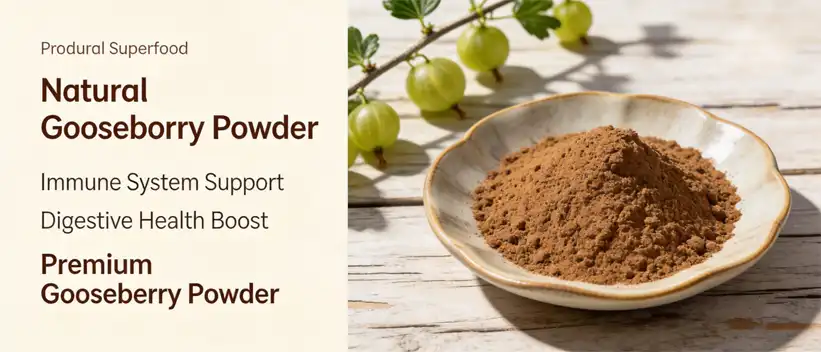
Cape gooseberry powder offers substantial benefits for daily nutrition, making it a valuable ingredient for health supplement brands and nutraceutical companies. Derived from Physalis peruviana through advanced plant extraction methods, this nutrient-dense powder delivers concentrated vitamins, minerals, and bioactive compounds. With standardized polyphenol content reaching 30% verified by HPLC testing, it provides robust antioxidant support that addresses oxidative stress and immune function. The powder form extends shelf life significantly compared to fresh berries while maintaining nutritional integrity, solving key challenges around ingredient stability and formulation consistency that B2B buyers frequently encounter.
Understanding Cape Gooseberry Powder and Its Nutritional Profile
What Makes This Ingredient Unique
From fresh Physalis peruviana berries to a concentrated powder, they go through complex drying and grinding steps that preserve the nutrients they contain. Fresh cape gooseberries can only be stored for a short time and have different amounts of nutrients. The Cape gooseberry powder form, on the other hand, always has the same amount of nutrients. This uniformity solves a major problem for supplement makers who need accurate ingredient lists to follow the rules and make claims about how well their products work.
To keep heat-sensitive chemicals safe, factories use controlled drying and low-temperature concentration methods. The dark red to deep purple fine powder that is left has the smell of sweet and sour berries and can dissolve in water, which makes it very useful for a wide range of preparation tasks. High-Performance Liquid Chromatography tests make sure that every batch meets strict quality standards, and the 30% flavonoid content is proven.
Nutritional Composition and Health Benefits
Cape gooseberry powder has more health benefits than just vitamins and minerals. The element helps the body make collagen and protect itself from infection because it is high in vitamin C. Vitamin A helps keep your eyes healthy and your cells differentiate, and potassium keeps your body's fluid balance in check and your heart healthy. Because it has iron in it, it can be used in products that target oxygen transport and energy production.
Polyphenolic compounds are the most important bioactive part because they neutralise free radicals and have measurable antioxidant activity. These flavonoids and phenolic acids have shown promise in supporting metabolic health. For example, a study has shown that improving lipid metabolism may help people lose weight. The low calorie density and high nutrient content make this an ideal ingredient profile for functional foods that are aimed at health-conscious consumers who want clean-label products without added chemicals.
Improving the immune system is another benefit area that has been backed by science. The vitamin C and polyphenols work together to boost the immune system, which is especially important for food pills that are sold as health aids. Cape gooseberry powder is good for your skin because it contains antioxidants that protect against UV damage and keep collagen healthy. This makes it a good choice for both dietary supplements and cosmetics that you put on your skin.
Industrial Application Advantages
Cape gooseberry extract powder helps OEM and ODM partners with a number of manufacturing issues at the same time. Because it dissolves easily in water, it can be easily added to drinks, protein shakes, and liquid supplements without having to follow complicated solubilisation methods. Its small amount of ethanol solubility makes it possible to use it in tinctures and some cosmetic preparations.
The stable powder form doesn't need to be refrigerated while being stored or shipped, which cuts down on logistics costs by a large amount compared to fresh produce or liquid extracts. When kept correctly, shelf life increases a lot, and under the right conditions, it usually stays effective for 24 months. This advantage of steadiness lets distributors and wholesalers keep goods without worrying about it going bad quickly, which improves the economics of the supply chain.
Standardised standards make it easier for formulators to figure out exactly what nutrients go into finished goods. This makes regulatory paperwork and nutritional labelling easier. The 80–120 mesh particle size ensures that the blends go smoothly into pills, capsules, and powders without being gritty, which is important because texture issues can make it hard for people to accept the product.
How to Incorporate Cape Gooseberry Powder into Daily Nutrition
Recommended Dosage and Safety Considerations
The right dose depends on the purpose and the people who will be using it. Doses for general health pills are usually between 500 mg and 2000 mg per day. This gives the body useful antioxidant support without getting too high and possibly causing digestive problems. A lot of functional drinks have 200 mg to 800 mg of caffeine per dose, which is a good balance between the health effects and the taste.
The safety rating of the ingredient is good, and there aren't many known side effects. There aren't any big allergen worries because Physalis peruviana isn't in a plant family that is commonly linked to allergies. But people who are sensitive to nightshades should be careful with cape gooseberries because they are in the Solanaceae family. This is something that supplement brands have to think about when they make product labels and customer advice materials.
Women who are pregnant or nursing need extra care when it comes to dosage advice. Even though the fruit has been used as food in the past, it is best to be careful with strong Cape gooseberry powder products until more complete safety data is available. So that formulation decisions can be made with more knowledge, procurement teams should work with suppliers who provide detailed technical documentation that takes these demographic factors into account.
Practical Applications in Product Development
Because Cape gooseberry powder is so flexible, it can be used to make more products. Smoothie mixes taste naturally sweet and sour, which goes well with other fruit powders and adds to the antioxidant claims. Wellness shot formulas use the concentrated nutrient density to give functional benefits in small, easy-to-carry serving sizes that busy people who want to eat well will like.
The biggest part of the market is made up of dietary supplement users. Vitamin C pills work better because they contain polyphenol co-factors that help the body absorb the vitamin and keep its antioxidant action going for longer. Immune support tablets blend the ingredients with plants that work well together, like elderberry and echinacea. This makes synergistic mixtures that are backed by both traditional use and new studies.
The powder is added to baked goods and nutrition bars to make them healthier and to give them a natural colour. The ingredient can handle normal baking temperatures without losing many nutrients because it has been properly processed to make it heat-stable. People who don't like taking pills are more likely to take their supplements as directed because gummy vitamins dissolve in water and taste good.
As food companies look for alternatives to synthetic colours, natural liquid colourants are becoming more popular. When mixed with functional drinks, kombucha, and herbal tea mixes, the dark red to deep purple colour looks nice. This ability to do two things at once—provide colour and nutrition—makes it possible to stand out in the crowded beverage market.
Maintaining Nutrient Integrity During Processing
To keep bioactive chemicals safe during production rounds, manufacturing partners must follow certain rules. Controlling the temperature is still very important because too much heat breaks down polyphenols and vitamin C. Spray drying settings should keep exit temperatures below 80°C as much as possible, so that nutrients are kept, and moisture is removed efficiently.
Oxygen exposure speeds up oxidation reactions that lower the antioxidant's power. Adding nitrogen to the packaging and storing it in sealed cases with oxygen filters makes the shelf life much longer. These safety measures should be used all along the supply chain, so suppliers, logistics providers, and end customers all need to work together.
The pH levels during preparation have an effect on the stability patterns. Some polyphenols may break down in very acidic environments, but vitamin C stays stable in those conditions better. To make sure that nutrients are kept in the product for as long as it's supposed to, formulators should test its stability across the pH ranges that it's supposed to be used in and make changes to buffering systems as needed.
Cape Gooseberry Powder in Market Comparison and Quality Assessment
Distinguishing Product Categories
Procurement professionals can make better sourcing choices when they know the differences between similar goods. Cape gooseberry, physalis, and golden berry powders are all made from the same plant species, Physalis peruviana. The names for these powders are different because of area naming preferences and marketing tactics. This recognition keeps interactions with suppliers clear and makes sure that specifications are aligned.
The fact that something is certified organic is a big quality differentiator that affects pricing and market positioning. Cape gooseberry powder that is certified as USDA Organic or EU Organic costs more, but it can be sold in health food stores where people are looking for certified organic ingredients. Traditional ways of making things lower costs while keeping nutritional values that are good for value-oriented product lines. Whether to use organic or conventional sources relies on how you want to place your business, who you want to buy from you, and the needs of your retail channel.
Standardised extracts and ground fruit powders are very different in terms of the amount of active compounds they contain and how well they work for different uses. Whole fruit powders have fibre, seeds, and skins in them, so they have full nutritional profiles but lower amounts of some bioactives. Standardised extracts, like those that have been proven to contain 30% polyphenols, are useful for uses that need strong antioxidant action in small amounts. This difference affects how formulations are calculated and how brands can back up claims of effectiveness.
Quality Indicators and Certification Requirements
When buying something, supplier certifications are the best way to tell if the quality is good and to reduce the risk. Getting ISO9001 approval shows that you are dedicated to quality management systems and process control. Good Manufacturing Practices (GMP) compliance makes sure that production meets pharmaceutical-grade standards. This is very important for food supplement uses that are closely watched by regulators.
Kosher and Halal certifications help brands reach more customers by meeting religious dietary needs. This is especially helpful for companies that sell to a wide range of people or to markets in the Middle East. Even though FDA registration is not the same as permission, it does mean that facilities meet basic legal requirements for making food ingredients and run their businesses in a way that can be inspected.
The HPLC testing method gives objective confirmation of active ingredient concentrations, so you don't have to rely on what the seller says. Third-party lab testing adds to the proof, which gives buying teams faith in the accuracy of the specifications. Suppliers who regularly give out Certificates of Analysis (CoA) showing test results for each batch show they care about quality and transparency.
Powder versus Fresh Berry Considerations
Powder forms are very popular for commercial uses because they are cost-effective. Fresh berries need to be shipped in a cold chain, which raises the cost of transportation and limits the number of suppliers from different areas. Rates of spoilage cause waste that raises the cost of all the ingredients. Supply problems and price changes caused by seasonal access make it harder to plan production and make budgets.
Powder forms get rid of these problems by letting them be stored at room temperature and staying stable for longer on the shelf. Options for bulk packing, like 25 kg drums, make shipping more efficient and lower the cost of shipping per unit by a large amount. With minimum order quantities as low as 1 kg, product development and small-batch testing can be done without having to spend a lot of money. This makes it easier for new brands to come up with new ideas.
Another useful benefit is that it's easier to handle. Powder dosing is accurate because it uses weight measurements to make sure that each batch is the same in production. Fresh berries need to be washed, sorted, and processed, which takes time and increases the risk of contamination. Automated powder handling systems can be easily added to existing production lines without having to buy new equipment.
Procurement Guide: Sourcing Cape Gooseberry Powder for Business Needs
Evaluating Supplier Capabilities
Verification of approval is the first step in a full seller evaluation. Asking for copies of up-to-date ISO, GMP, Kosher, and Halal certificates proves compliance, and checking the references of the certification group proves legitimacy. Businesses that have more than one license usually have complex quality systems that can meet the needs of a wide range of customers.
An evaluation of production capacity tells you if suppliers can grow with your business. Questions should be asked about the current output rate, the equipment's skills, and the company's ability to grow. Maintaining enough inventory by suppliers—indicated by promises of "sufficient stock, fast and safe delivery"—lowers the risk of wait times that mess up production plans. Understanding how they get their raw materials shows how resilient their supply chain is during changes in agriculture.
Sample testing is an important part of doing your research before placing a large order. Requesting samples with the corresponding COA documents lets you check the specifications on your own. Sensory evaluation shows that the properties of look, smell, and solubility meet the needs of the application. Cape gooseberry powder shelf life claims are backed up by stability testing done in the settings where the food will be stored. This keeps food from going bad too quickly, which could lead to customer complaints.
Logistics and Delivery Considerations
Specifications for packaging affect both the integrity of the product and how well it can be handled. Standard 25kg drum packaging works well for medium to large-scale makers. On the other hand, boutique brands can save money by buying in smaller amounts. Talking about custom packaging options takes into account specific storage needs or needs for controlling portions in certain production workflows.
Choosing the right delivery term affects the total cost of landing and how risk is spread. FOB (Free On Board) terms mean that the buyer is responsible for delivery. This gives the buyer power over which carriers are used and how the goods are shipped, but it requires logistics knowledge. Cost, Insurance, and Freight (CIF) terms make buying things from other countries easier by combining shipping and insurance into one package. However, buyers lose some control over how their goods will be transported. Delivered Duty Paid, or DDP, is the highest level of service. With this level, suppliers take care of all logistics, such as clearing customs and making the final delivery.
How you choose to ship items affects both speed and cost. Express delivery services are good for last-minute orders or first samples because they can send within days, but they charge more. Sea freight is the most cost-effective way to ship large amounts of goods with longer lead times, while air freight is fast enough for smaller amounts. Talking to suppliers about multi-modal choices shows that they are flexible in meeting different order scenarios' varying urgent needs.
Cost Optimization Strategies
Comparing prices in the market helps set reasonable goals and find prices that don't fit the norm and need to be explained. Prices for standardised 30% polyphenol content vary a lot depending on the type of certification, the size of the order, and the cost of the raw materials at the moment. By getting quotes from several approved providers, you can compare them and gain bargaining power.
When you commit to a certain amount of goods, you can get better prices because of economies of scale in production and transportation. Annual buy deals with supply plans every three months balance the costs of keeping inventory with price drops per unit. Talking openly about expected volume helps suppliers plan their production more efficiently, which creates value for both parties and leads to competitive prices.
Negotiating payment terms has an effect on managing cash flow. Bank Transfer (T/T) is the preferred method for most suppliers. Usually, deposits are due when the order is placed, and the balance is due before shipment. With established relationships, you may be able to get longer payment terms or smaller amounts, which will make your working capital more efficient. Letters of credit are good for foreign deals with a lot of risk because they protect both sides while adding bank fees.

Why Partner with Reliable Cape Gooseberry Powder Suppliers for Your Business
Quality Assurance and Traceability
Reliable sellers use full traceability systems that keep track of products from where they are grown to when they are packaged. This openness lets problems with quality be fixed quickly and meets the needs of regulatory documentation. Traceability records should show where the berries came from, when they were picked, information about the processing facility, and quality control checkpoints. This will create audit trails that meet the needs of compliance officers and certification bodies.
Specific testing procedures for each batch make sure that all production runs are the same. Suppliers who do HPLC analysis on every batch make sure that specs stay within acceptable ranges. This keeps customers from being surprised during checks after getting goods. Microbiological testing makes sure that there are no pathogens and that the total plate counts are okay. This keeps brands safe from contamination events that lead to recalls and hurt their image.
Successful business-to-business partnerships show how important it is for suppliers to be reliable. When nutraceutical businesses put out immune support goods, they need to be sure that the quality of the ingredients will stay the same over many production cycles that span years. When brands go global, they need suppliers that can meet different regulatory standards without having to re-formulate their products. These relationships work best when Cape gooseberry powder providers show they are technically competent, communicate clearly, and genuinely care about the success of their customers.
Value-Added Services Enhancing Competitive Position
Private labelling services let brands set their goods apart by using custom packaging and the production know-how of their suppliers. Suppliers who give help with design, legal advice, and sticker printing shorten the time it takes to make a new product. This "turnkey" method works best for startups that don't have their own expert staff or for well-known brands that are growing into new categories.
Custom packaging choices go beyond normal 25 kg drums and include pouches, bottles, and jars that are ready to sell. Co-packing services mix different ingredients into unique blends. This protects intellectual property while outsourcing the complexity of production. With these features, brands can focus on marketing and distribution instead of making things.
Logistical support services make doing business across borders easier. By properly preparing paperwork, suppliers who are skilled in export papers cut down on delays in customs clearance. When you choose consolidated shipping, orders from multiple customers are combined into one container load, which lowers the cost of freight. With warehousing services in target countries, orders can be sent to customers faster, which improves service levels without brands having to build facilities abroad.
Emerging Market Trends and Future Opportunities
Demand in the nutraceutical sector keeps growing as more people look for natural vitamins instead of fake ones. People are interested in recognisable botanical products that have been used for a long time because of the "clean label" trend. Cape gooseberry powder fits right in with these trends because it looks exotic and new research is showing that it may be good for you.
When shipping methods are updated, they open up new ways to use them. Effervescent pills with the powder inside make it easy to get nutrition on the go and make them taste better. Liposomal encapsulation technology makes polyphenols more bioavailable, which is why more expensive formulations are worth it. Personalised nutrition platforms use the ingredient to make supplement packs that are specific to each person's health needs.
Buying decisions are affected by sustainability issues all along the supply chain. Brands that care about the environment, like suppliers that use eco-friendly processing methods, green energy, and programs to cut down on trash. Being open about farming methods, like fair labour standards and how they affect the environment, makes brand stories more appealing to people who care about those things.
Conclusion
As a stable, easy-to-use supplement, Cape gooseberry powder has a lot of vitamins, minerals, and polyphenolic compounds that are good for your health and can be used every day. The ingredient solves important problems for food, supplement, and nutraceutical businesses that want to make clean-label products based on scientific study. Quality issues like certifications, testing methods, and a supplier's abilities have a direct effect on how well a product works and how well it meets regulatory requirements. For buying to go smoothly, all of the supplier's qualifications, logistics skills, and value-added services must be carefully examined. Working with dependable providers guarantees regular quality, clear traceability, and access to technical knowledge that speeds up product creation and makes you more competitive in wellness markets that are growing.
FAQ
1. What dosage of cape gooseberry powder is recommended for dietary supplements?
Depending on the product placement and health goals, most food supplement formulations include 500 mg to 2000 mg per day. In functional beverage applications, 200 mg to 800 mg per serving is usually used to balance the health benefits with taste concerns. It is important that the dosing suggestions match the health claims that are being made and the rules that are in place in the target markets. To find the best dosage levels for their specific product matrices, formulators should test for stability and effectiveness.
2. How does the powder form compare nutritionally to fresh cape gooseberries?
The process of powder concentration gets rid of water while keeping and focusing on bioactive chemicals. This makes the powder have a lot more nutrients per gram than fresh berries. Standardised extracts, like those that have been proven to contain 30% polyphenols, give consistent potency that you can't get with fresh produce because it changes naturally. Controlled low-temperature handling doesn't change the vitamins and minerals, but it may slightly lower the amount of heat-sensitive chemicals. Overall, powder formats offer better nutritional value per unit weight and don't have to worry about going bad.
3. What certifications should I prioritize when sourcing this ingredient?
ISO9001 certification proves that a quality management system is being used, and GMP compliance makes sure that production standards meet pharmaceutical-grade requirements that are important for dietary supplement use. Kosher and Halal certifications make it easier for people with religious dietary needs to buy things. Organic approvals from the USDA or the EU bring higher prices, but let health food stores sell their products. The objective proof of active compound concentrations through HPLC testing is probably the most important quality sign for ensuring effectiveness.
Partner with BioSpark for Premium Cape Gooseberry Powder Supply
You can trust BioSpark (Xi'an) Biotechnology Co., Ltd. to give you high-quality Cape gooseberry powder with 30% polyphenol extracts that have been tested and proven to be safe by HPLC. Our ISO9001, GMP, Kosher, Halal, and FDA certifications show that we are devoted to quality standards that safeguard the image of your company. We keep enough in stock to offer fast delivery through a variety of shipping methods, such as express, air freight, and sea freight. You can also choose from a range of delivery terms, from FOB to DDP, to suit your needs.
Our OEM and ODM services help with the whole process, from coming up with the formula to packaging it up. We can handle orders ranging from as little as 1 kg to large production runs. Advanced plant extraction technology keeps nutrients that are sensitive to heat while getting the concentrated bioactive profiles your goods need. Our technical team works together to make sure that formulations are the best they can be for stability and effectiveness, whether they are making functional drinks, dietary supplements, or new wellness products.
To get examples, scientific information, and cheap quotes, email our procurement experts at leao@biosparkcn.com. We provide clear communication, dependable supply lines, and high-quality ingredients that turn good items into market leaders.
References
1. Morton, J. (1987). Cape Gooseberry. In Fruits of Warm Climates. Miami: Julia F. Morton.
2. Ramadan, M. F. (2011). Bioactive Phytochemicals, Nutritional Value, and Functional Properties of Cape Gooseberry (Physalis peruviana): An Overview. Food Research International, 44(7), 1830-1836.
3. Puente, L. A., Pinto-Muñoz, C. A., Castro, E. S., & Cortés, M. (2011). Physalis peruviana Linnaeus, the Multiple Properties of a Highly Functional Fruit: A Review. Food Research International, 44(7), 1733-1740.
4. Zanatta, C. F., & Mercadante, A. Z. (2007). Carotenoid Composition from the Brazilian Tropical Fruit Camu-camu (Myrciaria dubia). Food Chemistry, 101(4), 1526-1532.
5. National Research Council. (1989). Lost Crops of the Incas: Little-Known Plants of the Andes with Promise for Worldwide Cultivation. Washington, DC: The National Academies Press.
6. Valdenegro, M., Fuentes, L., Herrera, R., & Moya-León, M. A. (2012). Changes in Antioxidant Capacity During Development and Ripening of Goldenberry (Physalis peruviana L.) Fruit and in Response to 1-Methylcyclopropene Treatment. Postharvest Biology and Technology, 67, 110-117.

Send Inquiry
Related Industry Knowledge
- How Is Yellow peach powder Made Without Losing Nutrition?
- What Is the Shelf Life of Natural Blueberry Extract Powder Stored Cold?
- Need Fine Mesh Cowpea Powder for Smooth Food Processing?
- Natural Artichoke Extract for Bloating Relief: Does It Work?
- Is Pomegranate Peel Extract Powder Effective Against Free Radicals?
- Why Choose Marigold Extract Powder for Eye Health?
- Cistanche Extract Powder: Key Benefits and Uses Explained
- Ginseng Plant Extract for Skin Anti-Aging Formulas
- Miltiorrhiza Root Extract Powder: Antioxidant & Anti-Inflammatory
- Can Miltiorrhiza Root Extract Powder Aid Aging Support?