_1764041963888.webp)
Gotu Kola Extract Powder: What Makes It So Popular?
May 04, 2026
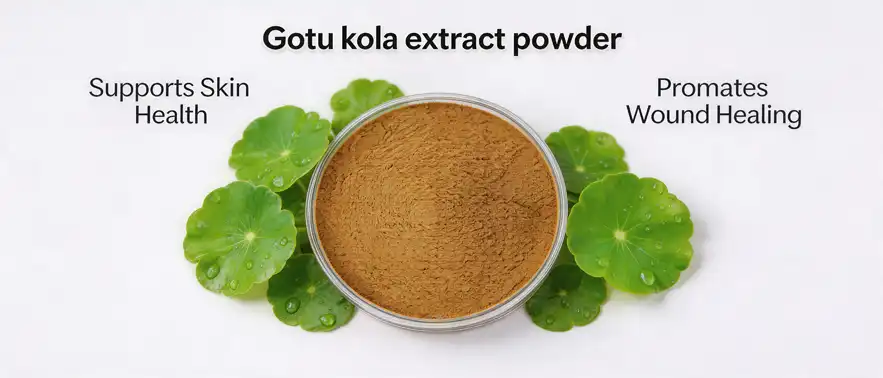
Gotu kola extract powder has rapidly emerged as a leading ingredient in global B2B markets, particularly within the nutraceutical and cosmetic industries. Derived from Centella asiatica, this concentrated botanical extract addresses critical procurement challenges through standardized bioactive triterpenoid content, delivering predictable functional benefits in wound care support, cognitive function support, and skin barrier maintenance. Unlike crude herbal materials, properly manufactured gotu kola extract powder offers consistent potency, superior bioavailability, and compliance with international quality standards—making it an essential component for brands seeking reliable, science-backed formulations.
Understanding Gotu Kola Extract Powder
Botanical Origin and Standardization Process
Centella asiatica, which is more commonly known as gotu kola, is a plant in the Apiaceae family that grows well in warm swamp areas all over Asia. Scientists use complex methods to separate and collect certain pentacyclic triterpenoids from the plant's leaves to make the gotu kola extract powder. Modern techniques for extracting plants, like using hydroalcoholic solvents and chromatographic purification, keep as much of the plant's bioactivity as possible while getting rid of useless parts. This makes a standard product whose medicinal qualities can be predicted.
Extract Powder vs. Other Product Forms
The difference between gotu kola extract powder and other types has a big effect on how products are made. Whole leaf powder has active compounds that vary in amount, usually between 1% and 3% of the total triterpenoids in the plant. This lack of stability makes it hard to formulate and dose accurately. Because capsules are a finished dosage form and not a raw ingredient, makers can't change them much. Extract powder that is defined to have at least 40% active ingredients gives formulators more options, better strength, and better stability, all of which are important in professional manufacturing settings.
Clinically Validated Health Benefits
Research shows that the extract from Centella asiatica affects many metabolic processes. Studies in dermatology journals suggest it may support wound care by promoting fibroblast proliferation and collagen synthesis, with observed improvements in recovery. The neuroprotective effects come from better blood flow to the brain and higher antioxidant activity. Research suggests this may support cognitive function in older adults. Modulating GABAergic pathways may contribute to anxiety relief benefits, offering a herbal alternative for wellness support. Because these benefits have been proven by science, the extract is a great choice for nutrition and cosmetic products that want to improve health.
Practical Dosage and Application Guidelines
For food products that improve brain function, a study backs up daily doses of 300 mg to 750 mg of standardized extract. For barrier repair and anti-aging effects, topical uses in skin care products usually have a concentration of 1% to 5%. To keep bioactivity throughout the product's lifetime, manufacturing teams must think about particle size distribution (usually 80–120 mesh), moisture content below 5%, and the right way to store the product. Understanding these technical details ensures uniform functional release and seamless integration into various formulations.
Comparing Gotu Kola Extract Powder Varieties and Alternatives
Extract Powder vs. Whole Leaf Powder vs. Capsules
When it comes to manufacturing, these forms are very different from one another. Gotu kola extract powder is very flexible because it can be used with a wide range of delivery methods, such as tablets, drinks, and topical creams. It also lets you make exact dose changes. Because it is concentrated, fewer ingredients are needed, which lowers production costs and makes the end product the right size. Whole leaf powder is cheaper at first, but it has problems like not being able to flow well, having higher microbe loads, and variations from batch to batch that make quality control harder. Capsules work well for retail markets, but they don't let private label makers make changes that they need. If you store extract powder correctly, it will keep its effectiveness for 18 months, which is a lot longer than whole leaf options that break down faster because they have more water and enzymes active in them.

Organic vs. Non-Organic Classifications
The argument over organic certification goes beyond marketing issues and into the real worlds of quality and safety. Organic gotu kola extract powder costs more, but it has many benefits that have been proven to help. These benefits include lower pesticide residues, more sustainable farming practices, and greater market acceptance in North America and Europe. Certification groups like the USDA and the EU require a lot of paperwork, which makes the supply chain clearer, which buying teams like. Non-organic varieties may be cheaper and have more stable supply amounts, especially when the seasons change. Many brands targeting health-conscious consumers require the "organic" label to differentiate themselves in the market, even though it involves higher raw material costs that may reduce overall production budgets.
Gotu Kola vs. Alternative Adaptogens
A study of the market shows that gotu kola extract powder and substitutes such as ashwagandha, bacopa, and rhodiola are in a very interesting competitive relationship. While ashwagandha leads the market in stress relief support, gotu kola has a unique position in cognitive support and dermatological applications, making it an excellent way to differentiate your product. Bacopa offers similar nootropic benefits but lacks the robust wound care support that makes centella extract valuable for multi-functional products. Consumer trend data shows that people are increasingly interested in ingredients that can do more than one thing. This makes gotu kola extract powder a good choice for brands that want to simplify their formulas while still keeping their full benefit profiles. Knowing these differences between competitors helps with strategic product positioning and marketing to specific groups.
Key Quality Parameters and Certifications
For reliable buying, you need to pay attention to quality measures other than just measuring purity. High-performance liquid chromatography (HPLC) testing should verify the levels of individual triterpenes and total saponins to ensure the plant's functional benefits are consistent. GMP certification indicates a manufacturer adheres to strict production standards, reducing contamination risks and ensuring batch consistency. ISO 9001 certification means that a company has strong quality management methods, and ISO 22000 certification is all about managing food safety. Heavy metal tests, especially for lead, arsenic, cadmium, and mercury, should be done to make sure they meet USP or EP requirements. Microbial limits must meet the requirements for food supplements, and overall plate numbers must be below certain levels. These factors together show how reliable a supplier is and whether a product is right for controlled markets.
Procurement Insights for Gotu Kola Extract Powder
Identifying Dependable Online Suppliers
When evaluating a digital provider, you need to carefully look at a number of credibility signs. Legitimate providers keep clear records of their manufacturing processes by giving out certificates of analysis, manufacturing licenses, and reports from third parties. A professional website is a good starting point, but more in-depth checks like business registration, export licenses, and customer references are more reliable. Responding to communication requests and showing technical knowledge during initial questions shows operating skills and dedication to customer service. Not wanting to give samples, giving unclear information about where the gotu kola extract powder comes from, or charging prices that are much lower than the market average all indicate that quality has been compromised. Having ties with two or three qualified providers provides redundancy in the supply chain and keeps prices low.
Bulk Purchasing Advantages
Buying in bulk has real economic and practical benefits that go beyond just lowering the cost per unit. Suppliers usually have tiered price systems, where orders over 100 kg get 10-15% discounts, and orders over 500 kg and 1000 kg get even bigger discounts. Especially for international air freight, where dimensional weight estimates punish smaller packages, consolidated shipping cuts per-kilogram freight costs by a large amount. Larger sales are a good reason to spend money on unique specs, such as changing the particle size, making special packaging, or mixing ingredients in ways that improve the performance of the final product. Having enough inventory backups makes production planning more efficient, cutting down on rush order fees and production delays. Long-term supply deals often get you better prices and a sure spot when raw materials are in short supply.
International Shipping Considerations
Cross-border deals are more complicated and need more planning and paperwork. Harmonized System codes must correctly label plant products so that duties are calculated correctly, and goods are cleared through customs. Depending on the rules of the target country, phytosanitary certificates may be needed, especially for organic goods. If you are shipping by air freight, the packaging must meet the standards set by the International Air Transport Association. Materials that are resistant to light and wetness must be used to keep the product's integrity during travel. In tropical regions or during the summer, temperature-controlled procedures are necessary to keep things from breaking down. Working with experienced freight forwarders who know about the rules for herbal supplements cuts down on delays in clearance and paperwork mistakes that lead to expensive demurrage charges.
Leading Manufacturers and Production Hubs
China has become the main place where plant extracts are made, thanks to its improved extraction technology and low-cost production. Herbal extracts are produced in factories in Xi'an (Shaanxi Province) and Hunan Province. Many of these factories have earned foreign approvals, such as FDA registration and EU Novel Food compliance. Indian companies make affordable options, especially for materials that are recognized as organic, though their extraction technology may not be as advanced. European makers offer premium positioning, but at much higher prices. They usually serve niche markets that value area sources. To evaluate manufacturers, you need more than just paper records. You also need site audits or inspection reports from a third party that show the real production capabilities, quality systems, and legal compliance.
Why Gotu Kola Extract Powder Is a Preferred Choice in B2B Markets
Versatility Across Industry Applications
Because gotu kola extract powder is so flexible, it has special Gotu kola extract powder uses in many different areas. In nutraceuticals, it is a key ingredient in formulas for brain health, wound care supplements, and all-around fitness items that work on many systems. As long as scientific proof backs up marketing claims, the cosmetics industry uses it in high-end anti-aging serums, sensitive skin repair creams, and healing treatments after surgery. To cash in on the popularity of natural ingredients, functional food makers add them to nootropic drinks, health bars, and fortified snacks. Pharmaceutical companies use high-quality extracts in topical products for wellness support related to venous health and wound care. This ability to work across industries makes sure that sellers have steady demand and a variety of ways to make money, while also giving procurement teams solid long-term sourcing partners.
Scientific Validation and Safety Standards
More and more, claims of effectiveness backed up by peer-reviewed studies are needed to be successful in the market. Centella asiatica extract has a lot of clinical evidence in the fields of skin, neurology, and wound healing. This study base allows marketing that is based on facts, which appeals to informed customers and passes the test of regulatory review in tough markets. Safety profiles established through chemical studies and post-marketing monitoring show it is well-tolerated with minimal side effects, even at recommended doses. Meeting foreign safety standards, such as those set by the USP, EP, and JP pharmacopeial specs, gives people even more peace of mind. Brands that use products that have been scientifically proven to work build trust with customers more effectively than brands that only use traditional claims. This gives them an edge in crowded markets.
Customization and OEM Opportunities
Private label manufacturing is very valuable for brands that want to stand out in the market without having to spend a lot of money on production sites. Experienced providers offer full OEM services, including formulating, testing for stability, legal advice, and making the end product. This full-process support cuts time-to-market by a huge amount while still making sure that all laws are followed in the target country. In addition, ODM services offer full product creation, from idea to package design, so business owners and distributors can start selling branded goods with little technical knowledge. Flexible production capacity can handle both new brands that need small batch runs of 50–100 kg and well-known companies that want to order multiple tons.
Conclusion
Gotu kola extract powder has become an important item in global B2B markets because it is scientifically proven to work, can be made consistently, and can be used in a lot of different ways. Standardized centella asiatica extract helps procurement teams find reliable plant ingredients by addressing important issues like batch variation, regulatory compliance, and proof of effectiveness. If you look closely at standardization methods, source approvals, and quality control systems, you can tell the difference between high-quality extract powder and lower-quality options. As the markets for nutraceuticals, cosmetics, and functional foods continue to grow, brands that want to stand out from the competition and do well in the market will benefit greatly from working with experienced producers who can provide full OEM/ODM support.
FAQ
1. What is the optimal dosage range for different applications?
Dosage suggestions are very different depending on the product shape and how it is meant to be used. Clinical study backs up 300–750 mg of standardized extract containing 40% triterpenoids every day as a good way to improve brain function and protect neurons in dietary products. Topical cosmetics usually have a quantity of 1% to 5% in their finished formulas to get the best barrier repair and anti-aging results. Higher concentrations (5–10%) may be used in specific care products for wound care support. Manufacturers should test for safety and effectiveness to find the best amounts for different formulations and the therapeutic effects they want to achieve.
2. Are there known contraindications or side effects?
Clinical tests have shown that gotu kola extract powder is very safe. Side effects are very rare and usually not too bad. When taken by mouth in large amounts, high doses may cause stomach pain, sickness, or sleepiness. Individuals with pre-existing liver conditions should exercise caution, as a few case studies suggest high doses may have potential liver impacts. Because there isn't enough safety information, women who are pregnant or nursing shouldn't use it. Topical treatments don't usually make skin more sensitive, but it's still a good idea to do a patch test for products that are meant for sensitive skin. Labels and other tools for consumers should take these things into account.
3. How can buyers be sure that a product is real and of good quality?
Verification needs more than one method that works together. Ask for certificates of analysis from third-party labs that are not connected to the seller. Validate the triterpenoid content using HPLC testing and make sure that the amounts of each substance meet the requirements. Using set standards, check the physical qualities, such as color, smell, and solubility. Test for microbes to make sure you're staying within safety limits. Check the certificates of your suppliers, such as GMP, ISO, and organic credentials, by verifying them with the granting body. Testing samples from different runs shows that the results are consistent and reliable. Long-term quality guarantee comes from working with qualified suppliers who are open to inspection.
Partner with BioSpark for Premium Gotu Kola Extract Powder Supply
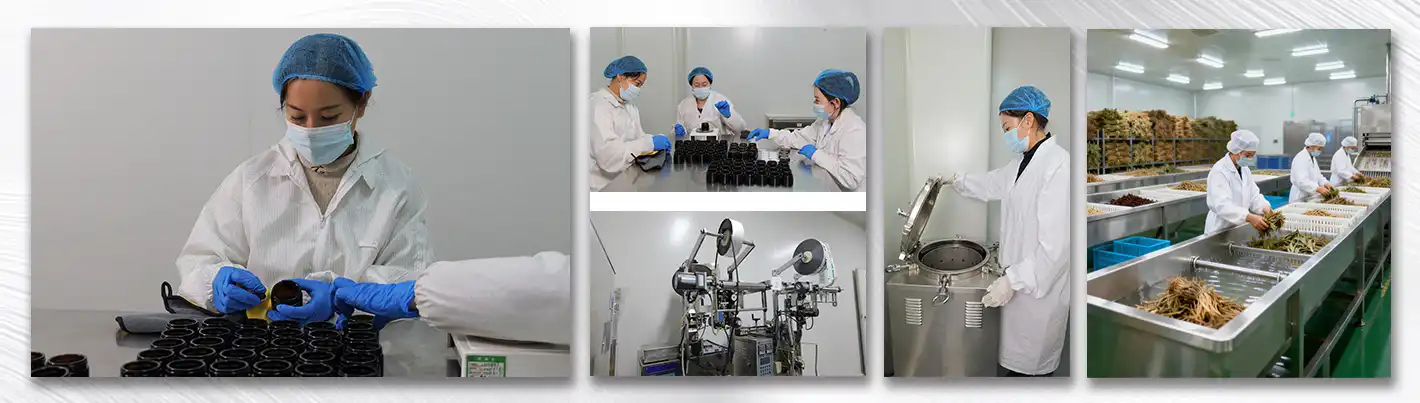
BioSpark (Xi'an) Biotechnology Co., Ltd is ready to support your product innovation by providing high-quality centella asiatica extract manufactured under strict quality controls. As a well-known gotu kola extract powder seller with more than ten years of experience in the global market, we know how important it is for your business needs that the quality is always the same, that regulations are followed, and that delivery times are always met. Our GMP-certified facilities use cutting-edge extraction methods and thorough testing processes to make sure that every batch meets the highest standards around the world. We have a flexible production capacity that can handle both small-batch customization for new names and big orders for well-known companies. Whether you need private label creation, custom formulations, or bulk ingredient supply, our experienced team can help you through the whole process, from the first meeting to the final delivery. To get full specs, certificates of analysis, and sample evaluations, email our technical team at sales@biosparkcn.com. We want procurement managers and wholesalers to see what makes BioSpark different by getting a customized consultation that talks about your unique production needs and market goals.
References
1. Gohil, K.J., Patel, J.A., & Gajjar, A.K. (2010). Pharmacological Review on Centella asiatica: A Potential Herbal Cure-all. Indian Journal of Pharmaceutical Sciences, 72(5), 546-556.
2. Brinkhaus, B., Lindner, M., Schuppan, D., & Hahn, E.G. (2000). Chemical, Pharmacological and Clinical Profile of the East Asian Medical Plant Centella asiatica. Phytomedicine, 7(5), 427-448.
3. Bylka, W., Znajdek-Awizeń, P., Studzińska-Sroka, E., & Brzezińska, M. (2013). Centella asiatica in Cosmetology. Advances in Dermatology and Allergology, 30(1), 46-49.
4. James, J.T. & Dubery, I.A. (2009). Pentacyclic Triterpenoids from the Medicinal Herb, Centella asiatica. Molecules, 14(10), 3922-3941.
5. Orhan, I.E. (2012). Centella asiatica (L.) Urban: From Traditional Medicine to Modern Medicine with Neuroprotective Potential. Evidence-Based Complementary and Alternative Medicine, 2012, Article ID 946259.
6. Somboonwong, J., Thanamittramanee, S., Jariyapongskul, A., & Patumraj, S. (2012). Therapeutic Effects of Centella asiatica Extract on Wound Healing and Collagen Synthesis in Animal Models. Journal of Ethnopharmacology, 139(1), 269-275.

Send Inquiry
Related Industry Knowledge
- What Makes Kacip Fatimah Extract a Women’s Health Tonic?
- Does Ganoderma Extract Powder Help with Stress and Sleep?
- Pomegranate Seed Extract Powder for Hormonal Balance: Effective?
- Can Cistanche Extract Powder Improve Circulation Naturally?
- Cistanche Extract Powder: Key Benefits and Uses Explained
- Is Apple Peel Extract Powder Good for Skin Whitening?
- Maca Extract Powder for Antioxidant-Rich Formulations
- How does Ilex Leaf Extract Enhance Metabolic Health?
- Why Choose Yacon Root Extract for Weight & Metabolic Support?
- What Makes Pure Corn Extract Powder a Premium Ingredient?