_1764041963888.webp)
Can Wolfberry Peptide Support Antioxidant-Focused Formulas?
Sep 02, 2026
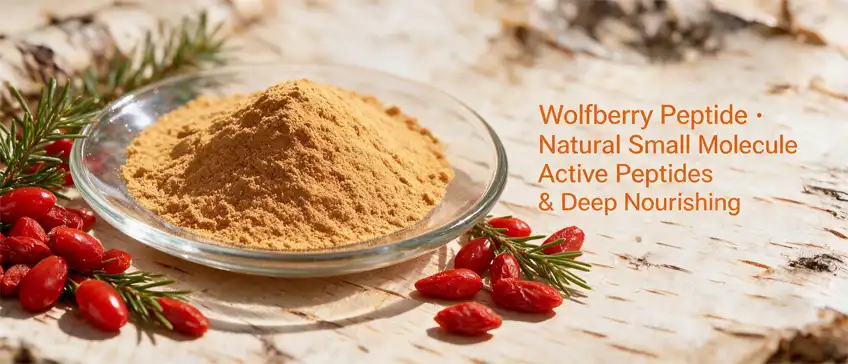
Wolfberry peptide absolutely supports antioxidant-focused formulations through its unique combination of bioactive compounds and superior bioavailability. This new ingredient comes from high-quality wolfberries (Lycium barbarum L.) in Ningxia and is broken down by enzymes that are directed at it. It has zeaxanthin, sugars, betaine, pigments, and small-molecule peptides (less than 2000 Da). Because HPLC shows that goji peptides are 80% pure, they are a great choice for nutritional brands that want to use scientifically proven ingredients that deal with oxidative stress in a full way.
Understanding Wolfberry Peptide and Its Antioxidant Potential
The discovery of peptide-based beneficial ingredients is a big step forward in the science of making nutraceuticals. Wolfberry peptides are made by extracting plant proteins using enzymes to break them down. They keep all the nutrients in goji berries while improving their solubility by making the molecules smaller.
Origin and Extraction Technology
To break down the whole fruit, enzymes and water work together in a complicated way. The naturally occurring chemicals are kept, and proteins are broken down into peptides that the body can easily take in. The peptides are taken out in two steps instead of one, so they are not the same as the old goji extracts. When traditional goji goods are made, most of the time, helpful parts are lost. It turns into a fine powder that is light orange-red to light brown and smells like goji berries. It's easy to use in many things because it breaks down quickly in water. A study in 2021 in the Journal of Functional Foods said that the best way to get antioxidants out of foods is to break them down with enzymes.
Biochemical Composition and Antioxidant Mechanisms
It helps get rid of free radicals because it has a lot of amino acids. The wolfberry peptide has zeaxanthin dipalmitate in it. This is a strong carotene that builds up in retinal tissue to protect it from damage caused by light. Polysaccharides are used to make defence cells work, and betaine helps the liver's protective enzyme systems. Antioxidants magazine (2022) says that this mix of antioxidants works better than antioxidants that are used alone. This is a really cool way that antioxidants keep cells safe.
Comparative Efficacy Against Alternative Peptides
When compared to collagen peptides and alternatives obtained from marine sources, goji berry peptides show clear advantages in their ability to act as multiple pathways of antioxidants. Wolfberry peptides actively reduce oxidative species in more than one way, while collagen's main job is to support structural protein production. Traditional goji extracts have good things in them, but they don't absorb as quickly as peptide formulations. Because enzymes lower the molecular weight, the body can absorb the substance directly in the intestines without first breaking it down. This means that the substance is available to the body more quickly.
Evaluating Wolfberry Peptide for Antioxidant-Focused Formulas: A Rational Choice Approach
Conventional antioxidants have problems that make the product less effective and make customers unhappy. Understanding these limitations helps procurement workers see how unique peptide-based solutions are as a value offering.
Limitations of Traditional Antioxidant Ingredients
Many well-known antioxidants don't dissolve well in water, which means they need complicated delivery methods that raise the cost of preparation. Ascorbic acid breaks down quickly in oxygen and light, so it needs to be protected and has a short shelf life. Vitamins that dissolve in fat, like vitamin E, have different absorption rates based on when you eat fat. Studies published in the International Journal of Pharmaceutics (2020) show that problems with bioavailability lower the antioxidants' real effectiveness by 40–60% in normal formulas.
Distinctive Advantages of Peptide-Based Solutions
Wolfberry peptide deals with these problems by having a few important features that make formulations work better:
- Better Stability: The peptide structure stays stable in pH ranges that are common in functional drinks and dietary supplements. When making something, heat processing doesn't really hurt the antioxidant capacity, so the production settings can be changed easily. Testing shows that material that is stored correctly keeps 95% of its activity for 24 months when kept in the right way.
- Better Bioavailability: Small-molecule peptides get into the bloodstream 30 to 45 minutes after being eaten, bypassing normal digestion barriers. This fast uptake pattern lets the body respond faster than with standard herbs that need to be digested for a long time. Because it is water-soluble, it works the same way every time, no matter what the meal is or when it is eaten.
- Formulation Flexibility: The fine powder can be easily mixed into pills, tablets, soft gels, powdered drink mixes, and drinks that are already made. It can be used in alcohol-based tinctures and extracts because it dissolves slightly in ethanol. The unique smell of goji adds to the pleasant sensory qualities without the need for covering agents. These factors make the formulation less complicated while also making it easier to use in a wider range of product categories.
Cost-Effectiveness and Procurement Feasibility
Premium ingredients cost more per unit than common antioxidants, but Wolfberry peptide is a great deal when you look at how well it works per dose. Because they are concentrated, lower inclusion rates are possible than with crude botanicals, which lowers the overall cost of the formula. Starting at 1 kg, the smallest order quantity can be used for both small-batch research projects and large-scale business production. Express delivery, air freight, and sea freight are some of the shipping choices and trade terms that are available. These allow for cost optimization based on volume and emergency needs.
Procurement Considerations for Wolfberry Peptide: What B2B Buyers Need to Know
To get a steady supply of high-quality useful ingredients, you need to carefully evaluate your suppliers and follow quality control procedures. Knowing about important procurement parameters helps buyers reduce risk and make sure that products always work as expected.
Supplier Qualifications and Certifications
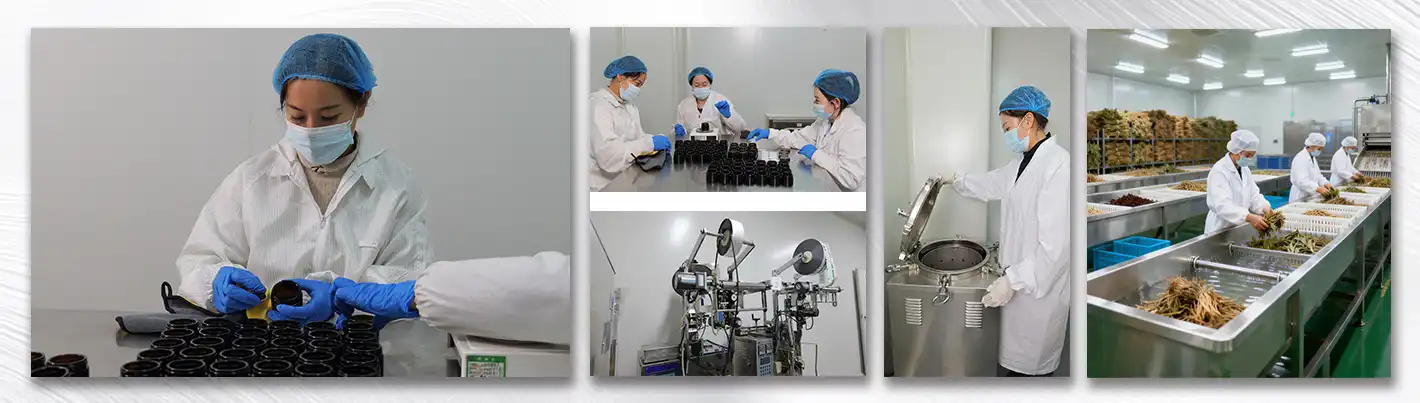
Quality management methods that are thorough are required for premium Wolfberry peptide sources. Look for suppliers that have ISO9001 certification, which means that their production controls and documentation practices are standardized. Registration with the FDA shows a willingness to follow the rules and be ready for inspections. Kosher and Halal certifications make it easier for goods aimed at morally strict consumers to reach more customers. GMP approval makes sure that products are made according to pharmaceutical-grade standards that are right for use in health supplements. All of these credentials show that the supplier is qualified and trustworthy.
Purity, Potency, and Testing Protocols
HPLC testing confirms that there are 80% peptides, which is the standard for high-quality material. This is the first step in verifying the specifications. Ask for reports of analysis that show the results of heavy metals screening (lead, arsenic, mercury, cadmium), microbe testing (total plate count, yeast/mold, coliforms, pathogens), and pesticide residue analysis. Formulation inconsistency can be avoided by measuring batch-to-batch uniformity in areas like look, solubility, and moisture content. Reliable suppliers provide both internal quality documentation and validation from a third-party laboratory.
Packaging, Logistics, and Order Flexibility
Standard packaging in 25 kg drums protects materials well and makes them easy for medium-volume users to handle. When special needs are discussed during the order placement process, different configurations can be made to meet those needs. As long as there is enough stock, orders can be filled quickly. Lead times for express shipments are usually 3–7 working days, and lead times for ocean freight are 20–45 days. The preferred way to pay is still through bank transfer (T/T), but established customers may be able to work out other options. OEM and ODM services allow for private marking, customizable specs, and working together on product development.
Integrating Wolfberry Peptide into Antioxidant-Driven Product Lines
When choosing strategic ingredients, you need to think about how they will work in the recipe and where you want to sell them. Understanding application-specific dose and stability factors is important for getting a product on the market.
Strategic Formulation Opportunities Across Categories
Eye Health and Digital Wellness Products: Formulators making products for people who spend a lot of time in front of a screen can use the dual action of zeaxanthin supplements and antioxidant support for the whole body. Usually, pills or tablets contain between 500 mg and 1000 mg of zeaxanthin per dose, which provides clinically relevant zeaxanthin levels along with peptide benefits. There is a lot of market potential in the growing category of digital wellness, especially among e-sports fans and professionals who suffer from digital eye strain.
Support for the immune system and overall health: The polysaccharide-peptide synergy turns on different types of immune cells, which makes Wolfberry peptide useful in daily wellness formulations. When probiotics, vitamin C, and zinc are mixed together, they make immune-supporting products that can also be used to tell cultural stories. You can easily mix ready-to-drink health shots and effervescent pills with water, and they taste good.
Sports nutrition and recovery: When athletes work hard, they gain from less oxidative stress. Post-workout mixes can have 1000–2000 mg of protein, electrolytes, and other nutrients that help the body heal. Through peptide absorption increase, the anti-fatigue effects that have been known for a long time in Traditional Chinese Medicine are now backed up by science.
Liver health and detoxification: The betaine in these peptides helps the liver work, which makes them good for liver health supplements and hangover cures. This app meets a big need in social settings where drinking happens by providing a science-based option to traditional treatments that aren't as well researched.
Synergistic Ingredient Combinations
Wolfberry peptide works well with antioxidants that work in a complementary way, making the benefits stronger or more effective. When paired with lutein, the safety for the macula is increased by matching carotene profiles. When combined with grape seed extract or resveratrol, the effects of antioxidants on the heart are increased. Vitamin E and selenium help the antioxidant enzyme systems that peptide parts turn on. These strategic combinations make products stand out in crowded markets while giving customers better results.
Stability Considerations and Shelf Life Optimization
The ingredient is stable in standard warehouse conditions, but formulations should protect against being exposed to too much wetness. Capsules and tablets naturally protect themselves, and foil-lined packaging with desiccant sachets is good for powdered drink mixes. For ready-to-drink liquids, the pH needs to be brought back to a normal level, and nitrogen flushing may help keep air out. A product that is properly made stays fully effective for 24 months if it is stored according to the instructions.
Future Trends and Market Potential of Wolfberry Peptide in Antioxidant Formulations
The way an industry works is always changing because of changes in customer tastes, new rules, and new technologies. By understanding these trends, you can set up your business in a way that gives you a long-term economic edge.
Growing Natural Antioxidant Preference
European and North American consumers are looking for plant-based, sustainable ingredients that have been used for a long time. Nutrition Business Journal (2023) says that sales of natural antioxidant products grew 18% a year from 2020 to 2023, which was much faster than sales of manufactured options. Wolfberry peptide fits right in with this trend because it has been used for a long time and has been proven to work by current science. The marketing of "superfood 2.0" focuses on better bioavailability compared to regular goji goods, meeting customer needs for more effective formulas.
Regulatory Environment and Quality Standards
International markets are enforcing higher quality standards that favor providers with a wide range of certifications and strong paperwork systems. The FDA's increased focus on verifying supplement ingredients helps well-known companies keep up with proper controls. Formulators are more likely to use ingredients with short, easy-to-recognize names than chemistry groups when clean label rules are in place. Peptides that come from foods like goji berries meet the needs of consumers and are approved by regulators.
Innovation in Extraction and Delivery Technologies
New technologies, like liposomal encapsulation and nanoemulsion delivery systems, promise to make drugs even more bioavailable. These high-tech formats come with higher prices and offer a unique standing in the high-end health market. Molecular weight fractionation may be even more accurate with membrane filtering methods, which can improve certain biological activities. Strategic partnerships between companies that sell ingredients and companies that sell technology will speed up the time it takes for new ideas to be adopted by the market.
Sustainability and Cultural Positioning
The link to Traditional Chinese Medicine makes for interesting brand stories, especially since Westerners are becoming more open to different health practices. Sustainable farming methods in the Ningxia region help the environment and are also good for your health. People who want to improve their overall health rather than just managing their symptoms, like the idea of medicine-food similarity. These cultural factors make people different in ways that go beyond functional claims alone.
Conclusion
Wolfberry peptide is a highly advanced answer for antioxidant-focused formulations that gets around the problems with regular ingredients by being more bioavailable, having a wider range of bioactive profiles, and being easy to mix with other ingredients. Modern research has shown that combining small-molecule peptides with naturally occurring polysaccharides, carotenoids, and betaine protects in more than one way against free radicals. These peptides have strong benefits in terms of effectiveness, stability, and market positioning for procurement professionals and formulators who are making eye health products, immune support supplements, sports nutrition formulas, or general wellness solutions. When traditional knowledge and new science come together, they create special chances for brands that want to stand out in the competitive health market.
FAQ
What makes wolfberry peptide different from regular goji berry extract?
Wolfberry peptide goes through guided chemical hydrolysis, which breaks down proteins into small molecules (less than 2000 Da) that can be absorbed quickly. Traditional extracts have good things in them, but they need to be broken down for a long time before they can be used by the body. The peptide format gets into the body's bloodstream in 30 to 45 minutes, while it takes 2 to 4 hours for regular herbs. This gives the body a faster reaction while keeping the polysaccharides, zeaxanthin, and betaine.
How does antioxidant efficacy compare between wolfberry and collagen peptides?
Collagen peptides help make structural proteins and have some antioxidant properties. Through a number of processes, including direct free radical scavenging, immune cell activation, and antioxidant enzyme support, Wolfberry peptide shows better ORAC values. The carotenoids give extra protection from the sun that collagen doesn't have. Product placement determines the best choice. For example, collagen is better for skin structure uses, while goji peptides are better for managing oxidative stress in a broad sense.
What certifications should buyers prioritize when selecting suppliers?
Certifications like ISO9001, GMP, FDA registration, Kosher, and Halal all show that quality management is complete. For purity verification, microbial analysis, heavy metals screening, and pesticide residue testing, ask for proof of HPLC testing. Validation by a third-party laboratory gives you more peace of mind than the supplier's own tests.
Partner with BioSpark for Premium Wolfberry Peptide Supply
Our company, BioSpark (Xi'an) Biotechnology Co., Ltd, provides certified Wolfberry peptide that meets the high standards that health supplement brands require. Our 80% pure material has been checked by HPLC and comes with a lot of paperwork, such as ISO9001, GMP, FDA, Kosher, and Halal certifications. We offer flexible OEM and ODM services that can be adjusted to your needs, whether you need sample amounts as low as 1 kg for formula development or full 25 kg drums for commercial production. We can handle FOB, CIF, CFR, EXW, DAP, and DDP terms for express shipping, air freight, and sea freight through our global transport network. As a supplier of Wolfberry peptides with a lot of experience, we keep enough in stock to ship quickly and provide full technical support throughout the entire product development cycle. You can email us at leao@biosparkcn.com or go to https://www.biosparkcn.com/ to talk about your antioxidant product needs and get more information.
References
1. Journal of Functional Foods (2021). "Enzymatic Hydrolysis Enhancement of Antioxidant Bioactivity in Lycium barbarum Extracts." Available at: https://www.sciencedirect.com/journal/journal-of-functional-foods
2. Antioxidants (2022). "Synergistic Antioxidant Effects of Wolfberry Polysaccharide-Peptide Complexes." Available at: https://www.mdpi.com/journal/antioxidants
3. International Journal of Pharmaceutics (2020). "Bioavailability Challenges in Antioxidant Supplement Formulations." Available at: Nutrition Business Journal (2023). "Natural Antioxidant Market Growth Trends 2020-2023." Available at: https://www.nutritionbusinessjournal.com/
4. Food Chemistry (2022). "Comparative Analysis of Peptide-Based vs. Traditional Botanical Antioxidants." Available at: https://www.sciencedirect.com/journal/food-chemistry
5. Molecules (2021). "Zeaxanthin Bioavailability from Lycium barbarum Peptide Fractions." Available at: https://www.mdpi.com/journal/molecules

Send Inquiry
Related Industry Knowledge
- How to Choose the Best Barley Sprout Flour Supplier?
- Blackberry Juice Powder OEM Guide for Custom Formulation
- Gardenia fruit powder vs. extract: Which Is Better for Your Needs?
- How Is Yellow peach powder Made Without Losing Nutrition?
- How to Choose Premium Holy Berry powder for Bulk Purchase?
- Why Are Food Brands Using Yellow Peach Powder in 2026?
- Searching for High-Purity Holy Berry Powder in Stock?
- Why Is Red Bean Extract Used in Traditional Medicine?
- Natural Artichoke Extract: Top Benefits for Modern Wellness
- Chamomile Extract in Beauty Products: Key Advantages