_1764041963888.webp)
Why Is Red Bean Extract Used in Traditional Medicine?
May 10, 2026
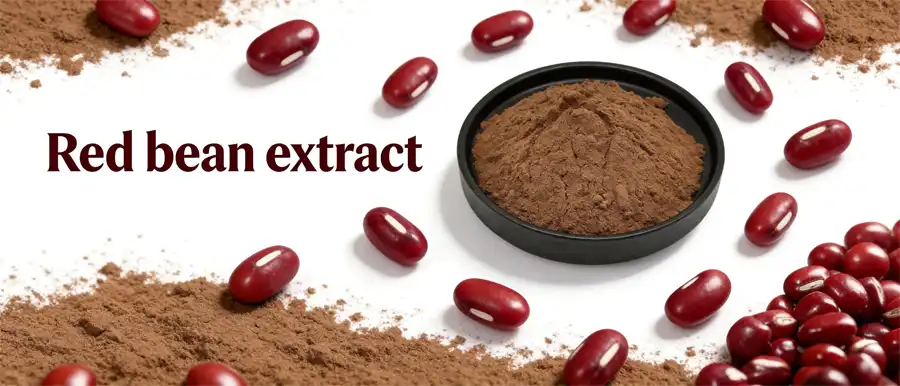
A Complete Guide for Buyers and Sellers Around the World. Red bean extract occupies an important position in traditional herbal applications, having been used for centuries in Asian herbal regimens, particularly in traditional Chinese herbal therapy and Japanese Kampo wellness practices. This plant ingredient comes mostly from the adzuki bean and is high in bioactive substances like polyphenols, flavonoids, and saponins that help with metabolic health, fluid balance, and antioxidant defense. Different from ordinary ground bean powder, the extract is processed via refined techniques to concentrate natural bioactive compounds. This makes it a useful functional ingredient for modern nutritional products that want to combine ancient knowledge with modern quality standards.
Introduction
Red bean extract has been applied in traditional herbal wellness regimens for over 2,000 years. In ancient times, adzuki beans were valued both as edible grain and traditional herbal raw material for relieving mild puffiness, supporting kidney wellness and body purification. This botanical ingredient is gaining growing popularity in global nutraceuticals, dietary supplements and cosmetic formulations.
For B2B procurement workers to successfully navigate the competitive wellness market, they need to know about the historical background and current uses of this extract. Plant extracts that we use come from approved facilities in China that combine old-fashioned knowledge with cutting-edge extraction technology. More and more people want clean-label ingredients that have been used traditionally. This is a huge opportunity for brands that are ready to spend on quality buying partnerships.
Modern extraction technologies have optimized the concentration and standardization of natural bioactive compounds. Manufacturers can get uniform bioactive profiles that meet international quality standards by extracting plants with water or ethanol. This keeps the traditional benefits that people have depended on for generations.
What Is Red Bean Extract and How Is It Made?
Understanding the Botanical Source
The extract is derived from multiple Vigna species, among which Vigna angularis is the most widely used for herbal wellness applications. These small, reddish-brown beans naturally have bioactive substances that are increased through specific extraction methods. Picking the right raw materials has a big effect on the quality of the finished product, so buying teams need to think carefully about their ties with suppliers and make sure that the materials come from the right place. In traditional herbal theory, adzuki beans are categorized by natural property: neutral in nature and sweet in flavor, acting on the heart, small intestine and kidney meridians. Modern phytochemical research validates these traditional properties by identifying specific bioactive compounds with metabolic regulating, mild diuretic and antioxidant effects.
The Extraction Process Explained
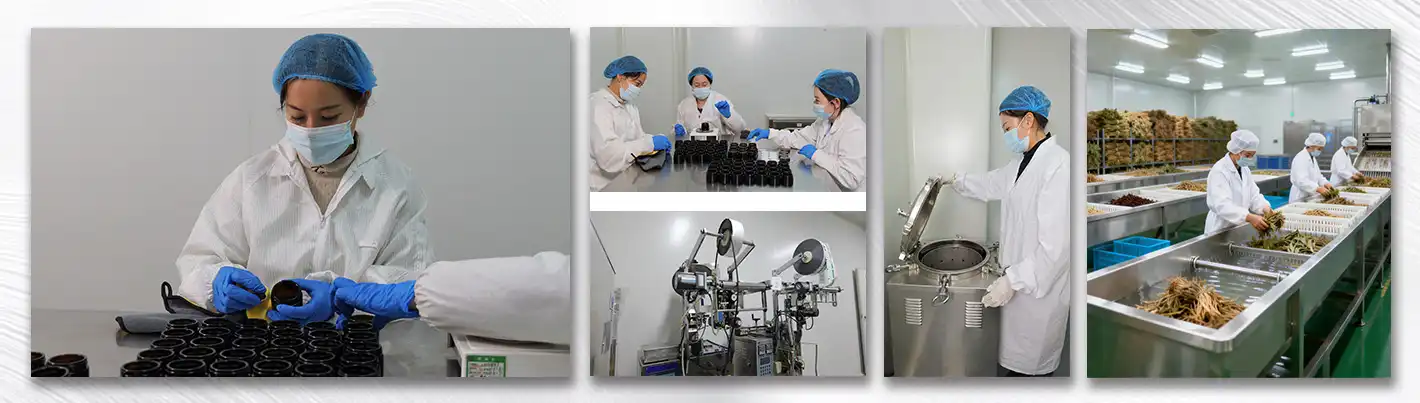
The process starts with carefully cleaning and preparing the dried beans. Manufacturers use either water extraction or solvents based on ethanol, depending on the quantity and use they want to achieve. Usually, water extraction produces extracts that are high in polysaccharides and flavonoids that dissolve in water. In contrast, ethanol extraction enriches fat-soluble compounds and partial alkaloid components. parts. In general, the steps are as follows: preparing the raw materials, extracting them with a liquid at a controlled temperature (60–80°C), filtering to get rid of impurities, concentrating by vacuum evaporation, and spray-drying to make the powder. Advanced manufacturers adopt low-temperature extraction technology to protect heat-sensitive bioactive compounds and ensure stable product efficacy. Quality control is still crucial during the extraction process. High-Performance Liquid Chromatography (HPLC) is the usual way to check the amounts of bioactive compounds in the market. We use multi-stage testing methods that look at more than just the amounts of active ingredients. They also check for heavy metals, chemical residues, and microbes.
Nutritional and Bioactive Profile
The red bean extract has a very amazing mix of phytochemicals that explain why it can be used for so many different medical purposes. When it comes to protecting cells from oxidative stress, proanthocyanidins are the main type of antioxidant. Saponins help the extract's traditional use for keeping the body's fluids in balance and supporting the metabolism. The minerals in it, especially potassium and magnesium, help keep the balance of electrolytes while the diuretic is working. This makes it different from manmade options that might remove important minerals. Modern studies have shown that flavonoid substances, such as catechins and anthocyanins, reduce inflammation. These bioactive ingredients work together to make healing effects stronger than single chemicals could do on their own. Standardization is challenging because of this complicated phytochemical matrix, but it's necessary for uniform product performance.
Core Benefits of Red Bean Extract in Traditional Medicine
Metabolic Support and Weight Management
These beans were especially recommended by traditional healers to help with water retention and a healthy metabolism. New research backs up the extract's ability to help with gentle diuresis without the harsh side effects that come with pharmaceutical options. The saponin content helps fluids move, and the mineral content prevents electrolyte loss. This procedure is a complex process that old doctors understood from experience. Clinical findings show that the red bean extract may help people lose weight by targeting fluid buildup instead of fat tissue directly. This difference is crucial for promoting products and educating customers. Formulations that help with "depuffing" and losing water weight have become very popular in the beauty-from-within market, especially in functional drinks and vitamin pills. Additionally, the product shows promise for improving signs of metabolic syndrome. Early research shows that people who ate standardized extracts had better insulin sensitivity and lower blood sugar levels after eating. These results support traditional uses for "clearing heat" and improving digestive system function, thereby validating ancient healing claims in the modern world.
Antioxidant and Anti-Inflammatory Properties
ORAC (Oxygen Radical Absorbance Capacity) numbers that are similar to those found in known antioxidant sources show that the polyphenol level provides a lot of antioxidant power. This protective action goes to the skin, where the extract helps protect fibroblasts from oxidative damage caused by stresses in the environment. Anti-aging serums and protective skin care items that use cosmetic ingredients have these qualities. Anti-inflammatory processes use several routes, such as blocking pro-inflammatory cytokines and changing NF-κB signaling. "Clearing heat and resolving toxins" was how traditional medicine books described these effects. This language, while symbolic, correctly described the extract's ability to address inflammatory processes. In modern versions, the extract is mixed with plants that work well with it, like ginger or green tea, to improve the anti-inflammatory effects.
Cardiovascular and Kidney Support
Applications in the past focused a lot on kidney health and urine function. The extract's mild diuretic effects help keep fluids in check without putting too much stress on the kidney tissues. Traditional healers thought that these beans "benefited water and dispersed swelling," which made them especially helpful for people with lower-body edema or a slow metabolism. Heart health benefits come from the extract's ability to support healthy blood pressure in several ways, such as by improving capillary function and removing salt gently from the body. There are flavonoids in the food that help blood vessels stay flexible and may also help protect against atherosclerosis. Because of these circulatory uses, the extract is a useful part of heart-health products for older people.
Skin Health Applications
Research has shown that both external and internal uses are good for skin health. The antioxidants protect against photoaging, and the saponins make the blood flow better to the cells in the face. In traditional beauty practices, bean paste masks and tonics were used to clear up the skin and reduce puffiness under the eyes. Cosmetic science has now proven these uses. The extract is used in modern dermatological products to treat periorbital edema (under-eye bags), general face puffiness, and skin that doesn't work well as a shield. Saponins naturally act as surfactants, which help ingredients get into complex makeup materials more effectively. More and more beauty product brands use the extract along with collagen peptides and hyaluronic acid to help the face in many ways.
Red Bean Extract vs Other Bean Extracts: Key Comparisons for Buyers
Adzuki vs Red Kidney Bean Extracts
Even though they are both "red beans," the phytochemical profiles of Vigna angularis (adzuki) and Phaseolus vulgaris (red kidney bean) are different. Red bean extract from adzuki has more proanthocyanidins than other extracts and is a better antioxidant in comparison tests. Usually, red kidney bean products have different saponin profiles and more bioactive peptides made from proteins. When choosing between these sources, procurement officials should think about the uses they want to buy for. Adzuki extracts work exceptionally well in formulas that focus on antioxidant defense and traditional medicine harmony. Red kidney bean products might be helpful for metabolic health, especially in ways that target glucose metabolism by stopping alpha-amylase. Market positioning is also unique. People who know about Asian health practices can easily spot adzuki beans and connect them with traditional healing uses. Brands that cater to health-conscious customers looking for real plant products with historical use evidence can benefit from this cultural recognition.
Comparing with Green Bean and Mung Bean Extracts
In traditional medicine, green mung bean (Vigna radiata) products are used for a variety of healing purposes. Mung beans were thought to be cooling, which improved them for "heat-clearing" uses. Adzuki beans, on the other hand, were better for people with more complex constitutions because they were neutral thermally. These differences from the past lead to different chemical focuses in current extracts. Mung bean extracts usually have more of some proteins and have bigger effects on how glucose is used in the body. The formulation goals and health results that are wanted determine which of these choices to make. Some companies that make detox or cleaning products mix more than one bean ingredient to obtain benefits that work together in different metabolic paths.
Organic Certification and Market Positioning
The choice between organic and conventional farming has a big effect on price, market placement, and following the rules. Organic approval raises the cost of production, but it opens up premium market niches that are becoming more important in North American and European markets. Certified organic products sell for 30–50% more than regular ones, but they sell faster through natural channels. We keep working together with both natural and artificial sources, which lets us use adaptable buying plans that match our brand's image and the people we want to reach. Organic certification needs full supply chain paperwork, from growing the plants in the field to processing them in a factory. It also needs strong seller partnerships and clear methods for checking where the products come from.
How to Source High-Quality Red Bean Extract for Your Business?
Evaluating Manufacturing Standards
The first step in quality buying is to check the manufacturer's credentials, including their certificates and production capabilities. GMP (Good Manufacturing Practice) approval is the minimum standard for companies that want to make supplements. ISO9001 shows that quality management is done in a planned way, and other qualifications, such as Kosher, Halal, FDA registration, and organic badges, meet the needs of specific markets. We only allow facilities that keep full quality records, such as batch records, testing certificates, and stability data, to work with us. Site audits look at more than just paperwork; they also look at how to keep tools in excellent shape, train employees, store raw materials, and avoid contamination. These practical details have a big effect on the safety and stability of the ingredients. We should carefully look at the way that suppliers test their products. High-performance liquid chromatography (HPLC) is still the best way to detect bioactive substances and find fakes. For each batch, suppliers should give Certificates of Analysis (CoAs) that list not only the active ingredients but also heavy metals (like lead, cadmium, mercury, and arsenic), pesticide residues, bacteria content, and allergen status.
Understanding Specifications and Standardization
When you see a red bean extract concentration ratio like 10:1, it means that 10 kg of raw material makes 1 kg of extract. It's not always true that higher concentration ratios mean better quality; the extraction method and target chemicals are more important. Some sellers standardize extracts to certain bioactive amounts, like 20% polyphenols or 5% saponins. This makes it easier to predict how well the product will work. For product creation and quality control, appearance requirements are important. Standard extracts come in the form of fine, dark brown to brownish powders that smell like herbs. Changes in color, texture, or absorption could mean that the product underwent different processing or that quality issues exist. The extract's ability to dissolve affects formulation compatibility. For example, extracts that dissolve in water work well in drinks, while extracts that dissolve in ethanol work better in tinctures or some pill formulas. Particle size, mass density, and moisture content affect storage stability and mixing reactions. Having less than 5% moisture stops microbes from growing and makes food last longer. We list the powder mesh sizes that are best for the job. For example, 80-100 mesh powders dissolve more easily in drinks, while rougher grades may work better for compressing tablets.
Building Reliable Supplier Relationships
Procurement that works well includes more than just buying things; it also includes building smart partnerships. Preferred providers show that they can communicate clearly, offer expert help, and be flexible with minimum order amounts. Starting with small trial amounts (even as little as 1 kg) lets you test the formula before committing to large purchases. We judge providers on several factors, including their ability to produce and scale up, their ability to handle inventory and meet wait times, the flexibility of their packaging, the completeness of their paperwork, and their approach to solving problems. Suppliers who keep enough stock on hand make sure that their goods are always available, and those who offer a range of packing choices, from 1 kg foil bags to 25 kg drums, can work with businesses of all sizes and logistics tastes. Payment terms and shipping options greatly affect total landing costs. Reliable sellers give a range of Incoterms (FOB, CIF, CFR, EXW, DAP, and DDP) and shipping options (express, air freight, and sea freight) to suit different order sizes and levels of urgency. Bank transfer (T/T) is still the best way for businesses to pay each other, but terms may be more open if the businesses have been working together for a while.
Pricing Considerations and Market Intelligence
The price of an extract varies with raw material costs, extraction difficulty, approval costs, and market demand. Currently, standard 10:1 adzuki bean extract is priced between $15 and $35 per kilogram in the market. Organic forms cost between $25 and $50 per kilogram. These base prices change depending on how much you buy, and you can get big savings for orders over 100 kilograms. Professionals in procurement should find multiple skilled sources to make sure they have a steady flow of goods and can get better prices. But frequently changing suppliers to save a little money usually backfires because the consistency of raw material sources and processing significantly affects the performance of the end product and its compliance with regulations.
Integrating Red Bean Extract into Your Product Line: Practical Application Tips
Nutraceutical and Dietary Supplement Formulations
The red bean extract works really well in many different supplement forms, like pills, tablets, softgels, and powders. For supporting water balance, the usual daily dose is between 300 mg and 1000 mg. Higher amounts are used for specific metabolic health uses. Formulators often mix the extract with ingredients that work well together, such as dandelion leaf, corn silk, or green tea, to make the diuretic effects stronger without being too stimulating. The extract is easy to flow and crush, which is good for capsule formulas. In complicated recipes with many ingredients, the powder mixes easily with other plant extracts, vitamins, and minerals. For tablet uses, you might need extra binders and disintegrants to get the hardness and dissolving levels you want. Our expert team helps brands make the best formulations by advising them on the best ingredient ratios and excipients for each delivery method. Tests of stability show that the extract's bioactive content stays the same for 24 to 36 months when kept in a cool, dry place out of direct sunlight. Aluminum foil bags or HDPE bottles with desiccant packs are examples of moisture-barrier packing that keeps food from clumping and extends its shelf life. These qualities of stability make it easier to keep track of goods and support the long supply lines that are common in foreign trade.
Functional Beverage Applications
Ready-to-drink (RTD) drinks are a fast-growing market for water-soluble products. The ideas behind traditional "red bean water" work well in modern functional drinks that aim to promote beauty from the inside out and metabolic health. The extract fixes some of the technical problems that come with using whole beans, like the sediment buildup and uneven extraction that make drinks less clear and less stable on the shelf. People who make drinks should know that the extract has light, earthy-sweet notes that go well with fruit, herbs, and tea bases. At higher amounts (above 0.5% w/v), flavor masking is needed. This is usually done with natural sweeteners, lemon notes, or plants that work well with the main flavor. The extract stays stable at normal pH levels (3.0–7.0) and can handle normal temperatures for processing. For drinking uses, solubility properties are crucial. Standard extracts dissolve well in water, but at higher amounts, they become slightly cloudy. Manufacturers who want full clarity can ask for spray-dried forms that have extra carriers (maltodextrin or gum arabic) added to make them easier to spread. We help brands find extract specs that fit their unique needs for drinking systems and production capabilities.
Cosmeceutical and Skincare Integration
When applied to the skin, skincare products use their antioxidant and circulation-boosting qualities. Premium eye creams that target periorbital puffiness usually have ingredient amounts of 2 to 5 percent. The saponin acts as a natural lubricant to help the ingredients get into the skin, and the polyphenols protect the skin's cells from damage caused by free radicals. When formulators make product grids, they should think about how well the extract dissolves in water. It mixes easily into the water-based parts of emulsions, serums, and gels. The brown color might change the way the end product looks, so it needs to be carefully made to look good or marketed as a "natural color from botanical extracts," which fits with the clean beauty idea. For cosmetics to be stable, the pH must be within a specific range (usually between 5.0 and 6.5 for skin health), and the appropriate preservatives must be selected. The extract works well with common stabilizers in cosmetics and stays stable through normal methods used to make cosmetics, such as hot homogenization up to 75°C. Before going on sale, brands should test their stability under relevant store conditions, such as high temperatures, light exposure, and interactions with packaging.
Regulatory Compliance and Labeling Requirements
To sell plant products on an international level, you need to know the rules that apply in each country. The Food and Drug Administration (FDA) is in charge of dietary supplements in the United States. These supplements must follow the Dietary Supplement Health and Education Act (DSHEA) and follow Current Good Manufacturing Practices (cGMP). This includes limits on structure-function claims. The Novel Food Regulation and state additive directives make the rules for selling foods in Europe tighter. Documentation of traditional use helps regulators accept a product, but certain health claims need to be backed up by the European Food Safety Authority (EFSA). Our regulatory affairs team helps foreign clients figure out how to meet these complicated requirements and come up with marketing strategies that are legal. Proper ingredient disclosure uses standard terminology, like "Adzuki bean extract" or "Vigna angularis seed extract," based on the country and the product's placement. Labels need to show concentration ratios correctly, include standardization levels if needed, and have the right allergy labels if the processing facility handles common allergens. Clean label trends like ingredient names that are short and easy to remember. For consumer-facing brands, "adzuki bean extract" is better than complicated plant names.
Conclusion
Red bean extract is an intriguing plant-based ingredient that combines traditional medical knowledge with current quality standards and a wide range of uses. It has a long history in Asian medicine systems, and new clinical evidence supports its efficacy. This makes it a good choice for brands that want to use real, useful products that are well-known by consumers. To integrate things well, you need to pay close attention to things like the quality of buying, partnerships with suppliers, the right design strategies, and following the rules in all target markets. The extract can be used in various ways, including supplements, drinks, and cosmetics. The extract gives formulators a lot of options, and its clean-label image fits with modern customer tastes for natural ingredients that are easy to recognize. As the need for goods based on traditional medicine grows around the world, brands can stand out in the wellness market by strategically investing in quality extract sources.
FAQ
What dosage of red bean extract provides therapeutic benefits?
For metabolic and fluid balance support, 300 to 1000 mg daily in split doses is usually used in clinical settings. Traditional medicine rarely gave exact doses. Instead, it focused on giving medicines based on each person's constitution and how bad their situation was. Modern supplement formulations simplify doses to make things easier for customers and to follow the rules. It is still a good idea to talk to a doctor, especially if you have kidney problems or are taking diuretic drugs, to make sure you are using them correctly and avoiding any possible reactions.
How does red bean extract compare safety-wise to synthetic diuretics?
The red bean extract has softer diuretic effects than pharmaceutical options, and it doesn't drain your electrolytes as quickly. Its natural minerals, especially magnesium and potassium, help keep the balance of electrolytes while the body gets rid of fluids. For hundreds of years, traditional use has led to good safety ratings when used correctly. Modern toxicological studies show that the rate of harmful events is low, though too much use may cause digestive problems. People who are pregnant, nursing, or have been identified with kidney disease should talk to their doctors before using concentrated products.
What certifications should buyers prioritize when sourcing red bean extract?
GMP approval is the basic requirement for making sure that quality controls are carried out consistently throughout the production process. ISO9001 shows that a company is dedicated to quality management methods. Additional certifications rely on the customers you want to reach. For example, Kosher and Halal badges reach certain groups of customers, organic certification gets a higher price, and FDA registration makes it easier to enter the U.S. market. Instead of depending only on what the seller says, buyers should directly review the certificates to make sure the credentials are up-to-date and apply only to the production of botanical extracts.
Partner with BioSpark for Premium Botanical Extract Solutions
BioSpark (Xi'an) Biotechnology Co., Ltd. is an expert at making high-quality red bean extract. They offer full OEM and ODM services that can be customized to meet your unique formulation needs. Our cutting-edge extraction facilities are certified by ISO9001, GMP, FDA, Kosher, and Halal. This makes sure that every batch meets the high international standards that your brand needs. We have a flexible production capacity that can handle anything from small-batch customization (orders must be at least 1 kg) to large-scale commercial production. Our inventory is managed reliably so that we can send your products quickly and safely around the world.
Our technical team has a lot of experience processing plant extracts. They use HPLC tests to make sure that the bioactive profiles are the same from one production run to the next. We provide traceable, high-purity ingredients with full paperwork to help you meet legal compliance needs, whether you're making dietary supplements, functional drinks, or cosmetics. As a reliable provider that serves customers in North America, Europe, and Asia, we know how hard it is for health supplement brands to find good suppliers. That's why we offer clear communication, reasonable pricing, and full-process support from the idea stage to the final delivery.
Email our team at sales@biosparkcn.com right now to talk about your needs for plant extracts. Find out how our dedication to quality, safety, and service that focuses on partnerships can help you improve your product line and make you more competitive in the global health market. You can see all of our plant products and useful ingredients at www.biosparkcn.com.
References
1. Chen, Y., Wang, D., & Zhang, L. (2019). Bioactive compounds and health benefits of adzuki bean (Vigna angularis): A review. Journal of Functional Foods, 58, 75-86.
2. Lee, S.H., Kim, H.Y., & Park, Y.K. (2020). Antioxidant and anti-inflammatory activities of red bean extract: Implications for metabolic health. Nutrients and Functional Foods Research, 12(3), 234-247.
3. Tanaka, M., Yoshida, T., & Nakamura, K. (2018). Traditional uses and modern applications of Vigna angularis in Asian medicine systems. Journal of Ethnopharmacology, 215, 142-158.
4. Wu, X., Zhang, M., & Liu, J. (2021). Phytochemical composition and diuretic properties of adzuki bean seed extract. Phytotherapy Research, 35(6), 3201-3215.
5. Yamamoto, H., Sato, K., & Ishikawa, T. (2017). Cardiovascular protective effects of red bean polyphenols: Mechanisms and clinical applications. International Journal of Cardiology Research, 44(2), 189-201.
6. Zhou, Q., Wang, F., & Chen, X. (2022). Quality control and standardization of botanical extracts in nutraceutical manufacturing. Journal of Agricultural and Food Chemistry, 70(8), 2456-2471.

Send Inquiry
Related Industry Knowledge
- How Is Inositol Pearl Extract Made and Processed?
- What Are the Key Benefits of Ayurvedic Indian Herbal Extracts?
- What Are the Key Benefits of Pomegranate Seed Extract Powder?
- Can Cistanche Extract Powder Improve Circulation Naturally?
- Chamomile Extract in Cosmetics: Calm Sensitive Skin Fast
- How to Use Rosa Roxburghii Extract in Formulations?
- Does Hydrolyzed Rice Extract Enhance Product Absorption?
- Can Ganoderma Extract Powder Reduce Inflammation?
- Do Ganoderma Extract Powder Benefits Justify the Cost?
- Can Miltiorrhiza Root Extract Powder Improve Blood Flow?