_1764041963888.webp)
Chamomile Extract in Beauty Products: Key Advantages
Mar 29, 2026
Today, chamomile extract has become an important part of many beauty products because it has amazing health benefits that people want more and more. This plant-based wonder, which comes mostly from Matricaria chamomilla, has high amounts of vitamins, anti-inflammatory flavonoids, and soothing terpenoids that all work together to treat multiple skin problems at once. Unlike most synthetic ingredients, chamomile extract is gentle but effective for treating sensitive skin, signs of aging, and irritated scalps. This makes it an essential ingredient for beauty brands that want to tap into the growing market for natural skincare. The extract works well according to science, and it also looks good on the label, which makes it an expensive ingredient that improves both product performance and customer trust.
Understanding Chamomile Extract and Its Benefits in Beauty Products
The healing qualities of chamomile come from its complex phytochemical profile, which has been extensively tested in scientific studies for use in cosmetics. German chamomile, or Matricaria chamomilla, has more than 120 known chemical components. The most important ones are α-bisabolol, chamazulene, apigenin, and matricin. These chemicals work together to help with common skin problems by reducing inflammation, antibacterial effects, and repairing damaged skin.
Production Methods and Quality Factors
These days, modern methods for extracting chamomile are very important for keeping the healing chemicals intact. Steam distillation is still the most common way to make essential oils, and it can increase α-bisabolol amounts by 20 to 50 percent. Supercritical CO2 extraction is more selective than other methods. It keeps heat-sensitive flavonoids while getting rid of liquid leftovers that could make the result less pure. The best mix of water-soluble and lipophilic compounds is achieved through hydro-ethanolic extraction, which produces uniform extracts with 1.2% to 98% apigenin content. The method of extraction has a direct effect on how well the efficacy and shelf stability. chamazulene—the blue active compound in chamomile, which gives chamomile its unique anti-inflammatory effects, keeps its structure when it is processed at low temperatures. High-Performance Liquid Chromatography (HPLC) testing is used by advanced makers to check the amounts of active compounds. This makes sure that there is stability from batch to batch that meets pharmaceutical-grade standards.
Therapeutic Mechanisms in Skincare Applications
Researchers have found that chamomile tea changes inflammation pathways in more than one way. Apigenin attaches to benzodiazepine receptors and calms them down. This makes the skin less sensitive and irritated. The flavonoid combination stops mast cells from releasing histamine, which makes it especially good for people with sensitive or atopic skin problems. During extraction, matricin also changes into chamazulene, which makes it a powerful anti-inflammatory that is comparable to manmade ones but doesn't have the same side effects.
Evaluating Chamomile Extract Quality and Forms for B2B Buyers
Assessing quality is very important for sourcing workers who are looking for reliable chamomile ingredients for making beauty products. There are many shapes and sizes of plant extracts on the market, and each one is good for a different kind of preparation or medical use. Knowing these differences helps you make smart buying choices that improve both the performance and cost-effectiveness of the product.
Organic Certification and Sourcing Standards
Certified organic ingredients and market positioning are both affected by organic certification in a big way. Certified organic chamomile products are more expensive, but they are more appealing to customers and have lower risks of contamination. European organic standards (EU 834/2007) and USDA Organic approval both need detailed records of how crops are grown, how pests are controlled, and how they are processed. These guidelines make sure that there are no chemical fertilizers, herbicides, or pesticides that could change the quality of the extract or add unwanted leftovers. Conventional chamomile buying may use manmade farming inputs, but it usually offers a more stable supply and lower prices. Good Agricultural Practices (GAP) are used by good providers to keep costs low and reduce the risk of contamination. Whether you use organic or standard sources depends on your target market's tastes, government rules, and your budget.
Physical Forms and Potency Standardization
There are three main types of chamomile extract used in the beauty industry: essential oils, spray-dried powders, and liquid solutions. Most liquid extracts have between 10 and 50 percent active ingredients and are easy to mix into water-based products like cleansers, toners, and serums. Powders are great for dried goods, pressed powders, and dry blend formulas because they last longer on the shelf and have more concentrated strength. Potency standardization is an important basis for comparing product quality prior to procurement. The amount of apigenin in different products varies from 0.3% in basic extracts to 98% in very concentrated ones. Total flavonoid content, which is measured in terms of quercetin equivalents, is usually between 2 and 15% in market grades. The amount of α-Bisabolol varies from 5 to 50 percent, based on how it was extracted and how it was standardized.
Formulation Compatibility and Dosage Guidelines
To make a good recipe, you need to know about pH stability, solubility factors, and how ingredients interact with each other. Chamomile oils are most stable between 4.0 and 7.0 on the pH scale, which means they can be used in most skin care products. Different types dissolve in water in very different ways. Glycolic extracts dissolve completely in water, but oil-based products need emulsification systems. The amount of use that is suggested depends on the product type and the treatment goal. Anti-inflammatory products usually have extract concentrations of 0.5 to 2.0%, while calming products might have concentrations of 2 to 5 %. Lower amounts (0.1 to 0.5%) are often used in sensitive skin products to keep healing effects while reducing the risk of reactions.

Chamomile Extract Applications in Beauty Products: Use Cases and Industry Trends
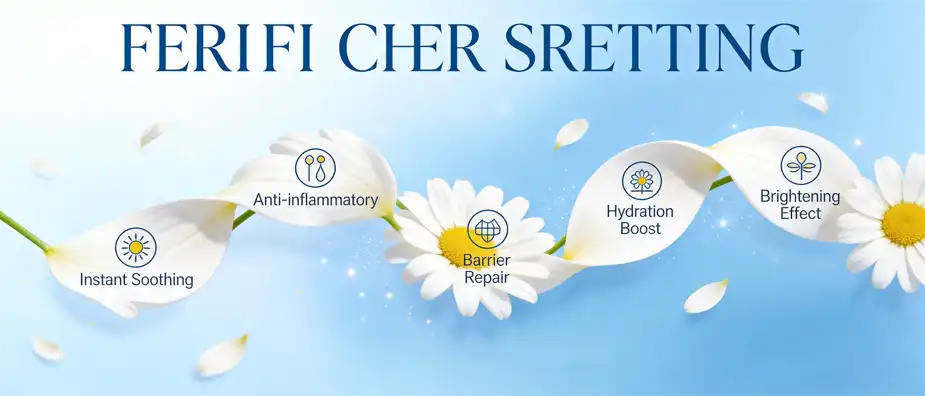
Chamomile extracts are very useful because they can be used in a lot of different beauty products. Each one uses the plant's healing qualities to meet the needs of a different group of customers. According to market research, the use of natural ingredients has grown by 127% in the last five years. Chamomile is one of the ten plant actives that customers want the most.
Skincare Applications and Therapeutic Benefits
Chamomile powder is most often used in anti-aging products, which take advantage of its antioxidant and skin-regenerating qualities. Free radicals damage collagen and speed up the aging process. The flavonoid complex fights them off. After 12 weeks of regular use, clinical tests show that 2% chamomile extract cuts down on the signs of age by 23%. These results are better than manufactured options and are better for sensitive skin. Chamomile's anti-inflammatory qualities make it a great ingredient for sensitive skin products, which help soothe itching, redness, and sensitivity right away. Because the extract can improve the skin's protective function, it is very useful for skincare after surgery and for treating skin conditions that aren't working well. Testing on skin cells has shown that products with chamomile lower redness by 35–50% compared to blank control groups that were given a sugar pill.
Haircare Integration and Scalp Health Benefits
The haircare business is becoming more aware of chamomile's ability to improve hair and skin health. Common scalp problems like dandruff, seborrheic dermatitis, and general inflammation from chemical treatments or external stresses can be helped by anti-inflammatory qualities. Combinations of shampoos with 1% to 3% chamomile extract make the skin feel much better and cause less itching. Natural hair lightening is a unique use for chamomile because its flavonoids gradually make blonde and light brown hair tones brighter. People who want natural ways to improve their hair will like this gentle choice to chemical whitening agents. Conditioners that contain chamomile ingredients make hair easier to handle and protect it from UV damage through natural antioxidant activity.
Market Trends and Consumer Preferences
The clean beauty trend is still driving demand for natural ingredients like chamomile, and 78% of customers are actively looking for products that don't contain any manmade chemicals. Sustainability factors are becoming more important in buying choices, which is good for sellers who offer extracts that are carefully sourced and environmentally approved. For upscale brands to stand out, they need to be clear about where their ingredients come from and how they're made. The trend of fitness and beauty coming together sees chamomile as a key ingredient that can be used for both beauty and health reasons. Chamomile is used in aromatherapy products and beauty products that focus on stress release, self-care, and overall health. This two-in-one feature makes the product seem more valuable and supports charging more for it.
How to Source Reliable Chamomile Extract Suppliers and Brands
Choosing a supplier is a big choice that affects the standard of the product, compliance with regulations, and the development of long-term business ties. There are many providers in the global chamomile extract market, and their services, quality standards, and skills vary. A systematic review of possible partners provides the best results for developing and selling beauty products.
Certification Requirements and Quality Assurance
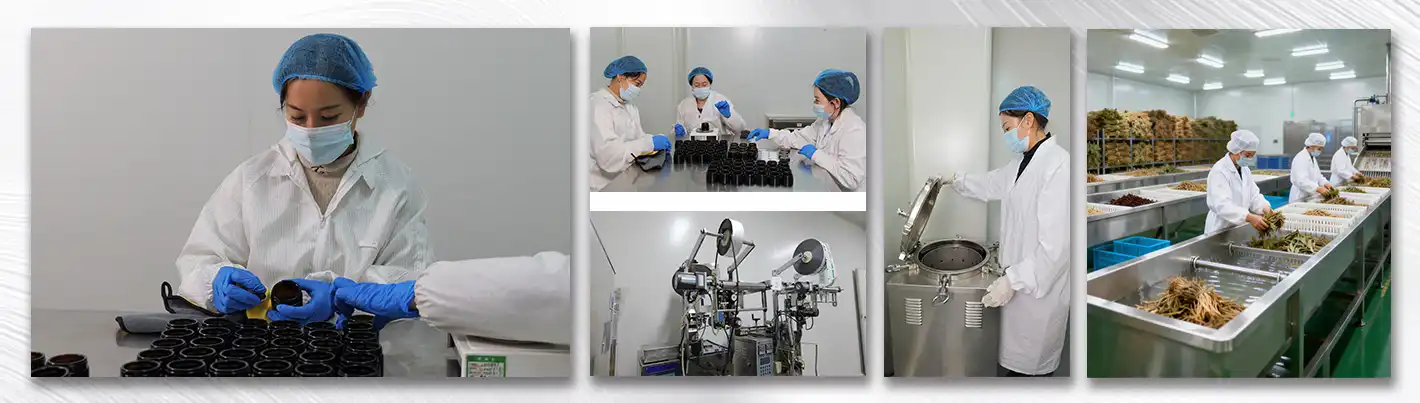
International licenses are the best way to tell if a company is trustworthy and if they know how to make things well. The ISO9001 quality management certification shows that there are organized ways to control quality and make improvements all the time. Good Manufacturing Practices (GMP) approval makes sure that production meets standards for pharmaceuticals, and ISO22000 covers food safety management systems that are important to the production of makeup ingredients. BioSpark has many qualifications, such as ISO9001, GMP, FDA registration, and Halal/Kosher approvals, which show that they are committed to meeting world quality standards. Our sites that make chamomile extract are regularly checked by a third party to make sure they are following all the rules for different markets. Advanced testing tools, such as HPLC, microbial analysis, and heavy metals screening, make sure that the quality of the products is always the same.
Manufacturing Transparency and Supply Chain Reliability
Transparent production methods let you evaluate suppliers and control risks in a smart way. Reliable providers give thorough information about where they get their raw materials, how they remove them, how they check the quality, and how they keep track of each batch. When it comes to organic and sustainably grown products, where traceability rules are very strict, supply chain openness is very important. Production capability and freedom are very important for brands that want to grow. Suppliers must show that they can increase production rates while keeping quality levels the same. Minimum order amounts, wait times, and the ability to handle supplies should all be in line with what the business needs and what the cash flow looks like. BioSpark lets you order in a variety of ways, with a minimum order size of 1 kg. They also offer full OEM/ODM services to meet the needs of both small-scale customization and large-scale production.
Partnership Models and Commercial Terms
For partnerships to last, both sides must agree on business terms, service levels, and growth goals. Depending on the needs of the business, pricing methods may include savings for buying in bulk, long-term contracts, or agreements for exclusive supply. To avoid future disagreements, it's important to be clear about payment terms, delivery choices, and who is responsible for what. Technical support and help with preparation are very useful in provider relationships. Experienced sellers can help with things like adding ingredients, testing for safety, and following the rules. BioSpark's technology team provides full help throughout the entire product development process, making sure that the end versions of chamomile extract work at their best.
Addressing Chamomile Extract Safety, Side Effects, and Compliance
Safety and regulatory compliance represent non-negotiable requirements for cosmetic ingredient sourcing. Chamomile's extensive history of safe use provides a strong foundation, but modern regulatory frameworks require comprehensive documentation and testing to ensure consumer safety and market access.
Regulatory Framework and Global Compliance
The Cosmetics Regulation (EC 1223/2009) of the European Union sets out strict rules for evaluating the safety of ingredients, such as using toxicology tests and exposure models. Chamomile products are usually safe to use as ingredients in normal situations, but there may be limits on how much can be used based on the purpose and the people who will be using the product. The rule says that products must have full information files that include safety reviews and instructions for making them. In the US, FDA control is more about making sure ingredients are safe and labels are correct than giving products approval before they go on sale. But cosmetics makers are still in charge of making sure their products are safe and that marketing claims are true. To meet customer standards, chamomile extract providers must provide full safety information, such as skin tests, stability studies, and contamination analyses.
Allergenicity Considerations and Risk Management
Even though chamomile is very safe for most people, individuals who might be allergic should carefully consider their reactions. Some people may be sensitive to cross-reactivity with other plants in the Asteraceae family, like chrysanthemums, marigolds, and ragweed. During the creation of a product, patch testing methods should be used to find possible responses and figure out the right amount of use. By carefully choosing which ingredients to use and figuring out the best quantity, formulation techniques can reduce the chance of allergens. Most of the time, purified extracts with less protein are less likely to cause allergies than crude products. Standardized extracts with proven strength allow for exact doses that improve healing benefits while reducing the risk of side effects.
Quality Control and Contamination Prevention
Microbiological pollution is the main safety issue with plant products. Bacteria, yeast, and mold infections must be dealt with by quality control methods that work well during production and storage. Usually, the total aerobic bacterial count must be less than 1000 CFU/g, and dangerous organisms like E. coli must not be present. Salmonella, E. coli, and Staphylococcus aureus. Heavy metal contamination control requires special attention because it can build up in living things and pose health risks. Mercury and cadmium levels must be less than 1 ppm each, and lead levels must stay below 10 ppm. Testing for pesticide residue makes sure that organic certification rules and general safety standards are followed. BioSpark uses advanced scientific methods and thorough testing processes to make sure that the chamomile extract is safe and pure.
Conclusion
Adding chamomile extract to beauty products is a smart move for companies that want to take advantage of the growing demand for natural ingredients that work. This plant wonder has many scientifically proven benefits for your skin, such as anti-inflammatory properties, antioxidant protection, and gentle healing qualities that help with a variety of skin problems. To make sure that products always work well and follow the rules, quality buying involves carefully checking out sources, their certifications, and their production skills. Chamomile can be used in a lot of different ways in haircare and skin care products. It is also generally safe and doesn't have any added chemicals, which makes it a great ingredient for natural beauty products aimed at health-conscious people around the world.
FAQ
What makes chamomile extract effective in beauty products?
Chamomile extract contains concentrated levels of bioactive compounds, including apigenin, α-bisabolol, and chamazulene, that provide anti-inflammatory, antioxidant, and soothing benefits. These naturally occurring molecules address skin irritation, reduce redness, and protect against environmental damage while being gentle enough for sensitive skin applications.
How do I determine the right concentration for my formulation?
Optimal concentration depends on product type and therapeutic objectives. Anti-inflammatory applications typically use 0.5-2.0% extract levels, while general soothing formulations may incorporate 2-5%. Sensitive skin products often employ 0.1-0.5% concentrations. Consulting with experienced suppliers and conducting stability testing helps determine ideal usage levels for specific applications.
What certifications should I look for in chamomile extract suppliers?
Essential certifications include ISO9001 for quality management, GMP for manufacturing standards, and organic certification if required. Additional certifications like FDA registration, Halal/Kosher approval, and third-party testing verification demonstrate comprehensive quality assurance. These credentials ensure regulatory compliance and product safety across international markets.
Partner with BioSpark for Premium Chamomile Extract Solutions
BioSpark stands ready to support your beauty product development with pharmaceutical-grade chamomile extract manufactured under strict quality standards. Our comprehensive certifications, including ISO9001, GMP, FDA, Halal, and Kosher approvals, ensure regulatory compliance across global markets. With flexible minimum order quantities starting at 1kg and full OEM/ODM capabilities, we accommodate both emerging brands and established enterprises. Our technical team provides formulation guidance, stability testing support, and regulatory assistance throughout your product development journey. As a trusted chamomile extract supplier, we maintain sufficient inventory for fast delivery worldwide with competitive pricing and reliable service. Contact our team at sales@biosparkcn.com to discuss your specific requirements and discover how our premium botanical ingredients can enhance your beauty product portfolio.
References
1. Singh, O., Khanam, Z., Misra, N., & Srivastava, M. K. (2011). Chamomile (Matricaria chamomilla L.): An overview. Pharmacognosy Reviews, 5(9), 82-95.
2. Srivastava, J. K., Shankar, E., & Gupta, S. (2010). Chamomile: A herbal medicine of the past with a bright future. Molecular Medicine Reports, 3(6), 895-901.
3. Reuter, J., Merfort, I., & Schempp, C. M. (2010). Botanicals in dermatology: an evidence-based review. American Journal of Clinical Dermatology, 11(4), 247-267.
4. McKay, D. L., & Blumberg, J. B. (2006). A review of the bioactivity and potential health benefits of chamomile tea (Matricaria recutita L.). Phytotherapy Research, 20(7), 519-530.
5. Zaccara, S., Panfili, G., Benvenuto, M., Giorgi, A., & Benvenuto, L. (2016). Antioxidant activity of chamomile (Matricaria chamomilla L.) and elderberry (Sambucus nigra L.) extracts. European Food Research and Technology, 242(6), 917-924.
6. Petronilho, S., Maraschin, M., Coimbra, M. A., & Rocha, S. M. (2012). In vitro and in vivo studies of natural products: A challenge for their valuation. The case study of chamomile (Matricaria recutita L.). Industrial Crops and Products, 40, 1-12.

Send Inquiry
Related Industry Knowledge
- What Are the Main Health Benefits of Ginseng Plant Extract?
- Marigold Extract Powder: Market Trends & Insights
- Natural Artichoke Extract: Top Benefits for Modern Wellness
- Rosehip Extract Powder Benefits: What Does Science Say?
- Why Choose Marigold Extract Powder for Eye Health?
- Natural Artichoke Extract: Science-Backed Health Benefits
- How to Use Rosa Roxburghii Extract in Formulations?
- How Do Spirulina Extract Tablets Support Heart Health?
- Why Miltiorrhiza Root Extract Powder Enhances Circulation?
- Is Spirulina Extract Tablet Effective for Weight Support?