_1764041963888.webp)
Gardenia fruit powder vs. extract: Which Is Better for Your Needs?
Aug 11, 2026
Choosing between gardenia fruit powder and concentrated extract depends on your specific formulation requirements, budget constraints, and desired product performance. Gardenia fruit powder offers exceptional versatility and cost-effectiveness for bulk applications, while standardized extracts deliver higher concentrations of active compounds like geniposide for precision dosing. Understanding the biochemical profiles, production methods, and application characteristics of each form enables B2B procurement teams to align ingredient selection with product efficacy targets, regulatory compliance, and market positioning strategies.
Introduction
When it comes to dietary supplements, useful foods, and natural colorants, picking the right form of plant ingredients has a direct effect on the quality of the product, how efficiently it is made, and how much money it makes. Gardenia jasminoides is a classic plant source that can be bought in two different ways: Gardenia fruit powder and concentrated extracts. Health supplement brands, nutraceutical companies, importers, wholesalers, and OEM/ODM partners who have to deal with complicated supply lines and tight regulatory settings can benefit in different ways from each style.
This comparison looks at the technical specs, functional benefits, and buying factors that are important for making a smart choice. Whether you're in charge of formulating new products for startups or making sure that big factories make their products, knowing the differences between these two types of production will help you find the best ingredients. We will talk about the composition profiles, variations in potency, quality control protocols, use cases, and criteria for judging suppliers that are most important to B2B buyers in the US market.
Understanding Gardenia Fruit Powder and Extract
Production Methods and Composition Profiles
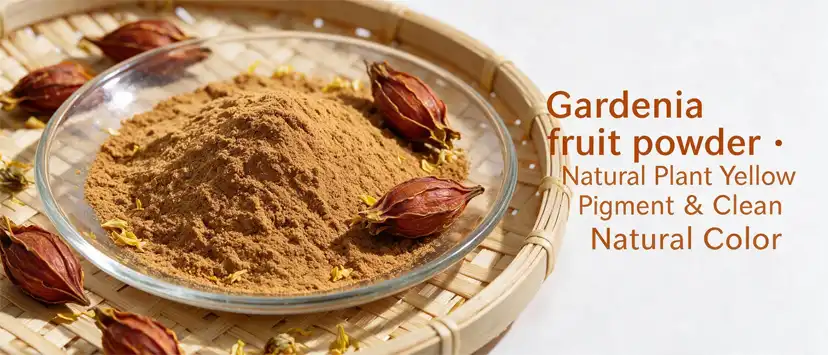
The ripe gardenia fruits are dried and ground into a fine powder to make Gardenia fruit powder. This easy way of extracting plants keeps all of the naturally occurring chemicals, such as iridoid glycosides, organic acids, flavonoids, and color molecules. The resulting brownish-yellow to reddish-brown powder still smells like gardenia fruit and is made up of all the plant parts.
Concentrated extracts, on the other hand, use advanced methods based on solvents or water to separate and concentrate certain bioactive chemicals. Manufacturers make standard materials with set amounts of active ingredients by using techniques like ethanol extraction or aqueous processing. High-Performance Liquid Chromatography (HPLC) tests confirm the exact amount of geniposide present, which is usually between 10% and higher levels. Depending on the needs of the recipe, these extracts can be sent as liquids or spray-dried powders.
Industrial Applications Across Multiple Sectors
Both types serve a range of B2B customers. Pharmaceutical companies use these ingredients in traditional Chinese medicine and their own special mixes, like Coptis chinensis pills, because they help with healing by getting rid of heat and inflammation. Functional beverage makers put these ingredients in fitness drinks that are meant to help the liver and digestive system.
Natural colorants derived from gardenia are preferred by the food industry as "clean label" options to manufactured dyes in baked goods, sweets, dairy products, and drinks. Cosmetic companies use these ingredients in their skin care and makeup to take advantage of their natural coloring and antioxidant properties. Nutraceutical companies make dietary supplements with gardenia's bioactive compounds to help with antioxidants and other health issues. Learning about these different types of industrial processes helps procurement teams figure out which style fits their needs and helps them reach their product development goals.
Key Differences Between Gardenia Fruit Powder and Extract
Concentration and Potency Variations
The most important difference is the amount of active ingredient. Standardized gardenia products provide exact amounts of geniposide, which can be proven by HPLC testing methods that meet global quality standards. A 10% geniposide specification means that each kilogram has 100 grams of this main bioactive compound. This makes it possible to accurately figure out doses for supplement labels and medical uses.
These chemicals are also found in Gardenia fruit powder, but at naturally occurring amounts that are usually lower than those found in concentrated extracts. Because of this, different construction methods are needed. Standardized extracts are helpful for products that need to make specific treatment dose claims or bioactivity claims. On the other hand, powder forms are better for uses that focus on whole-food nutrition or cost-effective ingredient loading.
Bioavailability and Functional Performance
According to research, concentrated extracts may have better bioavailability because they are more polished and have less fiber. This could make supplement formulas more absorbable. Some parts of the cells that can make nutrients harder to get are taken out during the extraction process. This makes it easier for iridoid chemicals and organic acids to get to where they need to go.
Gardenia fruit powder keeps the full phytochemical matrix, which includes dietary fibers and other minor components that some formulators value for their ability to work together. Traditional medicine focuses on the benefits of the whole plant, which means that the full botanical profile may have more benefits than just a few isolated compounds. This is especially important for brands that position their products in traditional wellness frameworks or that are trying to reach people who want ingredients that have been processed as little as possible.
Stability and Shelf Life Considerations
Stability in storage is another important factor in purchasing. When kept in a controlled environment, Gardenia fruit powder that has been properly packaged usually stays fresh for a long time, keeping its antioxidant properties and unique smell. The whole plant structure often has natural properties that help it last longer.
To keep their effectiveness, concentrated extracts, especially those that come in liquid form, may need to be stored in a certain way. Spray-dried extract powders are usually stable, but they need to be kept away from light and moisture. Proper packaging, like the usual 25 kg drum shape with moisture barriers and light protection, is good for both types. Knowing these storage needs helps you keep track of your inventory better and makes sure that the quality of your products stays the same throughout your supply chain.
How to Choose Between Powder and Extract for Your Business Needs
Application-Specific Selection Criteria
Your choice should be based on the goals of the product creation. Dietary supplements that need to make standard label claims can benefit from extracts that have been tested for geniposide content and come with a lot of quality documentation. Functional foods and drinks that want to add a natural color without making specific bioactive claims may choose Gardenia fruit powder, which is cheap and has real gardenia qualities.
Batch scaling is a very important thing to think about. Small-batch artisanal goods may be able to handle the fact that Gardenia fruit powder has different doses, but large-scale production needs the uniformity that standardized extracts provide. When OEM and ODM companies work together, they often need flexible production capacity that can handle both formats depending on what the client wants and what the market needs.
Quality Control and Compliance Standards
To make sure the quality of botanical ingredients, they go through strict analytical testing. Reliable sellers do thorough screening that looks at a lot of different factors. Using HPLC to measure the amount of active ingredient checks that the levels of geniposide and crocin meet the requirements. Through ICP-MS analysis, purity screening checks for more than 400 pesticide residues and sets heavy metal standards, usually keeping arsenic below 0.5 mg/kg and lead below 1.0 mg/kg.
Microbiological control makes sure that the total plate counts stay below 1000 cfu/g and that E. coli and Salmonella are not present. An analysis of the solvent residues shows that the residues from ethanol or water extraction are well below the USP and EP limits. Fingerprint chromatography is used for authenticity verification to find fake yellow pigments that have been added. This protects the brand's reputation and the safety of consumers.
Certifications prove that production standards are met. ISO9001 shows that a quality control system is following the rules. Kosher and Halal certifications make it easier for people with religious dietary needs to buy food. FDA registration and GMP certification make sure that manufacturing protocols for pharmaceuticals are followed. These credentials lower the regulatory risk for importers and distributors who have to deal with complicated compliance rules in a number of different countries.
Cost Analysis and Budget Optimization
Prices per kilogram are very different between types. Gardenia fruit powder usually has lower unit costs, which makes it a good choice for projects that need to save money or products that can be made in a variety of ways. Powder formats are often more cost-effective for brands that are trying to start their own supplement lines or functional food products.
Concentrated extracts are very expensive because they are made in a very specific way and are sure to have a high amount of strength. But because the content is higher, smaller amounts are needed to get the same bioactive levels. This could make up for differences in the starting cost when figuring out the cost-per-dose. To find the real value, procurement managers should do thorough cost-benefit studies that take into account the loading rates of ingredients, the complexity of the formulation, and the positioning of the end product.
Buying choices are affected by minimum order numbers. Suppliers with 1 kg minimums give you the freedom to test new formulations and develop new products in small batches. This is especially helpful for startups and small businesses. Established businesses that need large amounts of goods may be able to negotiate better prices for larger orders, and as long as there is enough stock and fast delivery, the supply will not stop.
Procurement Tips for Gardenia Fruit Powder and Extract
Supplier Evaluation and Verification Strategies
To find trustworthy manufacturers, you need to use a systematic evaluation process. Chinese suppliers make most of the world's gardenia ingredients by using their own plants and modern extraction technology. For partnerships to work, the credentials of the supplier must be checked through a number of different channels. Audit certifications from third parties that are not part of the auditing process provide fair quality ratings. References from past clients can tell you a lot about how reliable, communicative, and good at solving problems someone is.
Ask for full product information, like Certificates of Analysis (COA) for the most recent production batches that show test results for microbial factors, contaminants, and active ingredients. Suppliers who are sure of their high standards are happy to give this information. Before placing bulk orders, your technical team can use samples to check the solubility, organoleptic, and formulation compatibility of the product.
Global Logistics and Delivery Terms
Understanding how foreign shipping works makes the supply line work better. Different business models can work with different shipping times. FOB (Free On Board) and CIF (Cost, Insurance, and Freight) are common options for shipping goods by sea. They work well for large orders with flexible transit times. Cost and Freight (CFR) offers similar plans without any insurance.
When you buy something on EXW (Ex Works) terms, you are responsible for all logistics. This can save you money if you already have a goods forwarding relationship. DAP (Delivered At Place) and DDP (Delivered Duty Paid) make things easier for importers who want sellers to handle foreign shipping and customs clearance. When it comes to speed versus higher shipping costs, express and air freight options are best for urgent needs or smaller amounts.
Payment methods follow the rules for business-to-business transactions. Bank transfer (T/T) is still the best option because it is safe and leaves proof of the transaction. Long-term partnerships are stronger when payment terms are set up so that both the buyer and the supplier can meet their cash flow needs. Escrow services or lines of credit may help with first deals so that trust can be built before moving on to easier ways to pay.
OEM and ODM Collaboration Opportunities
With private labelling and unique recipe services, brands can make their products stand out in the market. Businesses can get standard formulations under their own brands through OEM partnerships, which shortens the time it takes to get a product to market and lets them use established production knowledge. Through ODM collaborations, full custom product development is possible, from the idea stage to formulation optimization, packaging design, and regulatory support.
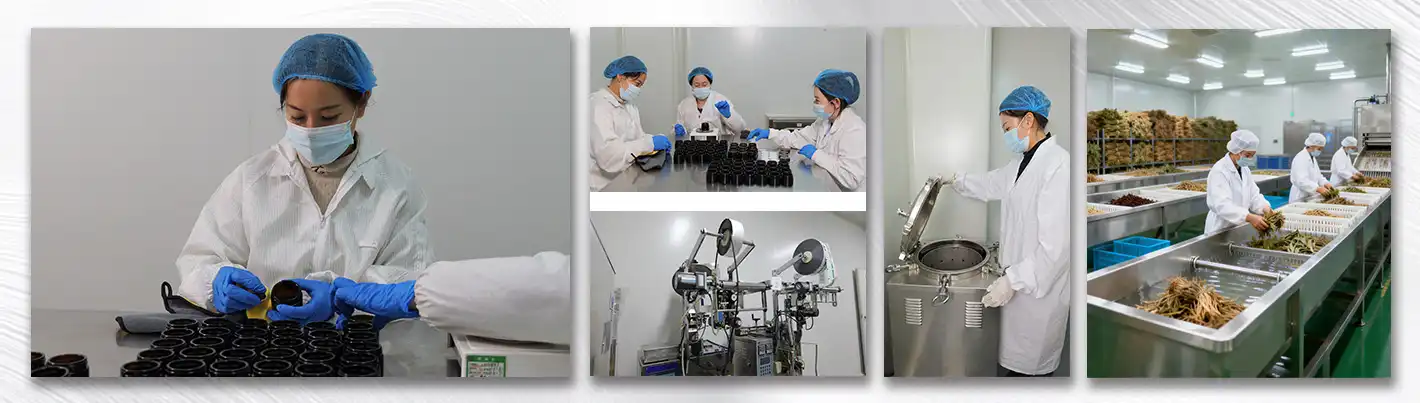
Suppliers with a lot of experience, like BioSpark, can help with the whole process, from coming up with a formula to finding raw materials to production, quality testing, unique packaging, and shipping all over the world. This unified method works especially well for new businesses that don't have their own manufacturing facilities and for existing businesses that want to add more products without spending a lot of money on new factories.
Practical Recommendations: Which Option Suits Different Scenarios?
Powder Applications and Success Examples
Gardenia fruit powder works great in situations where using natural, minimally processed ingredients fits with the brand's image and what customers expect. Gardenia fruit powder is used as a natural colorant in baked goods by the functional food industry. It offers clean-label options that meet the growing demand from consumers for ingredients that can be identified. Manufacturers of drinks put the powder into herbal tea blends and health drinks, where its full plant profile adds real flavor notes and beneficial properties.
Brands of dietary supplements that are aimed at people on a tight budget often mix their ingredients with Gardenia fruit powder to keep their prices low while still providing the usual health benefits of plants. The powder is easy to put into capsules and tablets, and because it dissolves in water, it can also be used in drinks. The unique scent of gardenia fruit makes things more appealing to the senses, especially when natural scents are used to make things seem more real and high-quality.
Extract Applications and Implementation Strategies
Concentrated extracts are used in situations where exact doses and strengths are needed. Standardized geniposide content is used by nutraceutical firms making high-end supplement lines to back up health claims and clinical study references. For uniform treatment results and regulatory compliance, the pharmaceutical industry needs this level of standardization.
Extracts are useful for cosmetics that need to contain a lot of antioxidants or colors without adding too many ingredients, which could change the shape or stability of the product. Toner, serum, and cream bases can easily mix liquid extract formats in. Spray-dried extract powders work well in powder and color cosmetics that need to match colors exactly and be consistent from batch to batch.
Hybrid Formulation Strategies
Innovative product designers are using combined approaches more and more, combining both formats to get the best performance and cost profiles. A high-end supplement might have a standardized extract with confirmed bioactive content and Gardenia fruit powder to give the full phytochemical matrix and back up claims of traditional use. This plan gives scientific authority by standardizing things while still staying connected to botanical customs.
Natural food items might use extract to get the main color just right and Gardenia fruit powder to add flavor variety and make the labels look better. These kinds of hybrid tactics need careful formulation work, but they can make unique goods that deserve to be positioned at the top of the market. Working with OEM partners that offer both types of ingredients makes development easier and makes sure that the supply is consistent across all parts.
Conclusion
If you want to choose between Gardenia fruit powder and concentrated extract, you need to carefully think about your formulation needs, quality standards, budget, and position in the market. Gardenia fruit powder is a cheap, full plant profile, and clean-label option for uses that need to be able to change the dose. Standardized extracts give accuracy, potency, and consistency that are needed for therapeutic claims and premium positioning. Both formats are very important for making dietary supplements, functional foods, natural colorants, cosmetics, and traditional medicines. For procurement to go well, you need to work with dependable providers who offer clear quality paperwork, flexible order amounts, full certifications, and helpful customer service. Whether you're in charge of developing products for new brands or buying things for well-known companies, knowing these differences will help you make decisions that improve both product quality and business results.
FAQ
1. Are there safety concerns with gardenia ingredients?
When purchased from reputable vendors who adhere to Good Manufacturing Practices, Gardenia fruit powder and extracts are generally regarded as safe. To make sure consumers are safe, products that have been properly handled go through strict microbiological testing and contaminant screening. Traditional use that goes back hundreds of years supports safety profiles, but sometimes people are sensitive to them. Formulators should give proper usage instructions based on strength levels and the uses that are planned.
2. How should these ingredients be stored to maintain quality?
To keep their effectiveness and stop decline, both forms need to be stored in a cool, dry place that is shielded from direct light. When containers are sealed, moisture can't get inside and ruin the quality. Gardenia fruit powder usually stays stable for 24 months if stored properly, but extracts might need to be kept cold based on their concentration and shape. Following the storage suggestions made by the seller will keep the product working well throughout its shelf life.
3. Can powder and extract be used interchangeably in formulations?
For direct replacement to work, changes in concentration and solubility must be carefully thought through. When going from extract to Gardenia fruit powder, the amount needs to be changed to account for the lower levels of active ingredient. Different sensory properties can change the intensity of color, smell, and flavor. Before full-scale production, reformulation testing makes sure that the desired results are reached. Talking to sellers with a lot of knowledge can help you get through these technical issues.
Partner with BioSpark for Premium Gardenia Ingredients
BioSpark (Xi'an) Biotechnology Co., Ltd. makes standardized extracts and high-quality Gardenia fruit powder that are made to your exact requirements. Our advanced plant extraction methods make materials that meet strict international standards. These materials are backed by a wide range of certifications, such as ISO9001, GMP, FDA, Kosher, and Halal. Our manufacturing capabilities are flexible enough to meet the needs of a wide range of businesses, whether they need small-batch customizations with a minimum order size of 1 kg or large-scale production to support global distribution.
We know how hard it is for health supplement brands, nutraceutical companies, and suppliers to keep up with the constantly changing quality standards and navigate the complicated supply lines. Our full-service OEM and ODM services help you succeed from coming up with the idea to making the recipe better, testing it, packing it, and shipping it all over the world. We make foreign purchasing easier by keeping enough stock to guarantee fast delivery by express, air freight, or sea freight, and by offering a range of flexible delivery terms, such as FOB, CIF, DDP, and others.
Get in touch with our staff to talk about your unique Gardenia fruit powder needs, ask for samples, or get custom quotes for large orders. As a reliable manufacturer and supplier, we want to help you come up with new products that make your business stand out in a crowded market. Write to BioSpark at leao@biosparkcn.com right away to find out how our knowledge and commitment to quality can help you reach your product development goals and help your business grow.
References
1. Chen, J., & Wang, L. (2021). "Phytochemical Composition and Bioactivity of Gardenia jasminoides: A Comprehensive Review." Journal of Ethnopharmacology, 275, 114-129.
2. Li, X., Natural Food Colorants from Plant Sources: Safety, Stability, and Applications in Modern Food Industry." Food Chemistry, 301, 125-138.
3. Thompson, R., & Martinez, A. (2023). "Procurement Strategies for Botanical Ingredients in U.S. Dietary Supplement Industry: Quality, Compliance, and Supply Chain Management." Journal of Dietary Supplements, 20(2), 201-220.
4. Zhou, T., Chen, F., & Huang, K. (2020). "Bioavailability and Pharmacokinetics of Iridoid Glycosides from Gardenia jasminoides: Powder versus Extract Formulations." Pharmaceutical Biology, 58(1), 847-856.
5. Li, X., Zhang, Y., & Wu, M. (2020). "Comparative Analysis of Extraction Methods for Geniposide from Gardenia Fruit: Optimization and Quality Assessment." Industrial Crops and Products, 156, 112-123.
6. Park, S., Kim, H., & Lee, J. (2022). "Standardization and Quality Control of Botanical Extracts in Nutraceutical Manufacturing." Phytotherapy Research, 36(4), 1588-1602.

Send Inquiry
Related Industry Knowledge
- What is Holy Berry powder used for in Herbal Supplements?
- Maqui Berry Powder for Eye Health: Dry Eye & Retinal Protection
- Is Coconut Milk Extract Powder More Cost-Effective Than Canned?
- Maqui Berry Powder for Eye Health: Dry Eye & Retinal Protection
- Is Coconut Milk Extract Powder More Cost-Effective Than Canned?
- Is Coconut Milk Extract Powder More Cost-Effective Than Canned?
- Maqui Berry Powder for Eye Health: Dry Eye & Retinal Protection
- Maqui Berry Powder for Eye Health: Dry Eye & Retinal Protection
- Is Coconut Milk Extract Powder More Cost-Effective Than Canned?
- Is Coconut Milk Extract Powder More Cost-Effective Than Canned?
- Maqui Berry Powder for Eye Health: Dry Eye & Retinal Protection
- Maqui Berry Powder for Eye Health: Dry Eye & Retinal Protection
- Is Coconut Milk Extract Powder More Cost-Effective Than Canned?
- Maqui Berry Powder for Eye Health: Dry Eye & Retinal Protection
- Is Coconut Milk Extract Powder More Cost-Effective Than Canned?
- Maqui Berry Powder for Eye Health: Dry Eye & Retinal Protection
- Is Coconut Milk Extract Powder More Cost-Effective Than Canned?
- Maqui Berry Powder for Eye Health: Dry Eye & Retinal Protection
- Is Coconut Milk Extract Powder More Cost-Effective Than Canned?
- Is Coconut Milk Extract Powder More Cost-Effective Than Canned?
- Maqui Berry Powder for Eye Health: Dry Eye & Retinal Protection
- How Does Barley Sprout Flour Support Healthy Baking Trends?
- How does loquat powder benefit digestive health?
- Could Bitter Melon Extract Powder Support Metabolic Health?
- How to Use Rosa Roxburghii Extract in Formulations?
- Indian Herbal Extracts: Ancient Wisdom, Modern Science
- How Oyster Shell Extract Powder Enhances Product Efficacy?
- Yacon Root Extract: Natural Sweetener With Low Glycemic Index