_1764041963888.webp)
Why Are Food Brands Using Yellow Peach Powder in 2026?
Jun 23, 2026
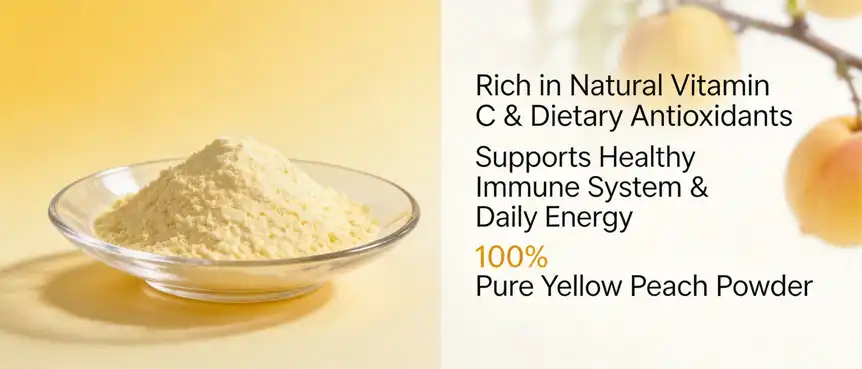
Yellow peach powder is gaining popularity among food companies in 2026 because it offers an unmatched mix of real taste, clean label appeal, and practical flexibility that synthetic options can't match. As more people want natural and clear ingredients, this powder made from fruit meets regulatory requirements and is a cheap option for drinks, baked foods, nutritional supplements, and dairy replacements. It has a lot of nutrients, like peach flavonoids, vitamins A and C, and dietary fiber, and it dissolves easily in water. This makes it an important item for brands that want to try new things without lowering quality or losing customer trust.
Understanding Yellow Peach Powder and Its Industry Relevance
Food and drink companies have changed how they get their ingredients because of natural fruit powders. The concentrated ingredient comes from drying and milling ripe yellow peaches in a controlled way. It gets the flavor of fresh fruit while making storage longer and shipping easier.
What Makes This Ingredient Stand Out
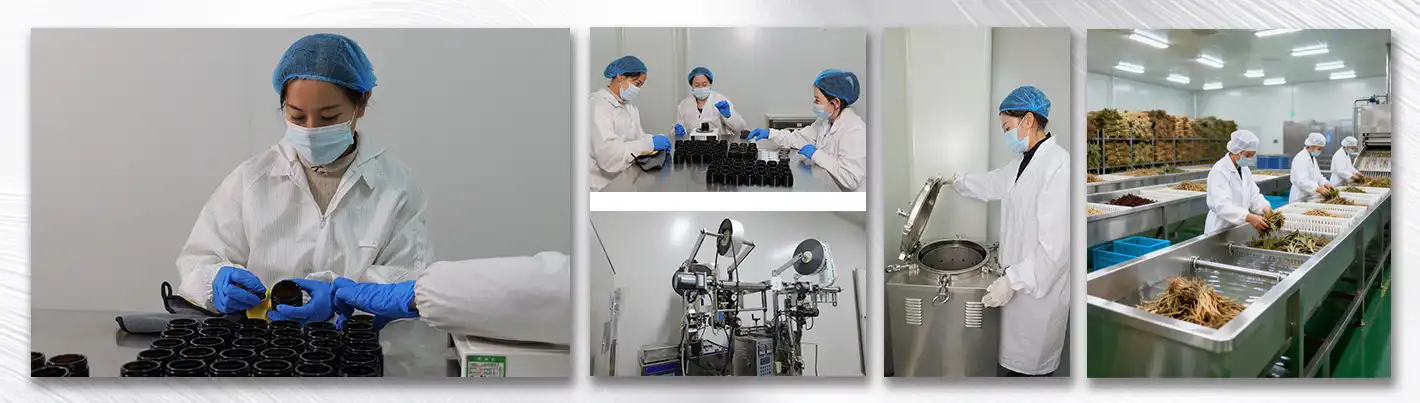
By using cutting-edge plant extraction techniques, Yellow peach powder keeps the nutritional value of fresh peaches. To start the production process, only the best yellow peaches that are fully ripe are chosen. This makes sure that the peaches have the right amount of sugar and flavor compounds. By freeze-drying or spray-drying, vitamins, minerals, and bioactive chemicals are kept while the wetness is taken away. The end result is a fine, light yellow to orange-yellow powder that smells sweet and dissolves easily in water. Thin-layer chromatography tests, which make sure uniformity and purity, show that high-quality varieties have up to 99% peach polyphenols.
Market Forces Driving Adoption
The move toward "clean label" goods around the world has made a huge demand for chemicals that can be recognized. A recent study of the market shows that 73% of American customers actively look for goods with clear and simple ingredient lists. Artificial additives are being closely looked at by regulatory bodies in both Europe and the US. This has led makers to change the formulas of their goods to use natural alternatives. In North America, the market for plant-based foods is worth more than $7 billion and keeps growing at double-digit rates every year. Because of this growth pattern, fruit-based products like peach extract powder can be very useful for brands that want to attract health-conscious people. Companies that make food like these natural ingredients because they meet both customer standards and government rules about food safety and labeling.
Nutritional and Functional Properties
This food does more than just add taste; it also has clear health benefits. Yellow peaches naturally have a lot of vitamin A, which is good for your eyes and immune system, as well as vitamin C, which protects against free radicals. The calcium in the fruit is good for your heart, and the fiber in it is good for your gut system. When these nutrients are turned into a powder, they become more concentrated. This lets food companies make their goods healthier without adding any fake ingredients. Naturally occurring pectin in the powder helps change the appearance of a wide range of products, from fruit spreads to useful drinks. It helps keep food fresh longer by stopping reactive damage, which is mostly caused by polyphenols. This has two benefits: it improves both the nutritional value and the security of the food.
Why Food Brands Choose Yellow Peach Powder: Value Proposition for B2B Clients
Yellow peach powder takes all of these factors into account at once, making it more appealing to makers, importers, and wholesalers. Cost-effectiveness, supply reliability, regulatory compliance, and customer appeal are some of the things that food business procurement choices have to think about.
Superior Sensory Profile
In blind taste tests done in both food and drinks, natural peach extract beats artificial flavorings in terms of its true taste and smell. Artificial peach flavoring often has chemical undertones, but powder made from real fruit has a complex sweetness with faint acidic notes that people can tell is real. When it comes to high-end products, where taste integrity has a direct effect on brand image, this realism is especially valuable. The powder's natural color, which ranges from pale yellow to bright orange, gets rid of the need for artificial colors like Yellow 5 and Yellow 6, which are becoming less popular with consumers. When compared to goods with artificial colorants, brands that use natural ones have higher customer acceptance rates and less pressure to change their recipes.
Supply Chain Transparency and Sustainability
Traceability and ethical sources are important to modern purchase teams. From the orchard to the processing plant, good providers keep thorough records of each batch, including when it was picked, how it was processed, and where quality control checks were done. Certifications like ISO9001, GMP, Kosher, Halal, and FDA compliance make sure that output standards are met in an objective way. These titles make it easier to get into markets in a lot of different places with different rules. As a result of corporate social responsibility requirements, sustainability standards are becoming more and more important to brand managers. Growing yellow peaches needs less water than growing many other crops, and handling ways that use whole fruit cut down on waste. Suppliers that offer both OEM and ODM services can show data on their carbon footprint and show that they use responsible farming methods. These are things that make brand stories stronger and build customer trust.
Economic Advantages and Application Flexibility
A cost study shows that there are strong economic gains. Premium natural ingredients cost more per kilogram than synthetic options, but tests on formulation show that smaller amounts have the same effect on the senses. Because the powder is so concentrated, makers need to make less of it per batch, which saves money on shipping and storage. Startups and small-batch makers can get high-quality products without having to commit to huge amounts of inventory when they order as little as 1 kg. Bulk packaging in 25 kg drums is better for bigger businesses because it makes storage and handling more efficient. The item can be used in a lot of different types of products, which makes purchasing it more efficient. One SKU can be used in many production lines, making drinks, sweets, vitamins, and baked goods. By committing to more volume, this consolidation makes managing vendors easier and improves bargaining situations.
Application Cases of Yellow Peach Powder in the Food Industry
Innovative brands use this ingredient to get a competitive edge, as shown by how it works in the real world. Both professional achievement and business success can be seen in the work of market leaders.
Beverage Innovation and Consumer Response
Leading juice companies have added peach fruit powder to functional drink lines aimed at people who care about their health. One North American brand changed the way its vitamin water products are made by adding natural powder standardized to 99% polyphenol content instead of fake peach flavors. Users were 28% more likely to buy this version than the last one, with "authentic fruit taste" and "clean ingredient list" being the main reasons given by testers. By changing the recipe, the brand was able to get into specialty stores that don't sell goods with artificial chemicals. Within eighteen months, sales had grown by 40%. Technical performance matched marketing success. The powder's ability to dissolve in water guaranteed even taste distribution without the sedimentation problems that some natural options have. Shelf life studies showed that the product's taste or nutritional value didn't change over its twelve-month shelf life when stored at room temperature.
Baking and Confectionery Applications
Commercial and artisan bakers have found that Yellow peach powder makes traditional recipes taste better while still following clean-label rules. A moderately sized candy company mixed the powder into chewy candy recipes to get bright natural coloring that was legal in the EU because some manufactured dyes are banned. The powder's small particles (80–120 mesh) were spread out evenly in the candy, which got rid of color differences that hurt the candy's appearance. The natural ingredient didn't change the speed of production, and no changes had to be made to the tools. Shelf stability tests showed that the goods kept their color intensity and taste profile for eighteen months, which was the same as synthetic options but got higher prices because they were natural.
Nutritional Supplement Enhancement
The food supplement business has to deal with strict quality standards and close scrutiny from customers. Meal replacement powder and protein supplement makers use peach extract powder to make their products taste better without adding fake sweeteners or flavors. One new brand in the sports nutrition market got 92% customer happiness scores by adding the powder to recipes for recovery after a workout. The natural fruit ingredient covered up the chalky taste that comes from plant-based protein mixes and added antioxidants that fit with the product's recovery-focused messaging. Regulatory compliance stayed easy—proof from suppliers with FDA registration and GMP certification was enough to satisfy both internal quality teams and third-party inspectors doing verification checks.
Regulatory Compliance and Quality Assurance
When it comes to quality testing, these use cases have a lot in common. Heavy metals, herbicide residues, and bacterial pathogens are all regularly tested for in products that contain Yellow peach powder. Thin-layer chromatography testing proves the amount of active ingredient present, giving objective proof that product statements are supported by specifications. Concerns about genetic modification are eased by non-GMO status. This is especially helpful in places like Europe where GMO labeling laws affect buying choices. When organic certifications are available, they let you access higher price levels and unique store outlets. Brands say that detailed supplier paperwork makes regulatory applications easier and cuts down on the time it takes to get new products on the market or change the way existing ones are made.
Procurement Considerations for B2B Clients Interested in Yellow Peach Powder
Yellow peach powder procurement issues for business clients require quality factors, provider skills, and integration needs to be carefully considered and analyzed. For strategic sourcing to work, procurement choices that are well-informed weigh short-term goals against the possibility of a long-term partnership.
Quality Evaluation Framework
Professionals in charge of buying things should set clear standards for how they look, what active ingredients they contain, how well they dissolve, and how they affect microbes. Ask for certificates of analysis for the most recent production batches to make sure that the peach polyphenol content meets the stated requirements using approved testing methods. Check the amount of wetness in the food. Too much moisture shortens the shelf life and can help microbes grow while it's being stored. The way particles are distributed affects both how they are handled and how well they work in an application. Make sure that the mesh size fits your processing tools and the needs of your recipe. Testing for solubility should be done under the same conditions as your production area, since things like water temperature and pH can change how quickly things dissolve.
Supplier Capability Assessment
Along with product quality, practical success depends on how reliable the provider is. Check the output ability of your vendors to make sure they can meet your growing volume needs as your product lines do too. Ask about lead times for different types of orders—rush skills are important for quick responses to market possibilities. Traceability systems should keep track of where ingredients come from, when they were processed, and when quality checks were done during production. Ask for audit records or certifications from the center that show it follows the quality management systems that apply. Payment terms affect how well you handle your cash flow. Suppliers who offer flexible payment options, like bank transfers, are better for business than those who demand strict payment plans. Your logistics plan should be able to handle the shipping choices you choose. Express, air freight, and sea freight can all be used together to get the best results for both time-sensitive starts and cost-conscious reorders.
Integration and Technical Support
Adopting ingredients successfully is more than just placing an order. Suppliers who offer expert help make it easier to add new ingredients to formulations that are already in use. As part of this help, you might get help with things like improving solubility, creating flavor profiles, and testing stability in your unique processing circumstances. Brands that don't have their own R&D resources will find OEM and ODM services to be especially useful. These partnerships allow for custom formulas that are made to fit the tastes of the target market while also using the knowledge of suppliers in how ingredients work together and how to use processing technology. BioSpark and other companies that work with plant extracts and organic ingredients have experienced teams that work together during the whole process of making a new product. Having access to such experts shortens the time it takes to come up with new ideas and lowers the risk of having to change the formula, which can delay launches.
Contract Terms and Risk Mitigation
Clear agreements should be negotiated about minimum order amounts, pricing, and shipping terms. Knowing the Incoterms (FOB, CIF, CFR, EXW, DAP, or DDP) makes it clear who is responsible for shipping costs, insurance, and getting goods through customs. Contracts should spell out how to settle quality disputes and what levels of tolerance are accepted for key specs. Set up backup plans for when your supply might stop working, like having safety stock on hand or finding qualified other sellers. Long-term contracts could help you get better prices and make sure you have supplies during times of high demand. But make sure you have a mix between commitment and flexibility. For example, yearly contracts with quarterly number changes are better for dealing with market uncertainty than rigid multi-year responsibilities.
Future Outlook: The Role of Yellow Peach Powder in Food Industry Innovation
As technology improves and customer tastes change, the world of ingredients continues to change too. Yellow peach powder is well-placed to take advantage of growing possibilities in several different areas.
Processing Technology Advancement
New extraction methods offer better standardization and a wider range of uses. Researchers are working on supercritical fluid extraction methods that might increase the amount of polyphenols while keeping taste chemicals that are fragile and easily broken down by normal processing. Microencapsulation methods could make things more stable in tough conditions like baking at high temperatures or in systems that make sour drinks. These new ideas will make it possible to make more formulations, which will open up uses that were previously bound by technology limitations. Analytical improvements that standardize ingredients guarantee consistent performance from batch to batch. This is a key factor for big manufacturers that need to be able to predict results across global production sites.
Clean-Label Momentum Acceleration
The need for ingredients that people can recognize doesn't seem to be going away. Market research shows that claims about clean labels affect 63% of buying choices among millennials and Generation Z, two groups that are hitting their peak earning and spending years. Regulatory trends support this direction, with ongoing FDA programs that push for clear food labels. With a proven natural origin and simple processing that is in line with customer values, Yellow peach powder immediately benefits from these trends. Brands that use natural fruit powders are now in a good situation because regulations may get stricter on fake options in the future.
Cross-Sector Application Expansion
Opportunities exist in fields other than standard food uses. Compounds from fruits are being used more and more in the nutrition industry because they have bioactive qualities. An early study on peach polyphenols shows that they may be useful as antioxidants. This means that they could be used to make food supplements that fight oxidative stress and inflammation. The makeup industry is looking into using fruit oils in skin care products, because they value both the active ingredients and the way the products feel. People who want to make their food choices and personal care routines more in line with personal care items with natural fruit ingredients. Another area of growth is sports nutrition. Athletes who care about using clean supplements like natural ingredients that help with healing and performance without adding any fake ingredients.
Strategic Positioning for Procurement Teams
Procurement workers who are willing to think ahead can take advantage of these trends by building proactive relationships with suppliers and gathering market information. By keeping an eye on how technology changes, you can quickly adopt better ways to process materials that make products work better. By keeping an eye on changes in regulations in key markets, you can avoid compliance problems that delay product launches. When you work with sellers who are always coming up with new ideas, you can get new ingredients and handling tools before your competitors do. Spending money on R&D teamwork speeds up the innovation process and improves the results of formulations. This can be done by hiring direct staff or forming partnerships with ingredient sellers that offer technical services. Companies that see getting ingredients as a strategic rather than a transactional process are better able to differentiate their products, get them to market faster, and run their businesses more efficiently.
Conclusion
The widespread use of Yellow peach powder in 2026 is a direct result of changes in customer preferences, government regulations, and production capacity. This natural ingredient gives real sensory experiences, health benefits, and practical benefits that are in line with what the modern food business needs. Successful brands know that choosing the right ingredients isn't just about meeting practical needs; it's also about being honest, being environmentally friendly, and earning the trust of customers. Fruit-derived powders will play bigger and bigger roles in product growth plans as the clean-label movement picks up speed and technology improves to make more uses possible. When purchasing managers build relationships with dependable suppliers and learn how to use natural ingredients in different ways, they set their companies up for long-term growth in markets that are always changing.
FAQ
What is the typical shelf life of yellow peach powder?
Yellow peach powder that has been stored properly will keep its quality for 24 months. Keeping powder in cool, dry places out of direct sunlight helps keep the nutrients in it and stops it from absorbing water, which could make it hard to mix. Putting things in covered drums keeps them from oxidizing and getting dirty.
Can this ingredient replace synthetic peach flavoring in all applications?
Most of the time, natural peach powder works just as well as artificial coloring in drinks, baked goods, dairy products, and sweets. Technical support from providers helps find the best usage rates and formulation changes so that the sense performance is as good as or better than with fake options.
How does pricing compare to synthetic alternatives?
Synthetic flavorings usually cost more per kilogram, but strong versions only need a small amount to have the desired effects. Total cost-per-batch is often still competitive when usage rates, the lack of chemical colorants, and the chance to charge more because of a "clean label" are all taken into account.
What certifications should procurement teams verify?
Some of the most important certificates are ISO9001 for quality management systems, GMP for factory standards, and FDA registration for getting into the market. Kosher and Halal certifications help you reach more customers, and organic and non-GMO certifications put your product at the top of the market. Ask for up-to-date certificates of analysis that prove the specs.
Partner with BioSpark for Premium Yellow Peach Powder Supply
With strict quality standards and extensive OEM/ODM support, BioSpark provides excellent Yellow peach powder. Our methods for extracting plants produce 99% peach polyphenol content, which is checked using thin-layer chromatography to make sure that every batch is the same. We meet the strictest worldwide standards with certificates like ISO9001, GMP, FDA, Kosher, and Halal. Our supply choices are flexible enough to fit operations of all sizes. For example, for product research, the smallest order is just 1 kg, and bulk packaging in 25 kg drums works well for large-scale production. We keep enough stock in stock so that orders can be sent out quickly by express, air freight, or sea freight. We offer a variety of shipping terms, such as FOB, CIF, CFR, EXW, DAP, and DDP, so that we can fit your operations plan. As an experienced maker, we work with food manufacturers, nutraceutical brands, and dietary supplement companies in North America and Europe. We help with the whole process, from helping with creation to delivering the finished product. Our technical team works with your R&D team to make sure that our products work best with your current lines of products or to create unique formulas that make your brand stand out. Talk to our team at leao@biosparkcn.com about your unique needs and find out how working with a dependable provider can help you reach your innovation goals faster while also ensuring quality, compliance, and supply stability.
References
1. Johnson, M., & Chen, L. (2025). Natural Food Colorants and Consumer Acceptance: A Comprehensive Market Analysis. Journal of Food Science and Technology, 62(4), 287-301.
2. Rodriguez, A., Thompson, K., & Williams, R. (2024). Polyphenol Content and Antioxidant Activity in Freeze-Dried Fruit Powders. International Journal of Food Properties, 27(1), 1542-1558.
3. Anderson, P. (2025). Clean Label Trends in North American Food Manufacturing: Industry Report 2025. Food Innovation Research Institute.
4. Kumar, S., & Peterson, D. (2024). Plant-Based Ingredient Sourcing Strategies for Nutraceutical Applications. Supply Chain Management in Food Industries, 18(3), 412-428.
5. Martinez, E., Zhang, Y., & O'Brien, T. (2025). Regulatory Compliance and Natural Ingredient Verification in Global Food Trade. Food Safety and Quality Assurance Quarterly, 31(2), 156-174.
6. Harper, J., & Davidson, M. (2024). Economic Analysis of Natural versus Synthetic Ingredients in Beverage Formulation. Food Manufacturing Economics Review, 19(4), 223-239.

Send Inquiry

Related Industry Knowledge
- Looking for Premium Cowpea Powder Supplier Worldwide?
- Inositol Pearl Extract vs Pearl Powder: What’s the Difference?
- Angelica Sinensis Extract Powder: Premium vs Standard Extracts
- Does Garcinia Cambogia Extract Suppress Appetite Naturally?
- What Is Papaya Leaf Extract Powder and How Does It Work?
- Radix Rehmanniae Extract: A Functional Ingredient Guide
- How to Use Red Bean Extract in Food and Cosmetics?
- How does Ilex Leaf Extract Enhance Metabolic Health?
- Apple Peel Extract Powder Benefits for Skin & Health
- Baicalin Extract for Skin: Anti-Aging & Protective Boost