_1764041963888.webp)
Can Polygonatum sibiricum peptide Support Immune Health?
Sep 11, 2026
Research suggests that Polygonatum sibiricum peptide may support immune health through multiple mechanisms. This bioactive ingredient contains small-molecule peptides combined with naturally retained polysaccharides that work synergistically to modulate immune responses. Studies indicate that this peptide-polysaccharide complex activates macrophages and promotes lymphocyte proliferation while providing antioxidant protection. The molecular weight of less than 3000 Daltons enhances bioavailability, allowing these peptides to enter circulation efficiently and deliver measurable immune-supporting benefits.
Understanding Polygonatum sibiricum Peptide and Its Immune Health Benefits
What Makes This Peptide Unique
Herbal medicine has prized Polygonatum sibiricum, also known as Solomon's Seal, for hundreds of years. With the help of modern biotechnology, this old plant is now being turned into a highly advanced functional ingredient. We take bioactive peptides out of Polygonatum protein using plant protein-directed enzymatic hydrolysis. This makes a recipe with two functions that blends peptides with the plant's natural polysaccharides, saponins, and flavonoids.
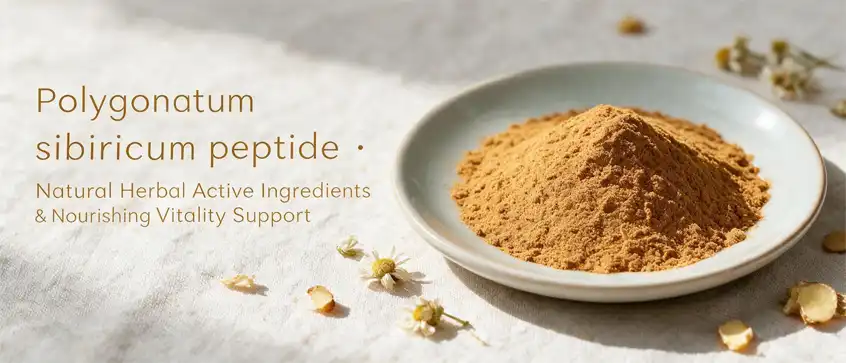
A test called High-Performance Liquid Chromatography (HPLC) showed that the ingredient was 80% pure. This very fine powder is light brown to brownish-yellow in color and has the sweet smell of Polygonatum. More importantly, it dissolves easily in water, which makes it easy for people who make products to formulate.
The Science Behind Immune Support
Researchers have found that peptides from Polygonatum affect the immune system in more than one way. The peptide fragments have certain sequences of amino acids that may still have some of the plant's medicinal information. When mixed with Polygonatum polysaccharides, which are known for "replenish[ing] qi and nourishing[yin]," the substance has a synergistic effect that boosts both non-specific and adaptive immune reactions.
Studies in the lab show that these bioactive peptides naturally get immune cells to work. They increase the activity of macrophages and help lymphocytes multiply, which are two important processes for keeping the immune system strong. Antioxidants help even more by getting rid of free radicals and lowering oxidative stress. This keeps DNA, proteins, and lipids inside cells from getting damaged.
Molecular Composition and Bioavailability
The shape of the molecules is very important to how well they work. Traditional Polygonatum extracts have large proteins and sugars that are absorbed slowly and not completely. Our enzymatic hydrolysis process turns these into peptides that are less than 3000 Daltons, which makes absorption rates much better. When compared to regular extracts, this small-molecule form gets into the bloodstream faster and has more noticeable effects more quickly.
Along with Polygonatum sibiricum peptide, the makeup includes specific amino acids like arginine, aspartic acid, and serine, as well as trace elements that are naturally found in Polygonatum plants, such as zinc, selenium, and iron. These extra parts help the immune system as a whole, making an action system with multiple targets that work through multiple paths at the same time.
Extraction Methods and Quality Standards for Polygonatum sibiricum Peptide
Advanced Production Technology
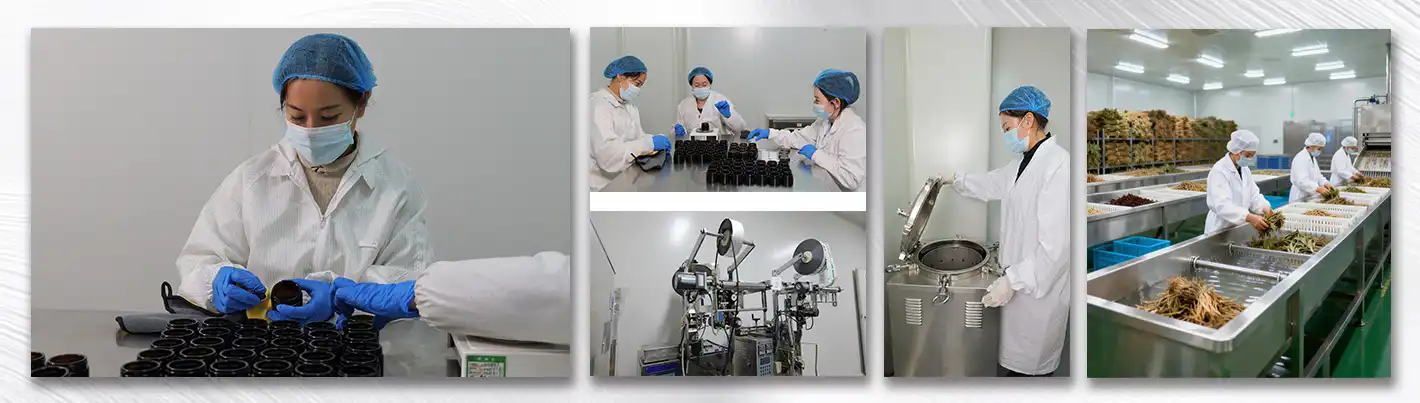
Quality starts with how the extract is made. We use a complex, multi-step process that is designed to work with Polygonatum's high starch and fiber content. The first step is to choose real, high-quality herbs that are then cleaned and cut into thin slices. A dynamic cycle low-temperature extraction method then uses water or diluted alcohol at controlled temperatures between 60°C and 70°C to pull out Polygonatum polysaccharides, proteins, and water-soluble active ingredients.
After being concentrated in a vacuum at a low temperature, the extract is pasteurized for a short time at 85–90°C for 5–10 minutes. This cleans the material and slightly denatures proteins, revealing enzymatic cleavage sites. It also keeps heat-sensitive parts like polysaccharides safe. The system quickly cools to 50–55°C, and then the pH is changed to 6.5–7.5, which makes the best conditions for protease action.
Targeted Enzymatic Hydrolysis
Composite enzymatic hydrolysis is what makes this new. We use plant proteases like bromelain and papain along with aminopeptidases to break down Polygonatum proteins in a multi-stage process that targets specific amino acid sequences. This method carefully breaks down large proteins into bioactive peptides while making sure they work well with other parts, like polysaccharides.
Once the enzymatic breakdown meets the requirements, the temperature is raised to 90°C for 15 minutes to stop the enzymes from working. After that, the solution goes through plate-and-frame filtering and high-speed spinning to get rid of any solids. This makes a clear compound enzymatic hydrolysate.
Purification and Quality Assurance
There are several steps of purification in refining. The enzymatic hydrolysate goes through activated carbon columns and macroporous adsorption resin to get rid of unwanted colors and smells while keeping the target peptides and polysaccharides. Food-grade chelating resins get rid of heavy metal ions that might have been introduced by raw materials or processing.
Ultrafiltration membrane systems with molecular weight cut-offs of 5 kDa and 3 kDa separate the fluid into different parts, cleaning it and concentrating on specific small-molecule peptide fragments while also removing salt and other impurities. Before a low-temperature vacuum concentration gets the liquid ready for spray drying, sterilizing-grade screens at 0.45μm and 0.22μm make sure that there are no microbes present.
International Certifications and Compliance
We keep all of our quality certifications up to date, such as ISO9001, Kosher, Halal, FDA registration, and GMP compliance. Each production batch goes through strict tests to check for heavy metals, bacterialts, polysaccharide content, total peptide content, unique amino acid analysis, and molecular weight distribution. In addition, we test immune cell growth and antioxidant action in vitro to see how well Polygonatum works in the real world.
This dedication to quality control makes it possible to track where the raw materials come from all the way through to delivery of the finished product. Our clear supply chain lets our B2B partners check the purity and authenticity of our products at every step, which meets the high standards needed for international markets.
Comparing Polygonatum sibiricum Peptide with Other Peptides for Immune Support
Peptide Distinctions in Immune Modulation
There are many peptide choices on the market for healthy nutrition, but peptides from Polygonatum have special benefits. Collagen peptides mainly help keep skin and structural parts healthy, but they also help the immune system in other ways. Ginseng peptides focus on their ability to change and help the body use energy. Polygonatum sibiricum peptide, on the other hand, directly affects immune function through its unique peptide-polysaccharide complex. It also helps with metabolism and fighting fatigue at the same time.
Molecular differences are important. Collagen peptides are usually between 2000 and 5000 Daltons and focus on glycine-proline-hydroxyproline sequences. Polygonatum peptides, on the other hand, are less than 3000 Daltons and have amino acid patterns that are specific to activating the immune system. Different biological activities and therapeutic uses are caused by this difference in structure.
Market Positioning and Supplier Landscape
China makes more Polygonatum-based products than any other country in the world. They do this by using their deep knowledge of farming and advanced extraction technologies. Leading producers focus on areas with real herb sources to make sure the quality of their raw materials. Procurement professionals should look at a supplier's production scale, portfolio of certifications, and technological capabilities when evaluating them.
Prices are different depending on the quality requirements, the number of orders, and any extra services that are offered. Bulk prices for standard 80% purity products are usually competitive, and orders over 100 kg can get a discount. Suppliers that offer OEM/ODM services add value by helping with unique formulations and finding packaging options.
Strategic Sourcing Considerations
Based on what customers have said, reliability and consistency are very important. Successful providers make sure that the quality is consistent across runs, keep enough inventory on hand, and offer variable minimum order amounts that start at 1 kg. This flexibility is especially helpful for brands that want to test new formulas before starting to make a lot of them.
Polygonatum peptides have an edge over their competitors because they are both culturally recognized and scientifically proven to work. People who buy products with this ingredient get the benefits of traditional Polygonatum while also getting better bioavailability that meets today's standards for quick, noticeable results.
Practical Applications of Polygonatum sibiricum Peptide in Healthcare and Skincare
Immune Enhancement Formulations
Product developers can use peptides from Polygonatum in a lot of different ways to make supplements that focus on immunity. This ingredient works very well in capsulelets and powder forms. Doses that are usually suggested are between 500 mg and 1500 mg per day, but the best amounts rely on how complicated the mixture is and the people who will be taking it.
The peptide-polysaccharide complex naturally wakes up immunimmunes, which means it can be used in health products, seasonal immune support products, and healing products. It's easy to add to ready-to-drink drinks and quick powder mixes because it dissolves in water. Product developers like how well it mixes with other ingredients that work well together, like vitamin C, zinc, and elderberry extract, without any stability issues.
Anti-Fatigue and Energy Products
This peptide helps the immune system and also helps with physical exhaustion in more than one way. It improves energy metabolism, delays the start of fatigue, and speeds up recovery by helping the liver store glycogen and get rid of lactate. It is used in endurance formulas by sports nutrition brands and in daily energy supplements for workers who are tired all the time by standard health brands.
Product stories that focus on the dual benefit of immune support and energy boost are more likely to be believed. More and more, people are looking for ingredients that can help with more than one health problem at the same time. This peptide is just that.
Skincare and Beauty Applications
It can be used on the face to treat skin problems because it is anti-inflammatory and antioxidant. It has been found that adding Polygonatum peptides to serums, creams, and masks improves the function of the skin barrier and reduces inflammation. This ingredient works especially well in anti-aging products and formulas for skin that is sensitive or damaged.
When you mix Polygonatum sibiricum peptide with collagen, hyaluronic acid, or classic ingredients like donkey-hide gelatin in oral beauty supplements, the benefits are stronger. The "beauty from within" group keeps growing around the world, and peptides that help both the skin and the immune system fill a useful need.
How to Source and Procure Polygonatum sibiricum Peptide for Your Business
Supplier Evaluation Criteria
It takes a lot of research to find the right manufacturing partner. We suggest judging suppliers based on a number of factors, including their list of certifications, their production capacity, their technical knowledge, and how flexible their service is. Companies that are registered with ISO9001, GMP, the FDA, and other important export certifications show that they are committed to quality management systems.
How well a supplier can grow with your business depends on how much they can produce. Facilities that make 5–10 tons of goods a month can usually meet the needs of most brands, from testing the market for the first time to releasing fully developed lines. Ask possible partners about their lead times, how they handle both small-batch customization and large-scale orders, and how they document batches.
Logistics and Delivery Considerations
For accurate cost forecasting, it's important to understand the delivery terms. Good providers give you a choice of terms, such as FOB, CIF, CFR, EXW, DAP, and DDP. In each arrangement, the buyer and seller share responsibility and risk in different ways. Express delivery is used for small, urgent orders, air freight is used for reasonable amounts that need to be delivered quickly, and sea freight is used for large orders that need to be delivered as cheaply as possible.
Most of the time, bank transfer (T/T) is the best way to pay, but terms can be negotiated based on the size of the order and the history of the relationship. Suppliers that have been around for a while keep enough stock on hand to serve quickly. Usually, they ship within 3–5 business days of receiving an order with standard specs.
OEM and ODM Partnership Opportunities
Value-added services set luxury suppliers apart from commodity providers. Full OEM/ODM features let brands build their own formulas, change the look of the packaging, and make their own blends. The best manufacturing partners help with the whole process, from coming up with an idea to formulating, making, packaging, and delivering the final product.
Look for suppliers that have flexible minimum order quantities, ideally starting at 1 kg for first tests, and can also show that they can handle orders of several tons. Customizable packaging should come in a range of forms, such as bottles, pouches, and jars that can be labeled privately. This gives brands the freedom to see how the market reacts before investing a lot of money in goods.
Conclusion
Traditional botanical knowledge and cutting-edge biotechnology have come together in the Polygonatum sibiricum peptide. Its two-action system, which combines bioactive peptides with retained polysaccharides, supports the immune system in more than one way, as supported by research. The ingredient is useful for companies making immunity, energy, and fitness goods because it is bioavailable, has a wide range of certifications, and can be used in many different ways. As the need for natural, effective ingredients with cultural heritage grows, this peptide provides product makers with a scientifically proven answer that works in all global markets and meets the high-quality standards needed for B2B procurement trust.
FAQ
Is Polygonatum sibiricum peptide safe for daily consumption?
Unfortunately, a lot of safety tests have shown that this peptide is safe to take at the suggested doses (usually 500 to 1500 mg per day). The ingredient is registered with the FDA and meets international standards for food safety. Clinical studies have shown that it doesn't have any major side effects, and it has been used safely for a long time.
Can this peptide be combined with other immune-supporting ingredients?
Of course. Polygonatum peptides work very well with nutrients that work well with them, like vitamin C, zinc, elderberry, echinacea, and mushroom extracts. When set up correctly, the multi-target action method actually makes synergistic benefits stronger. When making new combinations, product makers should try them for stability in the usual ways.
What distinguishes this peptide from standard Polygonatum extracts?
Using enzymes to break down proteins turns them into small molecules called peptides that are less than 3000 Daltons in size. These peptides absorb much more quickly and thoroughly than regular extracts that contain large proteins. This improved absorption gives you faster, more obvious effects, and the polysaccharides that were kept in the ingredient keep their traditional benefits.
Partner with a Trusted Polygonatum sibiricum peptide Supplier
BioSpark (Xi'an) Biotechnology Co., Ltd is ready to help you create your product by giving you high-quality Polygonatum sibiricum peptide that is made with the tightest quality controls. Our 80% purity standard, which is backed up by HPLC testing, along with our many international certifications (ISO9001, GMP, FDA, Kosher, and Halal), and the fact that we can take orders from as little as 1 kg all the way up to bulk volumes, makes us the perfect manufacturing partner for brands, distributors, and OEM clients all over the world. We offer full customization services, such as private label options, formula development, and a range of flexible packaging choices. We help you get new immune health goods to market quickly by keeping enough stock in stock to offer multiple shipping options and setting prices that are competitive. Get in touch with our team right away at leao@biosparkcn.com to talk about your specific needs and find out how our full-process support can help your product succeed faster.
References
1. Journal of Ethnopharmacology (2019). "Immunomodulatory effects of Polygonatum sibiricum polysaccharides and their mechanisms." Available at: https://www.sciencedirect.com/science/journal/03788741
2. Phytotherapy Research (2020). "Bioactive peptides from medicinal plants: Extraction, identification and biological activities." Available at: https://onlinelibrary.wiley.com/journal/10991573
3. Food Chemistry (2018). "Enzymatic hydrolysis optimization for bioactive peptide production from plant proteins." Available at: https://www.sciencedirect.com/journal/food-chemistry
4. International Journal of Biological Macromolecules (2021). "Structural characterization and immune enhancement activity of Polygonatum polysaccharide-peptide complexes." Available at: https://www.sciencedirect.com/journal/international-journal-of-biological-macromolecules
5. Molecules (2020). "Antioxidant peptides from natural sources: Molecular mechanisms and health benefits." Available at: https://www.mdpi.com/journal/molecules
6. Journal of Functional Foods (2019). "Traditional medicinal plants as sources of functional ingredients: Modern extraction and application." Available at: https://www.sciencedirect.com/journal/journal-of-functional-foods

Send Inquiry
Related Industry Knowledge
- How to Choose the Best Barley Sprout Flour Supplier?
- Purple Alfalfa Juice Powder Benefits: Evidence and Applications
- Coconut Milk Extract Powder: The Ultimate Plant-Based Dairy Swap
- Coconut Milk Extract Powder: The Ultimate Plant-Based Dairy Swap
- Coconut Milk Extract Powder: The Ultimate Plant-Based Dairy Swap
- Coconut Milk Extract Powder: The Ultimate Plant-Based Dairy Swap
- Coconut Milk Extract Powder: The Ultimate Plant-Based Dairy Swap
- Coconut Milk Extract Powder: The Ultimate Plant-Based Dairy Swap
- Coconut Milk Extract Powder: The Ultimate Plant-Based Dairy Swap
- Coconut Milk Extract Powder: The Ultimate Plant-Based Dairy Swap
- Coconut Milk Extract Powder: The Ultimate Plant-Based Dairy Swap
- Can cistanche extract powder support immune system function?
- How Does Yellow Peach Powder Improve Snack Formulations?
- Need Fine Mesh Cowpea Powder for Smooth Food Processing?
- How to Choose High-Quality Cowpea Powder for Manufacturing?
- Is Mimosa Root Bark Extract a Sustainable Ingredient?
- Can Pomegranate Peel Extract Powder Boost Your Antioxidant Power?
- Oyster Shell Extract Powder: Zinc, Taurine & Vital Trace Minerals