_1764041963888.webp)
How to Choose High-Quality Cowpea Powder for Manufacturing?
May 29, 2026
Selecting premium cowpea powder for manufacturing requires careful evaluation of supplier credentials, quality standards, and functional properties. High-quality cowpea powder should demonstrate consistent protein content (20-25%), proper solubility characteristics, and verified purity through comprehensive testing. Reputable manufacturers provide transparent documentation, including Certificates of Analysis, certified compliance with ISO9001, GMP, and FDA standards, while offering traceability from raw material sourcing through final packaging.
Understanding the Importance of Quality in Cowpea Powder for Manufacturing
Plant-based protein sources have changed the snack food and health food industries. Cowpea powder is now a useful food ingredient. This thing comes from beans and can be used in a lot of different ways. It can be used to make health supplements, veggie protein mixes, or functional drinks.
Why Cowpea Powder Quality Matters for Your Production Line
The things that are in cowpea powder have a direct effect on how your finished product works. The amount of protein in this food is usually between 20% and 25%. It features rich nutritional value, and it is safe for people with allergies, so people who are allergic to soy or cheese will enjoy it. The useful qualities, like how well they dissolve in water and how they feel, determine how well they are made and how well people like them. When cheap materials are used to make something, it doesn't always work the same way from batch to batch. This is bad for the brand's reputation and makes customers angry. To get bad quality, people usually pick the wrong raw materials or prepare them in the wrong way. There are chances of contamination, like heavy metal residues or bacteria being present, which is very bad for product safety and following the rules. Differences in the amount of protein, moisture, and particle size can make it hard for factories to run their machines properly. This can lead to higher prices and slower production. You must follow strict quality control rules to keep your supply chain safe and to make sure that the work you do is reliable and up to industry standards.
Key Functional Properties That Impact Manufacturing
The solubility of a material determines how well it mixes with other things. Certain types that dissolve in water work great in drinks and liquid supplements. Other types that dissolve in ethanol, on the other hand, change how well they extract in some mixes. How well the product moves during production and how it feels when it's done are both affected by the particle size distribution, which is usually kept between 80 and 120 mesh. Premium grinds smell like real beans and are a light yellow to light brown color. This means they were handled properly and aren't broken down or contaminated.
Core Criteria to Evaluate When Choosing Cowpea Powder Suppliers
Setting up thorough evaluation frameworks is what procurement professionals need to do in order to effectively assess possible sellers. There are more factors than just price that go into the choice. Quality standards, certifications that are real, and actual skills that match the needs of industry are also looked at.
Nutritional Benchmarks and Purity Standards
Certain nutritional facts about good sources of Cowpea powder have been checked by a lab outside of the company. You should keep track of how much protein, fiber, carbs, and important minerals are in the food you eat. It is very important to have standards for cleanliness. Products must pass regular tests to show that they don't have any heavy metals (like arsenic, mercury, cadmium, or lead), leftover pesticides, or mycotoxins. We all know that Thin-Layer Chromatography (TLC) is a good way to check if something is biological and find any possible contaminants. Some of the tests that reputable companies do are allergy tests, germ screening, and contaminant analyses. Companies don't break the law and have to return goods, which hurts the value of their names, because of these quality control steps.
Certification Requirements and Supplier Transparency
These licenses are the most important ones that show a service provider is reliable and does a great job:
- ISO9001 certification validates that systematic quality management methods are being used. These methods make sure that production standards are always met and that rules for continuous growth are followed at all times during the manufacturing process.
- GMP compliance verifies standardized food-grade production management. These standards include how the building is laid out, how the equipment is maintained, how the staff is trained, and how records are kept.
- FDA Food Facility Registration proves compliance with U.S. food safety regulations. This helps you follow the rules and makes it easy to buy something.
- Kosher and Halal certifications help faith groups with their food needs, which opens up new market opportunities. When companies do this, they can reach foreign markets and unique customer groups.
- Organic certification means that the growing methods were safe and that no man-made herbicides or fertilizers were used. Companies that make clean-label goods will be interested in the approval because of this.
These licenses all show that the seller is responsible and cares about quality, safety, and following the rules. Another thing you should check is how honest the seller is about where they get their materials, where they make their goods, and how much money they can make. Most of the time, suppliers who are more open about their facilities, quality control methods, and the supply chain are seen as more trustworthy and responsible.
Balancing Cost Considerations with Long-Term Value
It takes more study than just comparing costs on the surface to figure out prices. When prices are very low, it's likely that the quality has gone down, either because the raw materials were of lower quality or the product wasn't properly prepared or checked enough. If you want to know the total cost of ownership, you should think about how reliable the source is, how easy it is to get professional help, and how much it might cost if the quality breaks. Long-term value is often better with established companies that offer fair prices and complete paperwork than with discount choices. In the end, issues with rules, production delays, or group rejections due to low-quality products cost more than the initial price difference between the expensive and economy-grade options.
Comparing Cowpea Powder with Alternative Protein Powders for Manufacturing
Makers can choose the right ingredients for their products based on their target markets, practical needs, and product requirements when they know about similar goods already on the market.
Nutritional and Functional Advantages
Cowpea powder stands out because it has a proper composition of amino acids that features well-balanced amino acid composition ideal for protein formula development. Unlike some bean proteins that need to be combined with other sources, cowpeas have enough important amino acids to be used on their own as a healthy boost. Lots of people with celiac disease or gluten issues like the food because it doesn't have gluten, which is good for business. When compared to chickpea powder, cowpea powder generally has a little more protein and stays together better. There is protein in lentils, but it often has strong tastes that make it hard to use in different ways. People are still worried about whether soy protein is safe and doesn't come from GMOs, but it is still widely used. A lot of people buy pea protein, but cowpea protein may be better for people who are allergic to pea protein because it works just as well.
Market Trends and Consumer Preferences
That market for plant-based food is growing really quickly, and more and more people want clean-label products with chemicals they know. Cowpea powder is a good example of this because it blends old-fashioned food knowledge with cutting-edge health information. People who are vegan or vegetarian like to get their energy from different sources, so items that are different can stand out. A new study on bean proteins are recognized for excellent nutritional properties and natural plant characteristics. Because of this, cowpea is useful for more than just food. These traits can help companies that are making new health-related products write product stories that people who care about their health will want to read.
Practical Steps to Verify and Authenticate Cowpea Powder Quality
Before making big purchases, manufacturers should set up regular checks that make sure sellers are telling the truth and protect against differences in quality.
Reviewing Product Specifications and Certificates of Analysis
There should be full information about the product, such as how much ash there is, how wet it is (usually less than 8% to stop bacteria from growing), how it feels, and how much protein it has. Certificates of Analysis (CoA) have details about each batch that prove these things by testing them in a different lab. Make sure that the CoA papers have exact test dates, information on the lab's approval, and data for contaminants like heavy metals, herbicides, and bacterial factors. Find products that don't follow the norm by comparing promises made in specs to standard products and products from competitors. If something says it has a lot of protein or is very cheap, it might have been messed with or distorted. Cowpea powder providers you can trust will gladly give you lots of information and answer your complex questions in a way that you can understand.
Sample Testing and In-House Evaluation
By asking for real examples, you can make an honest decision before making big purchases. To make sure the quality meets your needs, check the texture, color consistency, and smell. How well the material works for your needs can be seen by testing how well it dissolves in liquids like water and liquor. You might want to have a nearby study done by outside labs to make sure what the seller says is true. Texture evaluation is important, especially for tasks where you will be touching people. Powders that are fine, regular, and have limited particle size are easy to mix and don't get rough or stick together. If you use automatic filling or mixing tools in your production, check how well your powders run. The flowability of the powders can affect how well these tools work.
Leveraging Third-Party Audits and Supplier Reviews
You can learn a lot about a supplier's dependability and quality from their well-known name in the field. Be a part of professional networks, trade groups, and industry associations to get feedback from providers. You can get a fair opinion on manufacturing sites, quality systems, and business practices from independent licensing groups that do third-party checks. You can use online sites that check out B2B sellers in addition to the usual due diligence. That being said, be careful when reading reviews online. Detailed feedback from real buyers is more important than general comments. The best results for industrial processes come from keeping in touch with suppliers over a long period of time and making sure there is open contact.
Case Studies and Best Practices from Leading Industrial Users
Nutraceutical brands that do well use structured procurement methods to make sure that the quality of their ingredients stays good and that the supply chain is stable.
Robust Vendor Qualification Protocols
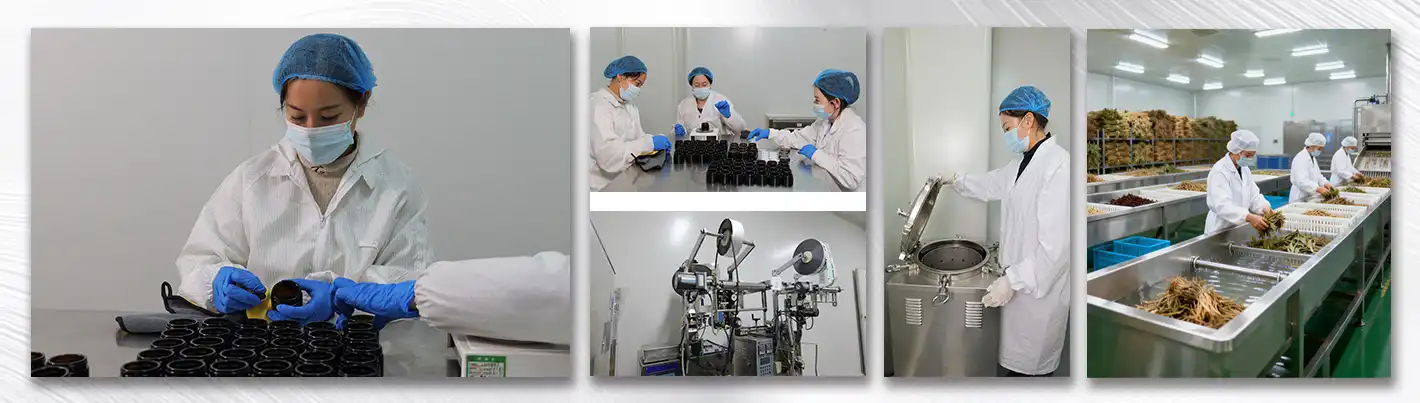
Leading supplement companies have multi-step processes for approving sellers. These processes begin with checking basic paperwork, then move on to on-site facility checks, and finally end with long trial periods where performance is regularly evaluated. To make sure the company can be a long-term partner, qualification processes generally check how well it can make things, how well it manages quality, how well it has followed the rules in the past, and how safe its finances are. Periodic re-qualification procedures maintain quality standards throughout ongoing relationships. Once a year, audits, reviews every three months, and constant checks of quality data help find issues before they hurt output. Because they are cautious, supply problems are kept to a minimum, and the quality of the goods stays at a level that customers expect from well-known brands.
Lessons from Supply Chain Challenges
The past has taught us a lot about diversification and making plans for what to do if something goes wrong. Manufacturers who depend on a single source are very fragile when unplanned events happen that affect their ability to make things or get raw materials. The supply chain should have ties with more than one skilled provider, even if it costs more. Quality mistakes cost a lot of money, but they also give you a chance to fix things and make them better. Brands that were having issues with pollution or not meeting requirements changed how they tested, sped up checks, and made it easier for providers to talk to them. By putting money into good technology, the company shows that it cares about customer safety and avoids other problems.
Long-Term Supplier Relationship Management
When procurement works well, it's not just about making deals. Strategic relationships based on shared quality goals and mutual gain are also a part of it. Suppliers can better meet customer needs if they talk to them often about market trends, production figures, and standard requirements. When people work together to solve problems, whether they're technical issues or new ideas, relationships get better, and growth continues. Feedback methods that are open and simple to use make it clear to suppliers what is expected of them. It is easier to make changes when problems are dealt with by having a positive talk about issues with quality, service performance, or the need for technical help. Long-term promises or more business chances as a reward for good provider behavior boost trust and support good behavior.
Conclusion
To pick good Cowpea powder, you should check out the products' specifications, the supplier's reputation, and how well the powder works with the production process. A good buying strategy looks at price, quality standards, and the validity of certifications. It also sets up ways to check that what sellers say is true. Structured evaluation systems, asking for full documentation, and independent tests are some of the ways that manufacturers protect their supply lines and keep the quality of their goods high. Being able to get more plant-based nutrition is becoming more important. Brands that prioritize good relationships with sources and use high-quality products will have a lot of chances to stand out in crowded markets.
FAQ
What certifications should I look for when sourcing cowpea powder?
For quality control, reliable sources stay up to date on ISO9001, GMP, and FDA registration. This makes sure they follow the rules for the U.S. market. Businesses can get into new markets with kosher and halal certifications. Cowpea powder organic certifications help them market themselves as having clean names. Before you trust the seller's papers alone, get proof from the organization that issued the certificate to make sure it is real.
How does cowpea powder compare to pea protein in manufacturing applications?
Both products are gluten-free and come from plants, but cowpea powder may be less of a concern for allergens, even though it has the same nutritional profile. Because cowpea and pea proteins don't dissolve or taste the same, cowpea can be used in places where the taste of pea protein is an issue. Cost and amount may play a role in the choice, depending on the size of the company and where it fits in the market.
What testing methods verify cowpea powder quality effectively?
This method checks the names of plants and finds fakes. The protein amount is checked using the Kjeldahl or Dumas methods to see if the nutritional claims are true. Heavy metal testing with ICP-MS makes sure that safety rules are followed. As part of full quality proof methods, microbiological tests, moisture analyses, and measuring the range of particle sizes are all done.
Partner with BioSpark for Premium Cowpea Powder Supply
BioSpark (Xi'an) Biotechnology Co., Ltd. sends useful ingredients and plant extracts that are safe for use in health products, supplements, and nutritional businesses all over the world. We have full ISO9001, GMP, FDA, Kosher, and Halal certifications as a Cowpea powder seller. These make sure that we follow all the rules in all global markets. We keep enough in stock to be able to send quickly by express, air freight, or sea freight, and our terms are flexible enough to include FOB, CIF, and DDP. You can buy as little as 1 kg, so it can be used for both small-scale tests and large-scale production. Our full OEM/ODM services help people come up with their own formulas by giving them expert help throughout the whole process. You can get examples, talk about your specific needs, and find out how our knowledge can help improve the quality of your goods and the stability of your supply chain by emailing leao@biosparkcn.com.
References
1. Smith, J.K., & Thompson, R.L. (2021). Plant-Based Protein Sources: Nutritional Profiles and Manufacturing Applications. Journal of Food Science and Technology, 58(4), 1234-1245.
2. Anderson, M.P. (2020). Quality Assurance in Nutraceutical Manufacturing: Best Practices for Supplier Qualification. International Journal of Pharmaceutical Quality Assurance, 15(2), 87-102.
3. Chen, W., & Rodriguez, E. (2022). Comparative Analysis of Legume Proteins in Functional Food Development. Food Chemistry Advances, 9(3), 445-458.
4. Williams, D.R., et al. (2021). Supplier Risk Management in the Health Supplement Industry: A Practical Guide. Supply Chain Management Review, 25(6), 32-47.
5. Kumar, S., & Peterson, L.M. (2020). Certification Standards and Their Impact on B2B Ingredient Procurement. Journal of Business and Industrial Marketing, 35(8), 1567-1582.
6. Martinez, A.C. (2023). Emerging Trends in Plant-Based Nutrition: Market Analysis and Consumer Preferences. Nutrition Business Journal, 28(1), 12-28.

Send Inquiry
Related Industry Knowledge
- Want Wholesale Bitter Melon Extract Powder at Better Prices?
- How does longan powder support digestive health?
- Pomegranate Seed Extract Powder for Antioxidant Support
- Can Indian Herbal Extracts Improve Sleep Quality?
- Can Kacip Fatimah Extract Ease Menopause Symptoms?
- Do Ganoderma Extract Powder Benefits Justify the Cost?
- Can Fulvic Acid Powder Improve Gut Health Naturally?
- What Are the Key Benefits of Tanshinone Danshen Extract?
- Yacon Root Extract Benefits: Prebiotic Gut & Digestive Support
- How Does Baicalin Extract Support Immune Function?