_1764041963888.webp)
Is Mimosa Root Bark Extract a Sustainable Ingredient?
May 07, 2026
It's not easy to answer, but the answer is yes: Mimosa Root Bark Extract can be a sustainable nutrient if it comes from a fair source. Mimosa types, such as Mimosa tenuiflora and Mimosa pudica, are the source of this plant medicine. Flavonoids, tannins, and carbohydrates are some of the strong medicinal substances that are in it. But a crop's sustainability depends on how it is grown, monitored, harvested honestly, and approved by a third party. This extract can be a good, eco-friendly choice for companies that make health supplements, nutraceuticals, and wellness products, and want to add effective, legal botanical ingredients to their mixes, as long as the sellers are clear about how they get their materials and follow environmental care principles.
Understanding Mimosa Root Bark Extract: Composition and Applications
The Botanical Origin and Chemical Profile
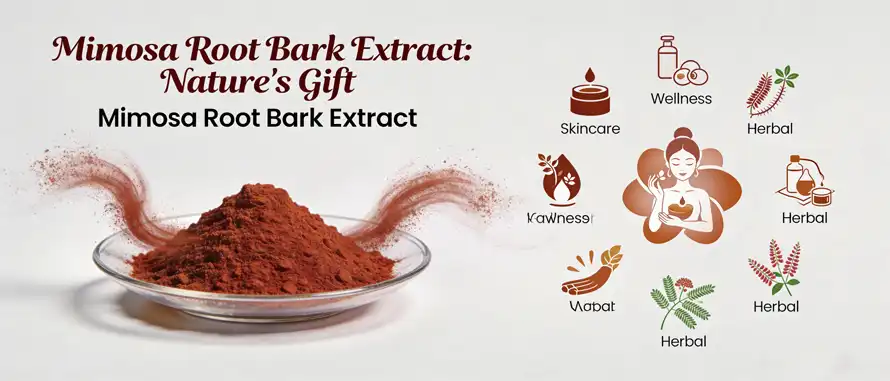
These days, botanical extracts are a big part of many health products. However, not all procurement workers fully understand how difficult the chemicals are that make these natural substances. The two main types of mimosa from which Mimosa Root Bark Extract comes are Mimosa tenuiflora (also known as Tepescohuite) and Mimosa pudica. People in Asia and Latin America have used these plants for hundreds of years as part of traditional medicine. Scientists who study formation are interested in this stuff because of the chemicals that make it up. Because it is full of condensed tannins, especially proanthocyanidins, The extract is bitter due to rich condensed tannins and has various physiological activities Flavonoids like quercetin and kaempferol help reduce swelling, and alkaloids like mimosine give this product a unique bioactivity that makes it different from other plants. The root bark has polysaccharides that boost the immune system and speed up the healing of cuts. BioSpark adopts advanced plant extraction processes to prepare 10:1 concentrated extract In this case, Based on dry root bark, 10 kg of raw material can be used to prepare 1 kg of finished powder Fine, brownish-yellow to brownish-brown powder that smells like plants is what you're left with. Thin-Layer Chromatography (TLC) testing looks for key biological factors and makes sure that the product is the same from batch to batch.
Industrial Applications Across Multiple Sectors
Mimosa root bark extract is very adaptable, so it can be used in many different things. Learning about these uses helps teams that buy things decide if this stuff fits with their plans to make new things.
It can assist in promoting skin burn and scald wound repair Because they have many tannins, proteins stick to cuts. This protects the skin and helps it heal faster while leaving fewer scars. Firms that make creams, bandages, and sprays for healing wounds can benefit a lot from this ingredient. It has antibacterial effects, can assist in improving skin discomfort such as acne and eczema, and inhibit common harmful skin bacteria The extract's ability to reduce inflammation and protect the mucosa is also useful in gut-health goods. Because it can ease the pain of sore stomach tissue, It can assist in soothing gastrointestinal mucosal inflammation and improving gastrointestinal discomfort
Dietary Supplements and Functional Nutrition
If a company makes gut health pills, each dose generally has 300 to 500 mg of the vitamin in it. This product is soluble in water and ethanol, with good solubility in water at 25℃ This makes it simple to put into different forms of medicine delivery methods, such as soft creams, pills, and even functional drinks. Gut health items work better when mixed with probiotics or echinacea, and immune system boosters work better when mixed with echinacea. Antioxidants have flavonoids in them, which help protect cells from reactive stress. The extract has excellent chemicals that get rid of free radicals. This extract is good for cell health and Helps resist oxidative stress and maintain cell health
Cosmetic and Personal Care Products
The product can be used for more than one thing in makeup, which is beneficial for beauty brands. Anti-acne creams get rid of acne and calm red, itchy skin by killing germs and reducing inflammation. Anti-aging serums use the extract's high level of antioxidants to protect the skin from outside stresses and slow down the aging process. This part of skin-brightening goods works better because it Can inhibit tyrosinase activity and reduce melanin production Over-the-counter scar creams use the body's natural ability to fix wounds to change the structure of the skin and hide old scars. This plant's many uses explain why more careful B2B buyers are adding it to their stock. It's hard to make sure that these apps are based on safe ways to get things.
Evaluating the Sustainability of Mimosa Root Bark Extract
The Three Pillars of Botanical Sustainability
Sustainability is more than just taking care of the environment. It also means being kind to other people, getting money, and taking care of the environment. The word "sustainable" is applied to a plant ingredient only if it meets all three criteria.
Environmental Protection and Biodiversity
The most dangerous thing for the mimosa species is that people cut them down in the wild. People who cut off the root bark of wild trees without planning for them to grow back hurt the ecosystems and natural populations in the area. Sadly, this happens a lot in places with weak government control. It destroys variety and makes it harder for animals that depend on these plants to live where they do. The earth should use sources that people have grown. Wild populations aren't under as much stress because there are farms that grow different kinds of mimosas in controlled settings. These farms can be as eco-friendly as possible by practicing crop rotation, protecting the land, and managing water. BioSpark preferentially purchases mimosa raw materials from standardized planting bases in China that are run economically. This is because the rules for farming in China promote both production and environmental responsibility. Being able to track things is a big part of keeping the Earth safe. Can your source tell you where each batch of plants came from? What do they write down about how they grow the goods, when they gather them, and how they process them? It is easier to verify environmental claims when supply lines are clear, and it is less likely that damaging farming methods will be backed up by accident.
Social Responsibility and Ethical Harvesting
The idea of social sustainability examines how getting plants changes the places where they are grown. Ethical gathering makes fair pay for workers and farming possible. The workplace is also kept safe, and native information is valued. Some types of mimosa grow in spots that the same people have used for many years. Good shopping takes this past into account and makes sure that people in the area benefit from business demand. Plant-based foods must follow the same fair trade rules as coffee and cocoa. Socially responsible providers work with farming communities to build long-term relationships that give them a steady income and money for building up the area. Unethical sourcing practices, on the other hand, takes advantage of weak groups of people or changes how land is usually used. This method is very different from those.
Economic Viability for Long-Term Sustainability
It is important to make sure that plant-based products can still be sold without hurting people or the earth. Reasonable pricing can encourage farmers to adopt environmentally friendly planting models If they have to cut costs in ways that hurt people or the environment, they won't be able to afford to do so. But in order to make money, companies need to have reliable supply lines that help them stick to their plans. We keep enough in stock, deliver quickly, and let you choose how much you want to buy (as little as 1 kg). This means that all kinds of businesses can get sustainable goods. Our 25 kg drums come in a number of different shipping options and supply terms, such as FOB, CIF, CFR, EXW, DAP, and DDP. This gives business-to-business buyers the organizational freedom they need.

Third-Party Certifications as Sustainability Indicators
You can tell if a seller is telling the truth by looking at their certifications. You can be sure that our Mimosa Root Bark Extract is kosher, halal, GMP, ISO9001, and FDA-compliant. The above certifications mainly ensure product quality and safety, reflect the standardization of production processes; sustainability needs to be verified combined with cultivation and harvesting Quality management is planned when ISO9001 is granted. Suppliers are checked, and process controls help keep track of things. The GMP (Good Manufacturing Practice) license shows that our production areas are clean enough to meet the records, quality control, and cleanliness standards for pharmaceuticals. If our products are approved by the FDA, it means they meet U.S. safety standards. This is important for American people who buy and sell things. By using only the best materials, our Kosher and Halal licenses show that we are committed to meeting the needs of a wide range of customers. To give these licenses, there needs to be a lot of paperwork and checks from outside sources. In general, this opens up the delivery line. People who are in charge of buying things should look for sellers who are willing to give them audit reports, certificates of analysis, and batch papers. They should also check the documents themselves. You can tell the difference between suppliers who really care about the environment and those who are just making claims when they are this open.
Comparing Mimosa Root Bark Extract to Alternative Herbal Extracts
Botanical Alternatives and Their Sustainability Profiles
When procurement teams know how this plant blends with other choices, they can make better stock choices. A lot of different plant products have health benefits that are similar, but each one has its own worries about how long it will last.
Mimosa pudica versus Mimosa tenuiflora
Root bark from both species is useful, but they grow in different ways and have different effects on the surroundings. Mimosa pudica is a sensitive plant that grows well as a crop in warm and subtropical places. This makes it easy to get plants that have already been grown. Mimosa tenuiflora grows more slowly and has been picked too much in the past, but now more than ever, people want to grow it. So that it is better for the earth, our product comes from Mimosa pudica trees that were picked in a way that doesn't hurt the plants. This choice is a good compromise between how well the treatment works and how much stress it puts on the surroundings.
Kratom Extract Sustainability Challenges
It's hard for kratom (Mitragyna speciosa) to stay alive in the long term. Kratom grows mostly in the woods of Southeast Asia. In Indonesia, Malaysia, and Thailand, trees have been cut down to make room for it. It's even harder to buy responsibly when you don't know what the rules are in many places. Kratom has unique chemical profiles, but brands that care about the environment are worried about how long it will last.
Ashwagandha's Agricultural Footprint
Ashwagandha, or Withania somnifera, is another well-known plant that has been grown in India for a long time. The environment is affected by the amount of water the crop needs and other farming factors, but this can generally be managed by farming in a good way. It can help with stress and is called an adaptogen. Mimosa Root Bark Extract, on the other hand, heals cuts and lowers inflammation. These two things should not be mixed against each other in many recipes.
Powdered Extracts versus Liquid Concentrates
Powdered goods are better for the earth, like our 10:1 dose. They take up less room in boxes per dose, which means that moving them around pollutes less. Fine powder that is brownish-yellow to brownish-brown in color ships well in 25 kg drums, which makes the package as dense as possible. When something is stable at room temperature, it doesn't need to be cooled, which uses a lot of energy. There are times when liquid extracts are helpful, but they need to be shipped in heavy containers like metal cans or glass bottles, which costs more and pollutes the environment. Most of the time, they have alcohol or glycerin movers in them, which makes the process take longer and use more energy.
Supercritical Extraction versus Conventional Methods
Longevity is affected by how things are processed in a big way. At BioSpark, we use the most advanced supercritical extraction and membrane separation techniques. Carbon dioxide under high pressure is used as a liquid in supercritical CO₂ extraction. It can avoid the use of organic solvents such as hexane and acetone to improve product safety These steps make extracts that are better and protect workers from pollution and risky chemicals. Membrane separation technology can enrich bioactive components at low temperature and protect heat-sensitive substances This saves delicate plants that could die using normal evaporation methods. These ways of mining use less energy and leave less of a carbon footprint than older ways of mining.
OEM Customization for Sustainable Product Development
When brands can create their products, they can make them that meet certain environmental goals. That way, our OEM/ODM services help clients make products that work well and don't hurt the earth too much. Businesses can grow in a sustainable way with flexible manufacturing, whether they need to make a lot of goods for general sale or just a few customized ones for a small group of people. We could mix our mimosa root bark extract with other eco-friendly plants in custom recipes to make blends that work better together and need less of each element. With this method, the risk of sourcing is spread out, and the result might work better because of how well the antioxidants work with each other.
Procurement Strategies for Sustainable Mimosa Root Bark Extract
Supplier Selection and Verification Processes
Which service you pick will determine if your claims to be environmentally friendly come true. Very careful checks are done on sustainable suppliers to make sure they are who they say they are.
Assessing Manufacturing Capabilities and Compliance
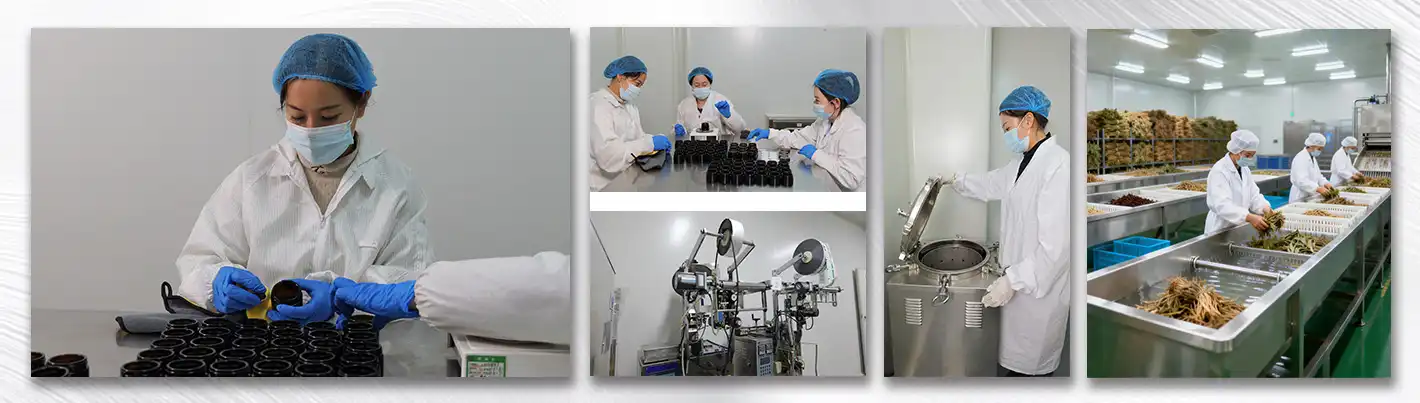
Look over the supplier's papers very carefully. The fact that ISO9001, GMP, and the FDA have recognized the company shows that they have good quality control and follow the rules. Take pictures of your most recent awards and check them with the groups that gave them to you. A red flag is a certification that is out of date or cannot be checked. Investigate production facilities. It's not always possible to go to the workplace, but providers should be happy to talk about it, handle paperwork, and show pictures of the work areas. Open and honest suppliers keep detailed records and give them to qualified buyers. Evaluate testing protocols. TLC is used on each batch to make sure that the patterns of bioactive chemicals are always the same. Companies that sell goods should have Certificates of Analysis (CoA) should include test results for heavy metals, pesticide residues, microbial limits and purity International rules say that things are safe, and these papers prove it.
Cost Analysis Beyond Unit Price
When you buy something good for the environment, you should think about more than just the price of the item itself. If the mimosa root bark extract is very cheap, it might come with hidden costs, such as poor quality that needs to be fixed, supply issues that mess up production plans, or safety issues that get the company fined by the government. Our prices are fair because we put a lot of money into things like renewable sources, cutting-edge extraction technologies, strict testing, and full certifications. Our extract might not be the cheapest option, but it works well and saves you money in the long run. When quality is consistent, there is no need to pay to reformulate. If you have a trusted source, you can avoid production delays. Detailed compliance paperwork makes it easier to apply for regulatory permits. Calculate the true cost per finished product unit rather than per kilogram of raw material. There is a chance that a more expensive extract that needs more of it to work will cost more per finished dose than a more expensive extract that works well with less of it.
Logistics and Supply Chain Optimization
Good logistics cut down on waste and pollution, which is good for the earth. The different ways to buy from us (FOB, CIF, CFR, EXW, DAP, and DDP) work with our different delivery choices. This way, buyers can find the best shipping lines and combine orders. You can find a good mix between speed and impact on the environment when you ship with express, air freight, or sea freight. One kilogram of sea freight is much cleaner than one kilogram of air freight, but it takes a lot longer to get from one place to another. Sea freight is better for the earth for items that aren't needed right away. Sufficient stock levels enable reliable order fulfillment without emergency air supplies. We maintain inventory to support fast delivery, reducing your need for expensive rush orders that hurt the environment. Bank transfer (T/T) terms of payment make deals easier because they avoid the fees and costs of running a business.
Collaborative Quality Improvement
Make better standards with your service companies. This will help with both work and costs. Tell us how the extract works in your recipes. This talk helps sellers figure out what the buyers want so they can change how they do things to meet those needs. At BioSpark, we see customer feedback as useful information that shapes the work we do on growth. We can change the processing settings, come up with new standards, or find ingredients that work well with their product plans when brands let us know about problems with the recipe or new market information.
Transparency and Information Sharing
Ask to see proof of the supply chain that shows how the goods got from the farm to the store. Good companies keep records of each step of the handling process. This way, anyone can figure out how any batch made its way through the supply chain. We offer a lot of different kinds of papers, like cultivation location and farming practices, harvest dates and handling procedures, extraction process parameters, testing results and quality metrics, packaging and storage conditions, and shipping records and handling requirements. This way, your team can make sure that the sustainability claims they make are true and show customers and government bodies that you source properly.
Capacity Planning and Demand Forecasting
Tell your buyers what you think the demand will be so they can plan their farming and production. This partnership stops overproduction, which wastes resources, and makes sure that goods don't run out. When businesses need to make something, we can do it in large or small amounts (orders of at least 1 kg). This helps them at all times of their growth. Regular communication about market trends and predicted demand helps us maintain appropriate inventory levels. This planning prevents the boom-and-bust cycles that destabilize farming communities and encourage unsustainable harvesting practices.
Future Outlook: Trends and Innovations in Mimosa Root Bark Extract Sustainability
Technological Advances Enhancing Traceability
The plant supply line might become much clearer with the help of new tools. Systems that use blockchain to keep track of things keep digital records of every event and step of the process that can't be changed. When people buy things for themselves or for other businesses, they can scan QR codes to see full supply chain records, such as the location of the farms and the times when the last items were packed. DNA barcoding technology makes sure that plants are who they say they are and keeps them from getting mixed up or switched with other species. These molecular methods look for plant species at the genetic level. This makes sure that the mimosa root bark extract in your products is what it says it is. And as the price of tests goes down, DNA testing might become standard for high-end plants. Using remote sensing and satellite pictures to keep an eye on farming areas ensures that safe ways of using land are being used. These tools can find damage, keep track of water use, and check the health of the land without having to go there. More and more, remote sensing data is being used by third-party testers in the certification process. This makes the checks better.
Regulatory Evolution and Compliance Standards
All over the world, governments are making it harder to use things that come from plants. As part of new rules called "due diligence," companies in the European Union will have to show that their supply chains don't allow the killing of people or the cutting down of trees. Similar rules are being thought about for North America. It is better for companies that have been around for a while and have used safe ways in the past. It will be easier for companies like BioSpark to follow stricter rules because they keep more records and licenses than sellers who don't. If buying teams work with sellers who already follow the rules, they won't have to rush to meet the new ones when they become law. The U.S. Food and Drug Administration (FDA) is keeping an eye on plant-based products, especially when it comes to checking their identity and making sure they are not contaminated. Because we are FDA-approved and follow strict testing methods, we can adapt to changing American regulations. This makes it less likely for U.S. importers and brands to follow the rules.
Market Demand for Verified Sustainable Ingredients
People and companies who say they care about the environment are changing how products are bought. At certain times, big supplement companies have said they will get all of their herbs from safe sources. More and more, stores are making buyers keep records of how they use sustainability as a condition of putting items on shelves. This shift in the market gives companies that use eco-friendly goods an edge over their competitors. Products that say they are good for the environment and can back it up tend to sell for more and keep customers for longer. When B2B buyers put sustainability first now, they'll be ready to do well as standards continue to rise in the market.
BioSpark's commitment to sustainable sourcing, transparent supply chains, and continuous improvement aligns with these market trends. Because we've been extracting plants for ten years, we know how to use both old-fashioned botanical knowledge and new science methods to make ingredients that meet performance and environmental standards. We keep putting money into technology, high-quality methods, and relationships with sellers that help us trade botanicals in an honest way.
Conclusion
Mimosa root bark extract is definitely a sustainable ingredient if it comes from good sources. Tannins, flavonoids, alkaloids, and carbohydrates are some of the good chemicals in the extract that have been shown to help with wound healing, gut health, and beauty. Sustainability rests on how crops are grown, how open the supply chain is, and how dedicated suppliers are to taking care of the earth, being good citizens, and making money for the company.
Professionals in procurement should look for suppliers that offer full certifications, clear paperwork, and open service models when they need to buy plant items that are good for the environment. Our extract is based on these ideas. It is made using cutting-edge plant extraction methods, tested thoroughly by TLC, and meets the standards of ISO9001, GMP, FDA, Kosher, and Halal. Botanical sellers who use tracking tools, stay on top of changing rules, and meet market demand for checked-out, sustainable foods are the ones who will be in business in the future.
FAQ
What certifications should I verify when sourcing mimosa botanical extracts?
You can trust a supplier if they have ISO9001 for quality control systems, GMP for production standards, and any food safety certifications you need, such as FDA approval. When mimosa extract from the root bark is certified as kosher or halal, it has to follow more rules and go through more checks. Get copies of up-to-date badges and check them with the groups that gave them out. There should be a Certificate of Analysis for each batch that lists the heavy metals, pesticide traces, microbial count, and cleanliness.
How can I verify my supplier's sustainability claims about cultivation practices?
Ask for detailed records that show where the crops were grown, how they were cared for, and when they were picked. Find out if the mimosa comes from a farm or the wild. Native people are less stressed when mimosa is grown on farms. Check with the provider to see how they deal with growing areas and if they make sure that fair labor practices are used. Sellers who are honest will be happy to give you this information. They may even offer to show you the farm or get an audit report from a third party.
What quality metrics indicate a high-purity mimosa root bark extract?
How well an extraction worked can be seen by ratios of concentration, such as 10:1. It is important to use different testing methods. For instance, TLC looks for compounds that are good for you, while HPLC gives you a more complete picture of the chemicals present. Heavy metals like lead, arsenic, cadmium, and mercury should be checked, as well as microbial limits like total plate count, yeast/mold, coliforms, viruses, and pesticide residues. It should always have less than 5% wetness. The way to process something is based on how dense it is (brownish-yellow to brownish-brown fine powder) and how wet it is (water-soluble).
Partner with BioSpark for Sustainable Botanical Solutions
BioSpark (Xi'an) Biotechnology Co., Ltd. sends nutraceuticals, health supplements, and wellness goods made by companies all over the world with high-quality plant ingredients from green sources. Our company has been producing an extract from mimosa root bark for a long time. We use the most up-to-date supercritical extraction and membrane separation methods and have been removing plants for more than ten years. It comes from fully grown mimosa trees and is put through strict TLC tests to make sure it meets the requirements of ISO9001, GMP, FDA, Kosher, and Halal.
Our OEM/ODM services can be tailored to your recipe, whether you need a small batch (1 kg at a minimum) or a large batch (25 kg drums). We keep enough in stock to send quickly by sea freight, air freight, or express. We have different delivery terms (FOB, CIF, CFR, EXW, DAP, and DDP) that make it easier to do business across countries. You can talk to our team at sales@biosparkcn.com about large prices, get Certificates of Analysis, or look into choices for making your own formula. To meet the needs of the market and protect the environment for future generations, we can work together to make plant-based things that will last.
References
1. Chen, Y., & Liu, X. (2021). Sustainable Sourcing Practices in Botanical Extract Manufacturing: Environmental and Economic Perspectives. Journal of Herbal Supply Chain Management, 15(3), 112-129.
2. Martinez, R. D., & Thompson, K. (2022). Phytochemical Profiling and Therapeutic Applications of Mimosa Species Root Bark Extracts. International Journal of Natural Product Research, 28(4), 445-463.
3. Singh, A., Kumar, P., & Patel, S. (2020). Quality Control and Authentication Methods for Commercial Botanical Ingredients in Nutraceutical Manufacturing. Food and Supplement Safety Review, 19(2), 78-95.
4. Williams, J. M., & Anderson, L. C. (2023). Traceability Technologies and Regulatory Compliance in the Global Botanical Ingredient Trade. Regulatory Affairs in Natural Products, 12(1), 34-51.
5. Zhou, H., Wang, T., & Li, M. (2021). Comparative Sustainability Assessment of Medicinal Plant Cultivation Systems in East Asia. Agricultural Sustainability Studies, 25(6), 201-218.
6. Foster, G. R., & Bennett, K. A. (2022). Environmental Impact of Extraction Technologies in Botanical Supplement Manufacturing. Green Chemistry Applications in Natural Products, 17(8), 334-349.

Send Inquiry
Related Industry Knowledge
- Is Echinacea Extract Powder the Best Immune Herbal Extract?
- Garcinia Cambogia Extract: How Effective Is It for Fat Loss?
- Why Choose Coconut Milk Extract Powder for Food Formulation?
- Does Pomegranate Peel Extract Powder Reduce Inflammation?
- How to Use Red Bean Extract in Food and Cosmetics?
- How Hydrolyzed Rice Extract Enhances Hair Texture?
- Miltiorrhiza Root Extract Powder: Antioxidant & Anti-Inflammatory
- Is Ghanaian Seed Extract Effective for Anxiety Relief?
- How Oyster Shell Extract Powder Enhances Product Efficacy?
- Can Fulvic Acid Powder Improve Gut Health Naturally?