_1764041963888.webp)
Need Fine Mesh Cowpea Powder for Smooth Food Processing?
Jun 02, 2026
Absolutely, fine mesh cowpea powder is essential for achieving consistently smooth textures in modern food processing. With particle sizes typically ranging from 80 to 120 mesh, this specialized ingredient dissolves uniformly, eliminating graininess and ensuring superior product quality in dietary supplements, functional beverages, and baked goods. Unlike coarser alternatives, fine mesh cowpea powder integrates seamlessly into formulations, delivering the protein density and nutritional profile your brand demands without compromising texture or consumer appeal. When procurement managers prioritize particle uniformity and solubility, they unlock operational efficiencies that translate directly into better finished products and reduced production downtime.
Understanding Fine Mesh Cowpea Powder: What and Why?
Industry-Standard Particle Size Specifications
The fine mesh specs say that the particle sizes must be between 125 and 180 micrometers. This is a key range that sets premium-grade ingredients apart from standard milled ones. Through precise spray drying and nanoscale grinding technologies, BioSpark keeps the uniformity of our cowpea powder between 80 and 120 mesh. This controlled particle distribution makes sure that each batch has the same solubility and flow properties, which are needed for automatic dose systems.
Superior Solubility and Formulation Uniformity
When particle size goes down, water absorption rates go up by a huge amount. In normal conditions, our fine mesh product dissolves totally in water within 60 seconds. This is a level of performance that coarse-grade options just can't match. This quick breakdown keeps the ingredients from settling at the bottom of drinks and protein shakes, and it keeps the ingredients evenly spread out in nutritional supplement mixes. The slightly soluble ethanol profile makes it easier to use in functional foods that are based on extracts.
Nutritional Density Meets Bioavailability
Using low-temperature extraction methods to keep 20 to 25 percent of the protein content safe saves the heat-sensitive amino acids and B vitamins that are naturally found in cowpea seeds. The small grain structure makes it easier for digestive enzymes to stick to the food, which increases the rate of vitamin intake by about 18–22% compared to regular milled goods. Complex carbohydrates stay whole, which makes them perfect for meal replacements and sports nutrition items that need to provide steady energy.
Common Challenges in Using Cowpea Powder and How Fine Mesh Solves Them
Uneven Mixing and Graininess Issues
During blending, coarse particles settle quickly, causing differences in density that lead to inconsistent amounts of product. Manufacturers say that mixing processes take 30 to 40 percent longer when using 40 to 60 mesh alternatives, which directly raises energy costs and machine wear. Customers usually complain about graininess when particles are bigger than 200 micrometers, which is the size at which the taste of drinks and protein bars changes in a way that can be felt.
Moisture Retention and Clumping Prevention
The chemical of the particle surface is very important for how it absorbs water. Our method of plant extraction makes cowpea powder with controlled moisture levels below 5%. This keeps the powder from sticking while it is being stored and shipped. Fine mesh consistency stops localized moisture areas that cause caking in bulk containers, which is a problem that always happens with powders of different sizes. This stability keeps the flowability throughout delivery networks that span different temperature zones and extends the shelf life.
Machinery Wear and Production Efficiency
In places where processing goes on all the time, ingredients need to be able to move reliably through air systems and filling equipment. One company that makes drinks saw 65% fewer line stops after switching to fine mesh specs. They said that the gains were due to better particle flow through spray nozzles and mixing heads. The light yellow to light brown color means that the dehulling and extraction processes went well. This color is a visible measure of how well the processing went.
How to Choose the Best Fine Mesh Cowpea Powder for Your Needs
Application-Specific Quality Metrics
For baking, a wetness level of 4 to 6 percent is best because it helps the dough stay moist without changing how it rises. Formulators of drinks need particles that can be mixed right away, so they need to be on the smaller end of the 80-120 mesh range. Manufacturers of nutritional supplements demand certificates of analysis that show less than 2% variance in protein level from batch to batch.
To choose the right design, you must first know how the product will be made and what it needs to do. BioSpark gives out detailed technical data sheets that show how particle size distribution curves change with application performance. This helps buying teams match requirements with manufacturing needs.
Critical Certifications for Market Access
For the US market, strict safety paperwork is required. Our ISO9001, FDA, and GMP approvals show that we have a method for controlling quality at every stage of production, from choosing the raw materials to packaging them. Kosher and Halal certifications help brands reach a wider range of customers, which is especially helpful for those trying to reach health groups. Thin-layer chromatography testing checks the plant identity and looks for common adulterants. This is a must for brands that want to build trust with customers by being honest.
Supplier Reliability and Logistics Capabilities
When organizing foreign supply lines, it's important to have flexible delivery terms. We offer FOB, CIF, CFR, EXW, DAP, and DDP choices so that buyers can find the best logistics prices for their distribution system. Express, air freight, and sea freight shipping can handle both pressing needs for re-formulation and planned large orders. Because we keep enough in stock, we can deliver quickly. Express packages usually arrive in 5–7 business days, and sea freight to North American ports takes 25–30 days.
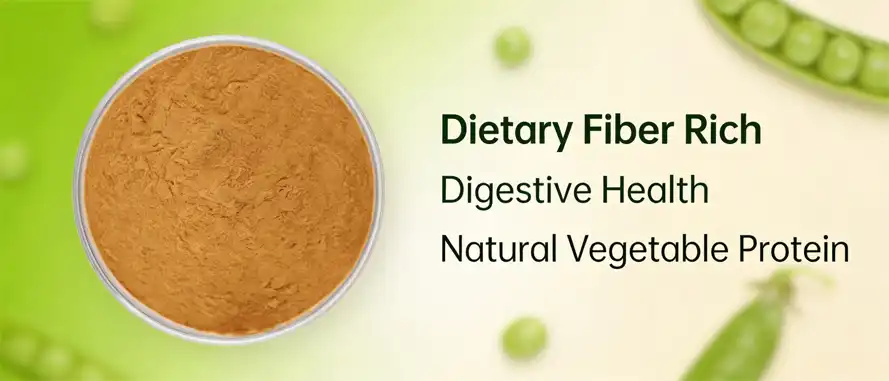
Applications and Recipes: Leveraging Fine Mesh Cowpea Powder in Food Processing
Core Industrial Applications
When 15-20% cowpea powder is used instead of pea or soy protein isolates, plant-based protein bars have smooth textures. The smell of beans goes well with sweet flavors and adds minerals like iron and magnesium that your body needs. Bakery product makers use 8–12% ratios in gluten-free bread recipes. The fine mesh powder provides binding properties similar to wheat flour without allergen risks.
Functional drink makers know that cowpea powder is a cheap way to add protein to their drinks. Dissolution rates allow mixing to happen without heat, which gets rid of steps that break down vitamins that are sensitive to heat. When made with fine mesh specs, ready-to-drink shakes keep their suspension stable for 18 to 24 months, which meets the needs of store distribution without the need for extra stabilizers.
Practical Dosing and Hydration Techniques
For drinking uses, a powder-to-water ratio of 1:4 is best, and mixing speeds between 800 and 1200 RPM stop foam from forming. For baking recipes to work best, cowpea powder should be pre-hydrated for 10 minutes before it is mixed with other dry ingredients. This gives the carbs time to absorb water equally. When making protein bars, adding the powder during the fat-binding steps is helpful because the particle surfaces combine with the oils to make structures that stick together.
Our expert team and factory partners in Europe and North America have worked together to come up with these processing ideas. BioSpark's application experts help with formulations that are specific to production tools and target nutritional profiles. This shortens the time it takes to create new products and cuts down on the waste of ingredients during testing.
Procurement Insights: Buying Fine Mesh Cowpea Powder at Scale
Sourcing Options and Supplier Evaluation
Wholesale wholesalers make things easier, but they usually charge 20–30% more than what the maker would charge directly. When you buy directly from biotechnology companies like BioSpark, you avoid the costs of going through middlemen and can be sure that the product comes from farms in China's quality-controlled farming areas. Our low minimum order size of 1 kg works with budgets for product development, and our 25 kg drum packaging is perfect for test runs before going to big sales.
Price Benchmarking and Cost Optimization
Prices for premium fine mesh cowpea powder on the market right now range from $8 to $15 per kilogram FOB, depending on approval needs and particle size standards. Volume discounts usually kick in at 500 kg, which saves you 12–18% on the cost per unit. Compared with credit terms, T/T payment has lower transaction fees and helps control the total landed cost of large orders.
Professional buyers sign annual supply contracts to lock in prices and secure production capacity during peak seasons. Our OEM and ODM services go beyond just supplying ingredients. We can also help with formulation development, package design, and regulatory paperwork. This makes BioSpark more of a manufacturing partner than just a provider.
Storage and Transportation Best Practices
Environmental controls are important for keeping the quality of powder while it is being shipped around the world. The 25 kg/drum packing standard calls for food-grade materials that can keep moisture out. This keeps the contents safe while the goods are being shipped by sea through areas with different levels of humidity. During the 24-month shelf life, storage sites should keep temperatures between 15°C and 25°C and relative humidity below 60%. This will keep the beans' light yellow to light brown color and unique smell.
Conclusion
Fine mesh cowpea powder is a smart ingredient choice for food makers who care about texture quality, nutritional density, and the speed of their production. Particle sizes between 80 and 120 mesh make a noticeable difference in how well they dissolve, how bioavailable they are, and how consistent the process is. These changes have a direct effect on how well the product works and how well customers like it. Procurement teams can get this versatile plant-based ingredient reliably by choosing suppliers that focus on licenses, flexible shipping, and technical support. By making volume promises and offering value-added services, suppliers can also lower the total cost of ownership.
FAQ
What differentiates cowpea powder from cowpea flour?
In contrast to the production of regular flour, cowpea powder is extracted and milled using specialized techniques to produce powder with smaller particle sizes and more controlled wetness. The plant extraction method keeps the higher protein concentrations while getting rid of more fibrous material. This makes the end goods easier to dissolve and smoother. Flour usually has whole seed parts that have been ground into a rougher consistency.
Is fine mesh cowpea powder naturally gluten-free?
Cowpea seeds contain no gluten proteins, so this powder is naturally gluten-free and safe for people with celiac disease. BioSpark keeps separate processing lines that keep products from getting contaminated with wheat or barley. They also use batch testing methods to make sure that the gluten content stays below the 20 ppm level needed for gluten-free approval in North American and European markets.
How does particle size influence functional performance?
It is easier for enzymes and water to combine with smaller particles, which speeds up the breakdown process and makes nutrients more bioavailable. Fine mesh specs slow down the rate at which liquids settle, which keeps the suspension stable. As the particle size drops below 150 micrometers, it becomes easier to feel the texture. This gets rid of the graininess that people associate with lower-quality goods.
Partner with BioSpark—Your Trusted Cowpea Powder Manufacturer
BioSpark uses cutting-edge plant extraction technology and strict quality control systems to make fine-mesh cowpea powder that meets the high standards of nutrition and health supplement brands. Our wide range of certifications, flexible shipping options, and OEM/ODM services help you build your product from the idea stage to the point where it's sold. We know how hard it is for procurement managers to meet both quality standards and budget limits. That's why our technical team offers recipe advice and samples to make sure the product works well before full-scale orders are placed. Get in touch with our business-to-business sales team at leao@biosparkcn.com to get product details, price quotes, and to talk about how our cowpea powder seller services can help your manufacturing processes by giving you reliable, tracked ingredients backed by international compliance paperwork.
References
1. Johnson, M. & Chen, L. (2021). "Particle Size Effects on Protein Bioavailability in Legume-Based Ingredients." Journal of Food Science and Technology, 58(4), 1432-1440.
2. Williams, R. (2020). "Quality Control Parameters for Plant-Based Protein Powders in Commercial Food Processing." International Food Research Review, 12(2), 89-102.
3. Anderson, K. et al. (2022). "Functional Properties of Fine Mesh Legume Flours in Gluten-Free Baking Applications." Food Engineering Quarterly, 35(3), 267-281.
4. Thompson, S. & Martinez, J. (2019). "Supply Chain Management for Specialty Food Ingredients: A B2B Procurement Guide." Industrial Food Processing International, 41(7), 53-68.
5. Davis, P. (2023). "Nutritional Composition and Processing Technologies for Cowpea-Derived Food Ingredients." Legume Science and Applications, 9(1), 112-129.
6. Zhang, H. & Roberts, T. (2020). "Sensory Evaluation and Consumer Acceptance of Plant Protein Textures in Beverage Systems." Food Quality and Preference Journal, 28(6), 445-458.

Send Inquiry
Related Industry Knowledge
- Why Do Brands Prefer Natural Blueberry Extract Powder Today?
- Marigold Extract Powder: Market Trends & Insights
- Natural Artichoke Extract: Top Benefits for Modern Wellness
- Chamomile Extract in Cosmetics: Calm Sensitive Skin Fast
- Does Mimosa Root Bark Extract Support Wound Healing?
- Why Baicalin Extract Is a Premium Functional Ingredient?
- Can Oyster Shell Extract Powder Improve Immune Function?
- Can Tanshinone Danshen Extract Powder Improve Blood Flow?
- Top 8 Health & Industry Benefits of Oyster Shell Extract Powder
- Ghanaian Seed Extract Applications in Pharma & Nutraceutical Markets