_1764041963888.webp)
Why Indian Herbal Extracts Lead in Adaptogenic Blends?
Mar 14, 2026
Indian herbal extracts have become the best way to make adaptogenic blends. They combine 5,000 years of Ayurvedic knowledge with modern extraction technology to give you bioactive power that is unmatched. Plants that have been used for a long time, like ashwagandha, ginger, and tulsi, have better ways of helping the body deal with stress than man-made options. In today's competitive health market, Indian herbal extracts give B2B makers the dependability, effectiveness, and market appeal they need for successful global marketing. This is because they are backed by thorough scientific validation and sustainable sourcing practices.
Understanding Indian Herbal Extracts and Their Adaptogenic Benefits
Adaptogenic mixes have changed the world of fitness by providing natural ways to help the body deal with stress, become more resilient, and feel healthier overall. For people who buy things for other companies in the nutrition industry, knowing the special benefits of Indian herbal extracts is important for making competitive product lines that meet customer needs for real, effective health solutions.
The Science Behind Ayurvedic Adaptogens
In traditional Ayurvedic treatment, certain herbs are known to help the body deal with different kinds of stress through complicated biological processes. Adaptogenic herbs change the hypothalamic-pituitary-adrenal axis, which controls how the body reacts to stress and keeps things in balance. These old ideas are still true today, thanks to studies that show compounds like withanolides in ashwagandha and curcuminoids in turmeric have real health benefits.BioSpark's premium plant extract formulas have a concentrated 10:1 extraction ratio, which makes sure that these important adaptogenic substances are as bioavailable as possible. Our advanced plant extraction methods keep the natural synergy between many active ingredients, such as polyphenols, alkaloids, and saponins. This makes sure that the medicinal effects of our goods are always the same.
Standardization Through Modern Extraction Technology
The change from old-fashioned ways of preparing herbs to modern scientific methods of extraction has completely changed how we use the power of adaptogenic plants. High-Performance Liquid Chromatography (HPLC) testing makes sure that every batch meets exact standards for the concentration of the active ingredient. This gives B2B customers the quality guarantee they need for legal compliance and promises that the product works. Our fine powder extracts are brown to dark brown and keep their natural plant smell while dissolving easily in water, which makes them perfect for a wide range of preparation needs. When you mix traditional knowledge with modern accuracy, you get goods that meet both consumer needs and government standards in foreign markets.
Key Advantages of Indian Herbal Extracts Over Synthetic Alternatives
Indian herbal extracts are better than synthetic alternatives in many ways, not just because they come from plants. They are safer, work better, and are more widely accepted by consumers, all of which synthetic chemicals have trouble matching. Knowing about these benefits helps procurement workers make smart choices that improve both the performance of the product and its place in the market.
Superior Safety and Biocompatibility Profiles
Compared to manufactured options, natural plant extracts are better at being biocompatible and having fewer side effects. Herbs contain a lot of different naturally occurring chemicals that work together to create a buffering effect that lowers the risk of side effects while keeping the healing effect. For long-term use goods and formulations aimed at sensitive customer groups, this safety benefit is especially important. Researchers have found over and over that adaptogenic herbs, like those found in traditional Indian medicines, have great tolerance profiles when used in the right amounts. Each extract has chemicals that work well with others, which create natural combos that boost the good effects while reducing the chance of bad interactions.
Versatility Across Multiple Applications
Indian herbal extracts are very useful for many things, from reducing stress and boosting the immune system to improving brain function and reducing inflammation. Because it can do more than one thing, B2B clients can make complete product lines with fewer raw materials. This makes inventory control easier and makes formulations simpler. Due to the large number of bioactive chemicals in these extracts, formulators can target more than one health issue at the same time, making goods that are more valuable to end users. This flexibility is especially helpful for businesses that want to set their goods apart in crowded market areas.
Enhanced Market Appeal and Consumer Trust
Herbal supplements are growing at double-digit rates every year in big markets around the world, as people continue to want products with natural chemicals. This trend is good for products that use real Indian herbal extracts, and they can also use the well-known safety and effectiveness of Ayurvedic medicine. Herbal chemicals support clean label campaigns that are very popular with health-conscious customers because they are clear and easy to track. B2B clients can take advantage of this choice by emphasizing where their recipe ingredients come from and how they have been used traditionally.
Manufacturing and Quality Assurance of Indian Herbal Extracts
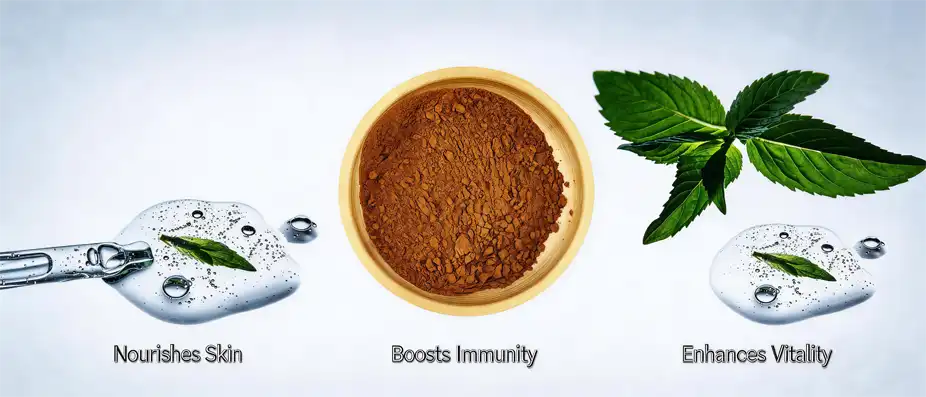
To make sure the quality of plant extracts, they must be made using complex methods that keep bioactive substances safe while also making sure that the extracts are always pure, safe, and effective. When procurement workers understand these manufacturing standards, they can better evaluate suppliers and make smart choices about where to buy things that will help the business succeed in the long run.
Advanced Extraction and Processing Methods
Multiple extraction methods are used in modern herbal extract production to get the most bioactive chemicals while keeping their original structure and activity. Depending on the chemicals being used and the purpose of the process, solvent extraction, supercritical CO2 processing, and water-based methods all have their own benefits.BioSpark uses cutting-edge plant extraction methods that keep heat-sensitive chemicals intact while getting the concentrated potency needed for effective formulas. Our 10:1 concentration ratio strikes the perfect mix between pure effectiveness and usefulness, giving formulators ingredients that give measurable results without needing too high of doses.
Comprehensive Certification and Quality Control
Every lot of plant extract has to pass strict quality control systems that make sure it is safe, pure, and effective enough to meet international standards. Certifications like ISO9001, GMP, FDA, Kosher, and Halal offer many levels of quality guarantee that help with global marketing and following the rules in many different markets. Each production run goes through a lot of tests to make sure the levels of active compounds are correct, that contaminants are not present, and that the product is safe for microbes. HPLC analysis accurately measures the amount of important bioactive chemicals present, making sure that products work the same way from batch to batch and allowing accurate claims to be made on labels.
Supply Chain Reliability and Scalability
For procurement plans to work, they need providers that can meet both present needs and the needs of growth in the future. Well-known companies have strong supply chains that can handle orders ranging from small development runs to large-scale business production without affecting quality or delivery times.BioSpark keeps enough stock on hand and offers a range of shipping choices, such as FOB, CIF, CFR, EXW, DAP, and DDP, to meet the needs of all of its clients. For business customers, the lowest amount they can buy is just 1 kg. This lets us test new goods and make more of them as they become popular on the market.
Procurement Strategies for B2B Clients: Selecting the Right Indian Herbal Extracts
To successfully buy herbal extracts, including Indian herbal extracts, you need to carefully consider your sources, be clear about what you need, and form relationships that support both your short-term and long-term business goals. Creating good procurement methods makes sure that you can get high-quality products at reasonable prices.
Defining Functional Requirements and Specifications
For buying to work well, the functional goals and technical specs needed for product creation must be made clear. This involves picking out the specific bioactive chemicals that are wanted, as well as the concentration levels, solubility needs, and interaction with other ingredients in the mixture. If you know how extraction ratios, active ingredient concentrations, and therapeutic doses relate to each other, you can have more informed conversations with possible sellers and make better decisions about suggested specs. Clear standards also make it easier to compare the products of different suppliers in a useful way and make sure that the ingredients chosen will meet the goals of the formulation.
Supplier Evaluation and Due Diligence
A full review of a supplier looks at many things, such as their ability to make things, their quality processes, how well they follow the rules, and their past performance. Checking the supplier's certifications, building checks, and customer references can help you figure out how reliable they are and how consistent their quality is. Being able to provide a lot of paperwork, like certificates of analysis, safety data sheets, and legal support materials, shows that the provider is knowledgeable and dedicated to quality. When suppliers invest in these skills, they usually show that they are more reliable and care more about their customers' success.
Building Strategic Partnerships
When buying plant extracts, long-term success often depends on building strategic ties instead of transactional ones. Partners who know what the customer wants, offer professional help, and can change with the needs of the customer create value that goes beyond just supplying ingredients.BioSpark's OEM and ODM services let us work together to make unique formulations that meet the needs of specific markets while taking advantage of our knowledge in the science and production of plant extracts. This partnership method encourages new ideas while making sure that quality standards are met and regulations are followed during the whole development process.
Case Studies and Market Insights: Indian Herbal Extracts in Global Adaptogenic Products
The world market for adaptogenic supplements is growing quickly. This is because more people are learning about natural ways to deal with stress, and more people are accepting of traditional medicine methods. Looking at how Indian herbal extracts have been used successfully can help sourcing workers who are thinking about adding these ingredients to their products.
Market Growth and Consumer Trends
According to a recent study of the market, the global adaptogenic supplement market is growing quickly. This growth is expected to continue for another ten years. This rise shows that people are becoming more interested in taking charge of their health and finding natural alternatives to synthetic stress-relieving goods. Adaptogenic herbs are regularly ranked as one of the most trusted and sought-after ingredients in stress management products by consumers. People trust plants like ashwagandha, turmeric, and tulsi because they have been used for a long time and are known to be safe. This makes them more likely to buy them again.
Successful Product Formulations and Applications
Indian herbal extracts have been successfully added by major supplement makers to a wide range of products, such as capsules, powders, drinks, and functional foods. These uses show how plant extracts can be used in a lot of different ways and are compatible with a wide range of delivery systems and preparation methods. Products with standardized plant extracts that have been tested for strength do better in the market than options that aren't standardized. Premium placement and better profit margins are supported by being able to make specific promises about the therapeutic effects and active compound content.
Innovation Opportunities and Future Trends
Adaptogenic herbs are being used for more than just stress management. They are now being used for sports nutrition, brain improvement, and beauty-from-within goods. Because of these new uses, it's possible to make new formulas that mix different plant extracts or herbs with other useful ingredients. As personalized diets and focused health solutions become more popular, there are chances for new products to be made that target specific groups of people or health problems. To take advantage of these market chances, being able to do custom extraction and preparation is becoming more and more important.
Conclusion
Indian herbal extracts are the best choice for adaptogenic blend recipes because they have been shown to work, can be sourced reliably, and are popular with consumers. When traditional knowledge, current extraction science, and strict quality control come together, they make ingredients that meet the high standards of the global health market today. For people who buy things for other businesses, working with well-known sellers who know about both the science and business of plant extracts is the best way to make new products and grow the market.
FAQ
What certifications should I look for when sourcing Indian herbal extracts?
Give more weight to sellers who have a wide range of certifications, such as GMP, ISO9001, FDA registration, and appropriate organic certifications. These licenses help make sure that international quality standards are met and that rules are followed in all global markets. Depending on the needs of the target market, other standards like Kosher and Halal may be important.
Can Indian suppliers support large-scale OEM manufacturing requirements?
Established Indian herbal extracts suppliers have advanced manufacturing skills that can handle both small development amounts and large-scale business production. With their advanced extraction technology and quality control systems, modern facilities can meet high output needs while keeping quality standards high.
How do price concerns factor into herbal extract procurement decisions?
While premium herbal extracts may cost more at first than synthetic options, they are often worth the extra money because they work better, are safer, and are more widely accepted in the market. Long-term relationships and volume pricing can provide significant cost advantages while ensuring supply security and quality consistency.
Partner with BioSpark for Premium Indian Herbal Extract Solutions
Elevate your adaptogenic product development with BioSpark's premium Indian herbal extracts that combine authentic Ayurvedic botanicals with advanced extraction technology. As a trusted Indian herbal extracts manufacturer, we provide comprehensive OEM and ODM services backed by over a decade of expertise in plant extraction and wellness nutrition manufacturing. Our standardized 10:1 concentrated extracts feature verified potency through HPLC testing, complete certification portfolios including ISO9001 and GMP, and flexible order quantities starting from just 1 kg for business customers. Contact our team at sales@biosparkcn.com to discuss your formulation requirements and discover how our reliable supply chain and technical expertise can accelerate your product development timeline while ensuring consistent quality and regulatory compliance across global markets.

References
1. Panossian, A., & Wikman, G. "Evidence-based efficacy of adaptogens in fatigue, and molecular mechanisms related to their stress-protective activity." Current Clinical Pharmacology, vol. 4, no. 3, 2009, pp. 198-219.
2. Singh, N., Bhalla, M., de Jager, P., & Gilca, M. "An overview on ashwagandha: a Rasayana (rejuvenator) of Ayurveda." African Journal of Traditional, Complementary and Alternative Medicines, vol. 8, no. 5S, 2011, pp. 208-213.
3. Chandrasekhar, K., Kapoor, J., & Anishetty, S. "A prospective, randomized double-blind, placebo-controlled study of safety and efficacy of a high-concentration full-spectrum extract of ashwagandha root in reducing stress and anxiety in adults." Indian Journal of Medical Research, vol. 134, no. 7, 2012, pp. 755-762.
4. Pratte, M. A., Nanavati, K. B., Young, V., & Morley, C. P. "An alternative treatment for anxiety: a systematic review of human trial results reported for the Ayurvedic herb ashwagandha." Journal of Alternative and Complementary Medicine, vol. 20, no. 12, 2014, pp. 901-908.
5. Cohen, M. M. "Tulsi - Ocimum sanctum: A herb for all reasons." Journal of Ayurveda and Integrative Medicine, vol. 5, no. 4, 2014, pp. 251-259.
6. Aggarwal, B. B., & Harikumar, K. B. "Potential therapeutic effects of curcumin, the anti-inflammatory agent, against neurodegenerative, cardiovascular, pulmonary, metabolic, autoimmune and neoplastic diseases." International Journal of Biochemistry and Cell Biology, vol. 41, no. 1, 2009, pp. 40-59.

Send Inquiry
Related Industry Knowledge
- Is Natural Blueberry Extract Powder Rich in Anthocyanins?
- What to Look for When Buying Ganoderma Extract Powder?
- Angelica Sinensis Extract Powder: Premium vs Standard Extracts
- Does Pomegranate Peel Extract Powder Reduce Inflammation?
- How to Identify the Best Tongkat Ali Extract Powder?
- Indian Herbal Extracts: Ancient Wisdom, Modern Science
- Mimosa Root Bark Extract: Natural Antimicrobial Agent
- Can Fulvic Acid Powder Improve Gut Health Naturally?
- Can Oyster Shell Extract Powder Improve Immune Function?
- What Makes Pure Corn Extract Powder a Premium Ingredient?