_1764041963888.webp)
Is Natural Blueberry Extract Powder Rich in Anthocyanins?
May 21, 2026
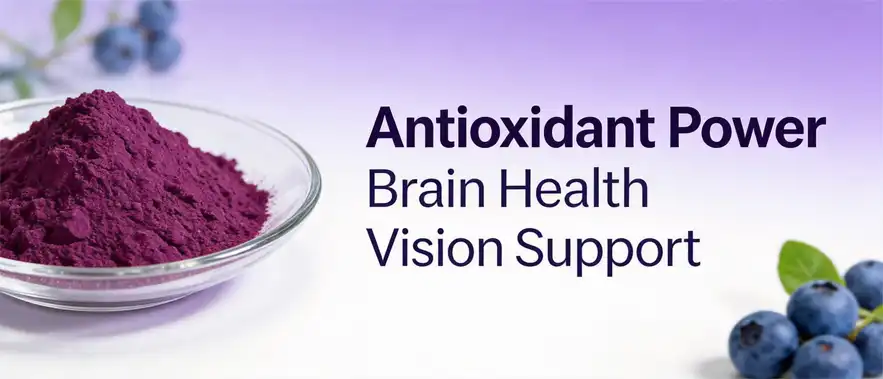
Natural blueberry extract powder has a very high amount of anthocyanins. Standardized extracts usually contain 15–25% anthocyanin content, verified by HPLC. This makes them much more concentrated than whole fruit powders. These powerful antioxidants, such as malvidin-3-galactoside and delphinidin-3-glucoside, give the fruit its dark purple-red color and offer nutritional value. Our extract meets the required 25% anthocyanin standard, giving procurement managers high-quality ingredients suitable for functional and nutritional foods.
Understanding Natural Blueberry Extract Powder and Its Anthocyanin Content
What Makes Blueberry Extract Different from Raw Fruit Powders
Natural blueberry extract powder is a huge step up from regular fruit powders. We isolate and concentrate bioactive compounds from Vaccinium species using modern plant extraction methods, such as supercritical fluid extraction and membrane separation technologies. These methods get rid of the fiber, sugars, and moisture that aren't needed. This method solves a major problem in the industry: raw anthocyanins break down quickly in high-heat processing, losing as much as 60% of their bioactivity during normal production. Bioavailability is another problem that the concentrated extract fixes. Standard berry powders have 0.5–2% anthocyanins, which means large quantities are needed to gain nutritional effects. Our standardized 25% anthocyanin extract lets formulators gain effective potency with smaller dose sizes. This cuts down on tablet size and production costs while bringing good nutritional effects to end users.
The Anthocyanin Profile and Bioactive Matrix
In addition to anthocyanins, the bioactive matrix also has flavonols such as quercetin and myricetin, phenolic acids such as chlorogenic acid, and pterostilbene. This combination works well together to make an ORAC number that is much higher than that of single compounds, giving full antioxidant defense. The specific anthocyanin profile supports retinal nutrition by improving rhodopsin renewal. It also aids vasodilation and offers anti-glycation properties good for body metabolism. These thermolabile pigments are kept safe during the three-step production cycle that we use: pre-processing with vacuum concentration; core spray drying at controlled temperatures (inlet 150–220°C, exhaust 80–100°C); and post-processing with rapid cooling in fluidized beds to keep the pigments from sticking together.
Why Anthocyanin Concentration Matters for B2B Applications
Professionals in procurement know that consistent ingredients have a direct effect on how well a product works and how much trust customers have in it. The difference between 5% and 25% anthocyanin standards is not just numbers; it greatly affects formulation stability, dosage accuracy and production speed. Higher concentration means less raw material is used per batch, shipping costs are lower, and it's easier to keep track of supplies. Beyond being aesthetically pleasing, the sweet-sour blueberry smell and dark bluish-purple color serve practical uses as well. In beverage uses, the bright color is both a natural colorant and a visual quality sign. This means that synthetic dyes, which are closely watched by regulators in clean-label markets, are not needed.
Comparative Analysis: Natural Blueberry Extract Powder vs Alternatives
Synthetic Extracts: Purity Concerns and Market Acceptance
Synthetic anthocyanin substitutes that come from petrochemicals or enzymatic production have a hard time getting approved by regulators and consumers. These may be cheaper, but they don't have all the phytonutrients that plant products do. Most of the time, synthetic forms do not have the same nutritional value as natural flavonoids, phenolic acids and trace minerals in fruit extracts. Regulatory systems in the US and EU markets are favoring natural products more and more, and people are willing to pay more for accuracy. In the nutraceutical industry, where openness is key to buying choices, synthetic extracts can also lead to required disclosure rules that hurt how people see a brand.
Organic Certification: Supply Chain Implications
Organic natural blueberry extract powder ensures no artificial fertilizers and pesticides are used in planting, which is popular among high-end market buyers. Certification changes the way you buy things because it usually means paying more for raw materials (30–50%), having to go through more steps to make sure the seller is qualified, and making the supply chain more vulnerable during yearly shortages. We have both traditional and organic production lines, so clients can choose the specs that are best for their target market and price range. Our two-track method gives brands the freedom to see how the market reacts before committing to full lines of organic products.
Freeze-Dried Powders: Concentration and Stability Differences
Natural blueberry extract powder products that have been freeze-dried have a different value because they are closer to the nutrition of whole fruits, but have a lot less anthocyanin density (usually only 2–5%). These products work well in scenarios focusing on fiber and full nutrition, but they need higher addition amounts to exert antioxidant effects. Freeze-dried options also have problems with stability. Without the concentration effect that protects from oxidative degradation, it happens more quickly, lowering the shelf life of finished goods and making the colors less stable. Procurement teams have to weigh these trade-offs against the needs of the application, keeping in mind that concentrated extracts work better in encapsulated supplements where dose amounts are limited by space.
How to Evaluate and Select High-Anthocyanin Natural Blueberry Extract Powder
Critical Quality Metrics and Testing Protocols
Understanding proof methods is the first step to evaluating natural blueberry extract powder suppliers effectively. High-Performance Liquid Chromatography (HPLC) is the most common way to test anthocyanin content, as it can detect all anthocyanin types accurately, different from easily interfered spectrophotometric methods. Our Certificate of Analysis papers list specific anthocyanin compounds, not just the total amount of polyphenols. This gives people who work in buying faith in the accuracy of the specifications. Some other signs of quality are moisture content (ideally less than 5% for best stability), heavy metal screening (for example, lead, arsenic, cadmium, and mercury), microbiological testing (for example, yeast, mold, pathogens, and total plate count), and particle size distribution (80–120 mesh for best flowability in automated encapsulation equipment).
Storage and Shelf-Life Management
Controlling the conditions along the whole distribution chain is important for keeping anthocyanins stable. Light speeds up photodegradation, changes in temperature cause chemicals to break down, and water getting into the material helps microbes grow. Our packaging method protects against these weaknesses by using aluminum foil laminate drums that are flushed with nitrogen. This creates a neutral atmosphere that keeps food fresh for up to 24 months when stored properly. When buying in bulk, buyers should rotate their inventory based on "first-in, first-out," keep storage temperatures below 25°C, and keep their goods away from strong smells or volatile chemicals. We give expert advice on the best ways to store products, which helps shippers keep the quality of the products from the time they are made until they are delivered to customers.
Manufacturer Capabilities: OEM and Private Label Services
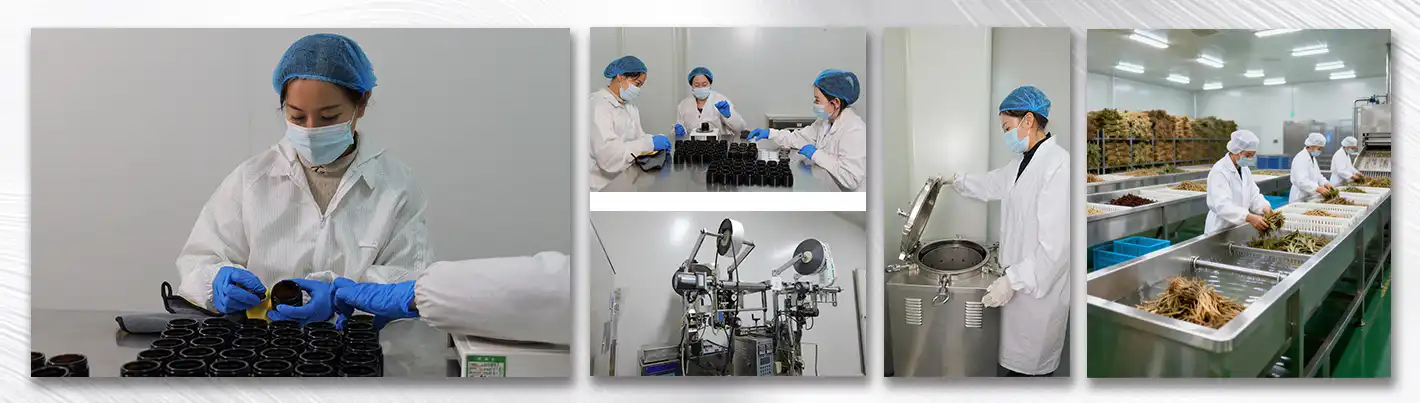
When choosing providers of natural blueberry extract powder, it's not just about the quality of the raw materials; it's also about how well they can make things. Our building has ISO9001, GMP, FDA, Kosher, and Halal certifications, which ensure that it meets the standards of many foreign markets. We offer full OEM and ODM services, helping clients from coming up with ideas to putting the final touches on the packaging. This "turnkey" service speeds up the time it takes for new brands to get to market. Orders ranging from 1 kg tests to business shipments of several tons can be filled by our flexible production capacity. This scalability is very helpful for both new businesses testing out formulas and established ones releasing seasonal goods without having to commit to too much inventory. Our expert team works together to improve formulations by offering ingredients that work well together and giving advice on how to test for stability.
Pricing Strategies and Value Optimization
Finding the raw materials, the rate of extraction, the number of tests, and keeping the license up to date are some of the things that affect the cost of natural blueberry extract powder. Anthocyanin-rich powders usually cost between $40 and $80 per kilogram for large-scale use, and organic varieties cost even more. The best value is found by combining specification needs with application needs. For example, a 15% extract may be enough for drinks that get watered down, but 25% specs are needed for concentrated capsules. We set our prices in a way that rewards customers who commit to buying in bulk, and we keep the minimum order size at 1 kg for recipe development. Payment by bank transfer (T/T) lowers transaction costs, and we keep enough stock on hand to complete orders quickly, even during times of high demand. Different shipping terms, like FOB, CIF, CFR, EXW, DAP, and DDP, make operations planning more flexible.
Practical Uses of Natural Blueberry Extract Powder in Various Industries
Nutraceutical Formulations and Vision Support
Anthocyanins in natural blueberry extract powder are widely used in eye-care related products. Related researches show it is good for night vision adjustment and relieves screen eye discomfort. The extract dissolves easily in water and works well with neutral pH, which makes it perfect for dry capsules, softgels, and pectin-based candies that are aimed at the growing group of people who are worried about eye tiredness from staring at screens all day. It is suggested that you take between 100 mg and 500 mg of the 25% extract every day, which is the same as taking between 25 mg and 125 mg of pure anthocyanins. This is in line with study methods that show it works well in this therapeutic window. The small size of the powder particles (80–120 mesh) ensures that ingredients that work well together, like lutein, zeaxanthin, and omega-3 fatty acids, mix evenly and don't separate during encapsulation.
Functional Beverages and Clean-Label Applications
The drinking business is looking for natural colorants that do more than just look good. Both are provided by blueberry anthocyanins, which give the fruit its bright colors (ranging from pink to deep purple based on the pH level) and their antioxidant properties, which appeal to health-conscious customers. Our natural blueberry extract powder is very stable in low-pH settings (pH 2.5–4.5), and the color strength stays the same after UHT pasteurization and 12 months of keeping at room temperature. In ready-to-drink drinks, inclusion rates are usually between 0.05% and 0.2%. In powdered mix drinks, bigger amounts are used. The extract can dissolve completely in water, which gets rid of the sedimentation problems that come up with fiber-rich powders that don't dissolve in water. This makes sure that the colors are spread evenly without having to be aggressively mixed in.
Cosmeceuticals and Topical Antioxidant Protection
Anthocyanins can neutralize reactive oxygen species that are made by UV light and outdoor chemicals. This is used in dermatology. The natural blueberry extract powder works very well as an anti-aging agent in serums, creams, and hydrogels. It can protect collagen from UV damage and improve basic skin protection ability. Particles smaller than a micron keep emulsions from having rough surfaces, keeping the smooth feel while providing clinical benefits. To find the best balance between effectiveness and cost, cosmetic formulators usually use 0.5 to 3% extract amounts. The unique purple color makes serums and masks more interesting to look at, and people who know blueberries for their health benefits can tell that they are high in antioxidants.
Ensuring Safety, Authenticity, and Long-Term Supply Chain Reliability
Regulatory Compliance and Quality Certifications
To follow the rules for foreign supplement laws, you need to keep a lot of paperwork and follow strict manufacturing standards. Our factory has a lot of different certifications that meet the needs of different markets. These include ISO9001 for quality management systems, GMP for pharmaceutical-grade manufacturing practices, FDA registration for access to the U.S. market, and Kosher/Halal certifications for special dietary needs. A third party checks each batch for heavy metals, chemical leftovers, microbial contamination, and to make sure the anthocyanin level is correct. This multi-step quality control process keeps buyers safe from supply chain adulteration, which is a common problem in the industry where fake natural blueberry extract powder is replaced with cheaper plant-based options or synthetic colors.
Allergen Control and Contamination Prevention
Blueberries don't contain any big allergens by nature, but cross-contamination during processing can be dangerous for sensitive people. Materials containing tree nuts, gluten, and soy are kept separate on our specialized production lines. Between production runs, allergen swab tests prove that our cleaning routines are thorough. Brands that want to be seen as clean-label and appeal to people with food restrictions need to pay close attention to how they handle allergens.
Sample Ordering and Supplier Qualification
Before agreeing to large sales, smart procurement starts with a representative sample. We make it easy for scientific review by sending samples of at least 1 kg. This lets quality control labs check the specifications, evaluate the taste and smell, and see if the new formulas will work with the old ones. When samples of natural blueberry extract powder are sent out, they come with all the necessary paperwork, like Safety Data Sheets, Certificates of Analysis, and standard sheets that list all the quality parameters. Logistics for transportation use fast shipping, air freight, and sea freight choices based on how quickly they need to get something and how much it is. Our long-term partnerships with foreign companies make sure that botanical extracts are handled properly, that temperature controls are kept during transport, and that delivery can be tracked at all times.
Conclusion
In conclusion, natural blueberry extract powder has a high percentage of anthocyanin, which has been proven by thorough HPLC testing. This makes it an essential ingredient for companies that make health supplements, nutraceuticals, and functional foods. The 25% standard guideline gives formulators uniform potency, better bioavailability, and a more cost-effective dose than other options. Advanced extraction methods keep thermolabile compounds while getting rid of impurities. This makes a dark purple-red powder that smells like blueberries and dissolves easily in water. This plant extract has been shown to work well in the past and is backed by thorough certificates and reliable supply chain management. It can be used to make vision-supporting supplements, useful drinks, or cosmetics.
FAQ
What anthocyanin percentage should I look for in quality blueberry extract?
Professional-grade natural blueberry extract powder should have 15–25% anthocyanins, which can be proven by HPLC tests. Our normal design gives you 25% anthocyanin content, which is the best amount for therapeutic uses while keeping costs low. When amounts are lower, inclusion rates have to be higher, which raises the cost of preparation and makes tablets bigger.
How does the extraction method affect anthocyanin stability?
Modern ways of extracting plants that use supercritical fluid extraction and membrane separation technologies keep heat-sensitive anthocyanins that are normally lost during high-temperature processing. Our three-step production process—preprocessing, controlled spray drying, and fast cooling—keeps the purity of the bioactive compounds, which means they have higher ORAC values and last longer.
Can blueberry extract powder replace synthetic colorants in beverages?
Of course. The natural blueberry extract powder gives the food a bright natural color that ranges from pink to deep purple and also acts as an antioxidant. It keeps its color after being pasteurized at high temperatures and works really well in acidic environments (pH 2.5–4.5), so it can meet the needs of consumers who want clean labels without affecting the look of the product or its shelf life.
Partner with BioSpark for Premium Natural Blueberry Extract Powder Supply
BioSpark is ready to help you build your product with pharmaceutical-grade natural blueberry extract powder that has been proven to contain 25% anthocyanin. Our full OEM and ODM services include formulation advice, production scale that can be changed from 1 kg tests to commercial orders of multiple tons, and all the legal paperwork needed to get your product into foreign markets. We offer quality that can be tracked thanks to ISO9001, GMP, FDA, Kosher, and Halal standards, as well as third-party testing. Email our technical team at sales@biosparkcn.com to talk about your unique needs and ask for sample shipments from our large collection. As a reliable natural blueberry extract powder manufacturer, we offer fast shipping by express, air, and sea freight, and our delivery terms are open to fit your needs and your budget.
References
1. Kalt, W., Cassidy, A., Howard, L. R., Krikorian, R., Stull, A. J., Tremblay, F., & Zamora-Ros, R. (2020). Recent research on the health benefits of blueberries and their anthocyanins. Advances in Nutrition, 11(2), 224-236.
2. Khoo, H. E., Azlan, A., Tang, S. T., & Lim, S. M. (2017). Anthocyanidins and anthocyanins: colored pigments as food, pharmaceutical ingredients, and the potential health benefits. Food & Nutrition Research, 61(1), 1361779.
3. Routray, W., & Orsat, V. (2011). Blueberries and their anthocyanins: factors affecting biosynthesis and properties. Comprehensive Reviews in Food Science and Food Safety, 10(6), 303-320.
4. Wang, Y., Zhao, L., Wang, D., Huo, Y., & Ji, B. (2016). Anthocyanin-rich extracts from blackberry, wild blueberry, strawberry, and chokeberry: antioxidant activity and inhibitory effect on oleic acid-induced hepatic steatosis in vitro. Journal of the Science of Food and Agriculture, 96(7), 2494-2503.
5. Lee, S. G., Vance, T. M., Nam, T. G., Kim, D. O., Koo, S. I., & Chun, O. K. (2015). Contribution of anthocyanin composition to total antioxidant capacity of berries. Plant Foods for Human Nutrition, 70(4), 427-432.
6. Michalska, A., & Łysiak, G. (2015). Bioactive compounds of blueberries: post-harvest factors influencing the nutritional value of products. International Journal of Molecular Sciences, 16(8), 18642-18663.

Send Inquiry
Related Industry Knowledge
- What to Look for When Buying Ganoderma Extract Powder?
- How Effective Is Rosehip Extract Powder for Inflammation?
- What Are the Key Benefits of Pomegranate Seed Extract Powder?
- Can Cistanche Extract Powder Improve Circulation Naturally?
- Can Pomegranate Seed Extract Powder Improve Skin Health?
- Maca Extract Powder for Antioxidant-Rich Formulations
- Mimosa Root Bark Extract in Premium Skincare Lines
- Ginseng Plant Extract for Skin Anti-Aging Formulas
- Why Ghanaian Seed Extract Is a Top Choice in Functional Foods?
- Can Yacon Root Extract Help Support Blood Sugar Control?