_1764041963888.webp)
Indian Herbal Extracts: Ancient Wisdom, Modern Science
Mar 18, 2026
Indian herbal extracts represent a remarkable convergence of millennia-old Ayurvedic traditions and cutting-edge extraction technologies, delivering concentrated botanical solutions that meet today's stringent pharmaceutical and nutraceutical standards. These potent plant-based ingredients harness the therapeutic power of herbs like turmeric, ashwagandha, and amla through advanced processing methods, creating standardized extracts with verified bioactive compounds. Modern scientific validation has confirmed what ancient practitioners knew intuitively—these natural formulations offer profound health benefits while maintaining exceptional safety profiles for commercial applications.
Understanding Indian Herbal Extracts
In India, plant extracts have complex ingredients that come from both old information and new scientific discoveries. These concentrated plant-based ingredients go through strict extraction processes that keep the important phytochemicals while getting rid of the inactive plant parts. The result is compounds that are highly accessible and ready for use in commercial formulations.
Advanced Extraction Technologies and Standardization
Modern extraction centers use a variety of methods to make sure the best accuracy and potency. Hydrophilic chemicals are extracted with water, while lipophilic chemicals are extracted with alcohol. Modern methods, such as supercritical CO2 extraction, keep temperature-sensitive substances safe without leaving behind any chemical leftovers. High-Performance Liquid Chromatography (HPLC) tests make sure that each batch has the right amount of active ingredients. This way of testing makes sure that the beneficial amounts of curcuminoids in turmeric extracts, withanolides in ashwagandha, and polyphenols in amla stay the same. When the quantity of an extract is 10:1, it means that 10 kg of raw plant material makes 1 kg of standardized extract powder, which has a lot of medicinal value. Quality control rules include more than just checking for strength. Testing for heavy metals, microbes, and pesticide residues makes sure that final extracts meet safety guidelines around the world. These thorough testing methods provide the records needed to meet legal requirements in markets around the world.
Therapeutic Benefits and Health Applications
Many of the health benefits that ancient Ayurvedic herbs claim to have have been proven by science. Ashwagandha extracts have strong stress-relieving effects. For example, cortisol levels dropped significantly, and worry scores went up in clinical tests. The adaptogenic features make it easier for the body to deal with both physical and mental stress. Curcumin, the primary bioactive compound in turmeric extracts, is very good at reducing inflammation. According to research, standardized curcumin formulas can lower inflammatory markers just as well as regular drugs, but they have fewer side effects. Because of this, turmeric powders are useful ingredients for pills that help joints and products that fight aging. Boswellia serrata products have chemicals called boswellic acids that work on inflammatory processes. Clinical studies have shown that it works to ease joint pain and improve lung health. Because these chemicals only affect certain cells, they are perfect for use in nutraceuticals that aim to improve certain health problems.
Commercial Applications Across Industries
Ayurvedic plant extracts can be used in a wide range of products because they are very flexible. Manufacturers of cosmetics use amla products because they are high in vitamin C and antioxidants, which help make skin brighter and fight aging. Extracts of tulsi can kill germs and can be used in toothpaste and skin cleaners. Dietary supplement firms use these concentrated plants to make specific health goods. Shatavari extracts improve women's health formulas, and brahmi extracts help brain function formulas. Because these ingredients are uniform, the doses are always the same across production batches, which is very important for keeping the beneficial effect. Herbal extracts are being used more and more by functional food makers to make goods with more value. Guggul extracts help with digestive health, and moringa leaf extracts add a lot of nutrients to superfood mixes. Many extracts are water-soluble, which makes it easy to mix them into drinks and liquid nutrients.
Comparing Indian Herbal Extracts with Other Options
When making decisions about what to buy, it's important to carefully consider the different plant sources and handling methods. Knowing the differences between the different kinds of plant extracts lets you make smart buying choices that support your product development goals and market positioning plans.
Ayurvedic Herbs vs. Western Botanical Extracts
Traditional Ayurvedic herbs are different from Western botanicals because they have different phytochemical profiles. There are certain withanolide compounds in ashwagandha that aren't found in other adaptogenic herbs. These compounds help with stress control in their own way. This biochemical precision gives goods that use real Indian botanicals a competitive edge. Products with traditional Ayurvedic ingredients are much more likely to sell well if they are culturally relevant. Consumer study shows that people are becoming more interested in natural medicines that have been used for a long time, especially those that have been used for thousands of years. Compared to newly found botanical compounds, this cultural legacy makes brand stories more interesting and builds trust with customers. Adding scientific proof to ancient uses gives them more weight. For example, a lot of studies on turmeric have proven that it has the anti-inflammatory qualities that were written about in old Ayurvedic texts. When traditional knowledge and modern science come together, they create strong value offers for health-conscious shoppers looking for natural goods with proof of effectiveness.
Organic vs. Conventional Herbal Extracts
Organic approval has a big effect on both how a product is positioned and how much it costs to make. Organic plant products cost more, but they're appealing to people who want ingredients that are free of pesticides. For the certification process to work, there has to be a lot of paperwork and frequent checks. This makes sure that farming methods are sustainable and that the environment is protected. Conventional extracts are cheaper, but they still meet high standards for quality and safety. Advanced cleaning methods can get rid of possible contaminants, so the end goods are clean, no matter what Indian herbal extract methods were used to grow them in the first place. Many companies use ingredients from non-organic sources for low-cost products and only use organic ingredients for their high-end brands. Certification decisions are affected by the supply chain. Because organic growing outputs are usually lower, there may not be enough Indian herbal extracts to meet demand during times of high demand. When it comes to large-scale business production, conventional sources are better because they give you more control over the volume and a more stable price.
Natural Extracts vs. Synthetic Alternatives
Botanical products from plants have complex phytochemical profiles that man-made options can't match. Turmeric products have more than 300 different compounds besides curcumin. These compounds work together to make the medicine more bioavailable and effective. Because of this, whole plant extracts often work better in clinical settings than manufactured chemicals that are only one part. Regulatory environments are becoming more and more favorable to natural chemicals over manufactured ones. Consumers strongly prefer botanical options, and market research shows that claims of naturalness have a big effect on buying choices. This trend gives brands a chance to make their goods more appealing by using real natural materials. Most of the time, natural products are safer, especially when used for a long time. Herbs like ashwagandha and tulsi have been used safely for thousands of years, which gives product makers peace of mind. A lot of safety testing is needed for synthetic substances to find out how much of them can be used safely and when they shouldn't be used.


Procuring Indian Herbal Extracts
To successfully buy plant extracts, you need to know what the supplier can do, what the quality standards are, and how to get the products to you. Cost optimization and quality assurance must be balanced in order for sourcing strategies to work. This ensures reliable supply lines that help businesses reach their growth goals.
Supplier Selection and Qualification Criteria
A full review of a supplier starts with checking their ability to make things and their standard certifications. ISO9001 certification shows that quality management is organized, and GMP certification makes sure that production methods are up to pharmaceutical standards. FDA licensing shows that a company meets the standards of the US market, which is very important for businesses that want to sell to Americans. When figuring out production capacity, it's important to look at both present wants and expected growth in the future. Flexible minimum order quantities (MOQs) starting at 1 kg are good for the early stages of product development, and the ability to scale up to 25 kg drums is good for industrial production volumes. This adaptability makes it easy to move from research to full-scale production. Critical evaluation factors are testing skills. Suppliers who do HPLC testing give out thorough analytical papers that show how much of an active chemical they have. Verification testing by a third party adds another layer of quality assurance. This is especially important for goods that need to be submitted to regulators or get organic approvals.
Pricing Strategies and Cost Optimization
The concentration of the extract has a big effect on cost. Higher ratios command higher prices but provide more medicinal value per unit weight. A 10:1 concentration extract might need less material per dose than lower concentration options, which could lower the overall cost of preparation even though the ingredients are more expensive at first. When you buy in bulk, you can save a lot of money because of big deals and lower shipping costs per unit. Standard 25 kg drum packaging makes operations more efficient and keeps ingredients fresh by storing them properly. When compared to credit-based sales, payment terms like bank transfer (T/T) often offer extra savings. The terms of delivery have a big effect on the total landing costs. FOB terms make sellers responsible for shipping, which lets them use chosen carriers to save money on operations. DDP terms make it easier to prepare for foreign procurement projects because they include all shipping costs, which makes costs more predictable.
Risk Management and Supply Chain Security
Diversifying the supply line lowers the risks that come with relying on just one provider. Finding more than one source for each key item helps keep things running even when something goes wrong. Having enough stock from reputable sources gives work plans that need to be met on time extra security. Documentation needs to change based on the final market and the intended use. Kosher and Halal approvals make it easier for goods that are aimed at certain groups of people to reach more customers. Comprehensive certificates of analysis (COA) are the technical records that are needed to follow the rules and make sure the quality of the product. The choice of shipping method strikes a balance between cost and time constraints. When you need to move a lot of things quickly, sea freight is the most cost-effective choice. Air freight is faster for delivering important items or packages with a lot of value. Express shipping makes it possible to quickly test samples and buy in small quantities.
Leveraging Indian Herbal Extracts in Product Development and Innovation
Indian herbal extracts serve as versatile ingredients that enable innovative product formulations across multiple industry segments. Advanced formulation techniques maximize bioavailability while ensuring stability throughout product shelf life, creating competitive advantages in crowded marketplace environments.
Formulation Optimization and Bioavailability Enhancement
The properties of solubility have a direct effect on how formulations are made and how well the end product works. Water-soluble extracts are easy to use in drinks and liquid vitamins, and a small amount of ethanol solubility makes extraction better during the production process. Knowing these qualities helps you come up with the best formulation tactics for each delivery method. Optimizing particle size has an impact on both the rate of breakdown and the manufacturing process. If you have a fine powder that is brown to dark brown in color and smells like herbs, it will mix evenly in solid dosage forms and stay flowable during the capsule or tableting process. When particles are spread out evenly in terms of size, they don't separate during storage and handling. Protocols for stability tests check how well an extract works in different environmental situations. Studies of temperature, humidity, Indian herbal extracts, and light exposure figure out the best way to package things and how long they should last. Having the right stability data backs up regulatory submissions and makes sure that the quality of the product stays the same across all lines of marketing.
Synergistic Ingredient Combinations
When you mix different plant products, they can have synergistic effects that make the therapy work better than the sum of their individual effects. Combinations of ashwagandha and brahmi help with both stress control and brain function, making health products that cover all bases. Combining turmeric and boswellia makes the anti-inflammatory benefits stronger by working in ways that work hand-in-hand. Bioavailability boosters, such as piperine (found in black pepper), make it much easier for the body to absorb curcumin. Because these natural absorption enhancers work better, smaller doses are needed to get the same healing effect. Strategic mixtures of ingredients lower the cost of formulation while also making things better for the customer. To standardize more than one ingredient, you need to carefully coordinate your analyses. For the synergistic results to happen as planned, each part must keep its strength level stable. Advanced analytical testing methods make sure that complicated formulas always provide the therapeutic benefits that were intended across production runs.
Market Opportunities and Consumer Trends
As more people learn about Ayurvedic medicine, more possibilities open up for real herbal formulas. People who care about their health and are looking for natural alternatives to conventional goods respond well to educational marketing efforts that highlight both traditional uses and current scientific validation. Trends in personalized diet favor plant solutions that are aimed at specific health problems. Adaptogenic herbs like ashwagandha align with stress management needs, while cognitive support herbs like brahmi address mental performance optimization. These targeted applications command premium pricing compared to generic multivitamin goods. Sustainable buying efforts are having a bigger effect on what people buy. Botanical products from areas where plants have been grown for a long time offer real stories about sustainability that help brands stand out. Clear communication throughout the supply chain helps consumers believe in products and backs up strategies for selling premium products.
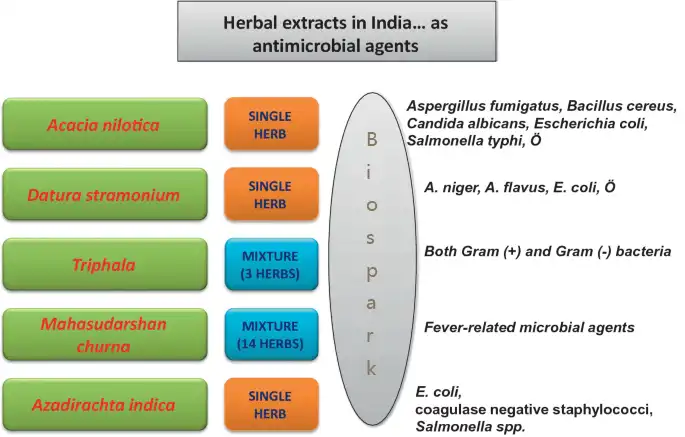
Safety, Dosage & Risk Management for Indian Herbal Extracts
Comprehensive safety protocols ensure that botanical extract formulations meet rigorous international standards while maximizing therapeutic benefits. Evidence-based dosing guidelines and systematic risk assessment procedures protect both manufacturers and end consumers throughout product lifecycles.
Science-Based Dosage Recommendations
Based on treatment goals and safety standards, the clinical study gives dose suggestions for the main Ayurvedic extracts. For stress management, ashwagandha extracts usually work at amounts of 300 to 600 mg per day. For cognitive support, however, different concentrations may be needed based on standardization levels and desired results. Dosing estimates and formulation techniques are directly affected by the ratios of extract concentrations. A 10:1 concentrated extract offers therapeutic chemicals that are ten times stronger than the original plant material. This means that capsules can be smaller and people will be more likely to take them. For treatment effectiveness, these concentration factors must be taken into account when figuring out the right dose. When you take something, it affects how well it absorbs and how bad the side effects might be. Some preparations work better when taken with food because they are better absorbed, while others may need to be taken on an empty stomach for the best bioavailability. These suggestions for how to use the product should be made clear on the label and in customer education tools.
Potential Side Effects and Contraindications
Because people are very sensitive in different ways, it's important for companies that sell products to give customers a lot of information about how safe their products are. Common side effects are usually mild and short-lived, but possible conflicts with other medicines or health problems you already have need careful thought and the right advice. When you are pregnant or breastfeeding, you should be extra careful with many plant products. Even though traditional use might imply safety, current legal standards need specific safety data for these groups. Conservative methods usually say not to use during these times, unless specific safety studies back up other suggestions. People who take prescription drugs need to be aware of drug combinations because they can be dangerous. Herbal products may change how drugs are broken down or make the effects of drugs stronger or weaker. Healthcare worker consultation tips give people with complicated health situations the right safety advice.
Quality Assurance and Authenticity Verification
Comprehensive scientific testing methods make sure that the extract is real and pure all the way through the supply chain. HPLC research finds and measures specific bioactive compounds, making sure that goods have the ingredients they say they do at the right concentrations. These analytical skills guard against problems with replacement and adulteration. As part of heavy metal tests, possible contaminants that could be harmful to health are looked for. Testing for lead, mercury, cadmium, and arsenic makes sure that products meet international safety standards for use in medicines and food supplements. Safety standards stay the same across production runs thanks to regular group testing. Microbiological testing makes sure that the extracts don't contain any dangerous bacteria, yeasts, or molds that could make the product less safe or shorten its shelf life. Using the right testing methods ensures that finished goods stay microbiologically safe during storage and distribution, Indian herbal extracts that protect consumers' health, and the brand's image.
Conclusion
Indian herbal extracts represent a compelling intersection of ancient wisdom and modern scientific rigor, delivering standardized botanical solutions that meet contemporary quality standards while preserving traditional therapeutic benefits. These concentrated plant medicines offer manufacturers versatile ingredients for developing innovative health products across nutraceutical, cosmetic, and functional food applications. The combination of extensive historical usage data and contemporary scientific validation provides unique competitive advantages for brands seeking natural, effective ingredients. As consumer demand for authentic, evidence-based botanical solutions continues growing, herbal extracts from India position companies to capitalize on expanding wellness market opportunities while maintaining the highest standards of quality and safety.
FAQ
1. What makes Indian herbal extracts different from other botanical ingredients?
Indian herbal extracts benefit from thousands of years of traditional Ayurvedic knowledge combined with modern extraction technologies. This unique heritage provides documented usage patterns and therapeutic applications that newer botanical discoveries lack, creating compelling consumer narratives and marketing advantages.
2. How do I verify the quality of herbal extracts before purchasing?
Quality verification requires comprehensive certificates of analysis (COA) documenting HPLC testing results, heavy metal screening, microbiological testing, and pesticide residue analysis. Reputable suppliers provide detailed analytical data for each batch, enabling informed procurement decisions.
3. What extract concentrations work best for different applications?
Extract concentration selection depends on intended therapeutic outcomes and formulation requirements. Higher concentrations, like 10:1 ratios, enable smaller dosage forms and reduced ingredient costs per dose, while lower concentrations may provide gentler effects suitable for daily wellness applications.
4. Can herbal extracts be combined safely in formulations?
Many traditional Ayurvedic formulations combine multiple herbs synergistically, but modern applications require careful consideration of potential interactions and combined effects. Professional formulation guidance ensures safe, effective multi-ingredient products that leverage complementary therapeutic mechanisms.
5. What certifications should I look for when sourcing herbal extracts?
Essential certifications include ISO9001 for quality management, GMP for manufacturing practices, and FDA registration for the US market access. Additional certifications like Kosher, Halal, and organic expand market opportunities while demonstrating commitment to specific quality standards.
Partner with BioSpark for Premium Indian Herbal Extract Solutions
BioSpark stands as your trusted Indian herbal extracts supplier, combining over a decade of botanical expertise with cutting-edge extraction technologies to deliver standardized, bioavailable ingredients that exceed international quality benchmarks. Our comprehensive manufacturing capabilities support everything from 1kg development samples to large-scale commercial production, ensuring seamless scalability as your business grows. With ISO9001, GMP, FDA, Kosher, and Halal certifications, we provide the quality assurance and regulatory compliance documentation essential for global market success. Our experienced technical team offers complete OEM/ODM support, from initial formulation consultation through final packaging and delivery, enabling you to focus on brand development while we handle manufacturing complexities. Contact our team at sales@biosparkcn.com to discuss how our premium herbal extract solutions can enhance your product portfolio and accelerate market entry timelines.

References
1. Chandrasekhar, K., Kapoor, J., & Anishetty, S. (2012). A prospective, randomized, double-blind, placebo-controlled study of the safety and efficacy of a high-concentration full-spectrum extract of ashwagandha root in reducing stress and anxiety in adults. Indian Journal of Medicine, 34(3), 255-262.
2. Aggarwal, B. B., & Harikumar, K. B. (2009). Potential therapeutic effects of curcumin, the anti-inflammatory agent, against neurodegenerative, cardiovascular, pulmonary, metabolic, autoimmune, and neoplastic diseases. International Journal of Biochemistry & Cell Biology, 41(1), 40-59.
3. Patel, S. S., & Goyal, R. K. (2012). Cardioprotective effects of Amlaki in diabetes: implications for the prevention of cardiovascular disease. British Journal of Nutrition, 108(9), 1691-1701.
4. Singh, S., Rehan, H. M., & Majumdar, D. K. (2001). Effect of Ocimum sanctum fixed oil on blood pressure, blood clotting time, and pentobarbitone-induced sleeping time. Journal of Ethnopharmacology, 78(2-3), 139-143.
5. Stough, C., Lloyd, J., Clarke, J., Downey, L. A., Hutchison, C. W., Rodgers, T., & Nathan, P. J. (2001). The chronic effects of an extract of Bacopa monniera (Brahmi) on cognitive function in healthy human subjects. Psychopharmacology, 156(4), 481-484.
6. Ammon, H. P. (2010). Modulation of the immune system by Boswellia serrata extracts and boswellic acids. Phytomedicine, 17(11), 862-867.

Send Inquiry
Related Industry Knowledge
- Saffron Extract Powder 10:1 for Women’s Health: Does It Work?
- Marigold Extract Powder: Market Trends & Insights
- Does Pomegranate Peel Extract Powder Reduce Inflammation?
- Rhizoma Chuanxiong Extract Benefits for Blood Circulation
- How Kacip Fatimah Extract Supports Hormonal Balance Naturally?
- Ginseng Plant Extract for Cognitive Focus & Clarity
- Konjac Flour Extract for High iber Functional Foods
- Does Mimosa Root Bark Extract Support Wound Healing?
- What Are the Key Benefits of Tanshinone Danshen Extract?
- Can Baicalin Extract Improve Skin Texture & Elasticity?