_1764041963888.webp)
Angelica Sinensis Extract Powder: Premium vs Standard Extracts
May 03, 2026
If you want plant ingredients in your supplement to work, you need to know the difference between elite and normal angelica sinensis extract powder. Because the amounts of ligustilide and ferulic acid in premium extracts are consistent, the functional effects are consistent from batch to batch. Standard extracts may come from the same plants as angelica sinensis extract powder, but they aren't tested as carefully or extracted in as advanced a way to make sure they work and are accessible. This difference has a direct impact on how well your final product works, how well it follows the law, and how it looks in the market. This means that picking between luxury and normal grades is not just a matter of price, but also of strategy.
Understanding Angelica Sinensis Extract Powder
Botanical Origin and Processing Methods
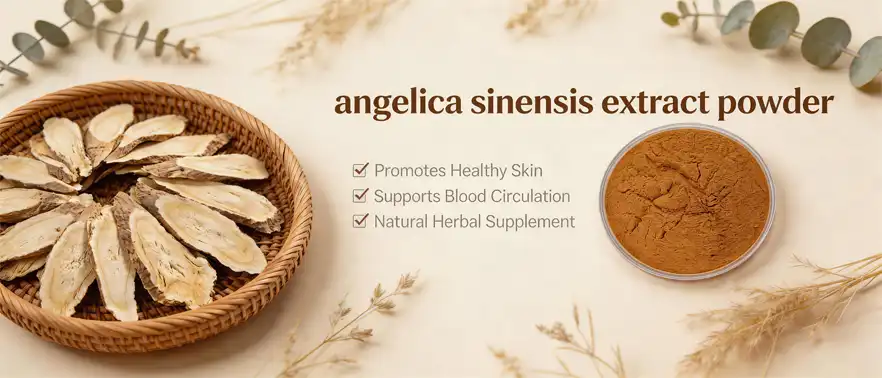
That plant is Angelica sinensis, and it grows best in cold, damp places that are high up. The highest-quality roots are grown in Gansu Province, China. Farmers there have been growing crops for hundreds of years, and the weather is just right for them. In autumn, when the leaves turn color, the roots are ready for harvesting, as they contain the highest levels of ligustilide, butylidenephthalide, ferulic acid, carbohydrates, and essential oils. Modern root extraction techniques concentrate beneficial bioactive compounds while removing inert plant material. Low-temperature extraction methods keep the natural balance of good parts and antioxidants that are damaged by heat. This method creates a fine, brownish-yellow to brownish-brown Angelica sinensis extract powder that smells like Angelica root. Raw root powder is not as bioavailable or easy to dissolve as the concentrated form. This is why exact amounts can be used in finished goods.
Key Bioactive Compounds and Health Applications
The many phytochemicals that make up dong quai extract are what contribute to its functional benefits. Ligustilide, a key marker compound, may help dilate blood vessels, soothe inflammatory responses, and relieve discomfort. Ferulic acid may support cardiovascular health and protect cells from oxidative stress. Angelica sinensis polysaccharide (ASP) may support immune function and promote hematopoietic health, contributing to overall blood wellness. All of these chemicals work together to make your health better in many ways. Dong quai extract powder is used in women’s health products to support relief from menopausal discomfort, menstrual discomfort, and hormone balance. It is used in cardiovascular support things because it can help blood flow. Its tyrosinase-inhibiting ability is used in cosmetics to support skin vitality and anti-aging effects, while its antioxidant properties protect skin cells from external damage.
Regulatory Considerations and Safety Profiles
There are foreign rules that good extract powder must follow in markets in Asia, Europe, and the United States. Standardization to specific levels of ligustilide and ferulic acid ensures consistent functional efficacy. Most of the time, 300 to 600 mg per day is the right amount of vitamin pills to take. It is put up to 3% by weight of the finished food that is useful. When used within the range of doses that are suggested, safety scores stay good. Tests that cover a lot of ground look for heavy metals, chemical leftovers, microbial safety, and the amount of purity. This will help the chemicals last as long as possible. Just make sure they stay dry and out of the light. These legal models make it easy for buying teams to use clear quality standards to judge suppliers and come up with product specs.
Premium vs Standard Angelica Sinensis Extracts: What Sets Them Apart
Purity and Concentration Standards
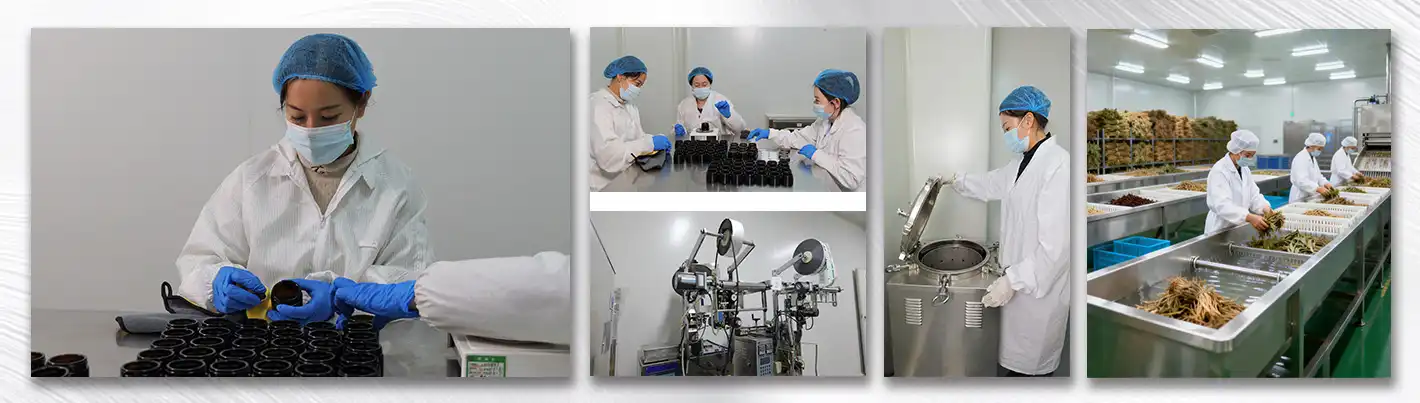
Premium angelica sinensis extract powder boasts high purity due to multi-step processing and concentration. In modern factories, vacuum evaporation is used to make sure that the solid content levels are just right, which should be between 10 and 40 percent. This keeps the powder's ability to flow while making the active chemical denser. The thick liquid is broken up into drops about the size of a micron by high-pressure pumps. Spray drying technology can precisely control the temperature and then turn these drops into regular particles. Most standard extracts don't go through the second round of refining. This makes the particle sizes and chemical amounts less even. The ferulic acid amount is kept at 1% in the premium forms by using HPLC to check. The ligustilide and carbohydrate ratios are also kept within tight ranges. This level of consistency eliminates batch-to-batch variations, which is crucial for supplement companies to ensure consistent product label claims across production runs. How tests are set up makes a big difference in getting good grades. Premium providers do a full analysis that goes beyond what is needed by standard pharmacy guidelines. They check the moisture content (which is usually less than 13%), map the particle sizes, measure the antioxidant capacity using ORAC or DPPH tests, and look for microbes. Standard samples might trust records of analysis from people who sell raw materials without checking them with someone else. The standard of your supply line could be at risk because of this.

Sourcing Methods and Certification Standards
How good the final extract is depends a lot on where the source comes from. Some growth areas are known for having the best conditions for plants, so premium makers keep close ties with those areas. This way, the powder can be tracked from the field to the finished product. With these connections, it's possible to follow the rules for organic certification, make sure foods don't have GMOs, and gather them in a way that is safe and appealing to quality-conscious customers. There are things that make top grades and regular grades of raw materials different at the source. So that the active chemicals stay in the roots, premium farms have rules about how old the roots should be, when they should be picked, and how they should be handled afterward. The roots are cleaned and checked to get rid of any broken or dirty parts before the extraction process begins. Roots of mixed quality or secondary grade may be used in standard methods. This lowers the cost of the inputs but makes the end extract weaker. These files show how dedicated a business is to quality processes. The best service providers always know about new food safety rules and regulations, such as ISO 22000, GMP for making dietary supplements, HACCP, and local needs like FDA registration or EU Novel Food compliance. For these licenses to stay valid, they need to be checked regularly, have ways to keep records, and have money spent on quality control that might not be at the top of the list for normal businesses. This has a direct effect on how safe the product is and how available it is in stores.
Impact on Final Product Performance
There is a clear link between the quality of the extract and angelica sinensis extract powder and how well the final product works. Cosmetics containing high-quality dong quai extract may help brighten skin by inhibiting tyrosinase activity. The consistent ferulic acid content maintains antioxidant protection throughout the product’s shelf life, preventing premature antioxidant degradation and ensuring reliable anti-aging benefits. It's good for supplement makers that high-quality ingredients are better absorbed. Modern ways of extracting break down the cell structures that keep the active chemicals in raw roots together. In the stomach, this makes it easy for the body to take them in. The best solubility in water, which stops problems with precipitation in liquid recipes and lets the drinks' ingredients mix evenly and clearly. Some standard extracts may cause cloudiness, sedimentation, or partial dissolution, leading to formulation challenges and customer dissatisfaction. When you use the grades in real life, they show you where the success gaps are. Due to variable ligustilide levels, women’s health products using standard extracts may not consistently support relief from discomfort. This could lead to bad reviews and returns. In highly competitive markets, premium extract formulations maintain functional stability, helping build brand trust and support clinical research. This is why strategies that charge higher prices are needed.
How to Choose the Right Angelica Sinensis Extract Powder for Your Business
Evaluating Supplier Capabilities and Testing Protocols
To pick the best extract companies, you should take a close look at how they control quality and where they make their products. Check to see how much your sources can produce to make sure they can handle your growth. It's clear that the supply chain is stable when places keep more than 1,000 tons of plant extract on hand. Lead times for production show how well operations are running. If operations are running smoothly, normal goods can be made in 10 days, which saves money on stocking costs and speeds up the delivery of orders. Ask for full paperwork on the ways that testing is done at different stages of production. Good companies check the raw materials that come in, watch as they are removed and dried, and test the finished product before giving it to the customer. Even more trust is built when a lab from a third party checks the product. This is especially true in export markets with strict rules on imports. Batch consistency data from more than one production run that shows tight standard ranges is a sign of good process controls. Bulk sellers who don't tell their partners how they get materials are different from suppliers who are open about it. To make sure the right ingredients are used for the job, it's helpful to know if the company uses cold extraction to protect chemicals that are sensitive to heat, carrier materials to make powder more stable, or their own unique ways to make ingredients more bioavailable. A lot of value is added by expert support services like formulation advice, help with stability tests, and help with regulatory paperwork.
Industry-Specific Requirements and Formulation Needs
For different kinds of applications, you need different angelica sinensis extract powder settings that make the best use of speed for those reasons. Standardized active compound content is crucial for dietary supplement companies, enabling accurate and consistent label claims about functional benefits. Powders that are made into capsules and pills need to be able to flow and compress well. Liquids, on the other hand, need to be able to dissolve well in water so that they don't form crystals when they are stored. So that creams and serums feel smooth, people who make cosmetics look for ingredients with particles that are a certain size. Compounds in a wide range of mixtures are kept pure when the pH stays stable from acidic to neutral. Because they come into close touch with skin, microbial standards often go above and beyond vitamin standards. Thus, the vitamin needs to be checked in unique ways and may need to go through more steps of preparation. When it comes to makeup, where the final look can be different from batch to batch, color steadiness is very important. It can be hard to find the right mix between how well useful foods and drinks taste and how well they work. The extract powder should be easy to mix with water and not add any unpleasant smells or tastes that change the way the food tastes. Active ingredients stay safe during the production process because they don't get damaged by heat during pasteurization or retort processing. The rules and regulations vary from place to place. In the US, Novel Food approvals, Novel Food approvals in Europe, and similar processes in Asian countries need to be worked out with providers who know what they're doing.
Balancing Quality Against Cost Considerations
It costs more to find, process, and test premium extract powders, which is why they are more expensive. Most of the time, this price gap is twenty to fifty percent more than standard grades. This can really hurt the budgets of new businesses and customers who want to save money. Cost study, on the other hand, needs to look at how much the recipe costs as a whole, not just how much each item costs. Because there are more active chemicals in premium extracts, lower inclusion rates are needed to get to doses that work. It may take 30% less material for a quality extract that is standardized to 1% ferulic acid to meet label claims than choices that aren't standardized. This can help make up for some of the higher unit costs. When solubility and stability are better, there is less waste during production due to problems with breaking down or precipitation. This increases yield rates and lowers the cost of making a finished product. A brand strategy plan can change the best quality tier pick. Brands that are more expensive and aimed at health-conscious people can say that they spend more on materials because their goods work better and look better on the label. Value businesses that want to attract customers who care about prices may try to cut costs while still maintaining quality standards. People might have different experiences with your brand if you choose a standard extract. You might also have trouble following the rules, and your brand's image could be hurt. These problems are a lot worse than the original cost savings, so companies that care about quality should choose stronger grades.
Leading Angelica Sinensis Extract Powder Suppliers and Procurement Strategies
Identifying Reputable Manufacturing Partners
China makes most of the dong quai extract, which shows that angelica sinensis extract powder, the plant was first grown there, and that people there have been extracting it for generations. To combine traditional plant knowledge with new science, the best providers hire researchers with PhDs and quality control experts. In factories, you can find spray dryers that can control the temperature to a degree, HPLC and GC analysis tools, and cleanrooms that meet international standards for production. When looking at possible business partners, certification files are a good way to see proof of quality. Check a lot more than just the most basic licenses for your business. Another thing to check is if the business has ISO 9001 quality management systems, ISO 22000 food safety certifications, and any regional standards, like Kosher or Halal certifications, if it wants to get certain kinds of customers. When a business focuses on exports, they keep FDA company registrations, European health certificates, and customs compliance paperwork that makes it easier for buyers. Being open about production is what makes great partners different from normal sources. Most of the best manufacturers are happy to have their facilities reviewed. They also keep detailed records of their processes and have systems that link finished batches to specific lots of raw materials and work dates. Being honest lets you fix problems with quality fast, gets you ready for recalls, and shows that you want to build long-term relationships instead of one-time deals. Our production skills at BioSpark show that we really care about quality and working together. The best places to grow Angelica sinensis roots are in Gansu Province, which is where our sites in Xi'an get their roots from. Our strict standardization makes sure that the ferulic acid level meets the 1% standards, which can be proven by HPLC analysis. This is done with advanced low-temperature extraction technology that keeps bioactive chemicals safe. Each batch goes through a lot of tests to make sure it is clean, safe, and uniform before it is sold.
Best Practices for Bulk Purchasing and Sample Evaluation
If you start working with a seller by looking at models, you won't waste time or money on materials that aren't right for the job. Instead of carefully made materials, ask for samples that come from real production runs. The samples should come with test results that show how many active chemicals were present, as well as results from microbe tests and heavy metal screens. Make sure the seller's claims are true by having them checked out in a third-party lab. This will help you set high angelica sinensis extract powder standards. The minimum order quantity changes based on the product's popularity and the size of the seller. Smaller original orders can usually be handled by well-known manufacturers with a lot of stock. This lets recipe development happen without too much inventory risk. For special specs, the minimum order quantity (MOQ) for production is usually between 100 and 500 kg. This is because production runs that are limited save money. Talk about framework deals that set price levels based on promises to buy a certain amount of goods each year. You should be able to change the amount you buy based on what the market needs while also getting better rates. Getting operations in order has a big impact on the total cost of landing and how reliable the supply chain is. With a lot of knowledge, export sellers can set up consolidation with ingredients that work well together, load containers as quickly as possible, and handle customs paperwork, all of which make daily chores easier. Making clear Incoterms that explain who is in charge of what, how insurance works, and how risk is shared along the supply chain is important. Make a backup stock that takes into account the time it takes to make the goods, ship them across the seas, and get them through customs. The whole process of sending goods from China to the US usually takes 90 to 120 days.
Building Long-Term Partnerships and Ensuring Supply Chain Stability
Having strategic relationships with providers means more than just getting things from them. It also means helping each other grow. If suppliers are open about their predictions, plans for making new goods, and market challenges, they can assign capacity, keep their raw material inventory up to date, and spend in ways to improve their skills that meet your needs. Regular reviews of a business look at performance indicators such as the percentage of on-time deliveries, the number of quality problems, and the time it takes to answer expert questions. Quality standards, testing requirements, acceptance criteria, and ways to fix material that doesn't meet the standards should all be in contractual forms. Include language that says prices will be looked at again every year to account for changes in the currency's value and the cost of raw materials. This will keep prices from going up quickly in the middle of a deal. It's important to protect intellectual property when you make custom extraction specs or secret formulas. This could mean having deals to keep things secret and rules of exclusivity. Support after the sale is what makes a great partner who cares about their clients' success stand out. Companies that sell good products have service teams with experts who can help with things like manufacturing, stability studies, and regulatory paperwork. How quickly a company answers good questions or research results that were not expected shows how committed it is to partnership. These less tangible things often mean more than small price differences when comparing different sources. This is because strong backing stops delays in production and speeds up the release of new products.
Conclusion
There are good choices between premium and normal angelica sinensis extract powder. These choices will affect how well the product works, how well it meets legal standards, and how well-known the name is. The extra cost of premium extracts is worth it because they have standardized active ingredients that work the same way every time. This supports treatment claims and keeps customers happy. Standard choices may work for some low-cost tasks, but there is a chance that the quality will vary, which can hurt their market chances. It is best for companies to carefully evaluate suppliers by looking at their manufacturing skills, list of certifications, and approach to partnerships. This helps them choose the best places to buy things that fit with their market setting and goals.
FAQ
1. Is pricey extract powder always better than cheap powder?
High-quality extracts provide consistent quality and verified purity levels required for regulatory compliance and functional efficacy. Sometimes, getting the most for your money is more important than getting the exact amount of active drug. This is when standard extracts might work. Brands that want to attract customers who care about quality or make specific health claims need to use expensive grades. However, normal materials might work for companies that make vitamins that a lot of people use. The way the product is positioned, what the target market wants, and how much risk the company is ready to take with different quality levels all play a role.
2. What are typical side effects and contraindications?
When taken in the right amounts, dong quai juice is generally thought to be safe. It may interact with blood-thinning medications due to its potential blood flow-supporting properties. It is not recommended for use during pregnancy, as traditional use links it to uterine stimulation, though scientific evidence is limited. Photosensitivity responses don't happen very often. The good brands put up the right warnings and follow the rules that officials set for each market. Extra strong safety checks are done on good extracts from trustworthy sources that go above and beyond what the law requires. This makes it less likely that something bad will get contaminated.
3. What can I do to be sure the company is real and gives good service?
Ask for a lot of papers, such as business licenses, permissions to make things, and government inspection reports from the last few months. Independent lab tests should be done on samples at approved labs to find out how many active substances are present and if there are any other contaminants. If you have the chance, go to workshops and watch how things are made and how quality is checked. Talk to people who have bought similar goods before and pay close attention to how reliable, quick to reply, and consistent the service has been over time. If a supplier is open and honest, they will be happy to be viewed and answer all of your technical questions. Suppliers who give unclear answers, on the other hand, probably worry about quality.
Partner with BioSpark for Premium Dong Quai Extract Solutions
For those who need plant-based chemicals, BioSpark has high-quality angelica sinensis extract powder that is made according to very strict rules. This is a well-known company that works with nutraceutical, health supplement, and wellness product companies all over the world to give their formulas the quality, stability, and reliability they need. We get our extract powder from high-quality roots in Gansu Province and use current low-temperature technology to keep the right amounts of ligustilide, ferulic acid, and polysaccharide. This has been proven by thorough HPLC testing.
You can depend on our flexible manufacturing capacity and standard wait times of 10 days to get back to you, whether you need small-batch customization for product development or large-scale production to support well-known brands. Our OEM and ODM services cover the whole process, from making the recipe to packing it. They are backed by legal proof and approvals from other countries.
You can ask for examples, talk about special needs, or look into business opportunities by emailing our expert team at sales@biosparkcn.com. We'd love the chance to show you how our top-notch plant extracts and customer-focused service can help your supply chain and earn your goods more sales in tough markets.
References
1. Chen, X.P., Li, W., Xiao, X.F., Zhang, L.L., & Liu, C.X. (2013). Phytochemical and pharmacological studies on Radix Angelica sinensis. Chinese Journal of Natural Medicines, 11(6), 577-587.
2. Hook, I.L. (2014). Danggui to Angelica sinensis root: Are potential benefits to European women lost in translation? A review. Journal of Ethnopharmacology, 152(1), 1-13.
3. Wei, W.L., Zeng, R., Gu, C.M., Qu, Y., & Huang, L.F. (2016). Angelica sinensis in China—A review of botanical profile, ethnopharmacology, phytochemistry and chemical analysis. Journal of Ethnopharmacology, 190, 116-141.
4. Yang, X., Zhao, Y., Zhou, Y., Lv, Y., Mao, J., & Zhao, P. (2010). Component and antioxidant properties of polysaccharides from Angelica sinensis. Carbohydrate Polymers, 82(3), 656-660.
5. Zhao, K.J., Dong, T.T., Tu, P.F., Song, Z.H., Lo, C.K., & Tsim, K.W. (2003). Molecular genetic and chemical assessment of Radix Angelica (Danggui) in China. Journal of Agricultural and Food Chemistry, 51(9), 2576-2583.
6. Chao, W.W., Hong, Y.H., Chen, M.L., & Lin, B.F. (2010). Inhibitory effects of Angelica sinensis ethyl acetate extract and major compounds on NF-κB trans-activation activity and LPS-induced inflammation. Journal of Ethnopharmacology, 129(2), 244-249.

Send Inquiry

Related Industry Knowledge
- What to Look for When Buying Ganoderma Extract Powder?
- Could Cowpea Powder Enhance Protein-Rich Product Lines?
- Why Do Brands Prefer Organic Holy Berry Powder Today?
- What Makes Coconut Milk Extract Powder So Popular Today?
- Coconut Milk Extract Powder: Key Nutritional Benefits
- Gotu Kola Extract Powder: Natural Support for Circulation?
- Rosehip Extract Powder Benefits: What Does Science Say?
- Rosa Roxburghii Tratt Extract Benefits for Antioxidant Support
- Is Spirulina Extract Tablet Effective for Weight Support?
- Can Oyster Shell Extract Powder Improve Immune Function?