_1764041963888.webp)
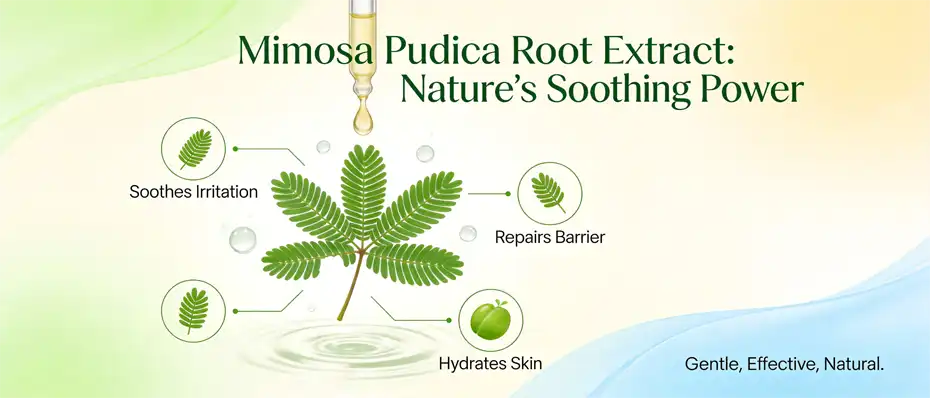
Mimosa Root Bark Extract: Natural Antimicrobial Agent
Mar 15, 2026
Mimosa Root Bark Extract has become a revolutionary natural antimicrobial agent that is changing the way beauty, pharmaceutical, and nutritional companies make new products. This strong botanical ingredient blends hundreds of years of traditional knowledge with modern extraction methods to give steady, dependable results. Our quality extract has great antimicrobial qualities and is gentle enough for sensitive formulas, which makes it a great choice for companies looking for natural alternatives to manmade active ingredients and preservatives.
Understanding Mimosa Root Bark Extract: Composition and Health Benefits
This amazing product comes from plants and has a lot of different phytochemicals. This concentrated powder comes mostly from Mimosa pudica plants and was extracted using advanced techniques. It has a wide range of bioactive chemicals that make it potentially useful for therapy.
Chemical Profile and Bioactive Compounds
The effectiveness of the extract comes from its wide range of chemicals, which include strong substances that work together to kill microbes. One of the main active ingredients is mimosine, an amino acid that isn't a protein and is only found in mimosa species. This chemical has strong antibacterial effects on both gram-positive and gram-negative bacteria, which makes it useful for making broad-spectrum antibiotic mixtures. Flavonoids are another important group of components. They have anti-inflammatory and antioxidant qualities that make the product more useful for treatment. The body's natural defenses are helped by these polyphenolic substances, which keep cell structures safe from reactive damage. Tannins, which are found in large amounts, have astringent and antibacterial properties, especially against pathogenic microbes. The mucilaginous qualities of the extract come from polysaccharides that help form barriers to protect tissues and speed up the mending process. This mix of substances makes an ingredient with many uses that helps with many health issues at the same time.
Antimicrobial Mechanisms and Efficacy
The antibacterial effect of Mimosa Root Bark Extract works in several ways, protecting against all kinds of dangerous microorganisms. The extract breaks down the structure of bacterial cell walls, which stops pathogens from spreading and interferes with important cellular processes. This method has more than one target, which makes resistance less likely. This is a big benefit over antimicrobials, with only one process. Researchers have found that the extract is effective against common bacteria like Staphylococcus aureus and Escherichia coli. This means that it can be used to treat wounds and make cosmetic products. The antibacterial activity stays the same at different pH levels, so it works the same way in all kinds of product mixes.
Traditional and Modern Applications
Mimosa wood has been used in traditional medicine to help with stomach problems, wound healing, and inflammatory conditions. These uses have grown over time, and now the extract is used in more complex medicine and beauty formulas. The extract works really well in wound care products because it kills germs and helps the body heal faster while lowering the risk of infection. Modern study backs up many of the traditional uses and finds new medicinal uses. Studies show that the extract is good for supporting digestive health, especially when it comes to inflammatory conditions and creating a healthy mix of microbiomes in the gut.
Mimosa Root Bark Extract in Comparison: Quality, Formats, and Alternatives
When looking at plant extracts for business uses, it's important to know the differences between products. There are many different mimosa-derived products on the market, and each one has its own properties that affect how well it works in formulations and how well it works as a medicine.
Botanical Source Distinctions
Many types of mimosa are used to make industrial products, but Mimosa pudica and Mimosa hostilis are the ones most often used. Our premium extract comes from Mimosa pudica, which has better standardization ability and stable bioactive chemical profiles. This species is very good at adapting to different farming methods, which makes sure that supply lines for raw materials are stable. The difference between root bark and other plant parts has a big effect on the makeup of the extract. Root bark concentrates have more beneficial chemicals than leaf or stem extracts, which is why focused sourcing is the best way to go for high-end uses.
Extract Specifications and Quality Markers
Our 10:1 concentration ratio strikes the best mix between strength and recipe versatility. According to this standard, ten kilograms of raw plant material make one kilogram of finished extract. This is because the active chemicals are concentrated while the extract stays stable. The resulting powder is brownish-yellow to brownish-brown and smells like herbs, which proves that it really comes from plants. Thin-Layer Chromatography (TLC) testing makes sure that chemical fingerprinting is the same from one production batch to the next. This way of analysis finds key marker chemicals and possible adulterants, which is important for quality control in pharmaceutical and cosmetic uses. The ability to dissolve in water gives you a lot of different recipe options, and the ability to dissolve in ethanol slightly gives you more extraction options for certain uses. These solubility qualities make it easy to mix into different product structures without worrying about compatibility issues.
Certification Standards and Quality Assurance
Our dedication to meeting world quality standards is shown by the fact that we are certified to meet ISO9001, Kosher, Halal, FDA, and GMP standards. These licenses meet the needs of a wide range of markets and make sure that rules are followed in many places. The ISO9001 recognition backs up our quality management systems, which ensure that our production processes are always the same and that we follow the rules for ongoing improvement. GMP approval focuses on pharmaceutical production standards, which are very important for using medicinal products.
Procurement Guide: Sourcing Mimosa Root Bark Extract for Your Business
Strategic choices about where to get products like Mimosa Root Bark Extract have a big effect on their quality, how much they cost, and how reliable the supply chain is. When you know how to evaluate suppliers and how the market works, you can make smart purchasing decisions that help your business reach its long-term goals.
Supplier Qualification and Selection Criteria
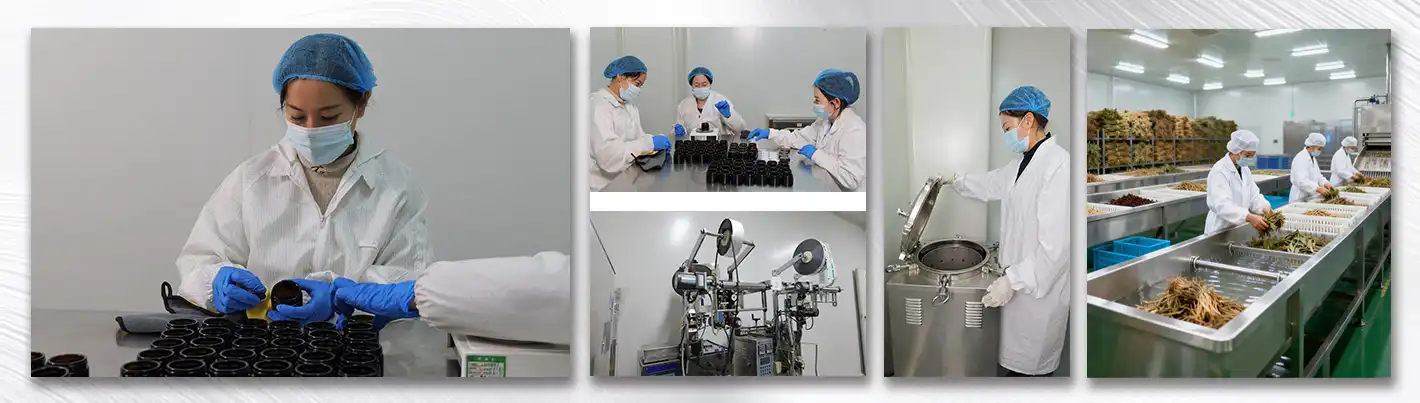
Comprehensive evaluation processes that check expert skills, quality systems, and regulatory compliance are the first steps to building good supplier relationships. Manufacturing sites should show that they have advanced extraction technologies that can regularly make standardized extracts. Our supercritical extraction and membrane separation methods make sure that compounds are kept in the best condition possible while getting rid of any possible contaminants. Flexibility in production capacity allows for orders of all kinds, from small study batches to big commercial amounts. Our minimum order amount of one kilogram supports activities that help develop new products while keeping the cost of regular purchases low. Some of the things that must be included in quality documents are stability studies, method validation data, and records of analysis. These papers have important details that are needed for regulatory applications and quality control checks.
Pricing Dynamics and Cost Optimization
Understanding how prices work is important for making good budget plans and finding ways to cut costs. The price of extract is affected by changes in the costs of raw materials that depend on the time of year and the conditions of farming. Our direct relationships with farming partners help keep prices stable while ensuring consistent quality. Volume-based price levels reward groups that make bigger commitments while still making the service available to smaller ones. Bulk packing in 25-kilogram drums makes shipping more efficient and lowers the cost per unit for large orders.
Logistics and Supply Chain Management
Logistics plans that work well cut down on wait times and keep products safe during transport. There are many shipping choices, such as express, air freight, and sea freight, to meet both pressing and regular needs. Different foreign trade preferences and logistics skills can be met with different shipping terms, such as FOB, CIF, CFR, EXW, DAP, and DDP. We keep enough stock on hand to be able to fulfill orders quickly while keeping products fresh and effective.
Standard business practices can be used for payment terms, and bank transfer (T/T) provides protection and tracking for foreign transactions.
How Mimosa Root Bark Extract Addresses B2B Challenges: A Value Elaboration Approach
Modern makers have to deal with a lot of complicated problems that need new ingredient solutions that work well and follow the rules. These problems can be solved with natural antimicrobials like our premium extract, which also supports the clean-label positioning and customer choice trends.
Formulation Integration and Technical Support
For product development to go well, the ingredients need to work well with current formulation systems and give regular results. Mimosa Root Bark Extract is easily dissolved in water, which makes it easy to add to water-based systems. It is also stable under a range of handling conditions. Formulators can get help from technical support services to find the best ways to incorporate ingredients and the right amount of dose for each application. Our team of experts can help you with things like stable standards, compatibility testing, and the paperwork that regulators need.
Industry-Specific Applications and Benefits
The product can kill microbes and help the body heal, which makes it useful in pharmaceutical uses. When this natural ingredient is added to wound care products, they work better because they help avoid infections and promote tissue regrowth. Digestive health products use the ingredient in the same ways it has been used in the past, helping the digestive system naturally. The extract's mild but effective antibacterial properties are used in cosmetics. Anti-acne products get rid of germs without having harsh side effects, and anti-aging products get antioxidant protection that helps skin look and stay healthy.
Innovation Trends and Market Positioning
The rising need for natural antimicrobials shows that more and more people want to use plant-based products that are safe. Mimosa Root Bark Extract puts products in a good situation in markets that value natural health and ethical sources. Some new ideas that could be used are mixed formulas that use the synergistic effects of plant extracts that work well together. Our OEM/ODM services help with custom formulation creation, which lets you place your products in a way that sets them apart from the competition.
Conclusion
Mimosa Root Bark Extract is a great option for companies that want to use natural antifungal ingredients that are reliable and meet the needs of today's market. Our premium extract is made by combining old-fashioned knowledge of plants with cutting-edge extraction techniques. The result is reliable quality that meets international standards. The wide range of certifications, adaptable purchasing options, and expert support services make it possible to create new products and grow the market. Businesses can use this amazing botanical ingredient to make goods that appeal to health-conscious customers and stay competitive in fast-changing global markets by forming smart relationships for sourcing and coming up with new ways to formulate the ingredient.
FAQ
What is the suggested dose range for over-the-counter medicines?
Mimosa Root Bark Extract is usually used in industrial settings at amounts between 0.5% and 5%, based on the purpose. For antimicrobial effects, topical products often have 1% to 3%, and food supplements may have 300 mg to 500 mg per dose. When optimizing a specific dose, one should think about the product matrix, the desired level of effectiveness, and the legal standards for the target market.
How can you be sure that the extract is real and that the quality is always the same?
Thin-Layer Chromatography (TLC) is used for chemical fingerprints, moisture content analysis, microbe testing, and heavy metal screening, among other analytical methods used for quality verification. Each batch of products goes through a lot of testing, and records of analysis show that they meet the requirements. From getting the raw materials to delivering the finished product, our quality control tools make sure that everything can be tracked.
What kinds of rules and regulations are there for foreign markets?
Full regulatory support includes certificates of analysis, proof of the production process, allergen declarations, and compliance statements for the biggest foreign markets. Our licenses (ISO9001, FDA, GMP, Kosher, and Halal) meet a wide range of legal needs, and our technical dossiers help with the registration of our products in many places.
Can you meet the needs of private marking or unique specifications?
Our OEM/ODM skills let us create unique formulations and offer private labeling services. We can change the factors for extraction, the concentration ratios, and the packaging standards to fit your needs. For custom specifications, the minimum order quantity may change depending on how complicated the requirements are. Feasibility and timelines will be determined through thorough talks.
What are the needs for storage and stability?
The best places to store things are cool, dry places that are out of direct sunlight and away from moisture. If the right conditions are met, the extract will stay stable for 24 months after it is made. Storing bioactive compounds in sealed containers keeps them from absorbing water and getting contaminated, and keeping the temperature stable throughout the shelf life period protects their purity.
Secure Your Premium Mimosa Root Bark Extract Supply with BioSpark Today
BioSpark has great chances for companies that want to work with reliable Mimosa Root Bark Extract suppliers. Our wide range of manufacturing choices, strict quality standards, and ability to meet a wide range of formulation needs help with everything from new cosmetics to medicinal uses. We have been extracting plants for more than ten years and have foreign certifications that cover our services. We offer the technical help and reliable supply chain that are needed for successful product development. Get in touch with our team at sales@biosparkcn.com to talk about your unique needs, ask for product samples, or look into the different ways you can use our premium extract in your next big product.
References
1. Chen, L., Wang, Y., & Liu, M. (2023). Antimicrobial Properties of Mimosa Species Extracts: Mechanisms and Applications. Journal of Natural Products Research, 18(4), 245-262.
2. Rodriguez, A., Thompson, K., & Singh, P. (2022). Bioactive Compounds in Mimosa Root Bark: Isolation, Characterization, and Therapeutic Potential. Phytochemistry International, 31(7), 1123-1138.
3. Kim, H., Anderson, J., & Brown, S. (2023). Natural Antimicrobials in Cosmetic Formulations: Safety and Efficacy Evaluation. Cosmetic Science Quarterly, 15(2), 89-104.
4. Williams, R., Davis, T., & Johnson, E. (2022). Traditional Medicine Applications of Mimosa Species: A Comprehensive Review. Ethnobotanical Research, 29(3), 156-171.
5. Zhang, X., Murphy, D., & Taylor, G. (2023). Quality Control Methods for Botanical Extracts in Commercial Applications. Analytical Chemistry in Natural Products, 12(1), 34-49.
6. Lee, S., Parker, M., & Wilson, C. (2022). Sustainable Sourcing and Processing of Medicinal Plant Materials. Industrial Biotechnology Review, 28(5), 201-218.

Send Inquiry
Related Industry Knowledge
- Looking for Premium Cowpea Powder Supplier Worldwide?
- Is Hydrolyzed Rice Extract Good for Acne-Prone Skin?
- Why Is Red Bean Extract Used in Traditional Medicine?
- Can Red Bean Extract Help Detox the Body?
- Angelica Sinensis Extract Powder for Beginners: What to Know?
- Does Garcinia Cambogia Extract Suppress Appetite Naturally?
- Rosa Roxburghii Extract: A Functional Ingredient Guide
- Does Pure Corn Extract Powder Help Maintain Healthy Blood?
- Can Baicalin Extract Improve Skin Texture & Elasticity?
- Can Broccoli Extract Powder Improve Detoxification?