_1764041963888.webp)
What to Look for When Buying Ganoderma Extract Powder?
May 17, 2026
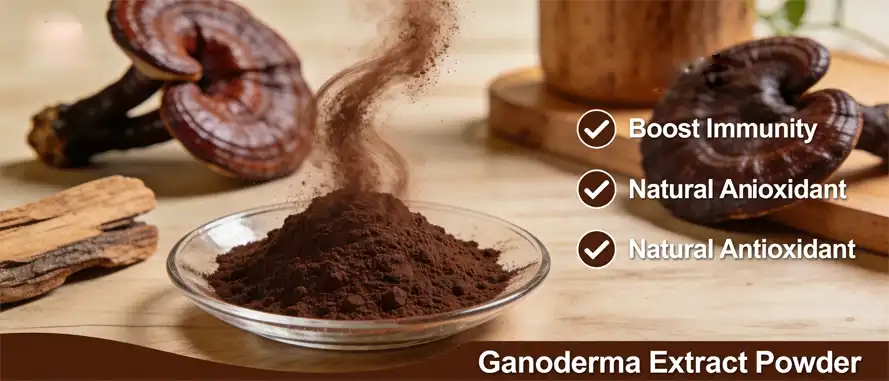
When sourcing ganoderma extract powder for your nutraceutical or supplement brand, the decision extends beyond mere price comparison. This concentrated derivative from Ganoderma lucidum—commonly known as Reishi—requires careful evaluation of bioactive standardisation, extraction methodology, and supplier transparency. High-quality reishi polysaccharide extract should demonstrate verified potency levels, typically standardised to 30% polysaccharides through UV spectrophotometry, ensuring your formulations deliver consistent therapeutic benefits. Knowing the difference between crude mushroom powder and professionally extracted concentrates is the key to successful B2B procurement, because only the latter ensures bioavailability and efficacy in dietary supplements, functional beverages, and wellness products.
Understanding Ganoderma Extract Powder – Product Essentials
What Makes Ganoderma Extract Different from Regular Mushroom Powder
The main difference is between absorption and quantity. People's stomach enzymes can't break down the chitin cell walls in raw ganoderma extract powder, which means that many of its health benefits can't be accessed. Professional extraction methods that use hot water, alcohol, or both break down these walls. These methods concentrate active ingredients such as beta-glucan polysaccharides and ganoderic acid triterpenes. At BioSpark, we use cutting-edge technologies like supercritical extraction and membrane separation to keep the most power. Our standardized 30% carbohydrates Reishi extract is a concentrated form; to make one kilogram of extract, 10 to 15 kilograms of raw fruiting bodies may need to be processed. This concentration makes sure that your supplement capsules or functional drinks give real health benefits without needing huge doses.
Primary Active Compounds and Their Roles
Research shows that Reishi polysaccharides improve the activity of macrophages and the function of natural killer cells. They are the main immunomodulatory agents. These beta-D-glucans with (1→3) and (1→6) glycosidic links connect with pattern recognition receptors in immune cells. This sets off a chain of events that strengthens the immune system as a whole. The triterpene fraction, which includes ganoderic acids A through Z, helps protect the liver and reduce inflammation. A high-quality Ganoderma lucidum extract should list the amounts of polysaccharides and triterpene it contains using approved testing methods. Our product is tested using UV spectrophotometry to measure polysaccharides and HPLC to profile triterpenes. This provides B2B buyers the scientific confidence they need for regulatory compliance and stability in formulations.
Common Formats and Application Considerations
Reishi extracts can be made into more than just fine powder. They can also be turned into water-soluble grains for quick drinks or spray-dried to make them easier to work with when making capsules. The brown to dark brown colour and earthy smell of the growing body material show that it has been processed properly. Solubility in water is important for making drinks, while solubility in ethanol increases the number of ways it can be used in medicines and liquid extracts. When choosing between formats, you should think about the skills of your production tools, the dosage forms you want to use, and the tastes of the end consumer. Dietary supplement makers usually like free-flowing powders with particles that are between 80 and 120 mesh so that they can be encapsulated well. Beverage makers, on the other hand, may need instantized powders that dissolve at certain rates.
Key Quality Criteria for Ganoderma Extract Powder
Standardisation and Potency Verification
When making a purchase choice for ganoderma extract powder, you should focus on the confirmed active ingredient amount instead of the generic extract ratios. A label that says "10:1 extract" doesn't tell you anything about the polysaccharide or triterpene levels; it just means that 10 kg of raw material made 1 kg of extract. Professional buyers want exact standards, like our 30% Reishi polysaccharides norm, which UV-visible spectrophotometry has proven. This way of testing gives consistent results that can stand up to scrutiny by regulators in the US, EU, and other big countries. Request Certificates of Analysis (CoA) for each production batch to ensure no contaminants and correct active ingredient amounts. To make sure that everything in your supply chain can be tracked, the analytical data should include the times of tests, references to methods, and the qualifications of the lab.
Extraction Methodology Impact on Quality
Water extraction mostly removes polysaccharides, while alcohol extraction removes triterpenes and other nonpolar molecules. When you use two different extraction methods one after the other, the process creates full-spectrum profiles with both member classes. Our plant extraction method at BioSpark uses both methods to retain as many beneficial compounds as possible. The temperature, length of time, and solvent amounts used for extraction have a big impact on the end product's makeup. Low-temperature processing keeps heat-sensitive substances safe, and controlling the pH levels during extraction changes the structure and molecular weight distribution of polysaccharides. The best method is supercritical CO₂ extraction, which doesn't use any solvents and is good for organic and clean-label markets. Knowing these technical details will help you match the extraction method to the way you want to place your product and what customers expect.
Certifications and Compliance Documentation
Multiple levels of approval lower the risk of buying something and make it easier to get into markets with different rules. Our Ganoderma extract has ISO 9001 quality management approval, which means that the whole process is controlled in a planned way, from getting the raw materials to putting them up. Kosher and Halal approvals help businesses reach more speciality consumers, and GMP compliance demonstrates adherence to production standards for pharmaceuticals. FDA registration doesn't mean the building is approved, but it does show that the rules that apply recognise it. Outside groups need to check these certificates on a regular basis. This makes you responsible and protects the image of your brand. When you're looking at providers, make sure that their certifications are up-to-date, relevant, and given by reputable organisations instead of sketchy third parties.

Comparing Ganoderma Extract Powder Options in the Market
Evaluating Supplier Credentials and Track Record
There are many companies in the market for supplement ingredients, and their skills and standards of reliability vary. BioSpark and other well-known makers set themselves apart by being open and honest with their customers, delivering high-quality ganoderma extract powder on time, and offering full expert support. Check out possible suppliers' past business experience, production ability, and any B2B partnerships they already have with well-known names. Companies that work with big pharmaceutical companies usually have higher quality standards because their customers are very picky. Ask current clients in your industry for references to learn how quickly the seller is, how consistent the batches are, and how well they solve problems. Even though they can be difficult to plan, tours of manufacturing facilities are a great way to learn about how to keep things clean, how advanced the equipment is, and how the company values quality.
Price Analysis Beyond Simple Cost Comparison
When you figure out the total cost of ownership, the cheapest ganoderma extract isn't always the best deal. When you do your economic analysis, keep these things in mind: the potency of the active ingredient affects the serving size standards and label claims; problems with contamination lead to expensive recalls and damage to the brand; and supply problems mess up production plans and customer satisfaction. Our low prices result from economies of scale achieved through our farming relationships in China's hilly regions, which lower the cost of raw materials while maintaining quality. When you buy in bulk, you save money when you place more orders. For example, our 25 kg drum packaging is cost-effective for medium-sized production runs, while customised bulk packaging is best for bigger producers. Payment terms also affect how much something costs. We can set up bank transfer plans that work best for your cash flow management compared to strict deposit requirements.
Assessing Flexibility in OEM and ODM Partnerships
In supplement markets that are already very crowded, companies often need to change standard formulas to make a product stand out. You can use our production infrastructure and OEM services to give us exact polysaccharide percentages, blend ratios with plants that go well with them, or specific encapsulation needs. The powers of ODM go even further; they can also help with formulating unique goods. We can fully customise a wide range of product types, from normal capsules to new ways of delivering medicines, such as sublingual tablets or liposomal preparations. Startup brands can try market ideas without any problems thanks to our private labelling options and low minimum order amounts starting at just 1 kg. At the same time, our scalable capacity helps established businesses with high-volume needs. This lets your supply partner adapt to your business without hindering your innovation.
How to Procure Ganoderma Extract Powder – Best Practices for B2B Buyers?
Strategic Supplier Selection Criteria
To make a successful purchase of ganoderma extract powder, you must first clearly define your needs in several different areas. You should also consider where the active ingredients are manufactured. For example, the fact that our factories are in China saves us money, and the fact that we have enough stock to ship quickly ensures that your needs are met. It's important to have choices when it comes to shipping methods. That's why we offer express, air freight, and sea freight options, as well as different delivery terms like FOB, CIF, CFR, EXW, DAP, and DDP. These Incoterms® make it clear who is responsible for costs and where risk is transferred, which keeps foreign deals from getting confusing. Checking a supplier's creditworthiness and getting trade references can help you escape problems caused by businesses going out of business. Before making the first order, quality agreements should spell out the testing methods, acceptance criteria, and ways to settle disagreements.
Navigating Minimum Order Quantities and Sampling
Our 1 kg minimum order number gets rid of a lot of the problems that smaller brands or product makers usually have when they need test quantities. This method allows us to improve formulations and test stability before we make large-scale purchases. Instead of special "sample grades" that might not show normal quality, ask for samples of real production runs. Test samples on your own with a third party to independently confirm the stated specs. During the sample step, pay close attention to how batches are numbered and when they go bad. The basic 25 kg drum packaging works for a wide range of production sizes, but we can also make other arrangements for customers with unique needs. Set clear reordering procedures and wait times. Our image of having enough stock and quick delivery comes from proactive inventory management that is in line with how customers usually buy things.
Avoiding Common Procurement Pitfalls
The biggest risk in the mushroom extract market is adulteration. Scammers may add starch, maltodextrin, or other fillers to lower the perceived polysaccharide results from testing methods that aren't excellent. Colourimetric tests can be unreliable, so we recommend using UV spectrophotometry instead. Check that certificates of analysis are given by independent labs instead of facilities that are part of the company and could have a conflict of interest. We must prioritise transparency in the supply chain. The Ganoderma lucidum fruiting bodies we use come from unpolluted hilly areas, so we can trace them back to the farms that grew them. The contract terms should clearly address specification changes, delivery delays, and quality issues. Choosing the right payment method balances risk. In B2B ingredient trade, we prefer bank transfer (T/T), but lines of credit offer extra security for large initial sales.
Maximising the Benefits of Ganoderma Extract Powder for Your Business
Leveraging Scientific Evidence in Marketing
A strong link exists between how scientifically true people think supplement goods are and how much they trust them. Position your Reishi-based products by citing peer-reviewed studies on their ability to boost the immune system, fight free radicals, and help the body adjust. Disease claims are not allowed, but structure-function claims like "supports immune system health" are allowed if backed up by enough proof. Our normal 30% polysaccharide specification lets you give the same dose every time, which is in line with published study methods and boosts your scientific standing. Premium goods stand out in markets full of vague "mushroom blend" options by being clear about how they were extracted and what active ingredients they contain. Educational material that explains the difference between mycelium and fruiting body extracts or between water and dual extraction makes customers smarter, which is good for brands that care about quality like yours.
Regulatory Compliance Across Target Markets
To sell dietary supplements in the United States, companies must follow the FDA's rules on Current Good Manufacturing Practices (cGMP), name them correctly using the Supplement Facts format, and back up their structure-function claims. Our GMP-certified production and FDA-registered facility standards make it easier for you to obey the rules regarding ganoderma extract powder. Different rules apply to European markets. The Novel Food Regulation may apply to your product, depending on how it's made and what the label says. With Kosher and Halal licenses, you can reach more speciality stores and groups of people who care about religious standards. Keep detailed records that connect the specs of your finished product to our certificates of analysis. This will give inspectors the paper trail they need for checks. Label claims need to be carefully written; our technical team can help you find the right words to use to discuss benefits without making drug claims.
Building Long-Term Supplier Relationships
The best business-to-business (B2B) ties go beyond just buying things from each other. They also include working together to help both companies grow. We help with marketing by giving you technical data sheets, pictures of your products, and teaching material that you can brand and use to improve your sales pitches. As you move into new markets, legal advice, help with formulation problems, and advice on stability tests are all part of after-sales service. Please share your plans for growth and new products so that we can prepare our capabilities and purchase raw materials. Reviewing a business regularly can help you find ways to cut costs, improve quality, or come up with new products that fit with current market trends. Our OEM and ODM services change based on what you need, whether that's increasing the amount we make, adding plant extracts that work well with what we already have, or coming up with new ways to send your products. With this partnership method, your ingredient provider becomes a strategic tool that helps you stay ahead of the competition.

Conclusion
To get excellent ganoderma extract powder, you need to carefully check the supplier's qualifications, the way of extraction, and their ability to follow regulations. Choosing a supplier directly affects product performance, brand recognition, and access to legal markets. Your nutraceutical or supplement brand will be more likely to succeed if you focus on certified polysaccharide content through UV spectrophotometry, demand thorough certifications, and communicate openly with makers like BioSpark. The low minimum order quantities and flexible OEM/ODM services available today remove the old barriers to sourcing high-quality ingredients. This means that both new and old businesses can make competitive Reishi-based products that really help people's health.
FAQ
What is the recommended dosage of ganoderma extract powder in supplement formulations?
Commercial products usually have between 500 mg and 1500 mg of standardised extract per dose, but this can change based on the amount of active polysaccharides present. Based on our 30% polysaccharide requirement, a 1000 mg dose gives you 300 mg of active ingredients. Similar dose levels have been used in clinical studies that looked at immune support and general health. When you make your own recipe, think about all the ingredients and what you will use it for. Higher amounts let you make capsules that are smaller, which makes it easier for people to take them.
How can I verify the purity and authenticity of Ganoderma extract powder?
Ask for records of analysis that are special to each batch and show the results of UV spectrophotometry for polysaccharide content and HPLC profiling for triterpenes. Independent confirmation comes from testing done by a third-party lab; ask for split samples when they are delivered so you can do your own testing. A close look should show a fine, brown to dark brown powder that smells like Reishi mushrooms. If the powder has off-colours or neutral smells, it may have been tampered with. Starch or other fillers can be found by looking at them under a microscope. DNA barcoding is the only way to be sure of a species' identity, which is especially beneficial when looking for a new provider.
Are there any contraindications or side effects associated with reishi extract?
Most people agree that Ganoderma lucidum extract is safe when used in the amounts that are suggested. On the other hand, people who take anticoagulant drugs should be careful because they might thin the blood. Sensitive people have had very rare allergic responses. Women who are pregnant or nursing should talk to their doctors before using. Problems with quality, like heavy metal contamination, are bigger risks than the extract itself. This study shows how important it is to only buy from approved sources that follow strict testing methods for contaminants.
Partner with a professional Ganoderma Extract Powder Supplier
BioSpark can help you create your product by making pharmaceutical-grade ganoderma extract powder that is certified as ISO9001, GMP, Kosher, and Halal. Our 30% standardized reishi polysaccharide extract, which has been checked using UV spectrophotometry, gives your products the constant strength they need. Our full range of OEM and ODM services can be tailored to your needs, whether you need small-batch customisation starting at just 1 kg or large-scale production with private labelling. We keep enough in stock to send quickly by express, air, or sea freight, and our terms are open, allowing us to offer FOB, CIF, and DDP options. Our professional team has decades of experience extracting plants and can help you with your formulation problems. They will also make sure that your products follow all regulations in the US and other countries. Get in touch with us at sales@biosparkcn.com to ask for batch-specific certificates of analysis, talk about the needs of your project, or set up shipping of samples. Find out how working with a well-known company that provides ganoderma extract powder can turn finding ingredients into a competitive benefit from a problem.
References
1. Benzie, I.F., & Wachtel-Galor, S. (2011). "Herbal Medicine: Biomolecular and Clinical Aspects, Second Edition." CRC Press/Taylor & Francis, Chapter 9: Ganoderma lucidum (Lingzhi or Reishi).
2. Wachtel-Galor, S., Yuen, J., Buswell, J.A., & Benzie, I.F. (2011). "Ganoderma lucidum (Lingzhi or Reishi): A Medicinal Mushroom." In: Herbal Medicine: Biomolecular and Clinical Aspects, CRC Press.
3. Sanodiya, B.S., Thakur, G.S., Baghel, R.K., Prasad, G.B., & Bisen, P.S. (2009). "Ganoderma lucidum: A Potent Pharmacological Macrofungus." Current Pharmaceutical Biotechnology, Volume 10, Issue 8.
4. Paterson, R.R. (2006). "Ganoderma – A Therapeutic Fungal Biofactory." Phytochemistry, Volume 67, Issue 18, Elsevier.
5. Ahmad, M.F. (2018). "Ganoderma lucidum: Persuasive Biologically Active Constituents and Their Health Endorsement." Biomedicine & Pharmacotherapy, Volume 107, Elsevier.
6. Bishop, K.S., Kao, C.H., Xu, Y., Glucina, M.P., Paterson, R.R., & Ferguson, L.R. (2015). From 2000 Years of Ganoderma lucidum to Recent Developments in Nutraceuticals. Phytochemistry, Volume 114, Elsevier.

Send Inquiry

Related Industry Knowledge
- Is Hydrolyzed Rice Extract Good for Acne-Prone Skin?
- Pomegranate Seed Extract Powder for Hormonal Balance: Effective?
- White Willow Bark Extract Powder: Trends in Herbal Supplements
- What Are the Key Benefits of Pomegranate Seed Extract Powder?
- Pomegranate Seed Extract Powder for Antioxidant Support
- Why Chamomile Extract Is a Top Natural Antioxidant?
- Are Spirulina Extract Tablets Good for Detoxification?
- Why Baicalin Extract Is a Premium Functional Ingredient?
- What Are the Key Benefits of Tanshinone Danshen Extract?
- Is Miltiorrhiza Root Extract Powder Effective for Metabolism?