Why Choose Liposomal Ferrous Glycinate for Iron Supplements?
Oct 22, 2026
If you're sourcing iron supplements for your brand, liposomal ferrous glycinate deserves serious attention. Unlike conventional iron salts, this advanced form wraps ferrous glycinate inside nanoscale phospholipid vesicles, protecting the mineral through the digestive tract and delivering it directly to intestinal cells. The result is absorption rates far above traditional options, with fewer gastrointestinal complaints. For procurement professionals evaluating ingredient quality, application range, and regulatory compliance, liposomal ferrous glycinate offers a genuinely differentiated position in the global iron supplement market.
Understanding Liposomal Ferrous Glycinate: What Makes It Unique?
The Science Behind Liposomal Delivery
The liposomal ferrous glycinate method combines two tried-and-true methods: phospholipid coating and amino acid chelation. It is made up of two molecules of glycine that are linked together by iron ions. This ferrous salt is the best at making a stable five-membered ring complex. Nanoliposomal vesicles are particles that are between 60 and 100 nm in size. They hold that complex together and make a wall that digestion can't break down. There is a pH-based active loading method that keeps at least 98% of the content and encapsulates more than 95% of the Fe›.
How Absorption Actually Improves
Liposomal ferrous glycinate has two layers of fats that mix with the cell walls of cells in the gut when it is eaten. In order to get around the usual things that stop absorption, this goes around them. Iron glycinate is also taken in by peptide transporters like PepT1. This is how most people take in dipeptides. It is always better to use amino acid-chelated iron than ferrous sulfate because it takes in iron in two different ways. This is the only way that ferrous sulfate works, and phytates and tannins in food can hinder it.
Targeted Applications Where It Matters Most
About 1.2 billion people around the world have anemia because they don't get enough iron, according to the WHO. Formula for babies, food for pregnant women, and things that help people recover from surgery all need iron forms that work well and are easy to work with. Iron glycinate in liposomes meets these needs. It's good for sensitive people because it works gently. The freeze-dried powder form has no smell and can be mixed again and again. This makes it easy to add to baby formula, prenatal supplements, and functional drinks.-
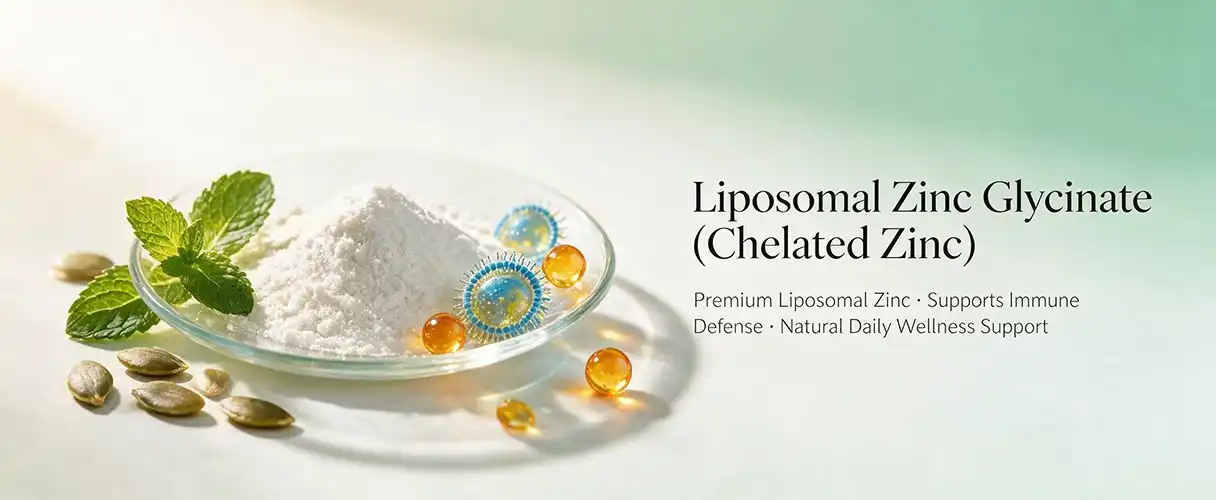
Comparing Liposomal Ferrous Glycinate with Other Iron Supplements
Head-to-Head: Absorption and Tolerability
Getting the right kind of iron is one of the most important things to keep in mind when making supplements. Check out how these well-known choices stack up:
- Ferrous sulfate carries the lowest cost per milligram of elemental iron, but its absorption rate hovers around 10–15%, and it produces well-documented gastrointestinal side effects including constipation, nausea, and dark stools. It remains the standard clinical option but ranks poorly in consumer satisfaction surveys.
- Ferrous fumarate offers slightly better tolerability than sulfate but still triggers GI complaints in sensitive users, and its metallic taste creates formulation challenges for flavored products.
- Regular ferrous glycinate (iron bisglycinate) improves on both counts—amino acid chelation boosts absorption and reduces irritation. However, without liposomal protection, it remains exposed to enzymatic breakdown and competitive mineral absorption in the gut.
- Liposomal ferrous glycinate adds the phospholipid encapsulation layer on top of chelation benefits, producing the most protected, highest-bioavailability option currently available for oral iron delivery.
There are direct links between these differences and how well people like your brand's products and how well you can tell them apart from other brands' products.
Cost-Effectiveness for Bulk Procurement
It costs about the same as other drugs per milligram that is absorbed, even though it costs more per unit. There are brands that want to be seen as high-end, like baby pills, clinical nutrition, or high-end health lines. They can say that their high price is because their products work better and have fewer side effects. People are more likely to buy them again because of this.
Procurement Insights: Sourcing High-Quality Liposomal Ferrous Glycinate
Evaluating Manufacturers and Certifications
The first thing you should do when looking for liposomal ferrous glycinate is make sure it has good documentation. You can trust companies that make liposomal ferrous glycinate as long as they are ISO certified and work in factories that follow good techniques. Ask for Certificates of Analysis (CoA) that show the iron's purity (Fe3+), Zeta potential, encapsulation rate, and particle size distribution (PDI < 0.1). If supply lines want to sell their goods in the EU or the US, they need to show proof that their goods were tested by a third party and have reports on how each batch was made.
OEM, MOQ, and Lead Times
If a company selling liposomal ferrous glycinate is honest, they should be able to handle both small test orders and large production runs. BioSpark is an OEM/ODM company, which means it can change recipes, make packages, add private labels, and more. We also have very open minimum order amounts. If you talk to your seller early on, you can avoid delays and save time. Lead times depend on how many orders they have and how customized each one is. When you buy a lot of something, ocean freight is cheaper and gives you more time to plan. However, air freight is better for pressing orders of 5 to 10 working days that need to be shipped in medium volumes.
Logistics and Trade Term Options
As the particles are delivered around the world, it is important to be careful with them so that they stay whole. If you pack freeze-dried powder well, it will stay stable on a shelf at room temperature for a long time. For international trade, we accept many terms, such as EXW, FOB, CIF, DDP, and more. This lets buyers pick based on how well they know how to bring things into the country.
Safety, Dosage, and Side Effects: What Procurement Managers Need to Know
Established Safety Profile
Iron bisglycinate is generally well tolerated at standard therapeutic doses, according to research published in nutrition journals that is read by experts in the field. Even less irritation is likely with liposomal encapsulation than with types that aren't enclosed. This is because there is less direct contact with the mucosa. Different groups have different amounts, but most iron supplements have between 15 mg and 60 mg per day. The National Institutes of Health say that every day, pregnant women should take 27 mg of prenatal formula.
Regulatory and Labeling Requirements in the US and EU
Iron products are controlled by the Food and Drug Administration (FDA) in the US. On the label, there should be both the gross weight and the amount of basic iron in each serving. The only iron goods that can be sold in the EU are those that are listed in Regulation (EC) No 1170/2009. Glucinate chelates and iron bisglycinate chelates are on both lists. If you buy something, the seller should give you proof that the iron compound type written on the label is correct.
Managing Risk in Formulation
The NIH says that every day adults shouldn't take in more than 45 mg of iron. It might not be good for your health to get more than that. The type, dose, and way of giving iron should all be right for the person who will be using it. Formulators and people in charge of buying things should work together to make sure this happens. In order to do this step, you need full specification sheets from the company that makes your liposomal iron.
Future Trends and Market Dynamics of Liposomal Ferrous Glycinate
Growing Demand Across Supplement Categories
In 2023, the global market for iron products was worth about $3.5 billion. The market for iron pills that are easy on the stomach and have clean labels is still growing. This is because more people are learning about iron-deficiency anemia, and more women are taking iron supplements while they are pregnant. More and more nutrients are being moved around with liposome technology. This is best shown by liposomal iron, which has been proven to work by science.
Technology Advances Improving Stability and Cost
As of now, it is easier to make more liposomal ferrous glycinate products and keep them stable for longer. This is because new process changes have been made, such as using tangential flow ultrafiltration to clean the products and programmed freeze-drying with dual cryoprotectants. Mass production is now cheaper thanks to these changes. This means that older styles are getting cheaper and there are more products on the market.
Strategic Sourcing Recommendations
To keep prices from going up even more, buying teams should start getting to know their sources. To protect your supply chain, make sure you have stable price agreements, find out how much your suppliers can make, and work with at least two qualified liposomal ferrous glycinate makers. As part of your long-term plan to buy, you should also keep an eye on how laws change in key export markets. The FDA might change its rules, and the EU might check health claims, among other things.
Conclusion
For good scientific reasons, liposomal ferrous glycinate is the best iron supplement. It is more bioavailable, doesn't have as many digestive side effects, and can be used in many different areas of nutrition, including prenatal, pediatric, and functional. The people who work in procurement can choose better suppliers if they know how this ingredient is made, from how the pH changes to how it is stabilized during freeze-drying. As more people look for good iron products, your brand will be ahead of the curve if you get in touch with a skilled liposomal ferrous glycinate provider early on.
FAQ
How is liposomal ferrous glycinate different from regular iron glycinate?
Regular ferrous glycinate (iron bisglycinate) is better than iron salts because it sticks to amino acids better. It can't stop digestive enzymes from doing their job, though. Liposomal ferrous glycinate adds a phospholipid bilayer capsule, allowing for encapsulation rates above 95% and delivering the mineral to regions of the intestine where it can be absorbed better.
How can I verify the quality of a liposomal ferrous glycinate supplier?
Make sure that the batch certificates of analysis you ask for show particle size (60–100 nm), PDI below 0.1, Fe› retention rate (≥98%), encapsulation rate, sterility testing, and details on any solvents that are still present. You need to follow ISO rules and get permission from GMP. It is checked again by a lab that is not part of the project.
What are typical MOQ and lead times for bulk orders?
MOQ doesn't mean a certain amount, and wait times change from manufacturer to manufacturer and order to order. BioSpark can handle orders of any size, from small test runs to big business amounts. Get in touch with our team right away to get a price that works for your product.
Is liposomal ferrous glycinate approved for use in US dietary supplements?
Yes. There are rules in the US that say iron glycinate is a good source of iron. One way the drug is sent is by putting it inside liposomes. What do you think about some of the claims on the label?
Partner with BioSpark for Your Liposomal Iron Supplement Needs
BioSpark (Xi'an) Biotechnology Co., Ltd. is a skilled company that can make liposomal ferrous glycinate and deliver it. The size of the particles is between 60 and 100 nm, and the Fe⁺ is at least 98% pure. Our way of making things has an encapsulation rate of over 95%. No matter where in the world you are, we can help with logistics. Our solutions are flexible, so you can get a small batch for a test project or a lot of them. Email our team at leao@biosparkcn.com to get samples, more information, or a unique price.
References
1. Hurrell, R., & Egli, I. (2010). Iron bioavailability and dietary reference values. The American Journal of Clinical Nutrition, 91(5), 1461S–1467S.
2. Layrisse, M., García-Casal, M. N., Solano, L., et al. (2000). New property of vitamin C and iron absorption: Effect of ascorbic acid and iron glycinate. Journal of Nutritional Biochemistry, 11(1), 48–53.
3. Szarfarc, S. C., de Cassana, L. M., Fujimori, E., et al. (2001). Relative effectiveness of iron bis-glycinate chelate compared with ferrous sulfate in preventing iron deficiency in pregnant women. Archivos Latinoamericanos de Nutrición, 51(1), 42–47.
4. Yalçın, S. S., Yurdakök, K., Tezcan, I., & Yalçın, S. (2000). Effect of iron supplementation on serum ferritin, hemoglobin, and other hematological indices of iron status in infants. European Journal of Pediatrics, 159(6), 432–436.
5. Allen, L. H. (2002). Iron supplements: Scientific issues concerning efficacy and implications for research and programs. Journal of Nutrition, 132(4), 813S–819S.
6. Briat, J.-F., Lobréaux, S., Grignon, N., & Vansuyt, G. (1999). Regulation of plant ferritin synthesis: how and why. Cellular and Molecular Life Sciences, 56(1–2), 155–166.

Send Inquiry
Related Industry Knowledge
- Could Liposomal Ferric Citrate Improve Iron Absorption?
- Is Wolfberry Polysaccharide Worth Adding to Your Routine?
- What Are the Key Benefits of Polygonatum sibiricum Peptide?
- How to Choose High-Quality Damiana Peptide?
- Papaya Juice Powder OEM: Custom Formulation and Packaging Guide
- Is Broad Bean Powder a Good Protein Ingredient Choice?
- Is Kidney Bean Flour the Next Trend in Healthy Baking?
- What are the top health benefits of gardenia fruit powder?
- What Makes Coconut Milk Extract Powder So Popular Today?
- Cistanche Extract Powder: Key Benefits and Uses Explained