_1764041963888.webp)
Is Broad Bean Powder a Good Protein Ingredient Choice?
Aug 07, 2026
Broad bean powder stands as an excellent protein ingredient choice for B2B manufacturers seeking sustainable, allergen-friendly formulation options. This plant-based protein delivers 25-30% protein content in standard formulations, with premium variants reaching 60% protein concentration through advanced extraction methods. Its balanced amino acid profile, combined with functional properties like water solubility and natural emulsification, positions it competitively against established proteins like pea and soy. For procurement managers evaluating plant proteins, fava bean powder offers nutritional density, clean-label appeal, and formulation versatility that addresses current market demands for allergen-free, vegan-friendly ingredients across dietary supplements, functional foods, and meat alternatives.
What Is Broad Bean Powder and Why Is It Gaining Interest?
Origin and Production Process
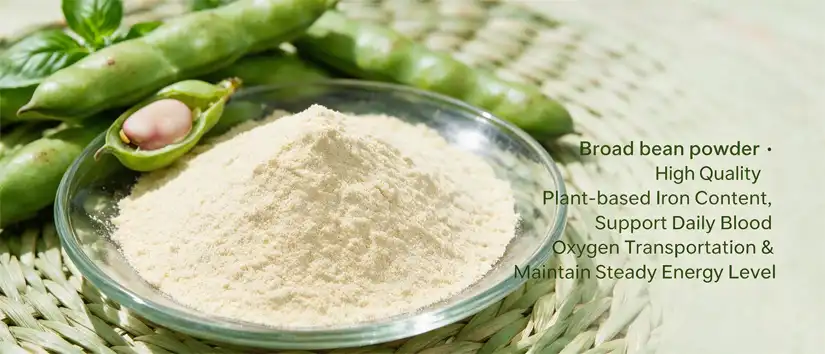
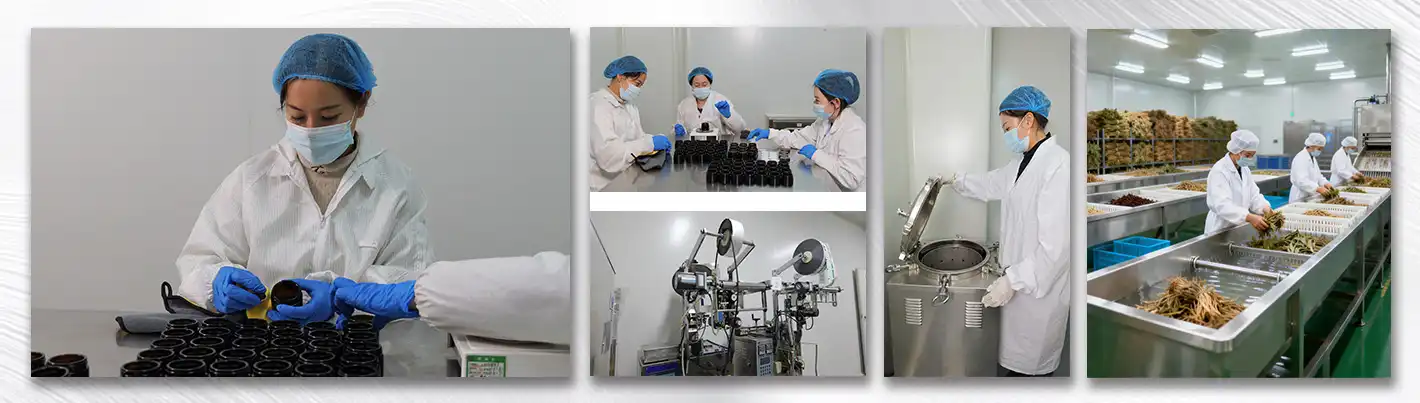
The ripe, dried broad beans that are used to make Broad bean powder are dehulled, cleaned, and ground up in a controlled environment. When making high-end products, manufacturers use plant extraction methods like supercritical extraction and membrane separation technologies to keep the beneficial chemicals and increase the protein content. The finished ingredient meets industry standards: particle sizes are usually between 80 and 120 mesh, which makes sure that it flows easily through automatic production lines.
Using advanced processing methods, protein levels can reach 60% using the Kjeldahl Method, which is a lot more than what you'd find in whole bean flour. High-Performance Liquid Chromatography (HPLC) testing makes sure that the active ingredient is pure and the same in all batches. The powder is a fine, light yellow to light brown material that smells like beans and dissolves in water and ethanol to a small degree. These qualities make it useful in both water-based and partially water-based formulations.
Nutritional Composition and Functional Benefits
There are more health benefits to Broad bean powder than just its raw protein level. Each batch has a variety of complex carbohydrates, such as resistant starch, which is good for your digestive health, and dietary fiber, which makes you feel full and helps keep the gut microbiome balanced. Minerals like potassium, magnesium, iron, and calcium are complemented by B-vitamin complexes, especially thiamine, riboflavin, and folate. This high micronutrient density makes the ingredient more valuable for health supplements and goods that are enriched.
In terms of how it works, the powder is very good at absorbing water and staying stable at high temperatures, so it keeps its shape during high-temperature processing. Because it has pores, it's easy for it to absorb water and mix into a wide range of mixtures, from protein shakes to baked goods. Even though it's missing some complementary proteins, the balanced amino acid profile has a lot of leucine, lysine, and arginine, which are amino acids that are important for making muscle protein and keeping the metabolism running.
Market Drivers and Industry Adoption
The rising interest in ingredients made from broad beans can be explained by a number of related trends. People are looking for non-GMO, allergen-free protein sources, which opens up markets for beans other than soy and pea. Because the ingredient is naturally gluten-free, it can help with formulation problems in the celiac and gluten-sensitive markets. Broad bean powder is better for the environment because broad beans fix nitrogen in the air and need less water than many other crops. This makes them appealing to brands that are committed to being environmentally friendly.
Regulatory acceptance in big areas makes a business more likely to succeed. Certifications like ISO9001, Kosher, Halal, FDA approval, and GMP compliance make it easier to get into a wide range of markets and delivery outlets. The fact that the ingredient has been used in food for a long time makes the governing process easier than for new proteins, which need a lot of safety paperwork.
Comparing Broad Bean Powder to Other Protein Ingredients
Protein Content and Amino Acid Profile
Comparisons with other plant proteins show that Broad bean powder is in a competitive position. Soy protein isolates have up to 90% protein, while pea protein isolates only have 80% to 85% protein. This puts standard Broad bean powder (25 to 30% protein) in the same category as whole food flours instead of isolates. This gap is filled by high-quality Broad bean powder extracts that have 60% protein, which are in the middle of whole flours and highly refined isolates.
The makeup of amino acids shows benefits in certain situations. Broad bean powder has more balanced essential amino acid levels than rice protein, which needs to be supplemented because it lacks lysine. Its leucine content helps muscle protein synthesis formulas, but its methionine amounts are still lower than animal proteins. This is something that most plant proteins have in common. Digestibility scores are close to those of pea protein, and antinutritional factors are kept to a minimum by preparing the food properly.
Functional Properties in Formulation
The ability to emulsify makes Broad bean powder stand out in clean-label uses. The natural protein structure makes it easier to stabilize the oil-water contact without using synthetic emulsifiers, which is useful for plant-based drinks and dairy replacements. Texture modification helps in bakery uses, where the powder helps keep moisture and maintain crumb structure without the beany tastes that can come from using higher inclusion rates of pea protein.
Different protein sources have different solubility properties. While whey protein dissolves quickly and completely, and some plant proteins need to be mixed in a lot, Broad bean powder dissolves slowly enough to be used in shakes and instant drinks. Because it dissolves slightly in alcohol, it can be used in alcohol-based extracts and medicines, which means it can be used in more than just water.
Cost-Efficiency and Supply Considerations
A study of prices shows that Broad bean powder is usually priced between cheap soy protein and expensive pea protein isolates. Market prices change based on harvest yields and processing requirements, but prices are mostly stable because of long-standing supply chains in Asia and Europe. If producers want to cut costs without lowering the quality of their products, Broad bean powder is a better option than new proteins like mung bean or hemp.
Supply chain development changes from place to place. European suppliers have a long history of growing broad beans, while Asian suppliers, especially those from China, have the edge of scale and an integrated processing system. Purchasing managers should look at a supplier's certifications, systems for tracking products, and ability to meet order volumes that range from small test batches to large-scale production needs.
Practical Applications and Usage of Broad Bean Powder in B2B Settings
Dietary Supplements and Sports Nutrition
One of the main industries that uses Broad bean powder is the health supplement industry. Formulations for vegans can use the whole set of certifications for this ingredient, which includes Kosher and Halal approvals as well as vegan-friendly sources. Meal replacement powders use the ingredient at 15–25% of the total weight, which is the right amount to balance protein supply with carbohydrate content and taste compatibility.
The amino acid profile is used in sports nutrition products to make recovery and maintenance formulas. The leucine content helps build muscle protein, and the complex carbohydrate content gives you energy that lasts for a long time. This is two benefits in one post-workout meal. Manufacturers can market their goods by focusing on the nutrition of whole foods instead of separated proteins. This will appeal to people who want supplements that have been lightly processed.
Bakery and Snack Food Innovation
Using Broad bean powder in baking shows that it has textural benefits beyond adding protein. Adding 5 to 15 percent of protein to bread recipes raises the protein content to back up nutrition claims on the package, while also making the bread last longer and keep its moisture. The mild taste goes well with both sweet and savory foods, and it doesn't have the bitterness that can come from high pea or rice protein amounts.
Manufacturers of snack bars use the ingredient's ability to bind things together as well as its health benefits. Because the bars are naturally high in starch, they don't need a lot of extra syrups or additives to keep them together. When Broad bean powder is used instead of protein isolates and added binders and texturizers, ingredient lists for clean-label protein bars are simplified.
Functional Beverages and Meat Alternatives
Applications that use instant drinks take advantage of Broad bean powder's ability to dissolve and spread in water. When made with the right sweetening and flavoring methods, protein shake mixes with 20 to 30 grams of protein have a good taste. The unique smell of the bean needs to be covered up in bland or delicate flavor profiles, but it goes well with chocolate, vanilla, and coffee on its own.
Meat-alternative formulas are a new area with a lot of potential. Broad bean powder helps give plant-based burgers, sausages, and formed foods their texture, and the starch helps keep the ingredients together and controls the amount of wetness that is released during cooking. When mixed with other proteins, like pea or wheat gluten, Broad bean powder makes it possible to make foods that have a taste and nutrition similar to meat at a price that is comparable to other ingredients.
Procurement Guide – Sourcing and Buying Broad Bean Powder in Bulk
Essential Selection Criteria for Suppliers
Good Broad bean powder vendors must be screened from several angles. A company's dependability is shown by quality certifications. ISO9001 and GMP designations signify quality management systems and food and supplement production procedures. Kosher or Halal licenses and FDA recognition enable entrance into certain U.S. markets. Request certification proof from issuing organisations.
Professionals use traceability to separate themselves from merchants. Famous broad bean powder producers give batch-specific data on raw ingredients, processing, and quality test results. Audits must be transparent to resolve quality issues quickly. Full microbiological, heavy metal, pesticide residue, and allergy testing panels show vendors' safety commitment.
Aligning production capacity minimises supply concerns as your numbers grow. Suppliers should reveal capacity, lead times, and growth adaptability. Order minimums vary. Business makers need partners that can handle several tonnes with continuous quality, whereas research firms want 1-kilogram providers. Check whether merchants have emergency or demand extras.
Cost Analysis and Logistics Considerations
Bulk Broad bean powder purchases of 100, 500, or 1000 kg save money. Request specific quotes with product characteristics, packaging (25-kg barrels are normal), and price. Shipping, insurance, and customs costs are clear with FOB, CIF, CFR, EXW, DAP, and DDP delivery options. DDP, "Delivered Duty Paid," simplifies import budgeting but costs more.
Shipping balances cost and time. Sea shipping is cheapest for broad bean powder but takes 4–8 weeks. Air freight is great for smaller quantities or urgent needs, but it costs 3–5 times more than sea freight. Sample orders and urgent replenishment need expensive expedited delivery. Ask your suppliers about transport ties and whether they can give customs clearance paperwork.
Risk sharing and working capital effects are shown by payment terms. Bank transfer (T/T) is still the standard, and new suppliers usually want a 30–50% payment before making Broad bean powder and the rest before shipment. Friends may discuss net-30 or net-60 terms. Letters of credit protect major transactions but cost banks. Initial communication should define payment expectations to prevent surprises delaying the process.
Quality Assurance and Sample Evaluation
Request manufacturing samples, not demonstration samples, before obtaining commercial Broad bean powder. Evaluate the product's appearance, aroma, particle size distribution, and stability. Assess shelf life using your typical storage technique to validate stability claims. Assess recipes' performance in your application using sample material.
Third-party labs test supplier broad bean powder specifications. Test protein levels, amino acid profiles, and microbiological safety using Kjeldahl analysis and chromatography. Lead, cadmium, mercury, and arsenic screens and pesticide residue panels surpass government safety standards. Testing costs more upfront but saves money over time by minimising quality concerns that delay production or market exits.
Quality agreements should include acceptance, testing, and how to manage Broad bean powder batches that don't meet criteria. These agreements avoid disagreements and guarantee everyone knows what to expect; therefore, professional suppliers like them. Protein, wetness, microbiological limitations, and allergies should be considered. Document these agreements before submitting large purchases.
Potential Risks and Side Effects to Consider When Using Broad Bean Powder
Allergen Considerations and Contraindications
Fava beans aren't among the "Big 8" dietary categories in the U.S.; however, some individuals have legume allergies. Cross-reactivity across plant families implies peanut and Broad bean powder allergies are possible. This is less common than tree nut cross-reactivity. Broad bean powder should be labelled, and enterprises selling to allergen-sensitive customers should handle their goods to avoid mixing them with other allergens.
The genetic disorder G6PD deficiency affects 400 million individuals worldwide, especially in the Mediterranean, Africa, and Asia. Broad beans may cause haemolytic anaemia in this illness. This is favism. It's not a significant concern for most Broad bean powder products, but supplements or meals marketed to populations with a higher risk of G6PD deficiency should include the correct labelling and maybe disclaimers that advise seeing a doctor first.
New Broad bean powder users have various digestive tolerances. The fibre and resistant starch in legumes are healthy, but those who aren't accustomed to eating them may need to adjust their digestive system. Product positioning may recommend serving quantities and progressive product introduction. Formulations containing stomach enzymes or easily digested proteins may assist sensitive populations in gaining tolerance.
Regulatory Compliance and Labeling Requirements
The FDA recognises broad bean powder ingredients as GRAS for food use in the US. This makes market entry simpler than with novel compounds that need extensive pre-market review. DSHEA standards govern dietary product structure-function claims. They may make nutritional support claims but not illness treatment claims. Nutrition labels must satisfy FDA serving size and daily value regulations for broad bean powder protein claims.
European food rules allow broad bean powder products. The EFSA regulates them. The Novel Foods Regulation applies solely to foods not widely consumed before 1997. Traditional foods like broad beans aren't included. Depending on how they are processed and how much they are used, highly processed or concentrated Broad bean powder extracts may constitute innovative meals. Hire lawyers to ensure you fulfil each member state's standards before joining the EU market.
Gluten-free clearance opens up a large market for Broad bean powder, but it must be managed. Broad beans don't contain gluten, but if the processing facility is shared or the materials originate from wheat-handling vendors, the powder might be contaminated. Third-party gluten-free clearance (below 20 ppm gluten) aids marketing and legal protection. Broad bean powder manufacturers should demonstrate gluten-free production processes or cleaning procedures.
Conclusion
Broad bean powder is becoming an increasingly valuable protein ingredient for companies that care about sustainability, allergen-friendliness, and clean label formulation. Its competitive protein content, ability to do many different things, and well-established regulatory status in major markets make it a strong competitor to other plant proteins. The ingredient is used in a wide range of products, from functional foods to dietary supplements. It is supported by strong supply chains that allow for flexible order quantities and full quality certifications. Labels for people who are allergic to legumes and quality control methods must be thought about by procurement teams. However, the risk profile can be kept reasonable by choosing the right suppliers and following the right testing processes. Broad bean powder is an ingredient that brands looking for unique plant-based recipes that balance nutrition, usefulness, and cost-effectiveness should test in formulations and think about for business use.
FAQ
1. Is broad bean powder suitable for vegan and gluten-free product lines?
Since Broad bean powder doesn't come from animals, it easily fits in with vegan recipes. It is vegan-friendly because it comes from plants and is processed mechanically without using any animal-based tools. When it comes to gluten-free status, the ingredient doesn't naturally contain gluten, but producers have to make sure that the buildings where the ingredients are stored don't come into contact with gluten-containing grains. Gluten-free certifications from well-known organizations give worried customers peace of mind and help businesses follow the rules.
2. How does the protein content compare with soy protein?
Broad bean powder has 25 to 30 percent protein, but quality extracts have up to 60%. About 90% of soy protein isolates are protein, and about half of soy flour is protein. The comparison puts Broad bean powder between whole-food flours and refined isolates. It provides a nutritional medium ground that can be used in situations where whole-food placement is more important than maximum protein concentration.
3. What are the best practices for storing bulk powder to maintain freshness?
For storage to work properly, the temperature must be below 25°C and the relative humidity must be less than 60%. 25 kg drums that are sealed and lined with metal foil that doesn't absorb water keep humidity and rust at bay. Once containers are opened, seal them back up quickly to keep air out, and think about moving leftover parts to smaller, airtight containers. When stored properly, Broad bean powder usually stays fresh for 18 to 24 months after it was made. Watch out for smells, color changes, or clumps that could mean the product has been exposed to moisture or is breaking down.
Partner with BioSpark for Premium Broad Bean Powder Supply
BioSpark (Xi'an) Biotechnology Co., Ltd. is an expert at providing premium Broad bean powder that is made to strict international standards. Our 60% protein specification, which has been checked by both the Kjeldahl Method and HPLC testing, gives your formulations the nutritional density and consistency they need. With a wide range of certifications, such as ISO9001, Kosher, Halal, FDA recognition, and GMP compliance, we can help you get into markets all over the world, from North America to Southeast Asia.
We know what supplement brands, nutraceutical businesses, and food makers need because we are an expert Broad bean powder company. Our OEM/ODM services can handle projects ranging from 1 kg test samples to business orders weighing several tons. We offer a range of delivery terms and shipping choices, including FOB, CIF, CFR, EXW, DAP, and DDP, so you can choose the one that works best for your needs and budget. We have enough Broad bean powder in stock to guarantee fast delivery, and our full-process support will help you from design advice to final production.
Get in touch with our team to get Broad bean powder specifications, technical data sheets, and samples that show how good our quality is. Get in touch with leao@biosparkcn.com to talk about how our Broad bean powder protein options can help your business by adding high-performance, plant-based nutrition that lasts. BioSpark can become your reliable source partner in the world market for chemicals, which is very competitive.
References
1. Multari, S., Stewart, D., & Russell, W. R. (2015). Potential of Fava Bean as Future Protein Supply to Partially Replace Meat Intake in the Human Diet. Comprehensive Reviews in Food Science and Food Safety, 14(5), 511-522.
2. Crépon, K., Marget, P., Peyronnet, C., Carrouée, B., Arese, P., & Duc, G. (2010). Nutritional Value of Faba Bean (Vicia faba L.) Seeds for Feed and Food. Field Crops Research, 115(3), 329-339.
3. Karaca, A. C., Low, N., & Nickerson, M. (2011). Emulsifying Properties of Chickpea, Faba Bean, Lentil and Pea Proteins Produced by Isoelectric Precipitation and Salt Extraction. Food Research International, 44(9), 2742-2750.
4. Vogelsang-O'Dwyer, M., Petersen, I. L., Joehnke, M. S., Sørensen, J. C., Bez, J., Detzel, A., & Arendt, E. K. (2020). Comparison of Faba Bean Protein Ingredients Produced Using Dry Fractionation and Isoelectric Precipitation: Techno-Functional, Nutritional and Environmental Performance. Foods, 9(3), 322.
5. Sipsas, S. (2008). Faba Bean (Vicia faba L.). In Genetic Resources, Chromosome Engineering, and Crop Improvement: Grain Legumes, Volume 3 (pp. 177-217). CRC Press.
6. Duc, G., Agrama, H., Bao, S., Berger, J., Bourion, V., De Ron, A. M., & Marget, P. (2015). Breeding Annual Grain Legumes for Sustainable Agriculture: New Methods to Approach Complex Traits and Target New Cultivar Ideotypes. Critical Reviews in Plant Sciences, 34(1-3), 381-411.

Send Inquiry
Related Industry Knowledge
- Why Choose Certified Ginseng Fruit Powder for Your Products?
- How Is Egg yolk fruit powder made and processed?
- Cowpea powder Factory Direct Supply with Custom Packaging
- Can white willow bark extract powder support arthritis discomfort relief?
- Can Broccoli Extract Powder Support Detox and Liver Health?
- Can Yellow Peach Powder Add Natural Color to Beverages?
- Why Is Maqui Berry Powder Trending in Superfood Supplements?
- Gotu Kola Extract Powder: Benefits for Stress and Anxiety?
- What to Know Before Buying Echinacea Extract Powder?
- Why Rosa Roxburghii Extract Is Rich in Vitamin C?