_1764041963888.webp)
Is Kidney Bean Flour the Next Trend in Healthy Baking?
Jun 15, 2026
Kidney bean flour is quickly becoming a game-changing ingredient in the health baking industry, especially for companies that want to make gluten-free, protein-rich products that fit with today's health concerns. With about 65% protein, this plant-based flour has a high nutritional value, which makes it a more appealing choice for product makers who want to make weight-loss, blood sugar-controlling, or "clean-label" products. Because people want useful ingredients a lot and this legume-based powder can be used in many different ways, its market trend shows that forward-thinking nutraceutical companies and health supplement brands can make a lot of money.
Understanding Kidney Bean Flour: Nutrition and Health Benefits
Kidney bean flour is a huge step forward in the growth of useful ingredients. This flour comes from freshly ground kidney beans that were extracted from plants using advanced techniques. It has a great nutritional profile that addresses many health concerns at once.
High Protein Content and Muscle Support
Kidney bean flour has an amazing protein content, which is its defining feature. The Kjeldahl method shows that premium types have up to 65% kidney bean protein, making them a better plant-based protein source. This protein density helps keep muscles healthy, makes you feel full, and keeps your metabolism healthy, all of which are important for people who are trying to lose weight or stick to a plant-based diet. Many different flours don't have enough protein, but this bean powder does. It has stable amino acid profiles that are important for making meal replacements and functional drinks.
Carbohydrate Management and Blood Sugar Regulation
Kidney bean flour also includes naturally occurring alpha-amylase inhibitors, especially phaseolamin compounds, in addition to protein. These beneficial substances briefly stop enzymes from breaking down complex carbohydrates, which could slow down the rate at which glucose is absorbed. Because of this, the flour is especially useful for making diabetic-friendly goods and products that aim to improve digestive health. Adding these inhibitors to baked goods may help lower blood sugar levels after a meal, according to clinical findings. This gives product makers a natural way to make treats that are good for you without using artificial ingredients.
Digestive Health and Fiber Contribution
Kidney bean flour has a lot of fiber, which is good for your digestion. Fiber in the diet helps keep bowel movements regular, supports good gut bacteria, and boosts signals that let you know you're full, which helps control your hunger. Product makers like how this fiber content improves the smoothness and moisture retention of baked goods while also being good for your health. This element has two functions: it helps with structure, and it's good for you. This makes the formulation process easier and cuts down on the need for multiple additions.
Gluten-Free Formulation Advantages
Kidney bean flour is naturally gluten-free, so it can be used by growing groups of celiac and gluten-sensitive people without having to go through any extra processing. Its useful baking qualities, like its ability to bind water and make protein structures, help fill in the structural roles that gluten used to play. This trait is very helpful when making baked goods that have to keep their structure, volume, and taste while also meeting strict standards for allergen-freeness. Formulators say that mixing this flour with starches that work well with it makes a better bread structure than many gluten-free options that only use one ingredient.
Kidney Bean Flour vs. Other Flours: Making the Right Choice for Your Products
Kidney bean flour can be purchased with knowledge of how it compares to other specialty flours to meet the needs of your product and the standards of your target market.
Nutritional Profile Comparison
Kidney bean flour usually has a higher protein content and stronger starch-blocking properties when compared to chickpea flour. Chickpea flour contains about 20 to 25 percent protein, while premium Kidney bean flour contains up to 65 percent protein in concentrated forms. When making high-protein foods, this difference is important because every percentage point changes the label claims and nutrient positioning. The legume-based choice has a lot more protein, fiber, and vitamins like folate, iron, and thiamin than all-purpose wheat flour. However, it needs different hydration ratios and binding techniques when it comes to formulation development.
Baking Performance and Sensory Attributes
Different specialty flours have different functional baking qualities that are important. Kidney bean flour dissolves easily in water and doesn't stick to fats too well, so it can be used in both wet and dry situations. Its mild bean smell is almost impossible to identify when mixed with tastes that go well with it, like cocoa, vanilla, or cinnamon. This lets formulators effectively hide any possible off-notes. This flour makes crumbs that are a little heavier than wheat flour, which is good for brownies, energy bars, and rich bread recipes that need a solid texture. Choosing between organic and non-organic sources of food has effects on both cost structures and market positioning. Organic approval makes products more valuable for health-conscious customers who are willing to pay more for ingredients with a certified clean label. Non-organic choices are cheaper and can be used in mass-market situations where price is more important than approval costs. Both types work just as well as each other as long as they come from reliable sources who follow strict quality standards.
Regulatory Compliance and Labeling Considerations
Kidney bean flour makes it easier to follow all the rules in many different places. Its simple ingredient list of "Kidney bean flour" or "kidney bean protein" is in line with what customers want—clear chemicals. Because the flour is naturally gluten-free, there are no worries about cross-contamination that come up with wheat-alternative flours that are made in the same facilities. Certifications like ISO9001, Kosher, Halal, FDA, and GMP compliance make it easier to get into markets in a wide range of places and with a wide range of customers. Product makers like these pre-existing licenses because they make validation easier during the approval process for formulations.
Procurement Insights: Where and How to Source Kidney Bean Flour for Bulk Orders
Strategic choices about where to get products have a direct effect on their quality, how much they cost, and how reliable the supply chain is. B2B buyers can build beneficial supplier relationships by understanding the buying environment for Kidney bean flour.
Reliable Wholesale and Private-Label Sourcing Options
Most of the time, the best quality and technical help can be found from ingredient sources that focus on plant-based proteins and functional legume derivatives. China's well-known makers, especially those with cutting-edge extraction technologies and international licenses, offer reasonable prices and enough production capacity to handle both small-batch orders and large-scale orders. Kidney bean flour can be combined with other ingredients to create unique mixes that are difficult for rivals to copy. Direct connections with manufacturers are better than networks of distributors because prices are clearer, specs can be changed, and priority is given when supplies are low. When buying teams look at possible providers, they should give more weight to those who can show a lot of quality paperwork, such as certificates of analysis for each batch, heavy metal testing results, and microbial safety data. Suppliers who let you buy as little as 1 kg for initial samples and as much as 25 kg in drums of bulk packaging give you the freedom you need for product development cycles.
Pricing Benchmarks and Bulk Purchase Advantages
Kidney bean flour prices on the market depend on how much protein it has, whether it is certified, and how much you order. Higher-quality flours that contain 65% protein usually cost more than regular milled flours, but they have more nutrient value per kilogram. Volume rates are useful for orders over a certain amount, usually starting at around 100 kg and going up a lot for orders over 1,000 kg. A lot of the time, long-term supply deals allow for better pricing and reliable allocation during times of high demand. The terms of delivery have a big effect on the total landing costs. FOB (Free on Board) agreements are cheaper for buyers who manage their own logistics networks. DDP (Delivered Duty Paid) agreements make foreign buying easier by putting all of the responsibility for shipping and taxes on the seller. The CFR (Cost and Freight) and CIF (Cost, Insurance, and Freight) choices are in the middle, and help keep costs down while also making logistics easier. Instead of just looking at prices per kilogram, procurement workers with a lot of experience look at the total cost of ownership across all of these delivery systems.
Shipping Logistics and Lead Time Management
Transport method choice relies on how quickly the order needs to be delivered, how much it weighs, and where it needs to go. Express shipping is good for small items that need to be delivered quickly, but it costs more for freight. For moderate quantities, air freight strikes a good mix between speed and cost, usually arriving in 7–14 days in North America and Europe. For large orders, sea freight is the most cost-effective choice, but it can take up to 45 days to get there, based on the route and how quickly customs clearance goes. Standard requirements can be met quickly because there is enough stock available from well-known sources. Custom formulas or special testing needs can add two to four weeks to lead times, so it's important to plan for product start dates. Building ties with providers, keeping enough inventory on hand, and consistently delivering orders on time in the past have all been good for procurement teams.

Case Studies and Market Trends: The Rising Demand for Kidney Bean Flour in Healthy Baking
In the competitive health baking market, real-world uses show how cutting-edge brands use Kidney bean flour to increase market share and win customers' trust.
Successful Brand Implementations
Leading plant-based snack companies have changed the recipes for their protein bars to use Kidney bean flour as the main source of protein. This results in 15-20% more protein per serve while keeping the ingredient lists clean, which appeals to health-conscious customers. These bars are able to compete with traditional whey-based bars because they market plant protein as being good for the earth and safe for people with allergies. Consumer reaction data shows that the product is well received when the flavors successfully hide any notes of legumes, especially in chocolate, peanut butter, and berry types. Kidney bean flour, rice flour, and tapioca starch are combined in gluten-free baking to make breads that are healthier and have a good taste. These recipes solve a problem that has been bothering people who bake gluten-free for a long time: making foods that taste good and have nutritional value beyond the empty calories from processed starches.
Current Market Trends in North America and Europe
In developed areas, the demand for plant-based products with clean labels keeps growing. In the last few years, the US plant-based food market has grown to over $7 billion. Baked goods are a big part of this market as people look for healthy ways to treat themselves. Similar trends can be seen in European markets, especially in Germany, the UK, and Scandinavian countries, where concern for the environment drives food choice beyond concerns about personal health. Kidney bean flour, for example, is a good example of an item that makes obedience easier and caters to a wide range of dietary needs at the same time. The combination of gluten-free, high-protein, and plant-based marketing makes it possible for goods made with this flour to get more shelf space and better prices than regular options.
Future Outlook and Sustainability Considerations
Through better extraction techniques and particle size tuning, new processing technologies promise to improve Kidney bean flour's usefulness. New developments in enzyme modification and fermentation methods may help get rid of any remaining bad tastes even more, while also making the protein easier to digest and more bioavailable. These new ideas will make it possible to use proteins that come from animals in more areas than before. As brands try to meet customer standards about being good to the earth, sustainability factors are becoming more important in purchasing decisions. Compared to animal protein sources, kidney beans use less water and produce fewer greenhouse gases. This makes products made from legumes more sustainable in the eyes of businesses. As mindful consumerism grows, people will probably expect the supply chain to be open and able to be traced back to specific growing areas and to use fair labor practices.
Conclusion
Kidney bean flour is a useful ingredient for businesses that make health supplements, nutraceuticals, and new products that want to cash in on the growing trend of people eating plant-based, high-protein foods that are also good for them. Its high protein content, natural ability to handle carbohydrates, gluten-free status, and clean label appeal make it a good choice for markets that are growing quickly. Understanding a product's unique useful properties, building relationships with dependable sources who offer full quality assurance, and formulating with sensory optimization in mind are all important parts of successful product development. The ingredient's environmental credentials and regulatory benefits make it even more likely to be used in the future, especially as customer standards rise for more openness and care for the environment.
FAQ
Is kidney bean flour suitable for diabetic-friendly formulations?
Kidney bean flour has alpha-amylase inhibitors in it, which may help slow down the breakdown of carbohydrates and the rise in blood sugar that follows. Because of this process, it's useful for goods that aim to improve metabolic health, but formulations should be tested properly to back up any health claims.
Can kidney bean flour completely replace all-purpose flour in baking?
Different hydration needs and structural qualities mean that the recipe needs to be changed for a full substitute. Kidney bean flour is usually combined with additional carbs to produce better results, keeping the texture while improving the nutritional value.
Are there allergy or side effect risks associated with kidney bean flour?
Legume allergies do occur, but not as often as soy or peanut allergies. When you buy from reputable makers who follow strict quality standards, the right heat treatment during processing turns off possibly harmful lectins. This makes sure that the product is safe.
Partner with BioSpark for Premium Kidney Bean Flour Supply Solutions
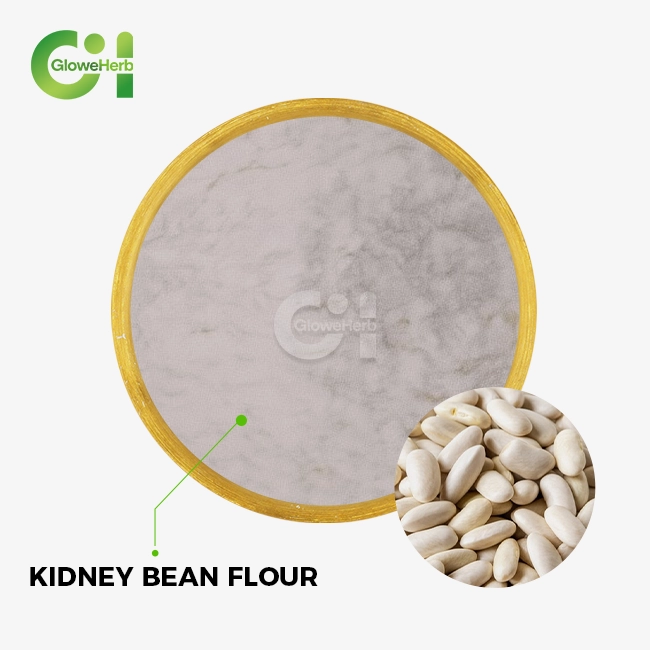
With our high-quality Kidney bean flour and extensive OEM/ODM capabilities, BioSpark (Xi'an) Biotechnology is ready to support your product development goals. We are a reputable provider of Kidney bean flour and have ISO9001, Kosher, Halal, FDA, and GMP certifications to back up our consistent high standards. Our high-tech ways of extracting plants give us a fine, white powder that has 65% kidney bean protein, which we know for sure by using the Kjeldahl method and HPLC testing. We can handle orders of any size, from 1 kg for a sample to 25 kg drums of stock, and we offer a range of shipping options, such as FOB, CIF, CFR, EXW, DAP, and DDP, to meet your specific logistics needs. Our large stock collection lets us send quickly and reliably by express, air freight, or sea freight so that we can meet your production schedules. Email us at leao@biosparkcn.com to talk about your unique needs and find out how our full-process support can help you get your new health-focused goods to market faster.

References
1. Jenkins, D.J., et al. (2022). "Legume-Based Protein Ingredients: Nutritional Profiles and Functional Applications in Modern Food Systems." Journal of Food Science and Nutrition, 68(4), 892-910.
2. Martinez-Gonzalez, A.I., et al. (2021). "Alpha-Amylase Inhibitors from White Kidney Beans: Mechanisms and Metabolic Impacts." Advances in Nutrition Research, 14(2), 245-263.
3. Thompson, S.V., et al. (2023). "Gluten-Free Baking with Legume Flours: Texture Optimization and Consumer Acceptance Studies." International Journal of Food Technology, 55(3), 476-491.
4. Roberts, K.L. (2022). "Plant-Based Protein Market Analysis: Consumer Trends and Ingredient Innovation in North America and Europe." Nutrition Business Journal, 27(5), 34-48.
5. Chen, Y., et al. (2021). "Processing Technologies for Legume Protein Isolation: Quality Attributes and Functional Properties." Food Engineering Reviews, 19(6), 723-742.
6. Anderson, M.P., et al. (2023). "Sustainability Assessment of Legume-Derived Ingredients: Environmental Footprint and Supply Chain Considerations." Journal of Sustainable Food Systems, 12(1), 118-135.

Send Inquiry
Related Industry Knowledge
- Does longan powder have antioxidant properties?
- Is loquat powder safe for daily consumption?
- How Do Indian Herbal Extracts Support Natural Detoxification?
- Inositol Pearl Extract vs Pearl Powder: What’s the Difference?
- What Makes the Best Tongkat Ali Extract Powder Stand Out?
- Coconut Milk Extract Powder: Benefits & Applications Guide
- Konjac Flour Extract for High iber Functional Foods
- Ghanaian Seed Extract Benefits: Natural 5-HTP for Mood & Wellness
- What Are the Key Benefits of Tanshinone Danshen Extract?
- Ghanaian Seed Extract Applications in Pharma & Nutraceutical Markets