_1764041963888.webp)
What Makes Coconut Milk Extract Powder So Popular Today?
May 01, 2026
Coconut milk extract powder has become a game-changing ingredient in many fields, attracting the attention of health supplement brands, nutrition makers, and product creators all over the world. This concentrated, spray-dried recipe keeps the real coconut taste and nutritional value of fresh coconut milk while solving important supply chain problems that B2B buyers face every day. Unlike liquid options that go bad quickly, this powdered form stays stable for longer on the shelf, costs less to ship, and maintains the quality that procurement managers need from batch to batch.It's becoming more and more popular because it can be used in a huge range of formulations, has a high nutritional density thanks to medium-chain triglycerides, and fits with market trends toward plant-based, allergen-friendly goods. To figure out why this ingredient is so important, you need to look at its makeup, production methods, business benefits, and strategic buying factors. This detailed guide helps manufacturers, distributors, and OEM partners make better choices about product creation and improve their supply lines in today's global markets, which are very competitive.
Understanding Coconut Milk Extract Powder: Composition and Benefits
What Exactly Is This Ingredient?
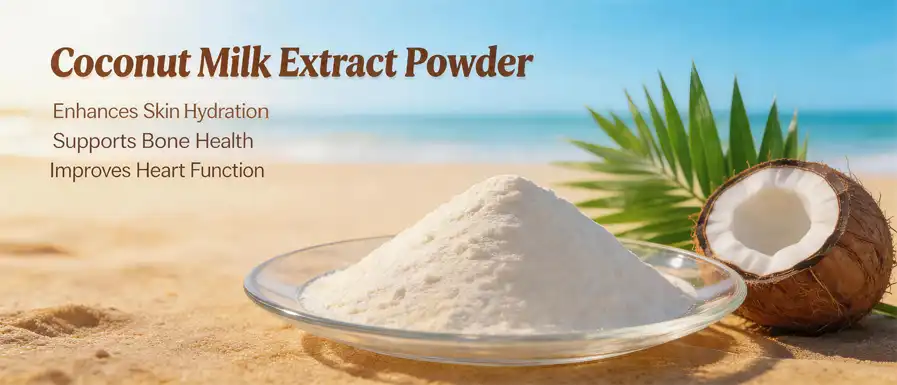
Coconut milk extract powder is a clever spray-dried emulsion made from the endosperm of grown coconuts. The creamy white coconut milk is extracted from fresh coconut meat during the production process. The oil phase is then protected during drying by using advanced encapsulation methods with carriers such as maltodextrin or acacia gum. This makes a powder that is free-flowing and contains 98% active coconut oil solids. It has the same smell and feel as watery coconut milk, but no water activity, which breaks it down quickly. The way the powder is made gives it a lot of nutritional value. It has between 60 and 70% pure coconut oil, mostly medium-chain fatty acids like lauric acid, capric acid, and caprylic acid. These MCTs are broken down differently from long-chain fatty acids, so they give you quick energy without the cholesterol. It also has B-complex vitamins, important minerals like magnesium and potassium, and veggie proteins. Because it doesn't contain lactose or dairy, it can be used in veggie recipes and goods for people who can't handle lactose.
Nutritional Density That Delivers Performance
From a functional point of view, medium-chain lipids are what make the powder unique. In comparison to other fats, MCTs are easier to digest and absorb, according to research. This makes them very useful in ketogenic recipes and sports nutrition products. For about 45 to 50 percent of the total fat content, there is lauric acid. This acid is a natural functional component that contributes to product stability by changing into monolaurin in the body. The mineral content fills in some formulation holes in plant-Coconut milk extract powder goods. Potassium helps keep the balance of electrolytes in sports drinks, and magnesium helps muscles work and the body uses energy. It has a cholesterol-free fat composition, which meets the demand of clean-label food formulations Vitamin E protects against free radicals, which makes products more stable while they're being stored and extends the shelf life of finished goods.
Broad Application Across Multiple Industries
The powder is used by food companies to make quick drink mixes, non-dairy creamers, and ready-to-mix curry bases that need to taste like real coconut. The powder's great reconstitution qualities let it break down quickly in both hot and cold situations, making emulsions that are smooth and uniform without sticking. The powder can be used in baking because it can add fat solids without adding water, which would activate gluten too early or create bacterial risks in goods that can stay out in the open air. The moisturizing and emulsifying qualities are important to people who make personal care and makeup. Lotions, creams, and hair care items with a natural fatty acid profile can condition the face. Compared to messy liquid ingredients, powdered ingredients are easier to handle in factory settings.
Production and Quality Insights: How Is Coconut Milk Extract Powder Made?
Advanced Manufacturing Technology Ensures Consistency
Mechanical separation of the thick emulsion from fresh coconut meat is the first step in the production process. Manufacturers filter this liquid and concentrate it through vacuum evaporation to achieve the target solid content, which is usually between 30% and 40%. This makes sure that the solids are evenly distributed during drying. During the reduction step, impurities that can't be dissolved are also removed. These impurities could lower the quality of the powder or clog spray tubes in later stages of processing. The normal way to make high-quality powder in the business is to use spray-drying technology. The concentrated liquid mixes with carefully chosen containers and drying aids that make the powder easier to dissolve and keep it from sticking together while it's being stored. This blend is sent to atomizers, which break it up into drops the size of molecules. When these drops come in touch with filtered hot air that is 150 to 220°C, the surface moisture evaporates very quickly, in just seconds.
Quality Checks at Every Stage of Production
Controlling the temperature during cooling is still very important to protect nutrients that are sensitive to heat and stop oil from going rancid. Keeping the exhaust temperatures between 80°C and 100°C ensures that the MCTs and aromatic compounds dry completely without getting damaged by heat. Cyclone separators and other gas-solid separation systems work well to get rid of wet air while collecting the dry powder. After drying, the particles are quickly cooled through fluidized bed systems to keep them from sticking together. Next, they are sorted by size on a vibrating screen to get a regular spread of 100–120 mesh particles. This improvement in particle size ensures that the mixture flows easily through automatic dosing equipment and spreads evenly in finished products. Before it is packed in 25 kg drums with nitrogen-flushed aluminum foil bags, the powder goes through a lot of tests to make sure it is stable in terms of pH, moisture content, microbial limits, fat content.
Storage and Packaging Solutions for Bulk Procurement
Powder quality must be maintained throughout the supply chain by using the right packing. The nitrogen gas inside the package keeps food from going bad during storage and transport. Barriers made of aluminum foil keep out light and wetness, both of which can lower the nutritional value and taste qualities of food. The unopened powder maintains good quality for 18 to 24 months when kept in a controlled environment below 25°C with a relative humidity below 60%. When a company exports to North America, its purchasing managers should make sure that its sellers follow Good Manufacturing Practices and obtain valid certifications and registrations including ISO 22000, HACCP plan implementation and FDA registration. Third-party testing permits for microbiological safety, heavy metals, and pesticide residues give extra confidence that international standards are met. Traceability systems that keep track of each batch from where the raw materials, coconut milk extract powder, come from to how they are packaged at the end allow for quick action if quality problems arise.

Comparing Coconut Milk Extract Powder with Other Coconut Products
Functional Differences That Impact Formulation Decisions
In terms of both usefulness and cost, Coconut milk extract powder is completely different from liquid coconut milk. When you store liquid forms in the fridge, they only last 24 to 48 hours after being opened. With powder forms, you don't have to worry about any of these issues. Shipping weight is cut by more than 80% with the dry powder, which makes foreign purchasing much cheaper. Powder gets rid of the phase separation and "creaming" issues that come with liquid emulsions, which makes the stability of the formula better.
Organic Versus Conventional: Quality and Cost Analysis
The fat content of coconut cream powder is 50% to 70%, higher than that of coconut milk powder This makes it better for use in rich desserts that need a strong coconut taste and a thick texture. Even though coconut oil powder has pure lipids, it doesn't have the milk taste or protein content that whole milk powders do. Coconut water powder is used for very different things than creamy texture and rich taste. It is used to boost electrolytes and keep athletes hydrated. It takes more work and costs more to get organic approval, but it opens up new high-end markets. Organic coconut milk extract powder costs 30–50% more than regular goods. This is because it costs more to grow organic coconuts, have them certified by a third party, and use separate processing methods that keep the milk from getting contaminated. Organic certification is no longer a nice-to-have for brands that want to place their goods in natural health channels or target specific groups of people. It's now an important part of their marketing.
Selecting the Right Product for Your Application
When bought from reputable companies with strong quality control systems, regular goods have the same nutritional values and functional performance. Instead of changes in nutrition, the main differences are testing standards for pesticide residues and records of farming methods. When choosing between organic and standard specifications, procurement decisions should take into account the needs of the target market, how sensitive the buyer is to price, and the rules and regulations in the countries where the goods will be sent. Standard coconut milk extract powder with neutral pH and good solubility is best for people who are making instant coffee creamers. Companies that are making premium ice cream or frozen dessert bases might like higher-fat versions of coconut cream powder that give their products a fuller feel. Supplement businesses making MCT-focused goods could pick either coconut oil powder, which has the highest concentration of lipids, or whole milk powder, which has more nutrients, like minerals and proteins.
Commercial Procurement Considerations for B2B Buyers
Pricing Structures and Volume Economics
Depending on where it comes from, whether it is certified, and how much you order, Coconut milk extract powder prices can vary greatly. For conventional products in container sizes, bulk FOB prices range from $8 to $15 per kilogram. For organic approved products, bulk prices range from $12 to 22 per kilogram. Products from the Philippines, Indonesia, Thailand, and Vietnam have different cost-quality levels because of where they come from. Chinese companies have put a lot of money into spray-drying technology and now offer reasonable prices and higher quality standards that are on par with those in traditional coconut-producing areas. When you make a volume promise, you can get better payment terms and prices. Suppliers usually give better prices for orders that are bigger than 5,000 kilograms or full container loads. Long-term supply deals with volume promises every three months or once a year make buying more stable and protect against changes in the prices of commodities.
Evaluating Supplier Credibility and Capabilities
When choosing a provider, doing your research is important to avoid quality problems and supply interruptions. Verification should include certifications for the production plant that are relevant to the places it will be sold in, such as FDA registration for sales in the US, BRC or IFS certification for buyers in Europe, and import permits that are specific to each country. Third-party audit reports from companies like SGS or Intertek are a reliable way to check the quality of production and management systems. A production capacity review makes sure that your sellers can grow with your business without lowering the quality of their work. Asking about daily output capacity, the number of spray-drying towers, and methods for getting raw materials shows if producers have the right infrastructure. Checking references with current clients in related fields gives you real-life information about how reliable delivery is, how quickly technical help responds, and how well the company can solve problems when they come up. Being able to test things is a very important part of keeping quality high.
Logistics and Lead Time Planning
To buy things internationally, you need to know about Incoterms, standard lead times, and how to clear customs. FOB (Free On Board) rules mean that sellers are responsible for foreign shipping and insurance. This can help keep costs down, but it requires knowledge of how to handle operations. Cost, Insurance, and Freight (CIF) words make buying easier, but shipping services may have a markup. DDP (Delivered Duty Paid) terms are the most convenient, but they usually cost more. When shipping goods by water from Asia to places in North America or Europe, the lead time from order confirmation to delivery is usually between 4 and 6 weeks. This time includes production time, quality testing, and transit. Air freight cuts arrival times to one to two weeks, but it costs a lot more, so it's only good for sending samples or pressing supplies. Supply chain breakdowns can be less of a problem if you build safety stock gaps and use demand forecasting tools.
Top Reasons Why Coconut Milk Extract Powder Is Gaining Popularity Today
Market Trends Driving Demand Growth
People's tastes have changed a lot in favor of plant-based Coconut milk extract powder options in all types of food, drinks, and supplements. According to 2024-2025 market data, the global plant-based food market grows at a rate of about 11% annually, with dairy alternatives making up a big part of that. This Coconut milk extract powder solves the problem of making creamy textures and pleasant mouthfeel without using ingredients that come from animals. This makes it necessary for companies that want to make vegan and veggie products. Concerns about allergens drive acceptance across a wide range of customer groups. Unlike options made from soy, which can cause food allergies, products made from coconut usually cause very few allergies. This makes the powder a good choice for clean-label products aimed at parents buying products for their kids, people who are sensitive to many foods, and places that need allergen-controlled ingredient lists. The naturally gluten-free and dairy-free profile makes marketing and labeling claims easier to make in line with regulations.
Functional Advantages That Solve Real Problems
The longer shelf stability solves a major problem in the Coconut milk extract powder food production process. Because lipase enzymes are active, liquid coconut milk goes bad within 24 hours. This makes stocking management hard and wastes food. Spray-drying lowers the water activity to below 3%, which stops enzymes from breaking down the food and microbes from growing. This makes it last 18 to 24 months longer. Because of this steadiness, producers can keep a good amount of safety stock on hand without worrying about losing money or quality because ingredients have gone bad. Compared to dealing with liquids, processing is much more efficient. The powder format gets rid of the need for pumping equipment for thick liquids, cuts down on the time needed to clean between production runs, and stops germs from growing on processing equipment. Automated dosing systems are better at handling free-flowing powders than liquids, which makes batches more consistent and cuts down on human work. Because the format is more concentrated, there is less warehouse space needed per unit of useful ingredient. This makes better use of the building.
Economic Benefits and Supply Chain Resilience
Cutting down on transportation costs is a strong business benefit. It doesn't make financial sense to ship water across seas when it can be rehydrated at the use site. When compared to canned liquid coconut milk, the powder version saves over 80% on freight costs because it doesn't contain any water. For companies with small profit margins or that sell to price-conscious customers, this estimate is especially important because the cost of the ingredients directly affects their place in the market. Recently, world problems have made supply chain robustness more important. Long-lasting ingredients that need to be stored at room temperature create extra space in case of delays in shipping, crowded ports, or short-term source shortages. The powder format lets you strategically build up your inventory without having to spend money on cooling equipment or worry about products going bad before their expiration dates, which would force you to sell them early or change the way they're made.
Conclusion
Coconut milk extract powder has become an important ingredient for modern makers who want to meet customer demands for plant-based, allergen-free, and nutritionally dense goods. Its one-of-a-kind mix of real coconut taste, useful versatility, long-lasting stability, and economic benefits solves important problems in the food, supplement, personal care, and beverage industries. Knowing the production method, quality standards, and buying factors helps you make smart choices about where to buy things that improve both the performance of the product and the efficiency of the supply chain. As long as market trends continue to support clean-label, dairy-alternative formulations, this ingredient will only become more popular. This means that strategic supplier relationships and technical knowledge will become more important for getting ahead in global markets.
FAQ
1. Is coconut milk extract powder suitable for completely vegan product lines?
Of course. As the powder only has ingredients that come from plants and no animal products, it can be labeled and certified as vegan. In the production process, only botanical sources are used. If they come from sellers who follow the right segregation rules, there are no risks of cross-contamination with ingredients that come from animals.
2. What storage conditions maintain optimal quality during long-term inventory holding?
Keep packages that are sealed in cool, dry places that are below 25°C and have a relative humidity of less than 60%. Once opened, use moisture-proof ways to seal goods again right away, and use within 3 months. Using nitrogen to flush before resealing helps keep the quality longer. Keep powder out of direct sunlight and away from strong smells that it might pick up.
3. Which certifications should procurement teams verify when selecting suppliers for international markets?
Some of the most important certificates are ISO 22000 for managing food safety, HACCP implementation, and FDA facility registration for exports from the US. Buyers in Europe should check that the food is certified by BRC or IFS. Organic claims need to be backed up by USDA Organic, EU Organic, or a similar area approval. Certifications like Halal and Kosher are important for some markets and regions.

Partner with BioSpark for Premium Coconut Milk Extract Powder Manufacturing
BioSpark (Xi'an) Biotechnology Co., Ltd. makes high-quality Coconut milk extract powder that meets the strict requirements of health supplement brands and nutrition companies around the world. Our advanced spray-drying technology keeps the natural coconut smell and nutritional value while also making sure that the product is very easy to dissolve and stays fresh for a long time. As a producer with a lot of experience making coconut milk extract powder, we offer full OEM and ODM services, from formulating to packaging the end product. We can handle both small-batch customization and large-scale production needs.
Our factory has strict quality control systems that make it possible to track everything from where the raw materials come from to where the finished products are delivered. We keep our foreign licenses up to date and test every batch thoroughly to make sure it is safe, pure, and consistent. Our technical team provides adaptable and effective solutions that meet the needs of your market, whether you need custom nutrition formulas, particle sizes that are just right, or packaging that fits your needs. Get in touch with us at sales@biosparkcn.com to talk about your needs for a coconut milk extract powder source and find out how our knowledge can help you improve your product development and supply chain stability.
References
1. Dayrit, F.M. (2015). "The Properties of Lauric Acid and Their Significance in Coconut Oil." Journal of the American Oil Chemists' Society, 92(1), 1-15.
2. Marina, A.M., Che Man, Y.B., & Amin, I. (2009). "Coconut Milk: Chemistry and Nutrition." International Food Research Journal, 16(1), 1-10.
3. St-Onge, M.P. & Jones, P.J. (2002). "Physiological Effects of Medium-Chain Triglycerides: Potential Agents in the Prevention of Obesity." Journal of Nutrition, 132(3), 329-332.
4. Prades, A., Dornier, M., Diop, N., & Pain, J.P. (2012). "Coconut Water Uses, Composition and Properties: A Review." Fruits, 67(2), 87-107.
5. Gunstone, F.D. (2011). "Vegetable Oils in Food Technology: Composition, Properties and Uses." Wiley-Blackwell, Oxford, UK, Second Edition.
6. Tan, T.C., CEO, L.H., Bhat, R., Rusul, G., & Easa, A.M. (2014). "Composition, Physicochemical Properties and Thermal Inactivation Kinetics of Polyphenol Oxidase in Coconut Water." Journal of the Science of Food and Agriculture, 94(12), 2490-2496.

Send Inquiry
Related Industry Knowledge
- Is Hydrolyzed Rice Extract Good for Acne-Prone Skin?
- Is Echinacea Extract Powder the Best Immune Herbal Extract?
- Best Tongkat Ali Extract Powder vs Capsules: Which Better?
- Coconut Milk Extract Powder: Key Nutritional Benefits
- Cistanche Extract Powder: Key Benefits and Uses Explained
- Rosa Roxburghii Extract for Functional Nutrition Trends
- Inositol Pearl Extract for Mood and Emotional Support
- Does Kacip Fatimah Extract Improve Menstrual Comfort?
- Can Hydrolyzed Rice Extract Improve Skin Hydration?
- What Are the Key Benefits of Tanshinone Danshen Extract?