Why Are More Consumers Choosing Liposomal Silymarin?
Oct 17, 2026
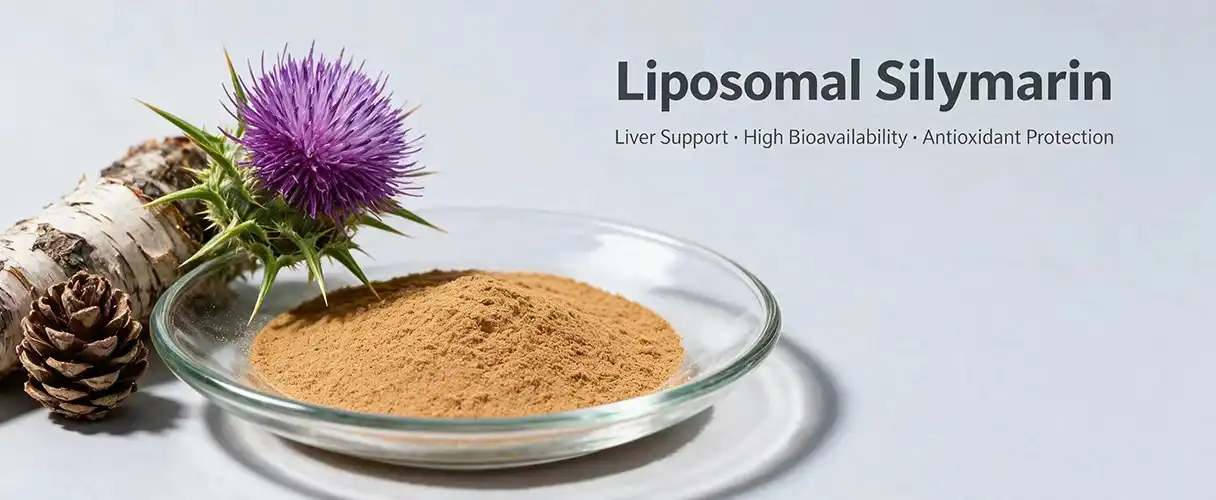
More consumers are turning to liposomal silymarin because it solves a problem that standard milk thistle extracts never could—poor absorption. Traditional silymarin supplements lose much of their potency before reaching the bloodstream. By wrapping the active silybin compound inside a phospholipid bilayer, liposomal silymarin achieves absorption rates 5 to 8 times higher than conventional preparations. That measurable difference drives real results in liver protection, antioxidant defense, and overall wellness. For brands and distributors, this science-backed advantage makes liposomal silymarin one of the most compelling ingredients in the current supplement market.
Understanding Liposomal Silymarin: What Makes It Different?
The Problem With Standard Silymarin
For a very long time, people have used silymarin, which comes from the milk thistle plant Silybum marianum, to boost their liver health. On the other hand, silymarin powder doesn't mix well with water and doesn't dissolve when you swallow it. Research has shown that liver cells, called hepatocytes, don't get enough silymarin extract to be therapeutic. This is true even for high-quality 80% standardized powders. That's because the digestive system breaks down a lot of the substance before the body can use it.
How Liposomal Encapsulation Works
It's the same stuff that your cells' walls are made of. Liposomes are round objects made up of two layers of phospholipids. Because of the lipid shell, the active molecules inside a liposome can be near stomach acid and enzymes that break them down without getting hurt. The form then makes it easier for silybin to pass through the epithelium of the gastric tract without being actively moved. This makes it possible for a lot more silymarin to get into the bloodstream. What comes out of it is a clean-label ingredient that works better than regular extracts and dissolves in water.
Liposomal Silymarin Powder vs. Conventional Forms
Liposomal silymarin powder is good for more than just ingestion. The Area Under the Curve (AUC) for silybin is 5 to 8 times bigger than for regular 80% silymarin. This is found by looking into how drugs work in the body. When sugar is mixed with water, it doesn't have to settle to the bottom. This is great for companies that make healthy drinks. Keep it below 25°C in a package that keeps air and light out for 24 months to keep it fresh. Because of this, it is a stable part of supply lines all over the world.
Key Benefits Driving Consumer Preference for Liposomal Silymarin
Superior Bioavailability With Measurable Evidence
Liposomal silymarin is liked by both consumers and brands because it works. A study in the journal Phytotherapy Research confirmed that phospholipid-complexed silybin creates much higher plasma concentrations than free silymarin. Higher plasma levels mean that the benefits that protect the liver start faster, that the antioxidants work better against free radicals, and that end users get more reliable clinical results. Customers are more likely to leave good reviews and buy more when they get these perks.
Liver Protection and Detoxification Support
Its main job is to shield the liver. It cuts down on harmful stress in liver cells, helps damaged hepatocytes grow back, and aids the body in getting rid of waste. The liposomal form makes sure that the liver gets the right amount, so all of these effects are stronger. Silymarin may also help people who have fatty liver disease or are getting better after drinking. This is why liposomal silymarin powder is great for use in high-end detox and metabolic health products.
Broad Wellness Applications Beyond the Liver
People are interested in liposomal silymarin for more than just liver health. Researchers have found that it can help with inflammation, the immune system, high blood sugar, skin damage from UV light, and making insulin work better. Because it can do more than one thing, liposomal silymarin can be used in as many health areas as possible. Like, they could put it in supplements to help keep the liver healthy or the skin healthy. Now they can make more things without changing the main thing they use.
Comparing Liposomal Silymarin to Other Liver Supplement Solutions
Liposomal Silymarin vs. Standard Milk Thistle Capsules
Most of the milk thistle pills on the market are still good, but liposomal silymarin always works better. Because silybin doesn't like water, it's hard for the body to take in a dry powder pill. It doesn't happen at all when liposomes are used. People can take their supplements more easily when they mix liposomal silymarin powder into shots and liquid supplements that work. Plus, it doesn't taste as bitter as a lot of plant-based foods do.
Performance Relative to Other Liver Ingredients
The things that buyers look for in liver supplements are N-acetyl cysteine, artichoke extract, and phosphatidylcholine complexes. When people look at these ingredients side by side, liposomal silymarin always has the most clinical evidence per dose given. It is safe and works as both an antioxidant and a hepatoprotectant, so it is great for mixing into recipes. In high-quality liposomal silymarin powder, natural phospholipids are used instead of man-made lubricants. Clean labels on foods are what people who care about their health look for.
What the Market Is Saying
Those who sell liposomal silymarin products in Europe and North America have shown that they make more money and keep customers longer. People liked brands' products more and bought them more often after they switched from regular milk thistle extracts to liposomal silymarin. People who buy from other businesses should pay attention to this market signal as they try to figure out which ingredient for liver health will give them the best long-term return on their money.
Procurement Insights: Sourcing High-Quality Liposomal Silymarin for Your Business
Key Quality Certifications to Require
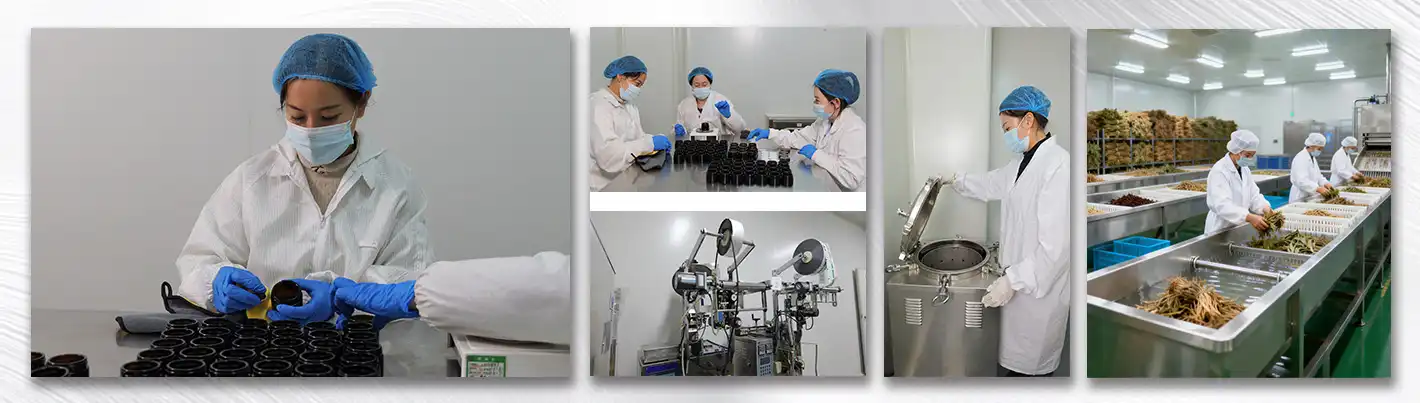
There is some bad liposomal silymarin powder out there. If a business wants to sell liposomal silymarin, they should demand batch-specific Certificates of Analysis (COA), proof that the phospholipid sources are non-GMO (sunflower or soy lecithin), and proof that no man-made cleansers or polysorbates are used. For goods to go into controlled markets like the US, they must be made in GMP-certified factories that can show proof that they were tested by a third party.
Pricing, MOQ, and Bulk Considerations
The price of liposomal silymarin powder changes based on the amount of silybin, the phospholipid ratio, and the size of the order. When you buy a lot of it, the price per kilogram often goes down. For new brands, it's best to work with suppliers who let them test recipes in small amounts before making a lot of them. When well-known wholesalers buy a lot, they should negotiate stable prices that are tied to dates of supply. It will stay stable this way, even if demand changes with the seasons.
Logistics and Compliance for International Orders
Liposomal silymarin that is sold or taken into the U.S. or Europe needs to have the right papers, like the product specs, COA, and proof of where it came from, in order to get through customs and follow the rules. Conditions for keeping must be maintained (below 25°C, out of light, and dry) while it is being shipped. Once you work with makers who have exported before and set up shipping partnerships, there is a lower chance that packages will be late or that goods will get damaged on the way to another country.
Why Liposomal Silymarin Is Becoming the Preferred Choice in the B2B Market
OEM and Private Label Opportunities
Liposomal silymarin is a high-quality ingredient, making it ideal for private label and OEM goods. If you add liposomal technology to the boxes, liver health items will stand out. If someone knows what's in it, they will believe this story. Because powder and liquid liposomal silymarin formulations can be made, brands can make a wider range of products, including pills, packs, functional drinks, and health shots.
Growing Market Demand and Investment Signals
Liver health supplements are slowly becoming more well-known. This is because more people know about metabolic liver diseases and how to clean their livers. They also care more about the quality of the ingredients. One area of nutraceuticals that is growing the fastest is the use of liposomes for delivery. Companies that put money into liposomal silymarin now will be ahead of the market when it comes time to sell. The reason for this is that there is a lot of good clinical literature and people are smarter now.
Scalability for Brands at Any Stage
People forget that production increase can be useful a lot of the time. A good liposomal silymarin company should be able to handle both a test batch of 5 kg and a business run of several hundred kg. This is a cheap way for new businesses to test the market. It also helps well-known brands grow quickly when sales go up. When you work with a maker, it's best to find one that can handle both big and small jobs.
Conclusion
Making liposomal silymarin is a big step forward for nutrients that help the liver. The fact that bioavailability issues with regular silymarin have been around for a long time has been fixed by its phospholipid packaging technology. Liposomal silymarin is a good ingredient for B2B buyers who are either making a new product line or growing an existing one. This is because of how well it works scientifically and how well customers react to it. Get liposomal silymarin from a business that has strict quality controls, can produce in a variety of ways, and delivers on time. The next step in making a good product is to do this.
FAQ
Does liposomal silymarin have a higher risk of side effects than standard silymarin?
No. Liposomal silymarin maintains the same favorable safety profile as conventional silymarin. Clinical studies report minimal adverse effects at recommended doses. The liposomal format does not introduce new chemical compounds—it simply changes the delivery mechanism. Its clean-label composition, using natural phospholipids without synthetic additives, makes it appropriate for sensitive populations as well.
How does liposomal silymarin powder perform in liquid formulations?
It disperses evenly in liquid without sedimentation, unlike hydrophobic standard silymarin powder. This property makes it well-suited for functional beverages and supplement shots. To preserve the phospholipid bilayer structure, avoid mixing with liquids above 60°C.
What certifications should I request when sourcing liposomal silymarin?
Request a batch-specific COA, GMP certification for the manufacturing facility, non-GMO status verification for the phospholipid source, and third-party testing results confirming purity and silybin concentration. For the U.S. market, FDA facility registration is an additional compliance marker worth verifying.
What is the standard shelf life for liposomal silymarin powder?
Stored below 25°C in original airtight packaging, protected from light, liposomal silymarin powder is stable for 24 months.
Partner With BioSpark for Premium Liposomal Silymarin Supply
You can get approved liposomal silymarin powder from BioSpark (Xi'an) Biotechnology Co., Ltd. They also help make goods, pack them, and send them all over the world as an OEM or ODM service. With our team, you can be sure that your order will be done on time and to your satisfaction, no matter how big or small it is. Email leao@biosparkcn.com to get a sample or price quote from a reliable company that makes liposomal silymarin.
References
1. Loguercio, C., & Festi, D. (2011). Silybin and the liver: From basic research to clinical practice. World Journal of Gastroenterology.
2. Gazak, R., Walterova, D., & Kren, V. (2007). Silybin and silymarin—New and emerging applications in medicine. Current Medicinal Chemistry.
3. Bijak, M. (2017). Silybin, a major bioactive component of milk thistle: An overview of its protective effects. Molecules.
4. Kidd, P., & Head, K. (2005). A review of the bioavailability and clinical efficacy of milk thistle phytosome. Alternative Medicine Review.
5. Pradhan, S. C., & Girish, C. (2006). Hepatoprotective herbal drug, silymarin from experimental pharmacology to clinical medicine. Indian Journal of Medical Research.
6. Abenavoli, L., Capasso, R., Milic, N., & Capasso, F. (2010). Milk thistle in liver diseases: Past, present, future. Phytotherapy Research.

Send Inquiry

Related Industry Knowledge
- Best Liposomal Zinc Glycinate: What Should You Look For?
- Can small molecule peptide from fish maw Boost Collagen?
- How to Choose High-Quality Damiana Peptide?
- Blackberry Fruit Powder vs Fresh Berries: Which Is Better?
- Cowpea powder Factory Direct Supply with Custom Packaging
- How to Find a Reliable Purple Cabbage Powder Supplier?
- Is nature artichoke extract effective for cholesterol management?
- Why Are Brands Adding Barley Sprout Flour to Recipes?
- Rosa Roxburghii Tratt Extract Benefits for Antioxidant Support
- How Does Pure Corn Extract Powder Support Antioxidant Defense?