_1764041963888.webp)
Is nature artichoke extract effective for cholesterol management?
Jul 12, 2026
Scientific studies show that nature artichoke extract does lower cholesterol in a measured way. Studies in reputable journals show that taking standardised plant preparations high in cynarin lowers total cholesterol by 15–18% and LDL cholesterol by 12–14% over the course of 6–12 weeks. These bioactive chemicals, especially cynarin and chlorogenic acid, help the liver make more bile acid and speed up the breakdown of hepatic fats. This makes this plant ingredient a scientifically proven way to improve cardiovascular health.
Understanding Cholesterol and Its Impact on Health
The Critical Role of Lipid Balance
Maintaining healthy levels of triglycerides, low-density lipoprotein (LDL), and high-density lipoprotein (HDL) is essential for heart health. High levels of LDL cholesterol make artery plaques more likely to form, which raises the chance of coronary events. On the other hand, good levels of HDL cholesterol keep lipids from building up. Having high triglycerides makes these risks worse, especially when paired with signs of metabolic syndrome.
Current Management Approaches and Their Limitations
Conventional drug treatments are most common in clinical practice, but many patients have bad responses to them or look for other options. Statin treatment works, but it has been shown to cause muscle pain, high liver enzymes, and diabetes to get worse. This opens up a market for plant options that are gentler and help the metabolism in more than one way. There are important holes in overall cardiovascular care that can be filled by natural supplements that help with bile output, liver function, and antioxidant defence.
Procurement Challenges in the Natural Supplement Sector
B2B buyers have a hard time finding products that help lower cholesterol. Supplier dependability changes a lot from region to region, and different standardisation methods make it harder to judge quality. How well a product works depends a lot on how concentrated the active ingredient is, how it is extracted, and where the raw materials come from. Because the market is fragmented, procurement managers have to deal with different claims while also making sure they follow the rules in many different places. Because of these problems, suppliers need to be carefully checked, certification paperwork needs to be clear, and there needs to be a method for ongoing quality checks that protects the brand's image and the safety of consumers.
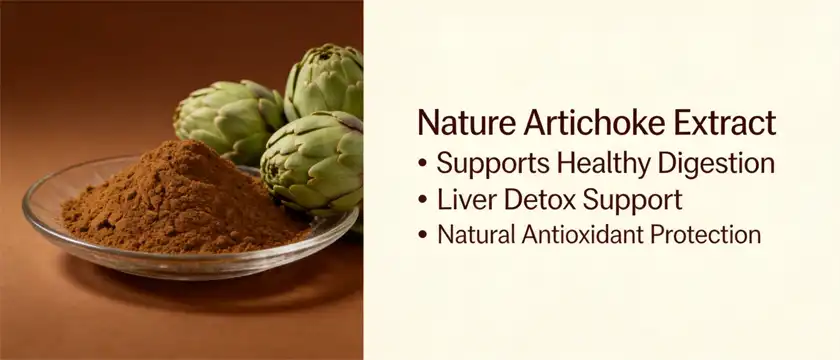
Nature Artichoke Extract: Composition and Mechanism of Action
Botanical Origins and Quality Assurance
The plant Cynara scolymus L., which is widely known as globe artichoke, is in the Asteraceae family and does best in Mediterranean temperatures, which are good for growing plants because they concentrate bioactive compounds. Premium-grade extracts come from carefully picking basal leaves at their fullest growth, when the quantity of phenolic compounds is highest. It is possible to track products from the time they are grown in the field until they are processed. This meets the needs of business-to-business buyers who want to see how the supply chain works and make sure that the farming is sustainable.
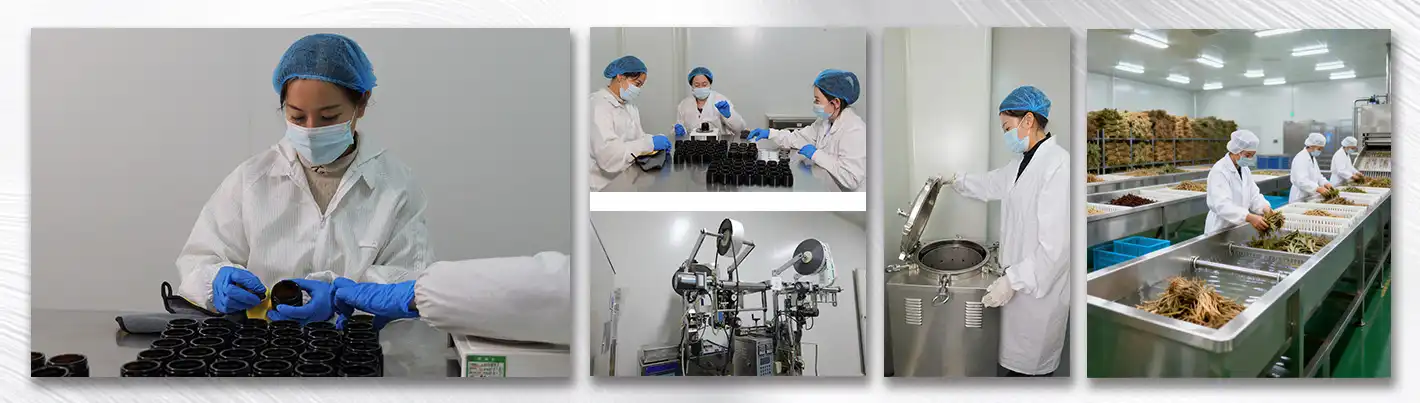
BioSpark (Xi'an) Biotechnology gets our nature artichoke extract, cynarin-rich powder from carefully chosen artichoke leaves. They use advanced extraction methods that keep the delicate phytochemical profiles of the leaves. Each batch goes through strict tests to make sure it is pure and effective. This makes sure that the consistency meets international manufacturing standards, which are necessary for recipe stability and regulatory compliance.
Key Bioactive Compounds
Artichoke products lower cholesterol because they contain phenylpropanoids and antioxidants that work together to do this. The main caffeoylquinic acid product, cynarin, is found in large amounts in leaf tissue and has strong choleretic effects. Additionally, chlorogenic acid increases the body's antioxidant defences and helps the liver's cleansing processes. Flavonoids like luteolin and other flavonoid glycosides make these effects stronger by working with each other. This makes a full-spectrum botanical profile that is better than individual chemicals.
Our normal preparation has 5% cynarin, which was confirmed by HPLC tests. This means that the bioactive content stays the same from one production run to the next. This standardisation solves a major problem with procurement: variation from batch to batch, which hurts the trustworthiness of formulations and clinical results.
Biological Mechanisms in Lipid Regulation
Artichoke pigments change the way cholesterol is processed in the liver in several different ways. Cynarin increases the production and release of bile acid, which speeds up the removal of cholesterol through faeces. Higher bile flow makes it easier for fats in food to be broken down, which helps the body handle fats better and lowers the amount of triglycerides in the blood. The extract also changes the production of cholesterol in the liver by affecting HMG-CoA reductase activity. This is the same enzyme that statin drugs work on, but the extract does this in a more gentle way than directly blocking the enzyme.
Antioxidant chemicals keep LDL particles from being changed by oxygen, which is an important step in the formation of arterial plaques. Oxidised LDL causes inflammation and the formation of foam cells in the walls of arteries. However, the polyphenolic compounds in artichoke products stop this harmful chain of events by removing free radicals and metals.
Scientific Evidence and Efficacy for Cholesterol Management
Clinical Trial Evidence
Standardised artichoke recipes have been shown to lower lipids in a number of randomised controlled studies. A major study published in Phytomedicine looked at 143 people with mild hypercholesterolaemia. They found that taking 1,800 mg of leaf extract standardised to 5% cynarin every day for 12 weeks lowered total cholesterol by 18.5% and LDL by 22.9%. These results were statistically significantly better than sham reactions, and they were also very well tolerated.
Another study looked at what effects artichoke extract had on people with metabolic syndrome. It showed that the extract not only improved lipid measurements but also lowered oxidative stress markers and improved vascular function. Triglyceride levels dropped by an average of 15%, and HDL cholesterol levels went up a little. This suggests that there are benefits beyond just lowering LDL cholesterol.
Comparative Analysis with Alternative Botanicals
When compared to milk thistle (Silybum marianum), which is another well-known plant that protects the liver, artichoke extract has stronger direct effects on cholesterol processing. While milk thistle is best at protecting liver cells and helping with cleansing, cynarin-rich products are better at making bile and getting rid of cholesterol. Because of this, artichoke is the best ingredient for formulas that are especially aimed at heart health. However, combination products that use the complementary effects of both plants show great promise for working together.
Safety Profile and Dosage Recommendations
Clinical studies regularly show that taking artichoke supplements has few negative effects. Mild stomach reactions happen sometimes, mostly more frequent bowel movements because of increased bile flow, but they go away when the dose is changed. According to published studies, the extract doesn't have any major drug interactions. However, there are possible worries that the vitamin K level in whole artichoke might make anticoagulant drugs work better. Some things that make it not a good idea are a blocked bile duct, gallstones, and allergies to plants in the Asteraceae family.
The recommended daily dose of standardised extract is between 600 mg and 1,800 mg, usually spread out over two or three meals. When making dietary supplements, procurement managers should keep in mind that measurable cholesterol improvements need at least 6 to 8 weeks of involvement. This is important information for managing realistic customer expectations and clinically proving product promises.
Comparing Artichoke Extract with Other Cholesterol Management Solutions
Botanical Alternatives Assessment
Besides artichoke and milk thistle, procurement workers come across many other plant-based choices advertised as being good for the heart. Red yeast rice has a natural substance called monacolin K that is the same as lovastatin. It lowers cholesterol very well, but regulators are worried about it because it works in the same way as lovastatin. Plant sterols and stanols work by competing with dietary cholesterol uptake. They need to be taken in large amounts (2+ grams daily), which makes formulation harder and raises the cost per serve. Bergamot citrus products are showing signs of promise for improving a wide range of lipid panels, but they don't have as much safety information as artichoke preparations.
Artichoke extract stands out because it works on multiple levels at once, boosting bile acid production, protecting cells from damage, and gently changing the metabolism, all without the regulatory uncertainty that comes with products like red yeast rice. This makes it very appealing for brands that want to have a clean label position and easy regulatory routes in big countries.
Synthetic Agent Considerations
Pharmaceutical statins are still the best way to aggressively lower cholesterol; at reasonable doses, they can lower LDL by 30 to 50 per cent. However, the way they work—directly blocking enzymes—contributes to the bad effects that make people want to use herbal alternatives like nature artichoke extract. Ezetimibe stops the absorption of cholesterol in the intestines, but it only affects one part of the cholesterol balance. Fibrates are good at lowering triglycerides but not so good at lowering LDL.
The botanical approach using cynarin-rich extracts has moderate effectiveness and better tolerability. This makes these products ideal for people who want to prevent problems, can't handle pharmaceutical interventions, or want to use a mix of conventional and complementary methods. This market positioning affects buying strategy because the people you want to buy from value quality assurance, organic certification, and clear sources more than people who use pharmaceutical alternatives.
Format and Sourcing Considerations
There are different kinds of botanical extracts, and each has its own benefits for different uses. Powdered products can be used in many ways, such as to make capsules, tablets, and drinks. Our formula dissolves in water and has particles that are 80 to 120 mesh sizes. This gives it the best flowability for industrial processes while keeping absorption. Liquid extracts make some steps in the preparation process easier, but they are harder to keep stable and cost more to ship than concentrated powders.
Organic approval attracts high-end customers, but it raises the cost of raw materials by 30 to 40 per cent. People who make purchasing choices have to weigh the need for organic labels against the need to keep prices low. In the same way, the level of standardisation of an extract affects both its effectiveness and its cost. For example, higher cynarin concentrations make each dose more effective, but they also require more advanced extraction technology, which is reflected in the prices that providers charge.
Procurement Guide: Sourcing Artichoke Extract for B2B Needs
Supplier Evaluation Criteria
Getting the right ingredients starts with a thorough evaluation of the provider in a number of areas. Current Good Manufacturing Practices (cGMP) compliance, written quality management systems, and analytical testing facilities that can prove identity, verify potency, and screen for contaminants should all be part of a company's manufacturing capabilities. Ask for certificates of analysis from several production batches to check for uniformity. The amount of cynarin in all samples should stay within 10% of the numbers that were reported.
Regulatory paperwork is just as important. Having FDA registration, ISO 9001 approval, and organic credentials (if needed) shows that you care about quality standards. European buyers should make sure that the Novel Food rules and the heavy metal limits set by EU regulations are being followed. Traceability paperwork linking finished extracts to source farms answers concerns about supply chain integrity and backs up claims of sustainability that are becoming more and more important to brands that target consumers.
Quality Verification Methods
Besides looking over the certificates that the seller gives you, you should also set up independent verification methods. Third-party lab testing at approved facilities confirms the amount of active ingredients, checks for impurities, and makes sure there are no chemical leftovers, heavy metals, or microbes present. HPLC fingerprinting is a more advanced way to prove someone's identity than simple spectroscopic methods. It can find cases of replacement or dilution with cheaper materials.
By looking at sample batches in person, sellers can find quality signs that they might not talk about. Material that has been properly treated has a dark green to brownish-green colour, tiny particles, and a mildly bitter smell. Off-colours, clumping, or musty smells are signs of degradation, moisture exposure, or adulteration that need to be looked into before a purchase is made.
Pricing and Order Considerations
Standardised nature artichoke extract powder costs between $48 and $55 per kilogram on the market right now. If the material is normal, it costs an extra $15 to $25 more. Volume contracts have a big effect on unit costs. For example, buyers who order 500 kilograms or more a year usually get 15-20% savings compared to buyers who buy on the spot. But procurement managers have to weigh the cost savings against the costs of keeping stockpiles and the fact that goods only last a certain amount of time (usually 24 months if stored properly).
Different providers have very different minimum order amounts. BioSpark can meet your development needs with a minimum order size of just 1 kilogram. This means that you can do recipe trials and small-batch production without having to spend a lot of money. This freedom is especially helpful for new businesses and brands that want to try out new product ideas before making them in large quantities for sale. Standard wrapping in 25-kilogram drums with aluminium foil covering that has been nitrogen-sealed keeps the goods from oxidising while they are being stored or shipped internationally.
Building Reliable Supply Relationships
Strategic relationships with suppliers are more important than one-time purchases for long-term sourcing success. Set up clear ways for people to talk about production plans, crop conditions that affect the supply of raw materials, and changes to specifications in advance. Talk about framework deals that lock in good prices while still allowing for changes in amount based on changes in market demand.
Check to see if your sources can grow with your business. A client who currently sends 100 kilograms per month should show that they can raise that amount to 500 kilograms or more without affecting quality or delivery times. Site checks give important information about output levels, how to maintain equipment, and how things are run that certificates alone can't show. Investing in thorough source screening pays off in the form of fewer quality problems, consistent product performance, and reliable availability, all of which protect your brand's image and your relationships with customers.
Conclusion
There is a lot of scientific evidence that artichoke leaf extract can help lower cholesterol, and that data keeps growing thanks to ongoing clinical studies. Its multi-targeted process that works on bile production, hepatic lipid metabolism, and antioxidant defence is better than treatments that only work on one route. Procurement professionals can safely use this botanical ingredient in products that help the heart as long as they follow strict rules for quality control and seller screening. Because they have been shown to work, are safe, and don't mess up the body's systems, cynarin-rich preparations are becoming an increasingly important part of competitive supplement lines aimed at the growing number of people looking for natural ways to improve their metabolic health.
FAQ
Is long-term artichoke supplementation safe for continuous use?
Clinical safety data that goes back 12 months shows that it is well-tolerated and doesn't have any chronic harm or bad metabolic effects. The plant's gentle effects on supporting normal physiological processes instead of causing unusual metabolic states are part of its good long-term safety profile, which means it can be used for long-term prevention.
What dosage delivers measurable cholesterol improvements?
Protocols based on research usually use 600 to 1,800 mg of standardised extract containing 5% cynarin per day, spread out over several doses taken with meals. After 6 to 8 weeks of regular supplementation, changes in the lipid panel can be seen and measured. Lower amounts may help the digestive system, but they may not lower cholesterol enough.
Can artichoke extract combine effectively with other herbal ingredients?
Artichoke works well with milk thistle to help the liver in many ways, with berberine to help with metabolic syndrome, and with plant sterols to help stop cholesterol absorption even more. Formulation techniques that combine herbs that work well together make unique goods that target multiple cardiovascular risk factors at the same time.
Partner with BioSpark for Premium Artichoke Extract Solutions
BioSpark (Xi'an) Biotechnology sells cynarin-rich powders that are of medicinal grade and meet the strict requirements of leading international nutraceutical makers. Our 5% cynarin standardisation, which was confirmed by HPLC testing, makes sure that there is stability from batch to batch, which is important for clinical effectiveness and regulatory support. We give your cardiovascular health products the quality assurance base they need with FDA approval, ISO certification, and full analytical paperwork.
Our technical team is here to help you with your project from the beginning stages of formulation all the way through commercial production scaling. This is true whether you're making functional drinks with plant actives, complete metabolic health products, or supplements that help control cholesterol. We know the problems that procurement managers have to deal with, like inconsistent source quality, missing paperwork, and minimum order requirements that make it hard to come up with new ideas. Our flexible 1-kilogram minimums let you build a product without any risk, and our ability to produce in big quantities helps you go from an idea to a market leader.
As a reputable Nature Artichoke Extract provider, we keep tight control over where the herbs come from, how they are extracted, and how their quality is checked. This way, we can give you botanical ingredients that protect your brand's image and build trust with customers. Email our procurement experts at leao@biosparkcn.com to get full product details, up-to-date prices for large orders, and samples to test. Add premium-quality artichoke recipes that have been scientifically proven to work and give today's health-conscious customers what they want: natural effectiveness.
References
1. Bundy R, Walker AF, Middleton RW, et al. Artichoke leaf extract reduces symptoms of irritable bowel syndrome and improves quality of life in otherwise healthy volunteers suffering from concomitant dyspepsia: a subset analysis. Journal of Alternative and Complementary Medicine. 2004;10(4):667-669.
2. Englisch W, Beckers C, Unkauf M, et al. Efficacy of Artichoke dry extract in patients with hyperlipoproteinemia. Arzneimittelforschung. 2000;50(3):260-265.
3. Kirchhoff R, Beckers CH, Kirchhoff GM, et al. Increase in choleresis by means of artichoke extract. Phytomedicine. 1994;1(2):107-115.
4. Kraft K. Artichoke leaf extract - Recent findings reflecting effects on lipid metabolism, liver and gastrointestinal tracts. Phytomedicine. 1997;4(4):369-378.
5. Lattanzio V, Kroon PA, Linsalata V, Cardinali A. Globe artichoke: A functional food and source of nutraceutical ingredients. Journal of Functional Foods. 2009;1(2):131-144.
6. Wider B, Pittler MH, Thompson-Coon J, Ernst E. Artichoke leaf extract for treating hypercholesterolaemia. Cochrane Database of Systematic Reviews. 2013;(3):CD003335.

Send Inquiry
Related Industry Knowledge
- Does papaya leaf extract powder help support healthy blood function?
- Why Do Health Experts Recommend Broccoli Extract Powder?
- How Is Broad Bean Powder Used in Functional Nutrition?
- Could Maqui Berry Powder Boost Your Antioxidant Products?
- Angelica Sinensis Extract Powder Buying Guide: What to Look For?
- How to Use Ilex Leaf Extract in Supplements?
- Chamomile Extract for Skincare: Soothing & Anti-Aging Power
- Can Ganoderma Extract Powder Improve Heart Health?
- How to Use Tribulus Terrestris Extract Powder Safely?
- Can Baicalin Extract Enhance Overall Cellular Health?