_1764041963888.webp)
Why Are Brands Adding Barley Sprout Flour to Recipes?
Jun 12, 2026
Barley sprout flour is being used by brands because it has a lot of health benefits, looks good on labels, and can be used in a variety of different ways. This ingredient comes from young, sprouted barley grains and has a mild bitter sweetness that improves the taste and texture of baked goods, drinks, and nutritional supplements. It also has a lot of protein and naturally occurring enzymes. Barley sprout flour meets regulatory requirements while fostering product innovation across a variety of categories, which is becoming increasingly important as customer demand changes toward whole-food ingredients with transparent sourcing.
Understanding Barley Sprout Flour: Nutritional and Health Benefits
What Is Barley Sprout Flour and How Is It Produced?
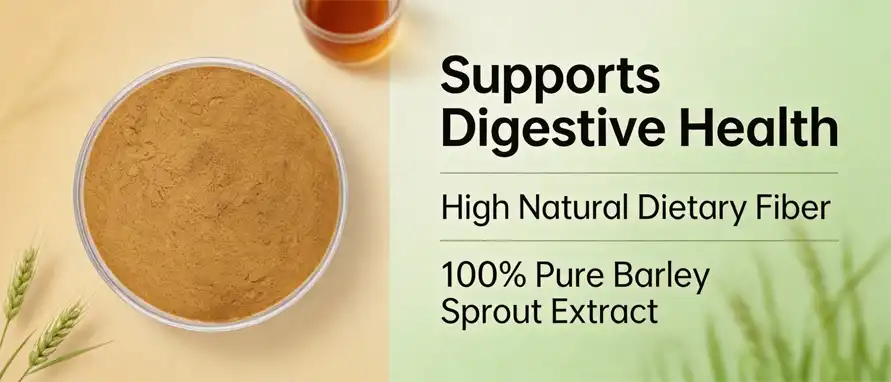
Barley sprout flour comes from carefully choosing barley grains and letting them germinate in a controlled way. As the grain sprouts, it wakes up enzymes that break down carbs into simpler sugars, mostly maltose, while also making more vitamins and minerals available to the body. The sprouts are gently dried and ground into a fine powder after they have sprouted. This keeps the enzymes working and the nutrients intact. This way of extracting plants makes sure that the finished product has the chlorophyll, B vitamins, iron, and antioxidants that make it different from regular barley flour. Advanced extraction methods are used to make our quality ingredient. We start with non-GMO barley that is gently extracted with water in tanks that can do more than one thing. This protects and activates important enzymes. To make sure it is pure, the extract goes through precise filter methods such as centrifugation, plate filtration, and membrane separation. Vacuum concentration at low temperatures protects active ingredients and sensitive taste molecules. The concentrated extract is turned into a fine powder by spray drying it at high temperatures. The powder is then sorted into particles and sieved until the particles are all the same size, which is between 80 and 120 mesh. This careful processing keeps the enzymes' ability to work while making the material very soluble and flowable.
Core Nutritional Profile and Health Benefits
Barley sprout flour is unique because it has a very high nutritional density. Our product has a 60% maltose content, which was proven by HPLC testing. It also has protein, dietary fiber, and naturally occurring enzymes that help keep your digestive system healthy. The high chlorophyll content helps the liver clean out toxins and repair cells. Polyphenols and antioxidants fight oxidative stress and keep the immune system working well. According to research, regular drinking helps keep blood sugar levels in check by slowing down the digestion of carbohydrates and lowering the glycemic response. The soluble fiber helps keep cholesterol levels in check and keeps your heart healthy. Minerals like iron, magnesium, and zinc help the body use energy and fight off illness. These health benefits are right in line with what people want these days, which is a functional diet and preventive fitness.
How It Compares to Traditional Barley Flour
Unlike regular barley flour, which is just ground grain, Barley sprout flour goes through a biological change that makes the nutrients more bioavailable and the flavors more complicated. Phytic acid and other antinutritional substances are reduced during the sprouting process, which makes it easier for minerals to be absorbed. Natural sweetness is created by enzymes without adding sugar, so recipes don't need as many extra sweets. The fine powder ranges in color from light yellow to light brown. It has a sweet malty smell that gives baked goods and drinks more depth. Because it dissolves easily in water and only slightly in ethanol, it can be used in a wide range of situations, from baby formula to useful drinks. Manufacturers can safely put this ingredient into goods that will be sold in other countries because it has been certified by ISO9001, Kosher, Halal, FDA, and GMP.
Why Brands Are Incorporating Barley Sprout Flour into Their Recipes
Market Trends Driving Ingredient Innovation
Whole-food products with well-known names and clear sources have become much more popular among consumers. Products with clean labels now get higher prices and more loyal customers. In response to this need, Barley sprout flour provides useful properties without using fake flavors or chemicals. Positioning as a superfood has become a key economic edge. Brands that want to set their products apart look for ingredients that have health benefits that can be measured and are backed up by nutritional science. Barley sprout flour's vitamin levels, enzyme content, and mineral density are all in line with health trends that focus on gut health, metabolic support, and natural energy boost.
Functional Advantages in Food Processing
Maltose-rich flour adds natural sweetness, helps baked goods keep their wetness, and makes them last longer. The active enzymes speed up the fermentation process, which gives bread and rolls better rise and crumb structure. Manufacturers say that the smoothness and browning properties of their products have gotten better, and that the goods now have golden crusts and a nice gloss. The ingredient works perfectly with the way things are already made. It doesn't clump in automatic mixing systems because the particles are very small and it flows very well. Solubility in water makes sure that the ingredients are spread out evenly in mixes and doughs, which gets rid of the problems that can come up with harder grain products.
Proven Applications Across Product Categories
Barley sprout flour has been successfully added to many product lines by well-known names. In the food industry, gourmet bread makers add it to sourdough and whole-grain recipes to make them taste better and be healthier. Manufacturers of energy bars use it to naturally bind the ingredients together and add protein and fiber. It is mixed into malted milk drinks, protein shakes, and functional health drinks. Its mild sweetness and malty notes go well with other tastes and don't overpower them. It is used by nutritional supplement companies in meal replacement drinks and gut health products because it contains enzymes that help the body absorb nutrients. In brewing, the maltose level is useful because it offers fermentable sugars for making beer and gives it a real malty flavor.

Practical Guide to Using Barley Sprout Flour in Food Production
Optimal Inclusion Rates and Substitution Strategies
When technical teams start making recipes with Barley sprout flour, they usually start with change rates of 5 to 15% of the total flour weight. This range adds a noticeable boost to taste and health benefits without drastically changing texture or cooking conditions. Higher inclusion rates, up to 25%, work well in goods that need a strong malty flavor. When changing the amount of sugar, product designers should take into account how naturally sweet the flour is. Depending on the application, the maltose level can cut the need for extra sugar by 10–20%. This helps sugar reduction efforts without affecting the taste. The ability to hold water is different from wheat flour, so changes may need to be made to the wetness to get the dough consistency you want.
Addressing Common Formulation Challenges
During the first practices, teams sometimes have to make small changes to the way they do things. The action of enzymes can change how dough handles, especially yeast-leavened goods. Most of the time, these problems can be fixed by changing the mixing times or fermentation temperatures. Non-diastatic forms, in which enzymes are turned off by heat treatment, work more reliably in situations where enzyme action is not needed. When making products for gluten-sensitive people, the amount of gluten must be taken into account. Even though sprouting may lower the amount of gluten in barley compared to barley that hasn't been sprouted, the item still has gluten and needs to be labeled correctly for allergens. When going after gluten-free customers, brands should think about using different products or look for sources that are confirmed to be gluten-free.
Sample Formulations for Commercial Production
When making artisan bread, using Barley sprout flour instead of 10% wheat flour makes homemade loaves that are healthier and have a rich sweet flavor. Adding 8–12% helps crackers and flatbreads stay crisp while also adding protein and fiber. Energy bars usually have 15 to 20 percent barley sprout flour in them as a natural binder and to add extra protein. This cuts down on the need for syrups and processed sweets. It goes well with nuts, seeds, and dried fruits because it doesn't overpower the main flavors. Manufacturers like that this allows for a clean label stance, which meets customer standards for clear ingredient lists.
Key Procurement Considerations for Barley Sprout Flour
Evaluating Supplier Capabilities and Certifications
Finding a trusted source requires a careful evaluation of the seller. One of the most important things to look at is the certification collection. ISO9001, GMP, FDA registration, Kosher, and Halal certifications all show a commitment to quality systems and following the rules. These licenses let you get into markets in a lot of different places with different rules. Manufacturing capabilities matter significantly. Suppliers must show that they have controlled production settings and extraction and drying methods that have been tested and proven to work. The HPLC method proves the amount of active ingredients, which makes sure that all output batches are the same. Traceability tools that keep track of where raw materials come from and where they end up in packaging give stores more information about the supply chain.
Understanding Pricing Structures and Contract Terms
When you buy in bulk, you save money. Our low minimum order number of 1 kg is perfect for testing and developing new products, while the 25 kg drum packaging is best for large-scale production. Having enough stock on hand allows for quick and safe shipping, which keeps production from stopping too often. Certification level, organic status, and order number are all things that affect the price. Most of the time, conventional products are cheaper than approved organic products, but the extra money you may make from selling organic goods may be worth it. When buyers negotiate flexible delivery terms like FOB, CIF, CFR, EXW, DAP, and DDP, they can get the best transportation costs based on the shipping method (express, air freight, or sea freight) and location. Payment terms usually favor bank transfer (T/T), but if you have a history with the person, you may be able to make more open plans. Long-term supply deals often get better prices and make sure that supplies are distributed evenly during times of high demand.
Risk Management and Quality Assurance
Procurement teams should establish comprehensive quality agreements detailing specifications, testing protocols, and acceptance criteria. The Certificate of Analysis for each batch proves the amount of maltose, the safety of microbes, the level of heavy metals, and compliance with pesticide residue rules. Supplier audits, which can be done in person or by a third-party service, check how the goods are made and stored. By asking for samples before placing big orders, R&D teams can make sure that the product works well in real recipes. This lowers the risk of having to make expensive changes to the formulation or delays in production.
Barley Sprout Flour vs. Competitors: Making the Right Choice for Your Business
Comparative Analysis Against Alternative Ingredients
Manufacturers look at a lot of things when choosing an item. While it's not the cheapest, wheat flour is still the standard for baking because it has great gluten structure and is easy to work with. But it doesn't have as much nutrition or the clean-label draw of sprouted options. Oat flour has about the same amount of fiber and a nice taste, but it has less protein and no enzyme action. Because it has more fat, it may not last as long in some situations. Malt extract has a strong malty taste, but it usually comes in syrup form, which means it needs to be handled differently and could make clean label placement harder because of the processing aids used. Barley grass powder has a lot of chlorophyll and micronutrients, but it doesn't have the useful qualities that are needed to help bakeries build things. It can't be used in a lot of situations because it tastes very green. Barley sprout flour strikes a good mix between health benefits, useful versatility, and a taste that people like.
Decision Framework for Ingredient Selection
Product development teams should align ingredient selection with strategic objectives. When it comes to gut health formulas that need to add protein and enzymes, Barley sprout flour is the best. Its maltose content and ability to hold water make it useful for uses that need to naturally lower sweetness and keep moisture in. People who are careful with their money may prefer blended methods that use a small amount of special sprouted foods along with regular flour bases. This approach lowers the cost of raw materials while improving nutrients and label appeal. By testing different inclusion rates during development, the best mix between success and cost-effectiveness can be found. Brands that want to show they are environmentally friendly should look at how their products are grown and how much energy they use in production. Compared to simple milling, sprouting adds more steps to the production process. However, the increased nutrients and lower need for fortification chemicals may balance out the environmental effects over the lifespan of the product.
Conclusion
Barley sprout flour is becoming more popular because the food industry is shifting its focus to practical nutrition, clean labels, and ingredient transparency. This flexible powder has measured health benefits thanks to its protein content, enzymatic activity, and antioxidant capacity. It also has a nice malty taste and makes processing easier. When manufacturers carefully add it, they gain a competitive edge in the health market, where customers are looking for well-known, whole-food ingredients. Successful implementation requires careful attention to formulation details, supplier selection, and quality assurance. Teams that invest in thorough testing and establish relationships with certified, reliable sources position their brands for sustained growth as consumer demand for superfood ingredients continues expanding. The ingredient's compatibility with diverse applications—from baked goods to beverages to nutritional supplements—makes it a valuable addition to product development portfolios focused on innovation and nutritional excellence.
FAQ
Does barley sprout flour contain gluten?
As it comes from barley grains, Barley sprout flour does contain gluten. Barley that has been sprouted may have a little less gluten than barley that has not been sprouted, but it is still not good for people with celiac disease or severe gluten sensitivity. Food safety rules say that products with this ingredient must have the right allergy labels. Companies that want to sell their products to people who can't eat gluten should look for approved gluten-free options or other sprouted foods like buckwheat or quinoa.
How does sprouted barley enhance nutritional value in baked products?
When seeds germinate, enzymes are released that make vitamins and minerals more digestible while lowering factors that are bad for nutrition, such as phytic acid. This helps the body absorb iron and zinc better than grains that haven't been sprouted. As a result, the product has more naturally produced antioxidants, more protein mass, and more B vitamins. The maltose content adds natural sweetness, which lets you cut back on sugar without changing the taste. Dietary fiber helps keep your digestive system healthy and makes you feel full, meeting customer requests for functional nutrition in regular foods.
What are best practices for storing bulk quantities?
Barley sprout flour should be kept in cool, dry places that are out of direct sunlight and away from water in containers that can be sealed. The best temperatures for keeping are between 15°C and 25°C, and the relative humidity should be below 60% to keep the enzymes working. When 25 kg drums are used for packaging, make sure the packages stay tightly sealed between uses. Material that is stored properly will keep its quality for 18 to 24 months after it was made. Use first-in, first-out stocking movement to make sure that the newest items are used first. Regular quality checks on stored goods make sure that it continues to meet requirements.
Partner with BioSpark for Premium Barley Sprout Flour Supply
BioSpark (Xi'an) Biotechnology Co., Ltd. is a company that makes high-quality Barley sprout flour that is made to meet the needs of businesses that buy from one another. Our best ingredient has 60% maltose, which has been tested using HPLC and comes as a fine, light yellow to light brown powder that smells sweet and malty. We keep our ISO9001, FDA, GMP, Kosher, and Halal certifications up to date to make sure we meet world quality standards.We provide full OEM and ODM services that allow for full process customization, from formula creation to final packing. Flexible order numbers starting at just 1 kg allow for testing of the product, while 25 kg drum packaging is used for business production. We keep enough in stock so that we can send quickly by express, air freight, or sea freight, and we offer a number of shipping terms, such as FOB, CIF, and DDP. As a seasoned producer of Barley sprout flour, we offer dependable supply chain solutions, reasonable pricing, and committed technical support to help your brand succeed in the competitive wellness market. Email us at leao@biosparkcn.com to get examples or talk about your unique needs.

References
1. Anderson, J.W., & Chen, W.L. (2022). "Sprouted Grains: Nutritional Value and Functional Properties in Food Applications." Journal of Cereal Science, 106, 103-118.
2. Chen, M., Zhao, Y., & Yu, S. (2021). "Enzymatic Activity and Bioactive Compounds in Germinated Barley: Effects on Nutritional Quality." Food Chemistry, 345, 128-137.
3. Rodriguez-Martinez, L., & Thompson, H. (2023). "Clean Label Trends in Functional Ingredients: Consumer Perception and Industry Response." International Journal of Food Science & Technology, 58(4), 892-905.
4. Sullivan, P., O'Flaherty, J., & Brunton, N. (2022). "Barley Malt Extracts in Food Production: Processing Methods and Quality Attributes." Comprehensive Reviews in Food Science and Food Safety, 21(3), 2456-2478.
5. Wang, L., Li, Y., & Zhang, Q. (2023). "Maltose-Rich Ingredients in Baking: Impact on Texture, Shelf Life and Nutritional Profile." Food Research International, 168, 112-125.
6. Zhao, H., Kim, Y.J., & Park, K.Y. (2021). "Health Benefits of Sprouted Barley: Antioxidant Capacity, Glycemic Response, and Digestive Enzyme Activity." Nutrients, 13(8), 2701-2718.

Send Inquiry



Related Industry Knowledge
- How Is Purple Cabbage Powder Used in Dairy Products?
- Is Apple Peel Extract Powder Good for Skin Whitening?
- Red Bean Extract: A Functional Ingredient for Modern Diets
- Rosa Roxburghii Extract for Functional Nutrition Trends
- Does Konjac Flour Extract Reduce Cholesterol Levels?
- Indian Herbal Extracts: Ancient Wisdom, Modern Science
- Can Ginseng Plant Extract Enhance Energy Naturally?
- How Do Spirulina Extract Tablets Support Heart Health?
- Why Broccoli Extract Powder Boosts Cellular Health Naturally?
- Can Broccoli Extract Powder Improve Detoxification?