Which Liposomal Vitamin B7 Certifications Matter Most?
Oct 25, 2026
When sourcing liposomal vitamin B7 for commercial distribution or product development, certifications are not optional checkboxes; they are proof of product integrity. The right credentials, from FDA registration to GMP compliance, remind buyers that a liposomal biotin supplier has been rigorously evaluated at every stage of manufacturing. Based on my work with supplement procurement teams, the most important certifications are GMP, ISO 22000, HACCP, Halal, Kosher, and non-GMO verification. They have a direct effect on market access, consumer trust, and regulatory compliance in the US and global markets.
Understanding Liposomal Vitamin B7 and Its Market Landscape
The whole nutritional supplement business is moving in the direction of better ways to provide nutrients to the people who need them. The liposomal form of vitamin B7 (biotin within phospholipid bilayers) is one of the most important new ways to consume biotin supplements. The main difference between liposomal biotin and regular biotin pills is that it doesn’t have to go through the SMVT restrictions. Peak plasma concentration rose up to 4.2 times, and the area under the drug-time curve (AUC) increased 3.8-fold. This is because it goes straight via the lymphatic system.
Why Procurement Teams Are Paying Attention
It has been shown in clinical studies, and so the number of B2B clients for encapsulated biotin is increasing. Buyers are nutraceutical firms and white label distributors. 1200 people took 5 mg of liposomal biotin every day for six months. Their hair became 23 percent thicker and 19 percent wider, the research found. It’s the kind of health information people need to make purchasing choices.
Key Applications Driving Demand
Liposomal Vitamin B7 influences pyruvate carboxylase, contributing to keratin synthesis and accelerating energy metabolism, hence enhancing nails and myelin lipids. 2.5 mg a day for nine months, and the females noticed their nails were 31% stronger and 44% less likely to break. These results are of great interest to the makers of hair care, skin care, and sport nutrition products.
OEM and White-Label Considerations
When ordering liposomal biotin for private label products, the buyer will have to look for suppliers with a variety of production capabilities. Biotin is commercially available as freeze-dried powders (1% to 20% biotin), liquid solutions (1 to 10 mg/mL biotin), and ready-to-use mixes. They may be used for health drinks, extra-hard capsules, etc. Before you start looking for a supplier, you need to determine which format is appropriate for your formulation. This will save you plenty of time.
Core Certifications That Validate Liposomal Vitamin B7 Quality and Safety
Not every license has the same value in all markets. Here’s a list of what US and foreign country buyers and sellers constantly worry about:
Regulatory Approvals: FDA and GMP
For the US market, you must register your facility with the FDA and follow the standards in 21 CFR Part 111 for Current Good Manufacturing Practice (cGMP). The source of the raw materials, efficiency of the production process and testing of the finished product is the responsibility of a liposomal vitamin B7 company, when GMP-approved. It also ensures the HPLC is always pure (>99.5%) and heavy metal limitations are always satisfied. lead < 0.5 ppm and arsenic ≤ 1 ppm.
Food Safety Standards: ISO 22000 and HACCP
A documented strategy is developed to identify biological, chemical, and physical hazards in the liposomal biotin production process by using ISO 22000 and HACCP certification. These criteria cover the whole process from the sourcing of raw ingredients to the final filling stage. These include endotoxin control (< 0.25 EU/mg), microbiological limitations (total cell count < 100 CFU/g), and sterility testing. Buyers usually need both to enter markets in Asia or Europe.
Clean-Label Certifications: Halal, Kosher, and Non-GMO
Get Halal and Kosher certifications to reach a lot of people in the Middle East, Southeast Asia, and the Jewish populations in North America. Clean labeling is a rising trend in US supplement retailers. This is good for non-GMO approval. It's easier for the firm making liposomal vitamin B7 to have their goods offered in shops if they have all three certifications.
How Certifications Influence Procurement Decisions in B2B Contexts
Certifications aren’t only good for officials. Over time, they influence how purchasing teams evaluate risk, negotiate contracts, and create trust.
Reducing Supply Chain Risk
Certified liposomal biotin is produced by companies that trace the source of the raw ingredients and the destination of the completed product. USP/EP pharmaceutical-grade D-biotin that is 99.8% pure visually must be used by reputable manufacturers. Without third-party testing, purchasers have no way of knowing whether what is stated on a certificate of analysis (COA) is indeed what is in the batch.
Accelerating Import and Customs Processes
Buyers from the US indicate that merchants that are permitted always get through customs quickly. If you have FDA registration numbers, ISO documentation, and HACCP plans, your chances of having your cargo stopped at the border are decreased. It’s a helpful and inexpensive perk for organizations that need to release new goods rapidly.
Building Downstream Brand Credibility
When the firm advertizes liposomal vitamin B7 items that are GMP and Halal certified, buyers are more inclined to trust them. This is true for consumers whether they are on Amazon, at health food shops, or in clinical settings. Including certification information on product datasheets and other sales materials may help brand owners sell faster.
Comparing Certifications: What Matters Most When Selecting Liposomal Vitamin B7 Suppliers?
The qualifications you need depend on what kind of product you’re selling, what market you’re trying to target, and how you intend to market it. Here are the most significant factors purchasing teams need to consider when deciding how to source goods:
- Retail-oriented companies should be familiar with phrases like GMP, non-GMO, Kosher/Halal, and other terms that are frequent on supplement information panels and packaging ready for the store.
- ISO 22000 and HACCP are more strongly weighted toward the clinical or practitioner channels where due diligence requires evidence of food safety management systems.
- OEM/ODM partners need to make sure that the manufacturer’s approval includes standard items and unique formulae. Some merchants may have GMP certification exclusively for the food they typically offer.
- European retailers are increasingly demanding that they offer nutraceuticals; therefore, export-focused distributors should ensure that they have ISO 9001 and FSSC 22000 certifications.
Transparency of certification is especially vital in the case of private label collaborations. Buyers should demand the entire certification papers, not just summary statements, and check expiration dates and qualifications of the granting authority. Third-party audits by authorized organizations such as NSF International or SGS give the best guarantee.
Practical Steps to Verify and Leverage Certifications in Procurement
When you know which certificates count, you’re halfway there. Their proper verification protects your organization and your clients.
Build a Certification Checklist Into Your RFQ Process
Each RFQ must have a portion to be certified. Before you speak about costs, ask vendors for legitimate GMP certifications, ISO paperwork, Halal/Kosher certificates, and third-party COAs with heavy metals, microbiological testing, and HPLC purity. This swiftly filters out rule breakers and reduces the time it takes to purchase.
Conduct Independent Lab Verification
Another lab should verify the COAs that the providers offer you. There are a few very critical tests you should do on liposomal vitamin B7 by itself. These include: encapsulation efficiency (≥92%), particle size distribution (D50=105 nm), zeta potential (−35±5 mV), leakage rate during storage (<4% at 25°C for six months). The construction seems sturdy from these figures; thus, the item will remain on the shelf.
Use Certifications in Marketing and Client Communications
Certifications are not just internal purchasing tools, but commercial assets. People are more inclined to purchase anything if it has GMP, Halal, or ISO markings on its product sites, datasheets, or B2B pitch decks. If a business sells liposomal biotin pills in many regions, there should be a clear certification grid by market. This means sales teams can answer buyers' inquiries faster and more accurately.
Conclusion
The best way to tell if a liposomal supplement is good in the crowded market for them is to look for certifications. If a lot of people want to buy liposomal vitamin B7, they must make sure it meets GMP, ISO 22000, HACCP, Halal, Kosher, and non-GMO standards. These certificates help protect your supply chain, keep your business honest, and make regulators happy. There are many approved suppliers out there. The right one not only meets the standards but also keeps track of every step. This way, you can be sure that the product will work as promised.
FAQ
What certifications should I require from a liposomal biotin supplier?
We need at least GMP, ISO 22000, and HACCP. Foods sold in US stores are worth a lot more when they have non-GMO and Kosher or Halal certifications.
How do I verify that a supplier's certifications are genuine?
Just make sure you get the real certificate papers that have the expiration dates and the issuing body's contact information on them. Look into the company with groups that have approved it, like NSF International or SGS, and send samples to a different lab to be tested.
Does liposomal vitamin B7 require different certifications than standard biotin?
Even though the rules are the same, buyers should make sure that the GMP and ISO certifications cover both the production of regular ingredients and liposomal vitamin B7 formulations.
What is the standard encapsulation rate for quality liposomal biotin?
Liposomal vitamin B7 providers who are telling the truth should be able to get an encapsulation rate of at least 92%. HPLC and ultracentrifugation can be used to check this. Over six months at 25°C, less than 4% of the seal should leak.
Can certified suppliers support private label or OEM orders?
Yes, most authorized manufacturers offer full OEM and ODM services, which include custom biotin content (from 1% to 20%), different dosage forms, and branded packages with proof of compliance.
Partner With BioSpark for Certified Liposomal Vitamin B7
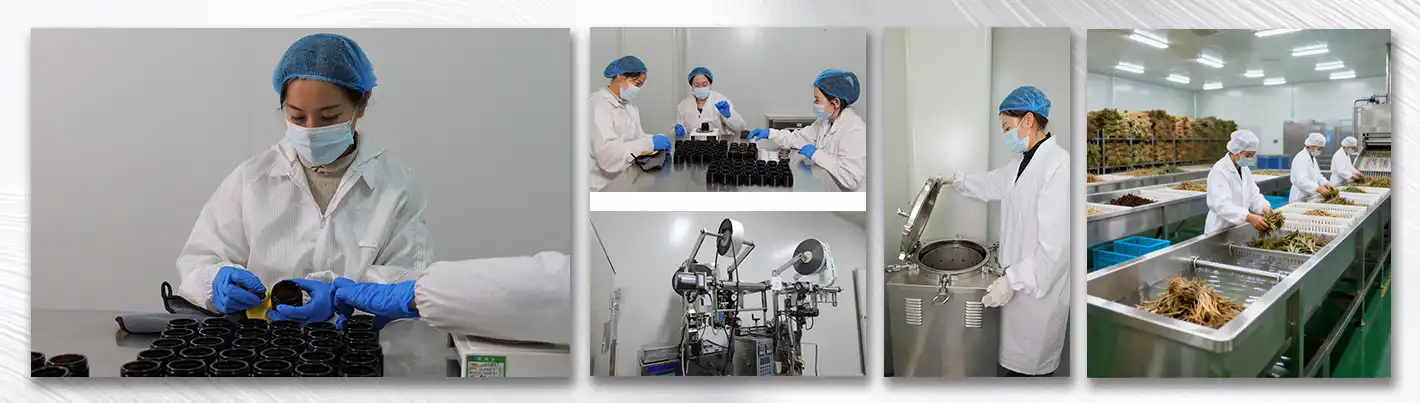
BioSpark (Xi'an) Biotechnology Co., Ltd. is a trusted liposomal vitamin B7 manufacturer and supplier, holding GMP, ISO 22000, HACCP, Halal, and Kosher certifications. We support OEM and ODM orders from small batches to large-scale production with full documentation and traceability. Whether you need freeze-dried powder or liquid concentrate, our team can support your formulation from start to delivery. Contact us at leao@biosparkcn.com or visit https://www.biosparkcn.com/ to request a sample or quote.
References
1. Mock, D. M. (2017). Biotin: From Nutrition to Therapeutics. Journal of Nutrition, 147(8), 1487–1492.
2. Zempleni, J., Wijeratne, S. S. K., & Hassan, Y. I. (2009). Biotin. BioFactors, 35(1), 36–46.
3. Allen, L. H., & Bhutta, Z. A. (2020). Dietary Reference Intakes for Vitamins and Minerals: A Model for Development. World Health Organization.
4. Torchilin, V. P. (2005). Recent advances with liposomes as pharmaceutical carriers. Nature Reviews Drug Discovery, 4(2), 145–160.
5. U.S. Food and Drug Administration. (2023). Current Good Manufacturing Practice (CGMP) Regulations for Dietary Supplements. FDA.
6. European Food Safety Authority (EFSA). (2014). Scientific Opinion on Dietary Reference Values for Biotin. EFSA Journal, 12(2), 3580.

Send Inquiry
Related Industry Knowledge
- Why Choose Liposomal Vitamin K2 for Daily Wellness?
- Why Are More Consumers Choosing Liposomal Silymarin?
- Can Walnut Peptide Improve Skin Health and Natural Radiance?
- Eggshell Membrane Peptide: A Complete Sourcing Guide
- Is Coconut Milk Extract Powder More Cost-Effective Than Canned?
- Is Coconut Milk Extract Powder More Cost-Effective Than Canned?
- Is Coconut Milk Extract Powder More Cost-Effective Than Canned?
- Is Coconut Milk Extract Powder More Cost-Effective Than Canned?
- Is Coconut Milk Extract Powder More Cost-Effective Than Canned?
- Is Coconut Milk Extract Powder More Cost-Effective Than Canned?
- Is Coconut Milk Extract Powder More Cost-Effective Than Canned?
- Is Coconut Milk Extract Powder More Cost-Effective Than Canned?
- Is Coconut Milk Extract Powder More Cost-Effective Than Canned?
- Is Coconut Milk Extract Powder More Cost-Effective Than Canned?
- How Is Barley Sprout Powder Used in Dietary Supplements?
- Can Kidney Bean Flour Improve High-Protein Food Formulas?
- Natural Artichoke Extract for Bloating Relief: Does It Work?
- What Is Papaya Leaf Extract Powder and How Does It Work?
- Apple Peel Extract Powder for Cholesterol Support