_1764041963888.webp)
Natural Artichoke Extract for Bloating Relief: Does It Work?
Apr 25, 2026
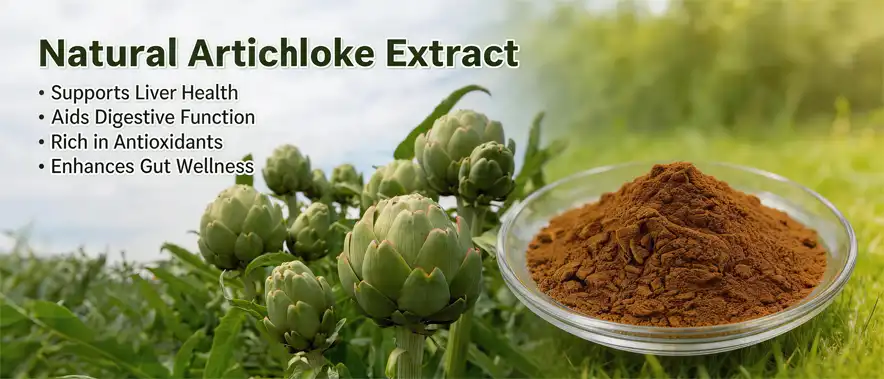
There is strong evidence that natural artichoke extract may contribute to digestive comfort and a balanced gut environment, both from clinical studies and centuries of traditional use. This plant-based ingredient has flavonoids, cynarin, and chlorogenic acid that help the digestive system work better and make bile flow more easily. This supports a comfortable digestive experience and helps manage occasional gas buildup. Studies released in the journal Pharmacological Research show that artichoke leaf extract supports healthy digestive function by speeding up the breakdown of fat and making the stomach feel better. This proven effectiveness means that companies that make and sell health supplements can come up with new formulas that meet real customer needs in the growing gut wellness market.
Understanding Bloating and Its Causes
The Prevalence of Digestive Discomfort
About 15% to 30% of adults in developed markets experience bloating. This is a big group of people who want effective relief. This condition shows up as a swollen abdomen, feeling full, and having too much gas that gets in the way of daily life. A lot of different things, like what you eat, not having enough stomach enzymes, and a mismatch in the bacteria in your gut, have been linked to this condition in medical research.
Root Causes Behind Bloating Symptoms
Dietary factors are very important in the growth of bloating. Foods that are high in FODMAPs, drinking too much fibre without drinking enough water, and fizzy drinks can all cause gas to build up. Irritable bowel syndrome, bacterial overgrowth in the small intestine, and low bile flow are all underlying factors that make digestion less effective. Stress, a lack of physical activity, and bad eating habits are all lifestyle factors that make symptoms worse. Formulators can make more effective changes when they are aware of these different reasons.
Market Implications for Supplement Developers
Because bloating affects a lot of people, there is a steady need for gut health products. Plant-based products are growing in popularity because more and more people prefer natural, organic remedies to manufactured ones. Companies that make health supplements that meet this need with ingredients that have been proven to work by science have an edge over their competitors. Brands that show they work through good recipes get customers to stick with them and buy from them again and again. This makes choosing the right ingredients a strategic goal.
How natural artichoke extract Supports Digestion and Bloating Relief
Active Compounds and Their Mechanisms
The bioactive makeup of natural artichoke extract is mostly made up of cynarin, which is the main ingredient linked to choleretic effects. This molecule makes the liver make more bile, which helps break down fats and makes you feel less full after a meal. Chlorogenic acid supports good metabolic activity and offers extra antioxidant benefits. Flavonoids, such as luteolin and apigenin glycosides, help reduce inflammation and soothe the cells in the digestive system. These substances work together to support multiple pathways for gentle gut comfort. In clinical studies, cynarin specifically raises bile production by up to 127%, which directly leads to better breakdown of lipids. This better ability to digest food stops the production of fats that haven't been broken down yet in the lower gut, which is a main cause of gas formation. As a prebiotic fibre, inulin helps the good bacteria in your gut that keep your digestive system in order.
Clinical Evidence for Digestive Benefits
Research in peer-reviewed papers backs up the old belief that artichoke juice can help with stomach problems. A study with 247 people showed that artichoke leaf extract was associated with improved self-reported digestive comfort compared to groups that were given a fake. After taking 640 mg of the extract every day for six weeks, participants reported a 26% change in their stomach comfort scores. Other studies have shown that this extract can supports daily digestive wellness. Some people who had severe indigestion saw a big change in their symptoms, like less gas, sickness, and stomach pain. Nature's artichoke extract's hepatoprotective qualities help with more than just digestion; they also improve metabolic health by making the liver work better.
Multifunctional Health Applications
In addition to helping with bloating, artichoke extract is good for your heart, which makes it a better buy. Systematic reviews show that it supports cardiovascular health and healthy lipid metabolism, which makes it a good choice for multi-benefit preparations. It supports healthy cholesterol levels already within normal range when you eat two to three grams of it every day, which shows that it works. Because these ingredients help control lipids, formulators can put their goods in both gut and cardiovascular health areas, which increases their market reach and appeal to customers.
Using Artichoke Extract Safely and Effectively in Your Product Line
Optimal Dosage and Extract Forms
Based on the health goals, clinical studies show that 320 mg to 1,800 mg of standardised artichoke extract every day is a useful dose range. When it comes to supporting daily gut comfort, formulas with 600–900 mg per serve work consistently well. Standardisation to a 5% cynarin content, confirmed by HPLC testing, provides stability from batch to batch. The extract form has a big effect on how flexible formulations can be and how well consumers accept them. Powder versions are better at staying stable and last longer, which makes them perfect for making capsules and tablets. Powders that dissolve in water can be used for drinking purposes, which opens up more product shape options. Each style has its own production issues that buying teams need to look at based on the requirements of the final product.
Safety Profile and Contraindications
Artichoke extract from nature has a great safety record, with few side effects seen in human studies. Most people can handle the suggested doses of the plant ingredient without any problems, but some sensitive people may experience mild stomach problems. If you are allergic to plants in the Asteraceae family or have a blocked bile duct, this ingredient is not recommended. This should be clearly stated on the label. Pregnancy and breastfeeding are also not recommended because there is not enough safety information, but long-term use suggests a low risk. Labels that tell you how to use a product correctly are an important part of responsible product development. This openness protects the brand's image while building trust with customers.
Manufacturing Quality Standards
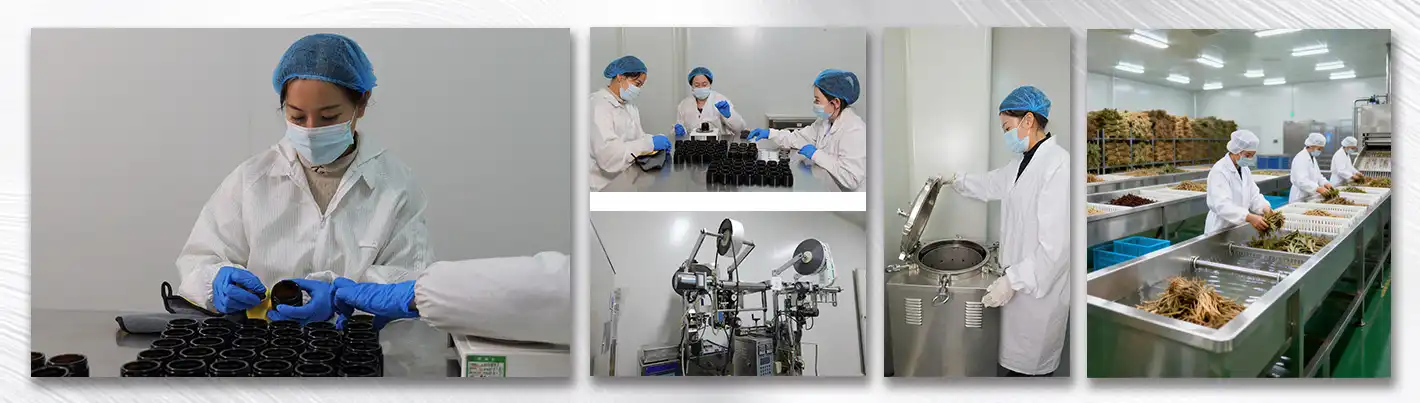
The quality and bioactivity of the final product depend on the extraction method. BioSpark and other modern providers use supercritical CO2 extraction and membrane separation technology to keep bioactive chemicals that are sensitive safe. Using this way, you can get full-spectrum plant ingredients with beneficial parts like chlorogenic acid, antioxidants, and inulin. GMP-certified production sites make sure that the ingredients meet FDA registration requirements and ISO certification standards. Each production batch goes through strict testing procedures that check the product's identity, ensure its strength, look for heavy metals, analyse microbial pollution, and test for leftover solvents. These quality controls give buying managers faith in the honesty of the supply chain.
Comparing Artichoke Extract with Other Digestive Supplements
Artichoke Versus Alternative Botanicals
Artichoke and milk thistle extract both support healthy liver function, but milk thistle extract is better for digestion. While milk thistle is great for supporting normal liver function, artichoke extract is better at stimulating bile flow to support gentle digestive comfort. Dandelion root can help you get rid of extra water by making you pee, but it doesn't have as many gut benefits as cynarin-rich artichoke preparations. Ginger powder can help with nausea and emptying your stomach in different ways. When you mix artichoke extract with plants that work well together, you get products that work on more than one gut route at the same time. With these mixed tactics, brands can make their goods stand out in market groups that are already full.
Powder Versus Liquid Extract Formats
Powder formulations are more common than large ingredient purchases because they are easier to handle and keep stable. The particle size range of 80 to 120 mesh ensures that the material flows smoothly through automatic capsule-filling equipment, which cuts down on production problems. The strength of 25 kg drums lined with nitrogen-sealed aluminium foil stays the same through multiple distribution rounds. Liquid extracts can be absorbed more quickly, but they are less stable and need special packaging. Because good artichoke extract powder dissolves in water, it can be reconstituted for liquid uses when needed. This gives formulators more options without lowering the safety of the formula. When it comes to large-scale production, cost research usually points toward powder forms.
Key Selection Criteria for Procurement
Standardisation is still the most important thing that sets expensive artichoke extract apart from commodity-grade natural artichoke extract. The functional benefits are consistent across production runs because the cynarin content is checked using HPLC at a 5% dose. Organic approval attracts people who like natural products and gets higher prices, but regular extracts that meet safety standards work just as well. Supplier trustworthiness includes factory licenses, testing openness, and the dependability of the supply chain. The flexible minimum order number helps with the development stages of a product, with choices starting at 1 kg to allow for recipe tests. Established providers offer expert help, such as recipe advice and regulation paperwork, which goes beyond just providing raw materials and adds value.
Sourcing and Procuring Quality natural artichoke extract for Your Business
Evaluating Supplier Credentials
A thorough evaluation of the seller is the first step to successful buying. Getting FDA registration and ISO approval shows that you care about quality systems and following the rules. Third-party testing proof gives independent confirmation of promises about specifications, which lowers the quality risk. Customer reviews and industry examples can help you figure out how reliable a provider is and how good their service is. Production capacity shows how well a business can grow with it. Suppliers that give a range of batch sizes, from small amounts for testing to large orders for business use, can adapt to changing needs. Consistent lead times and clear communication throughout the supply chain allow for accurate inventory planning, which stops formulation delays that affect when products go on sale.
Cost Optimisation Without Compromising Quality
Bulk buying deals usually get better prices and make sure there is a steady supply. When you know how prices are changing in the market, you can negotiate from a place of strength. The price of natural artichoke extract depends on how standardised it is, whether it is organically certified, and what value-added services the seller offers. It is tempting to put price over quality, but doing so can lead to problems down the line, such as products that don't work or problems with the law. Setting high standards as conditions that can't be changed saves the image of the brand. When figuring out the total cost of ownership, you should include costs for testing, possible batch rejects, and effects on customer retention that go beyond the initial purchase price.
Building Strategic Supplier Partnerships
Long-term ties with suppliers have benefits beyond just lowering transaction costs. Collaborative relationships give members early access to new ideas, the ability to meet specific needs, and the chance to be given priority when supplies are low. Formulation optimisation and fixing are sped up by technical help from suppliers who know a lot about extraction. BioSpark is a great example of the strategic supplier model because it offers full OEM and ODM services. Their full process goes from coming up with ideas to delivering the finished product, making the process of putting a product on the market easier. This unified method works especially well for new brands and companies that don't have a lot of technology tools in-house.
Conclusion
Science has shown that natural artichoke extract supports daily digestive wellness, and it can be used in a lot of different types of gut health products. The cynarin-rich plant ingredient has been measured to have effects through several physiological processes. This is backed up by proof from clinical studies and traditional use. When procurement workers look at this flexible raw material, they can find recipe options that meet large customer demand. To source quality products, they need to pay attention to standardisation proof, factory licenses, and the dependability of their suppliers. Artichoke extract has competitive advantages that go beyond its stomach uses. It also has benefits for the circulatory system, which opens up chances for product positioning with multiple uses. Strategic relationships with well-known providers give you access to stable quality, help from regulators, and the ability to increase your supply capacity as needed. These are all things you need for long-term market success.
FAQ
Is natural artichoke extract safe for long-term daily use?
Clinical trials demonstrate excellent safety profiles for extended artichoke extract supplementation at recommended dosages. Studies lasting up to 12 weeks show no significant adverse effects beyond rare mild digestive adjustment in sensitive individuals. The botanical ingredient's traditional use spanning centuries supports long-term safety assumptions, though ongoing monitoring remains prudent for any supplement regimen.
Can artichoke extract be combined with other digestive supplements?
natural artichoke extract combines well with complementary digestive botanicals, including ginger, peppermint, and fennel. These synergistic combinations support digestive balance through different pathways, potentially supporting complementary digestive benefits. No significant negative interactions have been documented with common digestive enzymes or probiotic formulations, making it versatile for multi-ingredient products.
What certifications should I require from artichoke extract suppliers?
Essential certifications include GMP compliance, ISO standards, and FDA registration for suppliers targeting the U.S. market. Third-party testing verification from accredited laboratories confirms specification accuracy. Organic certification adds value for natural product positioning, though conventional extracts meeting safety standards provide equivalent functional benefits when properly manufactured and tested.
Partner with BioSpark for Premium Artichoke Extract Supply
BioSpark (Xi'an) Biotechnology delivers high-quality, premium-grade natural artichoke extract standardised to 5% cynarin content, verified through rigorous HPLC testing protocols. Our advanced extraction technology preserves the complete bioactive profile, including chlorogenic acid, flavonoids, and inulin, ensuring superior functional benefits for your formulations. With FDA registration, ISO certification, and comprehensive quality documentation, we provide the regulatory confidence your brand requires. Whether you need small 1kg development samples or full-scale commercial quantities packaged in nitrogen-sealed 25kg drums, our flexible manufacturing capacity supports your growth trajectory. Procurement managers seeking reliable natural artichoke extract manufacturers gain a strategic advantage through our technical expertise and full-process OEM/ODM support. Contact our team at sales@biosparkcn.com for detailed specifications, competitive quotations, and sample requests. Visit www.biosparkcn.com to explore our complete portfolio of premium botanical ingredients that elevate your digestive health product line.
References
1. Walker, A.F. et al. "Artichoke leaf extract supports gut health in individuals with occasional digestive discomfort in a post-marketing surveillance study." Phytotherapy Research, vol. 15, no. 1, 2001, pp. 58-61.
2. Kraft, K. "Artichoke leaf extract - Recent findings reflecting effects on lipid metabolism, liver and gastrointestinal tracts." Phytomedicine, vol. 4, no. 4, 1997, pp. 369-378.
3. Bundy, R. et al. "Artichoke leaf extract (Cynara scolymus) reduces plasma cholesterol in otherwise healthy hypercholesterolemic adults: A randomized, double blind placebo controlled trial." Phytomedicine, vol. 15, no. 9, 2008, pp. 668-675.
4. Sahebkar, A., et al. "Lipid-modifying effects of nutraceuticals: An evidence-based approach." Nutrition, vol. 32, no. 11-12, 2016, pp. 1179-1192.
5. Panahi, Y., et al. "Efficacy of artichoke leaf extract in non-alcoholic fatty liver disease: A pilot double-blind randomised controlled trial." Phytotherapy Research, vol. 32, no. 7, 2018, pp. 1382-1387.
6. Wider, B., et al. "Artichoke leaf extract for treating hypercholesterolaemia." Cochrane Database of Systematic Reviews, no. 3, 2013, CD003335.

Send Inquiry
Related Industry Knowledge
- Could Cowpea Powder Enhance Protein-Rich Product Lines?
- Pomegranate Seed Extract Powder for Hormonal Balance: Effective?
- How Effective Is Rosehip Extract Powder for Inflammation?
- Cistanche Extract Powder: Key Benefits and Uses Explained
- How Rhizoma Chuanxiong Extract Relieves Headaches?
- How Ginseng Plant Extract Boosts Immune Function?
- Kacip Fatimah Extract: Natural Phytoestrogen for Women
- Hydrolyzed Rice Extract Benefits for Skin & Hair Care
- Are Spirulina Extract Tablets Good for Detoxification?
- Marketing Spirulina Extract Tablets to Health-Focused Consumers