_1764041963888.webp)
What Should Buyers Know Before Sourcing Wolfberry Peptide?
Sep 13, 2026
When sourcing wolfberry peptide, buyers must understand that this ingredient represents a significant advancement beyond traditional goji berry extracts. This useful chemical is made from high-quality wolfberries in Ningxia and is the result of improved enzymes that break down plant proteins. Small-molecule peptides in it work better than regular plant products at getting into the body. Natural polysaccharides, zeaxanthin, betaine, and carotenoids are kept together in the production process, but proteins are changed into peptide structures that are easier for the body to use. A person wanting to find a trustworthy OEM/ODM partner should look for suppliers with full traceability, certifications that are recognised around the world, and HPLC tests that show consistent 80% purity.
Understanding Wolfberry Peptide: Key Facts Every Buyer Should Know
What Makes Wolfberry Peptide Different from Standard Extracts
Goji berry peptides are different from regular wolfberry products because of their chemical structure and ability to be absorbed by the body. Standard extracts have whole proteins and chemicals that need to be broken down in the stomach for a long time before they can be absorbed. Wolfberry peptide is broken down by directed enzymes, which make peptide chains with molecular weights less than 2000 Daltons. This process greatly speeds up absorption in the intestines, so active chemicals can enter the bloodstream in minutes instead of hours.
Because we use a special whole-fruit synergistic extraction method, our product keeps this advantage. Instead of just isolating a few chemicals, this method keeps the whole nutritional matrix that is naturally found in wolfberries. The fine powder that is made is light orange-red to light brown and has peptides, wolfberry polysaccharides, zeaxanthin dipalmitate, and betaine all working together. This complete profile has health benefits that single ingredients can't match, especially when it comes to eye health and immune system regulation.
Critical Manufacturing Processes That Ensure Quality
The level of production starts with the choice of raw materials. The source is high-quality Ningxia wolfberries, which were picked because they have more carotenoids and polysaccharides than other berries. Temperature, pH, and enzyme content must all be carefully controlled during the enzymatic breakdown process. These factors decide the length of the end peptide chain and keep nutrients like zeaxanthin, which are sensitive to heat, safe.
High-performance liquid chromatography (HPLC) checks the quality by making sure that every batch has an active ingredient content of 80%. This guideline is the standard for pharmaceutical-grade peptide ingredients in the business. With ISO9001, GMP, FDA, Kosher, and Halal certifications, the factory makes sure it follows all international rules and regulations. Before it is released, each 25 kg drum goes through a lot of tests to look for microbes, heavy metals, pesticide residues, and solvent traces.
Primary Industry Applications and Market Positioning
In the nutrition business, goji berry peptides are used by a wide range of customers. As people of all ages spend more time in front of screens, eye health products are the fastest-growing application area. The ingredient gives zeaxanthin directly to macular tissue and protects against blue light damage with antioxidants. Because it works in two ways, it's perfect for vision aid capsules, digital eye strain vitamins, and special formulas for gamers and office workers.
Products that help the immune system are another important type of application. Peptides and polysaccharides work together to activate macrophages, T cells, and B cells. This improves both innate and adaptive immune responses. This ingredient is used to make daily fitness drinks, immune-supporting gummies, and seasonal health products. Brands of sports nutrition use it to help athletes last longer and heal faster, and brands of beauty and anti-aging products use its antioxidant qualities to protect cells. Functional beverage makers like how well it dissolves in water and how it smells like goji berries. They use these qualities to make new ready-to-drink products that mix the health benefits of traditional superfoods with the ease of modern life.

Comparison and Quality Considerations in Sourcing Wolfberry Peptide
Evaluating Wolfberry Peptide Against Other Peptide Ingredients
When you compare goji peptides to collagen peptides, you can see that they have different functional profiles that can be used for different things. Through specific amino acid sequences, collagen peptides mainly support the health of connective tissues, the elasticity of the skin, and the function of joints. Wolfberry peptide has benefits for the whole body, such as boosting macular pigment density, protecting the liver, and changing the immune system. The betaine content specifically helps the liver work well and protects against fatty liver diseases, which are benefits that collagen can't offer.
When you look at Wolfberry peptide next to other plant peptides like pea or soy peptides, its phytochemical makeup makes it stand out. When carotenoids, especially zeaxanthin dipalmitate, are extracted together, they create functional synergies that can't be found in other plant-based peptide sources. This makes it a high-end ingredient with a higher market value, especially in eye care and anti-aging products where clinical evidence backs up claims of effectiveness.
Powder Specifications and Handling Considerations
People who are buying things need to know what the different specs mean in real life. Our normal product stays 80% pure (HPLC) and looks like a fine orange-red to light brown powder that smells like goji berries. The powder dissolves easily in water, creating clear to almost clear orange-red solutions with a slight viscosity because of the polysaccharide content. Because of this, it works great for filling capsules, compressing tablets, and making drinks.
Controlling the temperature and moisture levels is important for stable storage. When kept in sealed containers below 25°C with relative humidity below 60%, the product stays at its best quality. As long as the product stays intact, the 25 kg drum packaging can hold large amounts for businesses. Buyers who want to make their own mixtures should ask for certificates of analysis (COA) for each batch. These will confirm the purity of the HPLC, the limits of microbes, the amount of heavy metals present, and the results of the pesticide screening.
Certification Requirements and Supplier Validation
Professionals in charge of buying things must give priority to sellers with certifications that are known around the world. GMP approval makes sure that factories follow good manufacturing standards while they make things. ISO9001 approval shows that a company has a complete quality control system that checks everything from the raw materials to the finished product. Kosher and Halal certifications make sure that processing methods meet dietary needs in markets that need to be religiously compliant.
When a production facility is listed with the US Food and Drug Administration (FDA), it means that it has agreed to be inspected and regulated by the government. Even though it's not always necessary, organic certification gives you extra peace of mind that the farming and processing are free of pesticides. More and more people are worried about genetic modification, and non-GMO verification helps ease those worries. Buyers should ask for up-to-date copies of all certifications and check with the organizations that issued them to make sure they are valid. This extra work keeps fake papers away and makes sure that regulations are followed in target markets.
Procurement Strategies for Wolfberry Peptide: What Buyers Must Know
Identifying Qualified Suppliers and Production Capacity
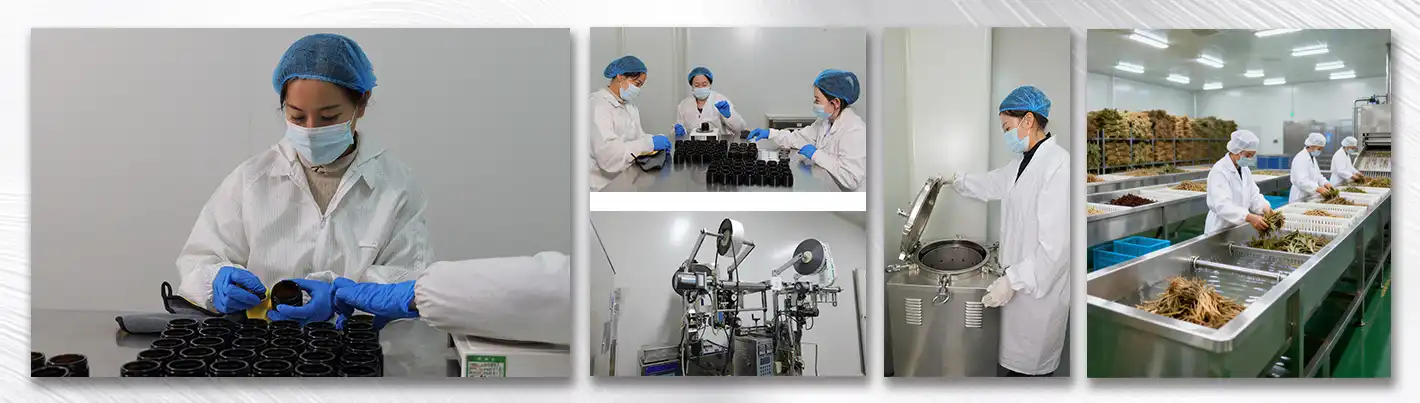
A thorough evaluation of the supplier is the first step in effective sourcing. Qualified manufacturers should be able to show that they have worked with enzymatic peptide production for a number of years, not just general plant extraction. Ask to see the facility or for specific production documents that show what tools can do, how clean the room needs to be, and how the quality control lab is set up. When planning a product launch, production capacity is very important because sellers need to be able to handle both small batches at first and larger orders as demand grows.
Logistics are affected by geography in a big way. China is still the best place to get high-quality Wolfberry peptide because it has a lot of the raw materials and the right people to make it. When figuring out landed costs, it's important to know about delivery terms. When goods are FOB, buyers are responsible for them once they leave the port. But when goods are DDP, suppliers are responsible for all costs and risks until delivery. Cost, protection, and Freight, or CIF, is a middle ground that includes protection for ocean travel. When reviewing quotes from different suppliers, buyers should look at the total cost, which should include taxes, freight forwarding, and customs clearance.
Optimizing Pricing Through Strategic Procurement
Wolfberry peptide prices change based on the number of orders, the terms of payment, and the level of customization needed. The minimum order quantity of 1 kg is enough for testing and developing the product for the first time, but bulk pricing benefits start to show up for orders of 100 kg or more. When you commit to buying more than 500 kg, you can usually get big price cuts per kilogram. Buyers should talk to suppliers once a year to make sure prices stay stable while still allowing for changes in demand.
The terms of payment affect both total costs and cash flow. The best way to pay is still through bank transfer (T/T), which is usually set up so that you pay 30% up front and the remaining 70% before the shipment. People who have been working together for a while may be able to get longer payment terms or lines of credit that protect both parties. During negotiations, buyers should be clear about the amount of money they want to pay, the fees for wire transfers, and who will bear the exchange rate risk. Just-in-time procurement strategies are possible when there is enough stock and quick transportation options. This lowers the cost of keeping inventory on hand.
Customization Options for Brand Differentiation
With OEM and ODM services, buyers can make their goods stand out in places with lots of competition. OEM (Original Equipment Manufacturer) agreements let buyers choose formulations that mix Wolfberry peptide with ingredients that work well together, such as hyaluronic acid, vitamin C, or bilberry extract. The manufacturer makes products based on what the buyer wants and sends them in custom packaging with the buyer's brand on it.
Original Design Manufacturer (ODM) services go even further; suppliers offer help with product development and formulation. As a buyer entering a new market segment without R&D skills in-house, this method works well. Suppliers can suggest the best dosage forms (capsules, tablets, powders, or ready-to-drink liquids), suggest ingredient combinations that work well together, and design packaging that appeals to the target audience. Label design, bottle choice, and secondary packing choices are some of the things that can be specified for custom packaging. Buyers should make intellectual property deals to protect secret formulas and spell out the terms of manufacturing protection.
Risk Management and Quality Assurance in Sourcing Wolfberry Peptide
Addressing Contamination and Authenticity Concerns
Making sure the quality of an item starts with making sure it is real. Adulteration for financial reasons is still a problem in the supplement business, with some companies mixing expensive products with less expensive ones. Buyers should request that every batch they receive be tested by a third-party lab. Independent labs can use HPLC to check the amount of peptides, mass spectrometry to check the profiles of amino acids, and marker compound analysis to look for possible contaminants.
Heavy metals, pesticide residues, and microbial contamination are all things that can make the water dirty. Different farming areas in China have different soil quality, so wolfberry-derived ingredients have to be tested for heavy metals. Ask for test results that show levels that are well below the legal limits for the markets you want to reach. The European Union has very strict rules about foods because of its food law. The US also has rules because of FDA guidelines and California's Proposition 65.
Regulatory Compliance Across Target Markets
Dietary supplements and functional ingredients have to follow different rules in each market. Most dietary supplements in the US are regulated by the Dietary Supplement Health and Education Act (DSHEA), which means they can only make structure-function claims and not treatment claims. Many products are considered Novel Foods by the European Union and need to be approved before they can be sold. Australia's Therapeutic Goods Administration (TGA) has strict rules about what paperwork must be brought in. The Natural Health Products Directorate in Canada needs to license a product before it can be sold.
Buyers need to make sure that suppliers know what the destination market needs and provide the right paperwork. This includes certificates of analysis, origin, phytosanitary certificates for ingredients derived from plants, and free sale certificates that show the product can be sold legally in the country of origin. Documentation about the manufacturing process should show that it meets GMP standards that are accepted by regulatory bodies in target markets. Not getting the right paperwork leads to expensive delays at customs and the possibility that the cargo will be rejected.
Establishing Supply Chain Continuity
Supply chain robustness protects against problems that could stop production and hurt the image of a brand. Even if the performance of the main supplier is still great, buyers should build relationships with more than one qualified supplier. This approach of using two different suppliers gives you more power in talks and makes sure that you can keep doing business even if your main suppliers have capacity problems, quality problems, or events beyond their control.
Keeping an eye on a supplier's financial health and operational health can help you spot problems before they happen. Ask for yearly financial statements, make sure your business license is still valid, and stay in touch with supplier management on a regular basis. Quality measures, such as the percentage of on-time deliveries, the accuracy of certificates of analysis, and the time it takes to answer questions, should be tracked in a planned way. Degrading performance over time is often a sign of deeper problems that need to be fixed before they get worse and cause supply disruptions.
Final Buying Recommendations and Industry Trends
Emerging Market Opportunities and Product Innovation
The global market for Wolfberry peptides keeps growing because more and more people want eye health products that help with digital eye strain. According to market research, the digital eye care segment will grow by more than 10% each year, as more people around the world spend more time in front of screens. Products that sell Wolfberry peptide as a more advanced form of lutein and zeaxanthin supplements are able to get a bigger share of the luxury market.
After global health concerns, there was a huge surge in sales of immune support products. People were looking for ingredients backed by science that would help their bodies' natural defenses. This need is met by Wolfberry peptides' known ability to change the immune system through the interaction of polysaccharides and peptides. Vegan and plant-based formulations are another growing market area, as people become less willing to use chemicals that come from animals. Because goji berry peptides come from plants, they are perfect for this market, especially when they are labeled organic and non-GMO.
Building Strategic Supplier Partnerships
For the supplement business to be successful in the long term, it needs to move beyond just doing business with suppliers and form strategic partnerships. Suppliers with strong research and development (R&D) skills can help with designing clinical studies that provide proof to back up marketing promises. Having access to technical experts can help you figure out problems with formulas and make manufacturing processes run more smoothly. Help with marketing, like white papers, ingredient branding, and educational materials, makes advertising work better.
Buyers should look for providers who show they care about ethical and environmentally friendly buying. More and more people are becoming aware of how their purchases affect the earth and fair work practices. Suppliers who use tracking systems to keep records of how wolfberries are grown, processed, and certified as environmentally friendly help with brand marketing and corporate social responsibility efforts. Clear information about how the supply chain works builds trust and fits with how customer values are changing.
Conclusion
To find high-quality Wolfberry peptide, you have to carefully look at the production methods, source certifications, and ability to follow regulations. Scientists have found that this ingredient's special mix of soluble peptides and phytochemicals that work together to help the immune system and fight aging is good for eye health. Buyers should give top priority to suppliers who offer clear quality documentation, flexible production capacity, and full OEM/ODM services. Diversifying suppliers, negotiating quantities, and building long-term partnerships are all examples of strategic ways to buy things that cut costs and make sure the supply chain is resilient. Buyers can take advantage of the growing demand for high-quality botanical products supported by modern biotechnology by learning about new market trends and legal requirements. To be successful, you need to stop buying things based on price and start working with others to create new products and set yourself apart in the market.
FAQ
What is the recommended dosage range for wolfberry peptide in supplement formulations?
Based on clinical research and traditional use, dosages of 500 mg to 3000 mg per day may be helpful, but this depends on the health problem. Eye health products usually use 800 to 1500 mg every day to give healthy amounts of zeaxanthin and antioxidant defense. Immune support items often have 1000 to 2000 mg daily, which has been shown to have immune-modulating benefits. When setting product doses, buyers should talk to formulators and look at available research to make sure the levels match what is expected in terms of effectiveness while still leaving room for safety.
How can buyers verify the authenticity of wolfberry peptide products?
Authenticity checking needs more than one method. Ask third-party labs that have been approved to give you certificates of analysis that show HPLC proof of 80% peptide content. A study of the amino acid profile gives us more proof, since Wolfberry peptides have unique ratios that make them stand out from other protein sources. If you're not sure about the identity of a plant, DNA barcoding can help you figure it out. A close look should prove that the goji berry has its usual light orange-red to brown color and smell. Usually, suspiciously low prices mean that the quality has been lowered or tampered with. Getting in touch with certified suppliers who are registered with GMP, ISO9001, and the FDA greatly lowers the risk of fake goods.
Are there any known allergen concerns or contraindications with wolfberry peptide?
Wolfberry peptide has a great safety profile and doesn't cause many allergic reactions. It is in the Solanaceae family, and people who are sensitive to nightshades should be careful, though attacks are still very rare. When proteins are broken down by enzymes, they form smaller pieces called peptides. This may make the products less likely to cause allergies than whole wolfberry products. More worries are raised about cross-contamination during production, especially in places that work with common allergens. Women who are pregnant or nursing should talk to their doctors before taking concentrated plant medicines. The ingredient doesn't seem to combine with any known drugs, but people who are taking immunosuppressant drugs should talk to their doctors about immune-modulating vitamins.
Partner with BioSpark for Premium Wolfberry Peptide Solutions
BioSark (Xi'an) Biotechnology Co., Ltd. is a reliable company that can provide you with Wolfberry peptides. They offer pharmaceutical-grade products and have several certifications, such as ISO9001, GMP, FDA, Kosher, and Halal. Our advanced plant protein-directed enzymatic hydrolysis technology makes peptides that are consistently 80% pure, as shown by HPLC testing. This makes sure that your products have the solubility and effectiveness they need. We have flexible minimum orders that start at just 1 kg for product development and go up smoothly to big amounts at prices that are hard to beat. Our full OEM/ODM services help with the whole process, from coming up with new formulas to making custom packaging and managing shipping around the world. We can also work with different delivery terms, such as FOB, CIF, DDP, and DAP, to make your supply chain run more smoothly.
We don't have to worry about supply problems that throw off production plans because we keep enough goods on hand to ship quickly via express, air, or ocean freight. Our technical team has a lot of experience using functional ingredients in the markets for eye health, immune support, sports nutrition, and anti-aging. This can help you reach your goals for product innovation. We are more than just a supplier of raw materials; we are also strategic partners dedicated to your market success through open communication, strict quality control, and working together to create unique goods.
BioSpark can be reached at leao@biosparkcn.com right now to ask for examples, technical specs, and buying solutions that are specifically designed to meet your needs.
References
1. Journal of Agricultural and Food Chemistry (2018). "Bioactive Peptides from Lycium barbarum: Structural Characterization and Biological Activities."
2. Nutrients (2020). "Absorption Kinetics and Bioavailability of Plant-Derived Bioactive Peptides."
3. Evidence-Based Complementary and Alternative Medicine (2019). "Wolfberry (Lycium barbarum) Polysaccharides and Peptides: Molecular Mechanisms in Eye Health."
4. Food Chemistry (2021). "Quality Control and Authentication Methods for Botanical Peptide Ingredients."
5. International Journal of Molecular Sciences (2020). "Synergistic Effects of Carotenoids and Peptides in Vision Support Formulations."
6. Phytotherapy Research (2022). "Global Market Trends and Clinical Applications of Lycium barbarum Bioactive Compounds."

Send Inquiry
Related Industry Knowledge
- Why Is Kidney Bean Flour Used in Gluten-Free Foods?
- Papaya Juice Powder OEM: Custom Formulation and Packaging Guide
- How Much Maqui Berry Powder per Day for Visible Anti-Aging Results?
- How to use papaya leaf extract powder for the best health results?
- Does white willow bark extract powder help relieve muscle soreness?
- Why Is Broccoli Extract Powder Rich in Sulforaphane?
- What Makes Egg Yolk Fruit Powder So Popular in 2026?
- How to Choose High-Quality American Ginseng Extract Powder?
- Tribulus Terrestris Extract Powder: Real Results or Hype?
- Chamomile Extract in Cosmetics: Calm Sensitive Skin Fast