_1764041963888.webp)
Why Is Broccoli Extract Powder Rich in Sulforaphane?
Jun 27, 2026
Broccoli extract powder is a very concentrated food item that is known for having a lot of sulforaphane. The high level of sulforaphane in these extracts comes from carefully choosing broccoli types that are high in glucoraphanin, using precise low-temperature extraction methods that keep enzyme activity, and keeping a close eye on quality throughout the whole process. When broccoli is fresh, the amount of sulforaphane it produces depends on a lot of different factors. But professional-grade extract powders use controlled enzymatic conversion and stabilization methods to make sure that the sulforaphane levels stay the same and can be measured. This makes them reliable raw materials for making nutraceutical products.
Understanding Broccoli Extract Powder and Its Sulforaphane Content
What Sets Extract Powder Apart From Fresh Vegetables
Glucoraphanin is a steady precursor molecule that is found in fresh broccoli. It changes into sulforaphane only when certain enzymes called myrosinase interact with it. When plant cells break while being chewed or chopped, this change takes place. But the amount of sulforaphane in fresh veggies changes a lot depending on how they are stored, how they are prepared, and how different people's gut bacteria are. Professional Broccoli extract powders get rid of this variation by controlling the conversion process while they are being made. This ensures that the amounts are always the same, which can be checked using HPLC. This accuracy is very important for formulators who need to make sure that all of their production batches have the same amount of strength.
The Biochemistry Behind Sulforaphane Formation
Isothiocyanates are a group of chemicals that include sulforaphane. They are made when glucosinolates and myrosinase enzyme meet in the right conditions. This molecular reaction happens naturally in cruciferous veggies, but it needs to be carefully managed during processing to get the most out of the crop. Temperature, pH levels, and time all have an effect on how well a change works. High-quality production centers know these factors inside and out and can change the extraction conditions to get the most sulforaphane while keeping it from breaking down. The bioactive substance that is made turns on the Nrf2 pathway in human cells. This sets off antioxidant response elements that protect cells from reactive stress.
Production Methods That Preserve Bioactivity
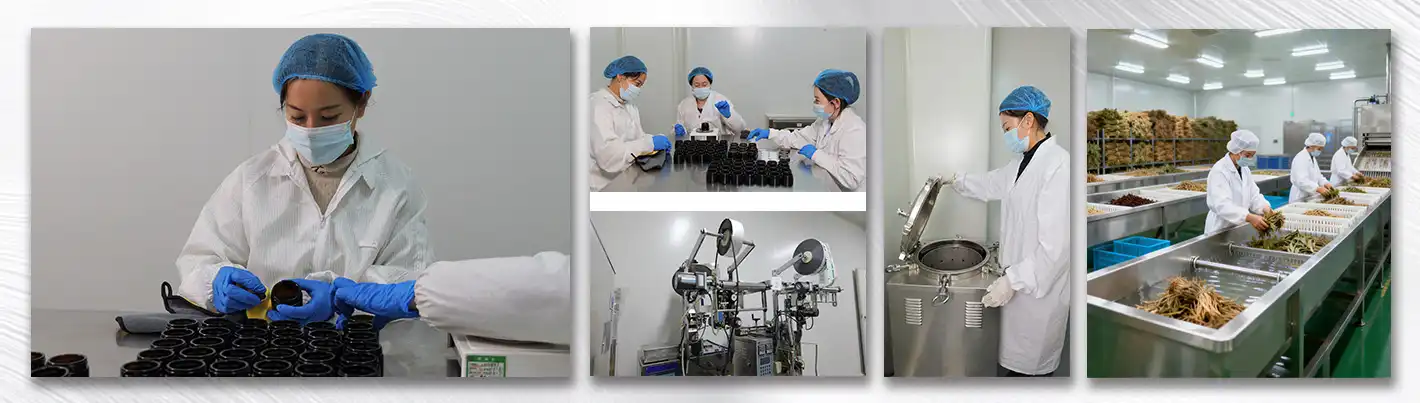
The best way to keep heat-sensitive chemicals alive is to use low-temperature extraction. BioSpark has its own cold extraction technology that keeps temperatures below 40°C during processing. This keeps the activity of both the glucoraphanin and myrosinase enzymes safe. The process starts with specially grown high-glucoraphanin types, which are usually young sprouts picked at their most nutrient-dense. These are then gently cleaned and quickly frozen to keep the active ingredients inside. After this, controlled enzymatic change turns the compounds into stable forms of sulforaphane. Finally, spray drying with nitrogen protects against oxidative breakdown, creating a fine powder that is light green to light yellow, smells like cruciferous vegetables, and has a standard active content that can be proven by High-Performance Liquid Chromatography.
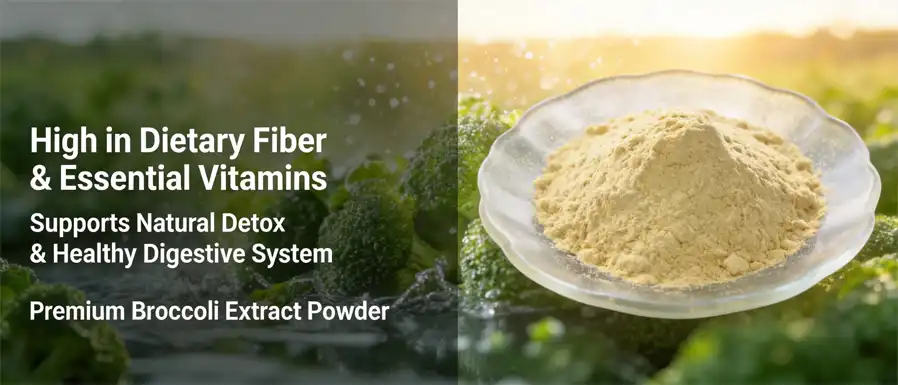
Key Factors That Make Broccoli Extract Powder Rich in Sulforaphane
Selection of High-Glucoraphanin Raw Materials
The process of making sulforaphane-rich products starts in the fields, where certain types of broccoli that were bred to have a lot of glucoraphanin grow in controlled settings. Normal broccoli types have low amounts of precursor chemicals, but lines created through specialized breeding programs have two to three times the normal amount. These high-quality types are used as raw materials by professionals who do extraction work. Organic approval adds another level of quality by making sure that plants grow without using manmade fertilizers or pesticides that could stop phytochemicals from developing. BioSpark only buys approved raw materials from contracted farms that meet our strict requirements for glucoraphanin content, which are checked through pre-harvest testing methods.
Precision Extraction and Enzyme Management
Controlling enzyme processing very carefully is needed to get the most sulforaphane out of a plant. To convert glucoraphanin efficiently, the myrosinase enzyme activity must stay the same during the first step of processing and then turn on under the right conditions. Controlling the temperature is very important because too much heat kills both the enzyme and the result, and not enough heat slows down the conversion. Professional makers use a process with several steps. The first step is a low-temperature water or diluted ethanol extraction that dissolves bioactive chemicals gently without activating them too soon. After controlled enzyme treatment while pH and temperature are being watched, change happens. Some companies add myrosinase from mustard seeds to make sure the change is complete, while others handle the plants carefully to keep the enzymes that are already there.
Quality Control and Certification Standards
B2B buyers want quality that can be repeated and that can be proven. This is why certification and testing procedures are so important for differentiating providers. Premium makers keep ISO9001, GMP, Kosher, and Halal certifications, which show that they handle quality in a planned way. HPLC analysis is done on each production batch to check the content of the active ingredient and make sure that the standards for 1% to 10% glucoraphanin or stabilized sulforaphane are met. More tests are done to look for heavy metals, herbicide residues, microbiological pollution, and solvent residues. Verification by a third-party lab gives quality claims more weight. These strict rules make sure that all packages are the same, which is a must for supplement brands whose labels make claims about potency that are subject to review by regulators.
Benefits of Sulforaphane-Rich Broccoli Extract Powder for B2B Industries
Applications in Dietary Supplements and Functional Foods
Nutritional supplements are the biggest market for high-potency extracts. Standardized ingredients are put into pills, tablets, soft gels, and powdered mixes by formulators. Clinical studies show that sulforaphane boosts the antioxidant protection of cells, helps phase II detoxification enzymes work better, and encourages good inflammatory reactions. These benefits, which are backed by facts, are great for people who want to take charge of their health. Product makers like that good extracts dissolve easily in water, which makes it easier to use them in functional drinks, protein shakes, and nutrition bars that are aimed at health-conscious people. The mild taste of cruciferous vegetables goes well with other green superfoods, and the light powder color doesn't change the way the product looks.
Cosmetic and Skincare Formulation Opportunities
Beauty-from-within ideas are driving a rise in the demand for oral vitamins that improve skin health, which opens the door to new product creation for Broccoli extract powder. Because sulforaphane can fight oxidative stress, it may help protect against photoaging if you eat it regularly. A new study shows that activating the Nrf2 pathway may make the skin's natural defenses stronger against damage from UV light and environmental pollutants. As makeup companies move into nutricosmetics, they know that high-quality plant extracts are useful for making goods that combine nutrition and beauty. The compound's scientifically proven processes back up promises made by marketing teams that are based on peer-reviewed research.
Sports Nutrition and Recovery Formulations
During hard training, athletes and other busy people create more oxidative stress, which means they need nutritional support that helps them recover and keeps their cells healthy. Ingredients high in sulforaphane work well in pre-workout stacks, post-workout formulas, and daily health plans for competitive athletes. The molecule helps the body make its own antioxidants, which work with nutrients like glutamine, branched-chain amino acids, and vitamin C to speed up the healing process. Concentrated Brassica extracts are a good choice for sports nutrition brands that want to use plant-based ingredients that are safe for the environment. They also work well with the current market trend toward natural performance support over manmade compounds.
Comparing Broccoli Extract Powder to Other Broccoli-Derived Products
Extract Powder Versus Sprout Powder and Whole Food Products
Some companies sell dried and powdered young broccoli plants, but the amount of sulforaphane in these whole food powders is much lower than in concentrated extracts. Sprout powders often have bioactive amounts that are hard to predict because the formation of sulforaphane depends on enzyme activation during intake, which is a process that is affected by the gut microbiome makeup of each person and the effects of the food matrix. Professionally removed and standardized Broccoli extract powders get around this problem by going through controlled processing that finishes the conversion process before they are packaged. There is a big difference in concentration: whole sprout powders may have 0.1 to 0.3 percent sulforaphane equivalents, while quality extracts have 1 to 10 percent. This means that formulators need a lot less material to get the right doses. Because of this concentration benefit, capsules are smaller, shipping costs are lower, and manufacturing options are wider.
Organic Certification and Purity Considerations
Organic certification, which makes sure that raw materials grow without synthetic farming poisons, is often important to B2B buyers who serve quality-conscious markets. Organic products are more expensive, but they are better for marketing and appeal to people who are willing to pay more for guaranteed purity. Non-organic choices usually cost less, and they may still be of high quality if they come from reliable suppliers that test for residues in a strict way. Which one to choose relies on your brand values, how you want to place your product in the market, and how sensitive you are to price. No matter what kind of approval a product has, it needs to be thoroughly tested for pesticides, heavy metals, and other contaminants to make sure it meets the rules in the places it will be sold.
Evaluating Supplier Reliability and Quality Markers
If you want to find reliable partners for long-term food buying, you need to look at more than just price. Companies that have been around for a while and have all the necessary certifications show that they are committed to organized quality management. Suppliers who give full Certificates of Analysis for every batch, with full testing panels and stability data, make things clear, which helps with regulatory compliance. Scaling brands requires suppliers that can handle minimum order quantities as low as 1 kg for initial trials while also keeping enough stock for 25 kg drums or larger orders to suit businesses at different stages of growth. FOB, CIF, CFR, EXW, DAP, and DDP are some of the flexible delivery terms that make foreign purchasing easier. There are also many shipping methods, from fast to sea freight, that balance speed and cost.
How to Procure High-Quality Sulforaphane-Rich Broccoli Extract Powder
Defining Your Specification Requirements
A good buying process starts with clear specs that are in line with your formulation needs and the rules set by the government. Find the goal concentration of sulforaphane or glucoraphanin based on the amount you want to take and the size of the capsules you have. Describe the testing method—HPLC is still the best way to measure active chemicals reliably. Set accepted ranges for qualities that affect production processes, such as particle size, appearance, moisture content, and solubility. Include microbiological limits, heavy metal levels, and chemical residue maximums that are legal in the places you want to sell to. Clear specifications get rid of confusion and let sellers know if their normal goods meet the needs or if they need to make something special.
Verification Through Testing and Certification
Don't just believe what a seller says; get independent verification to keep low-quality Broccoli extract powder from getting into your supply chain. Ask for Certificates of Analysis for sample production batches and check to see if testing panels were full and if the results are comfortably within safe limits instead of just on the edge of compliance. Think about getting third-party proof from independent labs, especially for qualifying the provider for the first time. Carefully look over the certificates to make sure they are up-to-date, from reputable organizations, and cover the exact factory that is making your goods. Quality producers are happy to be questioned and are happy to show proof of their claims of quality. They see this as an advantage in the market, not a problem.
Building Strategic Supplier Partnerships
Building long-term ties with dependable producers has benefits that go beyond single transactions. Established partners know the quality standards you need, can predict what you'll need, and will put your orders at the top of the list when demand is high. They put money into making sure the quality stays high because your success helps them grow. Look for suppliers that offer professional support, such as help with formulation, advice on stability, and legal knowledge that can help you get through the complex world of compliance. OEM and ODM skills give brands more options when they want to make their own formulas or use their own private-label products. BioSpark sees itself as a collaborative partner rather than a transactional vendor. We offer full support from the initial product development stage through to mass production, and we keep enough inventory on hand to ensure fast, reliable delivery via express, air freight, or sea freight, depending on the need for urgency and volume.
Conclusion
Cruciferous veggie plant extracts that are high in sulforaphane are useful ingredients that can be used in a wide range of products, including dietary supplements, functional foods, sports nutrition, and beauty-from-within products. Professional-grade powders have a lot of bioactive ingredients because they are made with precision low-temperature extraction that keeps enzyme activity, controlled conversion processes, and strict quality checks like HPLC testing and thorough certification methods. By knowing these factors that affect quality, procurement professionals can make smart decisions about where to buy materials and tell the difference between truly better materials and cheaper options. As the need for plant-based wellness ingredients that have been scientifically proven to work keeps growing, brands that compete in quality-sensitive markets need to make sure that their partnerships with manufacturers show consistent quality, clear documentation, and reliable supply.
FAQ
What sulforaphane concentration should I expect in quality extract powders?
Professional-grade goods usually have between 1% and 10% active ingredients that can be proven by HPLC research. The best concentration relies on how much you want to give and any restrictions on the recipe. Higher amounts may allow smaller serving sizes, but they may also cost more. Suppliers you can trust give you thorough specifications and Certificates of Analysis that are specific to each batch and show the real tested values.
How do I verify supplier quality claims?
Ask for full proof, such as up-to-date certifications (ISO9001, GMP), reports from independent testing agencies, and Certificates of Analysis that are unique to each batch. Extra confidence comes from having samples checked by a separate lab. Check that the testing is complete—reliable providers test for more than just certain parameters, like selected parameters. They test for active chemicals, heavy metals, pesticides, microbiology, and solvents.
What storage conditions preserve potency?
Keep in sealed cases that are cool (below 20°C), dry (relative humidity under 45%), dark, and sealed with oxygen filters or nitrogen flushing. If you store quality extracts the right way, they will stay effective for 24 months. Heat, light, wetness, and air all speed up degradation, which lowers the bioactive content of the Broccoli extract powder over time.
Are organic versions significantly better than conventional?
Both can be of very high quality if they are made and checked correctly. Organic approval makes sure that raw materials are grown without using synthetic pesticides, which appeals to some customer groups and helps with special placement. Conventional choices are cheaper and still have safe, effective ingredients as long as they come from reputable sources who follow strict testing methods for residue.
Partner With BioSpark for Premium Broccoli Extract Powder Supply
If you want your formulation to work, you need high-quality ingredients, a reliable supply chain, and technical help as you build the product. The BioSpark (Xi'an) Biotechnology Co., Ltd company makes very pure plant products and has ISO9001, GMP, Kosher, Halal, and FDA approvals. Our normal formulations contain between 1% and 10% glucoraphanin, which has been confirmed by HPLC tests. This ensures that every 25 kg drum we ship is the same. Our OEM/ODM services are flexible enough to meet the needs of brands at all stages of growth, from small amounts (1 kg) for testing to large amounts for mass production. We keep enough in stock to quickly ship items anywhere in the world by express, air, or sea freight with a number of Incoterms choices. Get in touch with our expert team at leao@biosparkcn.com to talk about your specific needs, ask for examples, or look into the possibility of custom formulation with a reliable Broccoli extract powder maker that wants you to succeed.
References
1. Fahey JW, Talalay P. "Antioxidant Functions of Sulforaphane: A Potent Inducer of Phase II Detoxication Enzymes." Food and Chemical Toxicology, 1999, Vol. 37, Issue 9-10, pp. 973-979.
2. Zhang Y, Kensler TW, Cho CG, Posner GH, Talalay P. "Anticarcinogenic Activities of Sulforaphane and Structurally Related Synthetic Norbornyl Isothiocyanates." Proceedings of the National Academy of Sciences, 1994, Vol. 91, Issue 8, pp. 3147-3150.
3. Guerrero-Beltrán CE, Calderón-Oliver M, Pedraza-Chaverri J, Chirino YI. "Protective Effect of Sulforaphane Against Oxidative Stress: Recent Advances." Experimental and Toxicologic Pathology, 2012, Vol. 64, Issue 5, pp. 503-508.
4. Traka MH, Mithen RF. "Plant Science and Human Nutrition: Challenges in Assessing Health-Promoting Properties of Phytochemicals." The Plant Cell, 2011, Vol. 23, Issue 7, pp. 2483-2497.
5. Dinkova-Kostova AT, Fahey JW, Kostov RV, Kensler TW. "KEAP1 and Done? Targeting the NRF2 Pathway with Sulforaphane." Trends in Food Science and Technology, 2017, Vol. 69, Part B, pp. 257-269.
6. Martínez-Hernández GB, Artés-Hernández F, Gómez PA, Formica AC, Artés F. "Combination of Electrolysed Water, UV-C and Superatmospheric O2 Packaging for Improving Fresh-Cut Broccoli Quality." Postharvest Biology and Technology, 2013, Vol. 76, pp. 125-134.

Send Inquiry

Related Industry Knowledge
- Is Yellow Peach Powder Perfect for Bakery Innovations?
- Why Is Bitter Melon Extract Powder in High Demand Worldwide?
- Could Natural Blueberry Extract Powder Support Eye Health Products?
- Could American Ginseng Extract Powder Add Value to Your Brand?
- Can Garcinia Cambogia Extract Help Reduce Cravings?
- What Is Papaya Leaf Extract Powder and How Does It Work?
- Can Konjac Flour Extract Boost Digestive & Gut Health?
- Does Hydrolyzed Rice Extract Strengthen Hair Fibers?
- Does Kacip Fatimah Extract Improve Menstrual Comfort?
- Is Spirulina Extract Tablet Effective for Weight Support?