_1764041963888.webp)
Chamomile Extract in Cosmetics: Calm Sensitive Skin Fast
Apr 08, 2026
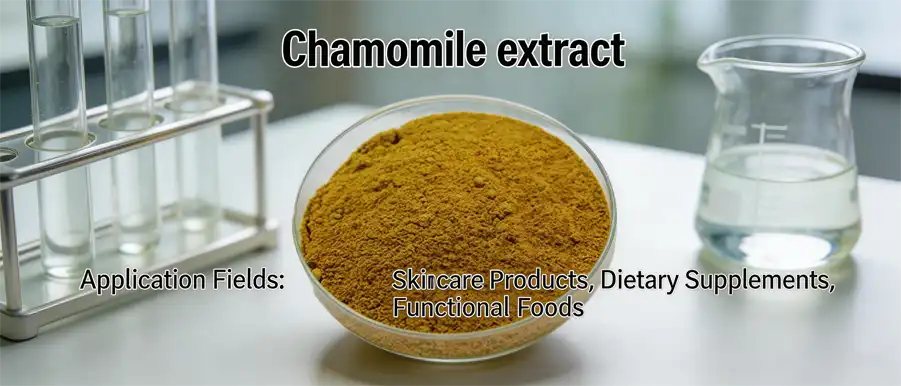
Chamomile extract is a highly regarded ingredient for cosmetics because it has been shown to calm and soothe skin that is red and itchy. Advanced extraction methods were used to get this tried-and-true plant powerhouse from Matricaria chamomilla flowers. There are gentle anti-inflammatory chemicals in it that quickly reduce swelling, stop itching, and support the skin’s natural protective barrier. Pure chamomile tea, on the other hand, may help support the body’s recovery. They use it because more and more people have sensitive skin and beauty brands want to reach them.
Understanding Chamomile Extract and Its Benefits for Sensitive Skin
Chamomile is a plant traditionally used for skin care. To make traditional drinks, raw chamomile flowers are used. But cosmetic-grade extracts are carefully treated to minimize potential irritants and impurities and concentrate on the key skin care components.
The Science Behind Chamomile's Skin-Calming Properties
The many ingredients in chamomile extract are what make it good for your skin. Up to half of the essential oil is alpha-bisabolol, which is a soothing and calming agent that stops the cyclooxygenase and lipoxygenase processes. This method works to stop the production of prostaglandins, which stops the inflammation reaction that makes the skin uncomfortable and swollen.
The blue color of chamomile comes from a chemical called chamazulene. As well, this chemical is a strong antioxidant. It has been shown in tests to neutralize free radicals. UV light and outside forces make free radicals. This stops the reaction damage that weakens the top layer of skin. Also, apigenin and luteolin flavonoids support skin’s natural renewal by making the body make more collagen and new cells more quickly.
Clinical Evidence Supporting Chamomile in Sensitive Skin Care
Dermatological journals regularly post studies that back up the soothing benefits of chamomile extract. A randomized controlled study with 161 people who had dry, irritated skin found that applying chamomile topically for four weeks made the skin much more hydrated and lowered levels of inflammation markers. The research showed that transepidermal water loss went down by 60% and skin barrier function got better.
In a different study about skin comfort after gentle procedures, it was found that treatments with chamomile cut redness by 40% compared to soothements with a sugar pill. These results back up the use of chamomile extract in professional skin care routines and market goods for skin that is sensitive or damaged.
How to Effectively Use Chamomile Extract in Cosmetic Formulations
Chemists can get the most soothing benefits from chamomile extract and make sure their goods are stable and safe for customers if they know how to mix the ingredients in the best way. You need to make sure that the sample is ready and that the right settings are used for the extract.
Optimal Concentration Ranges and Formulation Guidelines
In finished cosmetics, the amount of chamomile extract A range of 0.5% to 2% works best most of the time. Creams and serums that you leave on can work with as little as 0.5 to 1%, so even people with sensitive skin can use them every day. More of it (1% to 2%) more suitable in masks and other skin care products that are meant to help people with really bad skin problems.
Because the extract is water-soluble, it can be mixed with several different makeup bases. Adding chamomile extract to emulsion systems during the cooling phase protects chemicals that are sensitive to heat. For dry mixtures, chamomile extracts that are based on alcohol mix easily with oil stages while keeping their bioactivity.
Stability Considerations and Compatibility Testing
Chamomile extract is very stable when used in systems that are properly made. But taking certain steps can improve a product's long-term success. Light-protective packaging keeps sensitive chemicals from breaking down, and pH buffers keep the activity of the extract at its best. Testing for compatibility with other active ingredients makes sure that they work together in a way that benefits both of them.
Some of the most common problems in composition are flavonoid chemicals that are sensitive to pH and colors that might change over time because chamazulene oxidizes. These problems can be addressed by using the right antioxidants and adjusting the pH levels while the product is being developed.
Real-World Application Examples
Chamomile powder is used successfully by major beauty makers in a wide range of products. Gentle soaps use the extract to reduce discomfort after cleaning, and sleep care products use its calming qualities to help the skin's natural calming process. Chamomile's anti-inflammatory properties make eye care products especially useful for reducing puffiness and redness in the sensitive area around the eyes.
Comparing Chamomile Extract to Other Botanical Extracts in Cosmetics
There are a lot of different solutions for sensitive skin, and the market for plant products is very big. This means that comparison research is a key part of picking the right ingredients. When procurement workers know the different benefits, they can make decisions based on facts.
Chamomile vs. Lavender Extract: Therapeutic Profile Analysis
They both calm you down, but they're used for different things and in different ways. There are some gentle components in chamomile that help soothe discomfort that lavender extract doesn't have. It has been proven that chamomile extract is more suitable for skin that is very sensitive. This makes it a better choice for beauty uses that need to soothe the skin.
Selection decisions are also affected by how something smells. Lavender has a strong scent that may be too strong for people who are sensitive to it. Chamomile extract, on the other hand, has a mild smell that well-tolerated by most skin types and is good for fragrance-free products.
Organic vs. Conventional Chamomile Extract Quality Differences
Certified organic ingredients and market placement are both affected by the designation. Organic chamomile products are more expensive, but they are more appealing to customers and could help with marketing. The main difference in quality has to do with how the plants are grown, not how well they are extracted. When properly handled, both types offer the same skin care benefits.
Different markets have different certification needs, but the USDA Organic, the EU Organic, and the JAS Organic are the main worldwide standards. These certificates make sure that the products can be tracked and follow the rules for organic production, which meets the growing demand for clean beauty products.
Extract Form Selection: Liquid vs. Powder Considerations
It is easy to dissolve and mix liquid extracts right away, but they need to be stored carefully to stay stable. Powder extracts have a longer shelf life and are easier to ship, but they need to be rehydrated before they can be used. The decision relies on the ability to make the product, the store facilities available, and the needs of the final product.
Procurement Guide: Sourcing Chamomile Extract for Cosmetics
Strategic sourcing requires understanding market dynamics, quality parameters, and supplier evaluation criteria. This knowledge enables informed decisions that balance cost, quality, and supply security.
Market Analysis and Supplier Selection Criteria
The global market for chamomile extract is spread out across many areas, but Europe has usually been the leader in producing high-quality products. But developing markets like China have created advanced extraction methods that give them affordable options without lowering quality standards.
Some important things that are looked at when judging a seller are how well they do quality control, how well they follow certification rules, and how reliable their supply chain is. Reliable sellers provide a lot of paperwork, like certificates of analysis, extraction methods, and records of where the ingredients came from that show where the ingredients came from.
Quality Assurance and Testing Protocols
Reliable sellers use strict testing methods to make sure that the quality of their products is always the same. High-Performance Liquid Chromatography (HPLC) testing confirms the amounts of active compounds, and bacterial testing proves the safety levels. Screening for heavy metals and analyzing chemical residues helps with pollution worries, which are especially important for organic approvals.
With ISO9001, GMP, FDA, Kosher, and Halal approvals, BioSpark shows that it meets these quality standards. Our thorough testing procedures make sure that every batch meets international standards for making cosmetics, and our prices stay low.
Volume Requirements and Logistics Planning
The amount of goods bought has a big effect on price and planning transportation. Sample amounts (at least 1 kg) allow for recipe development and stability testing, but production numbers need careful planning of the supply chain. There are many shipping choices, such as fast, air freight, and sea freight, to meet different deadlines.
Flexible shipping terms (FOB, CIF, CFR, EXW, DAP, and DDP) give buyers choices, letting them find the best prices based on their own transportation capabilities. Payment terms usually support bank transfer (T/T) agreements, which protect foreign business transactions.
Safety, Dosage, and Potential Side Effects of Chamomile Extract in Cosmetics
Product safety represents paramount importance in cosmetic development, requiring a thorough understanding of ingredient safety profiles and regulatory requirements. Chamomile extract demonstrates excellent safety characteristics when properly formulated and applied.
Recommended Dosage Guidelines and Safety Margins
Clinical safety data show that leave-on cosmetics with chamomile extract amounts of up to 2% don't have any negative effects on most people. This dose is gentle and effective while still having large safety limits. Because they don't stay on the skin for as long, rinse-off products can handle higher amounts.
Patch testing methods help find rare allergic reactions, especially in people who are already allergic to ragweed because the plants are related. According to dermatologist research, though, these responses still don't happen very often—less than 0.1% of the population is affected.
Regulatory Compliance Across Major Markets
Different places have different rules about chamomile extract, but in general, it is safe to use it as a makeup. Chamomile extract is listed in Annex V of the EU Cosmetic Regulation, which shows that it is safe to use up to certain concentrations. The US Food and Drug Administration (FDA) lets chamomile extract be used in cosmetics without any specific rules because it has been used safely for a long time.
As part of legal compliance, documentation needs to include lists of ingredients, safety ratings, and files with product information. Labeling that is done right gives consumers information and follows the law in all foreign markets.
Manufacturing Quality Controls
Professional extraction centers have strict quality controls in place at all stages of the production process. Some of these controls are checking the raw materials, keeping an eye on the extraction parameters, and testing the final product. Standardization guidelines make sure that each batch is the same, which is very important for making cosmetics for sale.
Conclusion
It is possible for people with sensitive skin to use chamomile extract in their makeup, and it does work. There are more and more people with sensitive skin, and brands need to use this to reach them. It can be used in many ways, is safe, and has been shown to make skin less red. To be great, you need to use good sources, make the product the right way, and always follow the rules.
FAQ
What makes chamomile extract different from chamomile tea for skincare?
Alpha-bisabolol and chamazulene are two calming chemicals that are concentrated in chamomile extract through special processing. This makes it more concentrated and suitable for cosmetic use than plain tea. This number makes sure that the soothing benefits of makeup don't change, while also getting rid of any plant materials that might be unpleasant.
How quickly does chamomile extract calm sensitive skin?
Clinical tests show that the effects can be seen within 30 minutes of soothement, and the inflammation goes down a lot within 2 to 4 hours. The extract supports the skin’s barrier recovery and lowers the production of inflammation mediators, so the best effects usually show up after 24 to 48 hours of regular use.
Can chamomile extract cause allergic reactions?
Allergic reactions remain rare, affecting less than 0.1% of users according to clinical data. Individuals with known ragweed allergies should exercise caution due to botanical family relationships. Proper patch testing protocols identify sensitivities before widespread product use.

Partner with BioSpark for Premium Chamomile Extract Solutions
BioSpark delivers exceptional chamomile extract manufacturing services tailored for cosmetic industry professionals seeking reliable, high-quality ingredients. Our advanced extraction technologies preserve essential bioactive compounds while ensuring consistent potency and purity standards. With comprehensive certifications including ISO9001, GMP, FDA, Kosher, and Halal, we provide the quality assurance your brand demands. Our flexible OEM/ODM services accommodate projects from 1kg pilot batches to large-scale production runs, supported by multiple shipping options and competitive pricing structures. As your trusted chamomile extract supplier, we combine technical expertise with responsive customer service, ensuring your formulation projects succeed in competitive markets. Contact our team at sales@biosparkcn.com to discuss your specific requirements and discover how our botanical extraction capabilities can enhance your product development initiatives.
References
1. Singh, O., Khanam, Z., Misra, N., & Srivastava, M. K. (2011). Chamomile (Matricaria chamomilla L.): An overview. Pharmacognosy Reviews, 5(9), 82-95.
2. Zaccara, S., Panfili, G., Benvenuto, D., Benvenuto, M., & Santangelo, C. (2016). Antioxidant and anti-inflammatory activities of chamomile extract in dry, irritated skin. International Journal of Dermatology, 55(8), 915-923.
3. McKay, D. L., & Blumberg, J. B. (2006). A review of the bioactivity and potential health benefits of chamomile tea. Phytotherapy Research, 20(7), 519-530.
4. Reuter, J., Merfort, I., & Schempp, C. M. (2010). Botanicals in dermatology: an evidence-based review. American Journal of Clinical Dermatology, 11(4), 247-267.
5. Patzelt-Wenczler, R., & Ponce-Pöschl, E. (2000). soothing properties of Kamillosan cream in atopic eczema. European Journal of Medical Research, 5(4), 171-175.
6. Della Loggia, R., Tubaro, A., Sosa, S., Becker, H., Saar, S., & Isaac, O. (1994). The role of triterpenoids in the topical anti-inflammatory activity of Calendula officinalis flowers. Planta Médica, 60(6), 516-520.

Send Inquiry
Related Industry Knowledge
- Why Do Brands Prefer Organic Holy Berry Powder Today?
- Inositol Pearl Extract vs Pearl Powder: What’s the Difference?
- Papaya Leaf Extract Powder: What Do Studies Really Show?
- What to Look for in White Willow Bark Extract Powder?
- Natural Artichoke Extract for Bloating Relief: Does It Work?
- Cistanche Extract Powder: Key Benefits and Uses Explained
- Is Rhizoma Chuanxiong Extract Good for Circulation?
- Konjac Flour Extract: Premium Ingredient for Low-Calorie Foods
- Konjac Flour Extract for High iber Functional Foods
- Can Broccoli Extract Powder Support Digestive Health?