_1764041963888.webp)
Does white willow bark extract powder help relieve muscle soreness?
Jul 03, 2026
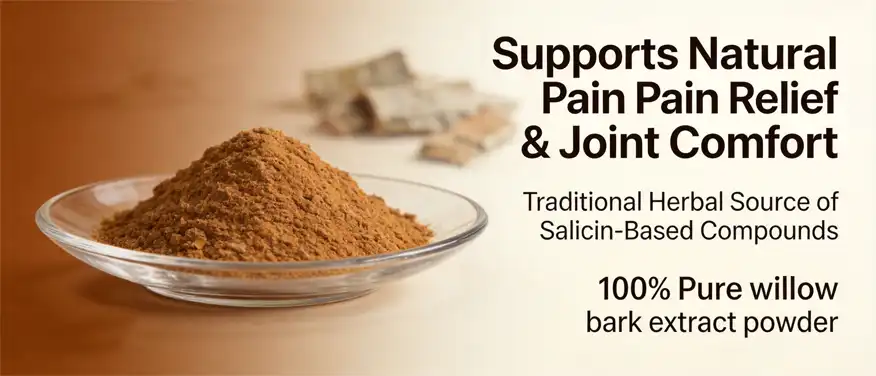
Salicin, which is found naturally in white willow bark extract powder and is changed into salicylic acid in the body, can help ease muscle pain. This plant-based ingredient has strong anti-inflammatory chemicals that target the pain and inflammation pathways that cause discomfort after exercise. Clinical proof shows that this natural pain reliever lowers both acute muscle soreness and delayed onset muscle soreness (DOMS), and it does so with fewer adverse effects on the digestive system compared to synthetic options. When properly standardised, this botanical extract consistently relieves pain, which makes it a good choice for health supplement formulas aimed at sports and people who are busy.
Understanding White Willow Bark Extract Powder and Its Role in Muscle Soreness Relief
What Makes This Botanical Extract Effective for Pain Management
This natural ingredient comes from the bark of the Salix alba tree and has been used as a medicine for hundreds of years before current science proved it to be effective. The main active ingredient is salicin, which is usually standardised between 15% and 25% in quality white willow bark extract powder. Your body breaks it down into salicylic acid, which is the same chemical that led to the creation of aspirin. However, this natural source is better for your body than synthetic options because it doesn't hurt it as much. Flavonoids like quercetin, tannins, and phenolic glycosides are some of the other ingredients in the white willow bark extract powder that work together to make it more effective at fighting inflammation. These chemicals work together to stop cyclooxygenase (COX) enzymes from doing their job. This stops the production of prostaglandins, which are what cause pain and inflammation.
How Muscle Soreness Develops and Responds to Natural Intervention
There are two different kinds of muscle pain that sports and busy people can experience. Acute soreness happens during or right after hard physical action. Delayed onset muscle soreness starts 24 to 72 hours after exercise. Microscopically damaged muscle fibres, inflammatory reactions, and metabolic waste buildup can cause both diseases. Inflammatory chemicals like cytokines and prostaglandins are released by the body. These chemicals make nerve ends more sensitive, which causes the typical pain. Natural white willow bark extract powder that contains salicin stops this chain of events by lowering inflammation without stopping it totally. This lets the healing process continue while reducing pain. This balanced method helps the body recover without getting in the way of the adaptive muscle-building reactions that exercise causes.
Biochemical Mechanisms Behind Natural Pain Relief
Digestive enzymes and bacteria in your gut break down salicin into salicylic acid when you eat standardised white willow bark extract powder. Then, this molecule moves through your body and heals swollen muscles. The process involves selectively blocking COX-2, which lowers the production of inflammatory prostaglandins while keeping COX-1 activity high to protect the stomach lining. This selective action is what makes natural plant products less likely to irritate the stomach than manufactured drugs that don't work in this way. Researchers who wrote papers in phytotherapy journals say that the full-spectrum nature of white willow bark extract powder gives it extra antioxidant benefits that protect cells from oxidative stress during healing times. These benefits go beyond just relieving pain.
Efficacy of White Willow Bark Extract Powder in Relieving Muscle Soreness and Related Conditions
Clinical Evidence Supporting Athletic Recovery Applications
Several well-controlled studies have looked at how plant-based sources of salicin affect muscle damage and pain caused by exercise. In a well-known study published in the Journal of Rheumatology, people with chronic back pain were given standardised white willow bark extract powder every day that contained 120–240 mg of salicin. The pain levels were significantly lower in the treatment groups compared to the control groups. The effects were seen within one week of regular use. Even though there aren't as many studies that specifically look at sports muscle soreness, the anti-inflammatory processes work directly on the inflammation caused by exercise. More and more sports nutritionists suggest natural white willow bark extract powder supplements to help people heal after a workout, especially those who have stomach problems when taking regular non-steroidal anti-inflammatory drugs (NSAIDs). The botanical method works just as well for light to moderate muscle pain and is safer to use for a longer period of time and more often.
Comparative Analysis with Synthetic and Natural Alternatives
When buying managers look at different ways to treat muscle pain, they need to be able to easily compare the ingredients that are available. Synthetic salicylates work quickly, but long-term use can irritate the stomach, increase the risk of ulcers, and raise heart health issues. Natural white willow bark extract powder releases its active ingredients more slowly, so it provides long-lasting comfort without the sharp ups and downs that come with fake versions. On the other hand, white willow bark extract powder has stronger pain-relieving qualities compared to other plant-based anti-inflammatories like ginger or devil's claw. Different routes in turmeric make it very good at reducing inflammation in general, while devil's claw shows a lot of promise for joint problems. This means that white willow bark extract powder is perfect for formulas that are meant to help muscles heal after exercise. When mixed with anti-inflammatory properties, it gives customers the experience they want.
Practical Guidelines for Product Formulation and Consumer Use
Doses that work best are usually between 120 mg and 240 mg of standardised salicin per day, spread out over two or three doses. We suggest using your white willow bark extract powder's standardisation percentage to figure out the total salicin amount when making consumer goods. To get effective salicin levels in a 15% standardised powder, you need about 800–1600 mg of total extract. The plant-based ingredient is well absorbed by the body when eaten with food, which also lowers the risk of stomach irritation. Capsules, pills, and powdered drink mixes are all good ways to give medicine. For safety reasons, people who are known to be sensitive to salicylates, people who are pregnant, or people who are taking medicines that thin the blood should not use it. Labels that are clear about these side effects protect your brand's reputation and keep customers safe. They also meet regulatory disclosure standards in all foreign markets.
Quality and Sourcing Considerations for B2B Buyers
Evaluating Extract Purity and Standardization Methods
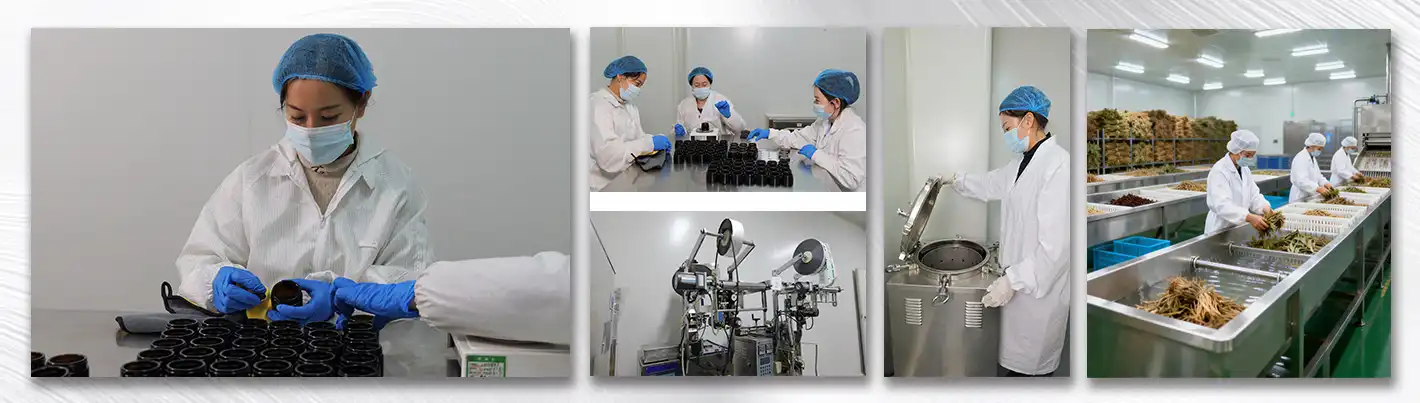
The quality of a product starts with correctly identifying the plants that go into it and continues through all stages of production. High-performance liquid chromatography (HPLC) is the best way to standardise salicin level because it gives accurate, repeatable readings that make sure stability from batch to batch. When looking at different sellers, make sure you ask for HPLC test results that show not only the salicin percentage but also the lack of contaminants like heavy metals, chemical residues, and microbes. BioSpark's manufacturing method uses dynamic circulation systems and multiple stages of separation to get the most active compounds out of the material while getting rid of woody fibres and other non-therapeutic parts. The white willow bark extract powder that was made has great flowability and water solubility, which are important qualities for many preparation uses. A colour range of light yellow to light brown means that the processing was done correctly. Darker colours may mean that there were problems with rusting or processing that could make the product less stable.
Certifications and Compliance Standards That Matter
International markets need strict quality certifications that check how the products are made and that they are safe. Good Manufacturing Practice (GMP) approval shows that factories keep controlled conditions and follow written steps for each step of the production process. When a company has ISO 9001 approval, it means they have a method for managing quality that includes relationships with suppliers, process control, and customer service. If a product has an organic approval from the USDA, the EU, or a similar organization, you can be sure that the raw materials come from safe sources that don't use any synthetic fertilisers or pesticides. When looking for nutraceutical uses in the US, make sure that the providers know about the FDA's rules for dietary supplements, such as the current good manufacturing practice (cGMP) rules for dietary supplements found in 21 CFR Part 111. Every batch should come with a Certificate of Analysis (COA) document that confirms the white willow bark extract powder's name, purity, strength, and safety. Testing by independent labs as a third party adds another level of proof that boosts trust throughout your supply chain.
Sustainable Sourcing and Traceability Advantages
Sustainability is becoming more and more important to modern B2B buyers, along with quality and price. Selective collection of white willow bark extract powder that doesn't hurt tree populations is what is meant by responsible white willow bark extract powder harvesting. This is usually done with pruning waste from controlled forestry operations. Our buying partners keep written records of the materials' journey from where they were harvested to where they are processed and finally packed. This tracking is very important when answering questions from customers about where the product came from or when answering requests from regulators. Sustainable practices also make sure that ingredients will be available in the future, which protects your product lines from supply problems caused by running out of resources. Eco-friendly manufacturing methods use green chemistry concepts to lower their impact on the earth and use less water. These promises are in line with what people want in health markets, where people who use natural products often show a greater concern for the environment. This makes it possible for brands to stand out and gain a competitive edge.
White Willow Bark Extract Powder in the Procurement Process: Practical Buyer's Guide
Key Purchasing Criteria for Wholesale Transactions
A good buying process combines many factors that affect the overall cost and dependability of the supply chain. When negotiating prices, you should think about more than just the cost per kilogram. You should also think about how the shipping terms, payment terms, and volume promises affect the total economy. Minimum order numbers vary a lot from one supplier to the next, ranging from 25 kg samples to multi-ton commitments for well-known goods. Standard goods usually have lead times of two to four weeks, but custom specs may need longer lead times. When comparing prices, look at what's included. Some providers only offer bulk white willow bark extract powder, while others offer extras like custom particle sizing, blending with complementary ingredients, or custom packing that makes your downstream operations easier. Payment terms affect how much cash you have on hand. For new ties, you can pay in advance, and for known accounts, you can pay net.
Supplier Evaluation and Quality Verification Methods
A thorough evaluation of your suppliers protects the image of your brand and makes sure that your products always work well. In addition to certifications and paperwork, you might want to ask for facility checks to be done by your team or by hired third-party inspectors who can confirm the real conditions of the manufacturing process. Lab tests should include more than just confirming the specimen's identity. They should also check for active compounds, heavy metals (like lead, arsenic, cadmium, and mercury), microbiological issues (like yeast, mould, viruses, and total plate count), and pesticide residues. Data from stability tests show how well white willow bark extract powder works in different storage conditions, which helps predict how long it will last in different temperature and humidity situations. Communication responsiveness is often a good indicator of how well a relationship will work in the long run. Suppliers who answer technical questions quickly and are open about production problems are usually more reliable during the scaling or formulation adjustment stages.
Real-World Application Insights from Industry Sectors
Nutraceutical companies have successfully added standardised white willow bark extract powder to mixtures that help athletes heal. These mixtures include branched-chain amino acids, tart cherry extract, and magnesium to provide full support after a workout. One European sports nutrition brand said that customers were very happy with their recovery pills after they were changed to include 200 mg of standardised white willow bark extract powder along with other recovery ingredients. Customers looking for natural options liked the changes the most. Because the white willow bark extract powder has a taste that some people describe as slightly bitter, it presents special challenges for companies that make functional drinks. Natural flavour masking with lemon notes or berry amounts that work with the plant character instead of against it is used in successful products. The anti-inflammatory qualities of the extract are used in massage gels and cold creams that are put on the skin. However, transdermal absorption is different from oral bioavailability and needs different formulation methods.
Future Trends and Opportunities in White Willow Bark Extract Powder for Pain Relief Markets
Market Expansion Drivers and Consumer Demand Patterns
The market for plant supplements is still growing very quickly, and natural pain treatment ingredients are in high demand. Consumer research shows that 67% of supplement users actively seek plant-based options to traditional pain medicines. They do this because they are worried about side effects and want to take a more balanced approach to their health. In North America and Europe, regulations are becoming more supportive of botanical ingredients by making rules that combine safety control with market access more clear. As more and more clinical studies back up traditional plant drugs, consumers have more faith in them, and brands can back up their marketing claims. Demographic trends point to continued growth, as large parts of the market are made up of older people looking for help with their joint health and younger athletes looking for natural ways to improve their performance.
Innovations in Extraction Technology and Product Development
Bioavailability and stability for white willow bark extract powder are now better than they were with standard extraction methods, thanks to new processing methods. Nanotechnology can be used to make particles smaller, which speeds up dissolution and increases uptake. This could mean that lower doses are needed to get the same benefits. Liposome encapsulation keeps delicate chemicals safe while they go through digestion, so more pure salicin gets to the tissues it needs to reach. Microencapsulation technologies hide tastes that used to make functional foods and drinks hard to use, but now they can be used in new types of products. These technological advances don't just make current goods better; they also make it possible to use them in ways that weren't possible before. Time-release formulations give compounds slowly over time, which extends the length of relief and lowers the number of times a person needs to take medication, making it easier for them.
Strategic Partnership Models for Market Success
As the supplement market changes, businesses that build relationships that work together along the whole value chain will be rewarded. Private label possibilities let retailers and distributors make their own formulas with help from the maker while still keeping control of the brand. White-label options give smaller companies ready-made goods that they can name and sell without having to spend money on production infrastructure. Co-development agreements between companies that sell ingredients and companies that make finished products are what spur creativity by bringing together botanical knowledge, knowledge of the market, and the ability to make new products. BioSpark's method is based on working together with you, and we put in the time to learn about your particular market positioning, target consumer profiles, and strategies for standing out.
Conclusion
Natural botanical ingredients have a lot of benefits for companies that make goods to help muscles heal and ease pain. White willow bark extract powder has a lot of potential as a product because there is proof that it works, it is safe, and more and more people want to use plant-based remedies. To do procurement right, you need to pay attention to quality standards, source dependability, and follow the rules so that you protect your brand's image while getting good products. New extraction technologies and preparation methods keep making it possible to use these products in more supplement, functional food, and skin product categories. As the market for natural alternatives grows, building ties with skilled manufacturers becomes more important to ensure a steady supply and get access to technical knowledge that speeds up product development.
FAQ
Can white willow bark extract be used safely for extended periods?
According to research, standardised plant products that contain salicin are safe to use for a long time as long as they are taken in the right amounts. Natural white willow bark extract powder products usually don't cause as many problems as manufactured NSAIDs, which can cause stomach and heart problems if used for a long time. People should still be careful and not use it if they are known to be sensitive to salicylates or are taking medicines that mix badly with them. Long-term benefits have been seen in clinical tests that last for several months, without tolerance building up or side effects getting worse over time. We always tell brands to put the right information about how to use their products on the boxes, and we suggest that people who plan to use them for longer than three months talk to a doctor.
How does salicin content compare to other natural anti-inflammatory botanicals?
There are different processes and potency levels for each plant ingredient that can be used for different formulation goals. Curcuminoids in turmeric mostly work by changing the nuclear factor-kappa B pathway. They reduce inflammation in a wide range of ways but don't directly relieve pain. Iridoid glycosides, which are found in devil's claw, are especially good for joint problems and gout. Salicin in white willow bark extract powder blocks COX enzymes to provide more focused pain relief. This makes it especially good for short-term pain like muscle aches. Combination formulations often work better because they attack inflammation through more than one route at the same time. This is why multi-botanical mixes are becoming more popular in sports healing products.
What minimum order quantities should buyers expect when sourcing bulk powder?
Minimum order requirements are very different depending on the goods and the supplier's powers. MOQs for standard items are usually between 25 kg and 100 kg, which makes them easy for new names and product testing stages to get. Custom requirements, such as non-standard salicin percentages, organic approvals, or specific particle sizes, may need higher minimums of 250 kg to 500 kg to support setting up production. People who buy established, high-volume goods often discuss ton-level amounts that get them better prices and first dibs on production schedules. To find the best order size that balances bulk prices against inventory carrying costs, you should think about how fast you expect to sell your products, how long they will last on the shelf, and how much space you have in your warehouse.
Partner with BioSpark for Premium Willow Bark Extract Manufacturing Solutions
BioSpark (Xi'an) Biotechnology Co., Ltd delivers comprehensive OEM and ODM services specifically designed for health supplement brands, distributors, and wholesalers seeking reliable white willow bark extract powder suppliers. Our advanced multi-stage extraction process utilising HPLC standardisation ensures every batch contains precise 15% salicin content with exceptional purity and consistency. We understand that successful product launches require more than quality ingredients—they demand responsive technical support, flexible production capacity accommodating both small-batch testing and large-scale manufacturing, and transparent communication throughout development and production cycles. Our GMP-certified facilities and rigorous quality control systems guarantee compliance with international standards, while our global logistics network ensures timely delivery to markets across North America, Europe, and beyond. Contact our team at leao@biosparkcn.com to discuss your formulation requirements, request technical specifications, or arrange sample shipments that demonstrate our commitment to excellence in botanical extract manufacturing.
References
1. Schmid, B., Lüdtke, R., Selbmann, H. K., Kötter, I., Tschirdewahn, B., Schaffner, W., & Heide, L. (2001). Efficacy and tolerability of a standardised willow bark extract in patients with osteoarthritis: randomised placebo-controlled, double blind clinical trial. Phytotherapy Research, 15(4), 344-350.
2. Vlachojannis, J. E., Cameron, M., & Chrubasik, S. (2009). A systematic review on the effectiveness of willow bark for musculoskeletal pain. Phytotherapy Research, 23(7), 897-900.
3. Shara, M., & Stohs, S. J. (2015). Efficacy and safety of white willow bark (Salix alba) extracts. Phytotherapy Research, 29(8), 1112-1116.
4. Nahrstedt, A., Schmidt, M., Jäggi, R., Metz, J., & Khayyal, M. T. (2007). Willow bark extract: the contribution of polyphenols to the overall effect. Wiener Medizinische Wochenschrift, 157(13-14), 348-351.
5. Bonaterra, G. A., Heinrich, E. U., Kelber, O., Weiser, D., Metz, J., & Kinscherf, R. (2010). Anti-inflammatory effects of the willow bark extract STW 33-I (Proaktiv) in LPS-activated human monocytes and differentiated macrophages. Phytomedicine, 17(14), 1106-1113.
6. Khayyal, M. T., el-Ghazaly, M. A., Abdallah, D. M., Nassar, N. N., Okpanyi, S. N., & Kreuter, M. H. (2005). Mechanisms involved in the anti-inflammatory effect of a standardised willow bark extract. Arzneimittel-Forschung, 55(11), 677-687.

Send Inquiry
Related Industry Knowledge
- What Makes Oyster Shell Extract Powder a Premium Calcium Ingredient?
- What are the key benefits of pomegranate seed extract powder for daily use?
- Can Broccoli Extract Powder Support Detox and Liver Health?
- High-Quality Purple Cabbage Powder for Product Developers
- How to Choose High-Quality Maqui Berry Powder for Formulas?
- Is Holy Berry Powder Rich in Natural Antioxidants?
- Do Ganoderma Extract Powder Benefits Justify the Cost?
- Natural Calcium Boost: Oyster Shell Extract Powder Explained
- Can Miltiorrhiza Root Extract Powder Improve Blood Flow?
- Top 8 Health & Industry Benefits of Oyster Shell Extract Powder