_1764041963888.webp)
What Makes Barley Sprout Powder Better Than Wheatgrass?
Jun 12, 2026
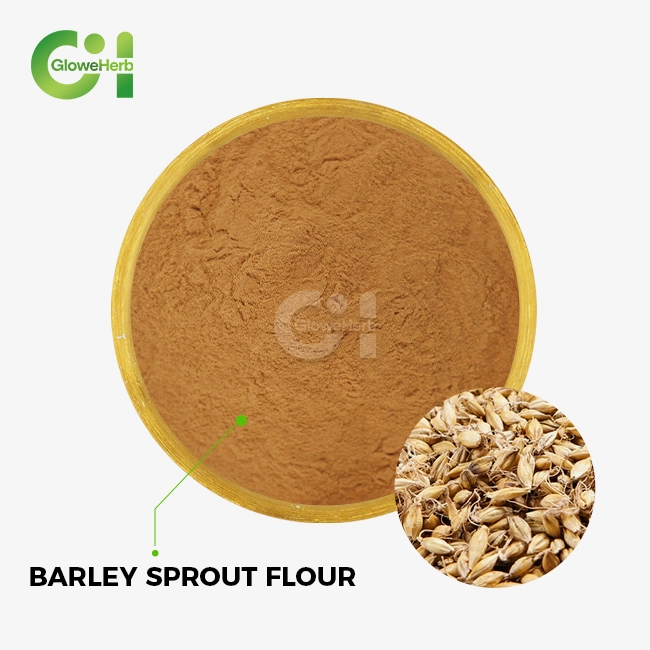
Barley sprout powder has become a better option than wheatgrass powder in the health supplement business. It has clear benefits in terms of nutritional density, enzyme activity, and functional versatility. This light yellow to light brown fine powder comes from sprouted barley grains and is extracted using modern plant extraction methods. It has 60% maltose, which was confirmed by HPLC tests, and digestive enzymes like amylase and protease that are found naturally. When optimizing ingredient buying strategies, B2B procurement clients in the health, nutrition, and supplement industries around the world need to know what the comparative benefits of Barley sprout powder are. This guide looks at the benefits of Barley sprout powder for health supplement brands, nutraceutical companies, importers, distributors, and OEM/ODM partners who need certified, reliable ingredients for their recipes.
Understanding Barley Sprout Powder and Wheatgrass Powder
Both superfood products come from young grain grasses, but they have different plant traits and nutritional profiles that affect how they can be used in business. Knowing about these changes helps people who work in buying choose the right ingredients.
Botanical Origins and Processing Methods
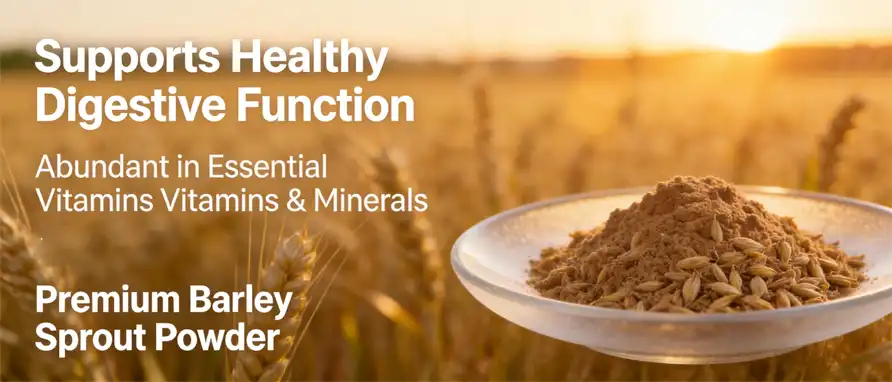
Barley sprout powder is made from Hordeum vulgare grains that are germinated in a controlled way and then gently extracted, filtered, concentrated in a low-temperature vacuum, and dried using spray drying technology. This improved extraction method keeps the enzymes working and the nutrients whole, while making regular particles (80–120 mesh) that are easy to flow and dissolve in water. Triticum aestivum is used to make wheatgrass powder, which is usually made with easier drying and milling methods that might not keep the enzyme profiles as well.
Comparative Nutritional Profiles
The nutritional makeup of these two ingredients shows that they are not at all the same. Barley sprout powder has a higher maltose content (60% HPLC-verified), which gives finished goods a natural sweetness and a unique malty aroma that makes them taste better. The enzyme profile stands out because it has high levels of amylase and protease, which are good for gut health. Mineral richness, which includes iron, calcium, and B-vitamin complexes, is about the same in both products, but bioavailability is different because of how they were processed. Both ingredients have chlorophyll that helps with cleansing, but the final amounts depend on how they were extracted. Both contain antioxidants like superoxide dismutase (SOD) and polyphenols, but Barley sprout powder is more stable during storage because it is processed with less wetness.
Unique Functional Health Benefits
Barley sprout powder has specific health benefits, according to clinical studies, which are useful for making supplements. Studies show that it helps with weight loss and metabolic syndrome. Its high fiber and antioxidant content helps get rid of belly fat and lower cholesterol. Chlorophyll and saponin substances have detoxifying effects on the liver that could help protect hepatocytes and support good liver function. It has been shown to help control blood sugar, and regular drinking can lower levels of rising glucose and glycated hemoglobin. B vitamins, iron, and antioxidants help the immune system and give you long-lasting energy and protection against free radicals. The extensive nutrient profile and bioactive substances found in properly processed Barley sprout powder are beneficial for skin, nails, and hair health uses.
Key Advantages of Barley Sprout Powder Over Wheatgrass for B2B Buyers
For business-to-business purchases, choosing materials means looking at more than just their health claims. It also means looking at things that affect how well the product is made, how stable it is, and how it fits in the market.
Superior Nutritional Content and Health Applications
Barley sprout powder has measured benefits in digestive health formulas because it keeps the enzyme activity that was maintained through advanced extraction methods. Natural protease and amylase enzymes are still active in the end powder, which is something that many processed nutrients cannot do. The 60% maltose requirement opens up uses for natural sweeteners without extra sugars, which meets customer demands for clean-label goods. Research has shown that these effects on lowering cholesterol and helping the body use fats better can help with weight management and metabolic health. These effects are backed up by marketing claims for finished goods.
Versatility Across Multiple Industries
When buying plant ingredients for a wide range of products, manufacturing freedom is an important thing to think about. The following are the main reasons why Barley sprout powder is useful in the following industries: Health Supplements and Nutraceuticals: Digestive health products, enzyme supplements, and wellness recipes all work well with the amylase and protease enzymes that are found naturally. The powder form dissolves easily in capsule fills and tablet matrices, so it can be used in a wide range of delivery methods, from simple single-ingredient goods to complicated multi-nutrient mixes. Food and Beverage Industry: The malty smell adds natural sweetness and flavor depth to protein shakes, meal replacements, healthy drink mixes, and malted dairy drinks. Because it dissolves easily in water (and some ethanol as well), it can be used consistently in liquids without getting gritty or separating, which can happen with coarser plant powders. Infant Nutrition and Specialized Formulas: Barley sprout powder is gentle enough to process that it can be used by sensitive people, such as in infant nutrition formulas and nutritional rice powder products that need ingredients that are easy to absorb and don't cause allergies.Bakery, Confectionery, and Functional Foods: Natural sweeteners and taste enhancers make bread, rolls, and healthy snacks better while adding functional nutrition. The small particles (80–120 mesh) make sure that the ingredients are spread out evenly in dough and batter systems. These application benefits directly help B2B clients with the production problems they face when making competitive product lines for many market groups.
Quality Attributes and Scalability
There are quantifiable buying benefits from manufacturing partners who provide Barley sprout powder with approved quality systems. Certifications like ISO9001, GMP, FDA, Kosher, and Halal show that a product meets foreign standards. This lowers the legal risk for selling the product around the world. The HPLC method for checking maltose level is clear and consistent from batch to batch, which is what quality control teams need. Packaging standards in 25 kg drums with seals that keep out moisture keep the product stable while it's being stored and shipped. Different transportation tastes and cost structures can be met by flexible delivery terms like FOB, CIF, CFR, EXW, DAP, and DDP. Scalable production capacity that supports minimum orders from 1 kg for first trials up to big purchases of multiple tons lets both new businesses and established ones find the right suppliers for their production needs.
Procurement Insights: Selecting and Buying Barley Sprout Powder in Bulk
When you do strategic sourcing, you have to look at possible suppliers based on factors that make sure the quality of the products they offer, the reliability of their supplies, and their ability to work with your manufacturing needs.
Essential Supplier Selection Criteria
Verification of certification is the first thing that needs to be done to qualify plant ingredient sellers. GMP compliance makes sure that factories keep up with systems for controlling pollution, calibrating equipment, and keeping records that help keep product quality high. When organic licenses are available, they let you enter expensive market segments and meet customer demands for pesticide-free foods. An evaluation of production capacity keeps supplies from being interrupted during busy times or sudden rises in demand. Clear information about lead times and inventory levels helps with accurate production planning. Batch testing procedures show that the company cares about quality assurance more than what is required by law. It is important to have safety paperwork that includes HPLC checks for active ingredients, microbial tests for pathogens and total plate counts, heavy metal checks for lead, arsenic, mercury, and cadmium, and residue solvent analyses for goods that are extracted. When suppliers include Certificates of Analysis with every package, it shows that they are being open and honest about their business, which makes regulatory compliance checks easier.
Pricing Trends and Cost Comparisons
Knowing how prices change in the market helps you plan your budget and place yourself in the market. Barley sprout powder with a confirmed 60% maltose content and full approvals usually costs a little more than regular wheatgrass powder. This is because it uses more advanced extraction and chemical preservation technologies. Volume pricing structures often offer 8–15% cost cuts for orders of 500 kg or more, and 15–25% cuts for orders over 1000 kg. This makes buying in bulk an economically attractive option for well-known product lines. Agricultural crop cycles affect how stable prices are, with spring and fall being the best times to buy because raw materials are plentiful and prices can be competitive.
Collaborating with Established Manufacturers
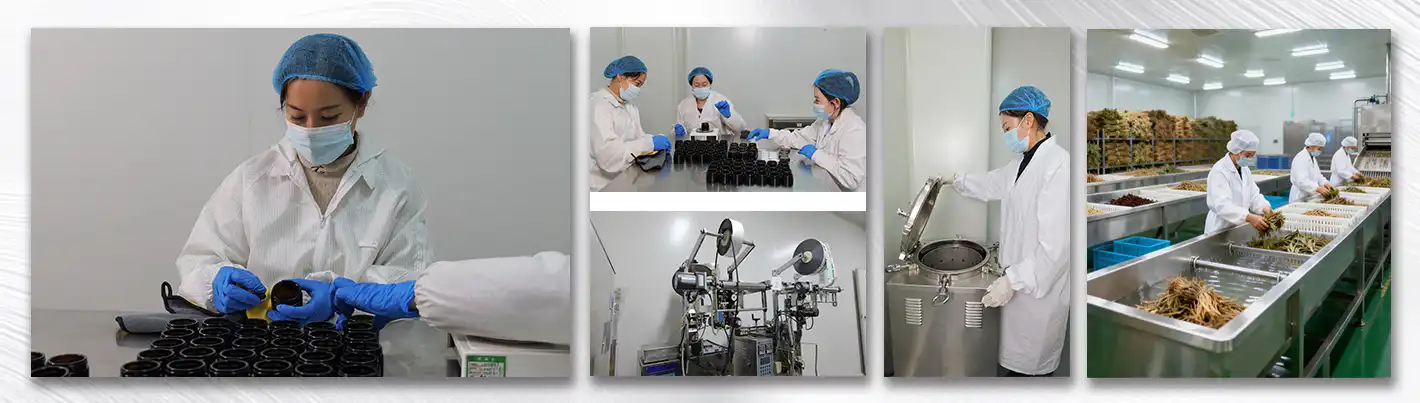
Working with skilled companies that make plant extracts has benefits that go beyond just buying things. Full-process support, from coming up with the idea to formulating, manufacturing, packing, and delivering the finished product, speeds up product starts and lowers technical risks. OEM and ODM features allow for custom specs, such as different particle sizes, different packaging forms, and special blends that are made to fit a certain market placement. Well-known makers keep enough in stock to make sure fast delivery by express, air freight, or sea freight, depending on how quickly the order needs to be delivered and how much it costs. Flexible payment options like bank transfer (T/T) with set credit terms help with managing cash flow during the scaling up of production.
Practical Usage and Dosage Recommendations for Barley Sprout Powder
Product development teams need specific instructions on how to use plant ingredients in formulas that can be sold and work while still following the rules.
Incorporation into Various Product Formats
Barley sprout powder versions are the most flexible because they can be added directly to drink mixes, smoothie blends, and superfood mixtures. Because it dissolves quickly in water, it makes shapes that are smooth and don't have any gritty bits. Depending on how the product is positioned and what other ingredients go well with it, the usual amount of inclusion is between 3 and 10 grams per dose. It works well in capsules because the particles are small and easily flow through the capsule. Standard 500mg capsules make dosing easy. For digestive enzyme support and general health benefits, taking two to four pills daily (1000 to 2000 mg) is a typical supplementation plan. Barley sprout powder can make up 20–40% of the total weight of a tablet matrix. It can be mixed with the right binders and excipients to get the hardness and breakdown profiles that are needed. Chewable forms taste good because of the natural sweetness.
Safety Profiles and Regulatory Compliance
The safety profile of Barley sprout powder that has been properly handled supports a wide range of market uses. People who are sensitive to gluten should know that sprouted grains have less gluten than mature grains, but barley naturally has gluten proteins, so it needs to be labeled correctly, and celiac patients may want to avoid it. In places that need full allergy labels, allergen statements must list barley as a cereal grain source. Barley sprout powder is regulated as a food ingredient and dietary supplement component in the United States and other major markets. There are no specific usage limits other than general food safety standards. In the US, GRAS (Generally Recognized As Safe) standing allows for a wide range of food uses. Novel food studies in the EU show that the food has been eaten in the past and is safe for its intended uses. Regulatory submissions for finished goods containing Barley sprout powder go more smoothly when manufacturers keep detailed records of their processes, such as safety studies, past use data, and manufacturing quality controls.
Barley Sprout Powder vs Wheatgrass Powder: Why B2B Clients Prefer Barley Sprout
When you directly compare these two superfood ingredients, you can see that one has measured benefits that affect your choice to buy them.
Enhanced Product Performance Characteristics
Using ORAC (Oxygen Radical Absorbance Capacity) numbers to measure antioxidant activity shows that both ingredients are competitive in their ability to scavenge radicals, but the way they are processed has a big effect on their end potency. High-quality Barley sprout powder is produced through improved extraction and low-temperature processing, which protects heat-sensitive antioxidant chemicals better than conventional dehydration methods. The nutrient density per gram shows that the vitamin and mineral content is about the same, but the functional benefits that come from the stored amylase and protease enzymes are not found in regular wheatgrass powder. Barley sprout powder should have a controlled moisture level below 5% so that it stays stable for 24 months when kept properly in sealed containers away from light and humidity. The distinctive sweet smell stays the same and doesn't change to off-tastes that happen with grass-based powders that have more water or chlorophyll that has broken down. Product stability tests at high temperatures (40°C, 75% relative humidity) show that color, solubility, and active ingredient content stay the same during normal distribution cycles.
Supply Chain Advantages
For brands that want to keep their product specs the same, it's important that the quality of each batch is the same. Products made by well-known companies that use controlled agricultural sources and standard extraction methods are always the same and meet the stated specs. Scalable manufacturing allows for both small-batch customization for new brands to see how the market reacts and large-scale production to support sales across the country or around the world. Efficient bulk packaging in 25 kg drums strikes a balance between ease of handling and material economy. This lowers the cost per unit while keeping the product safe during storage and shipping.
Emerging Industry Trends
More and more, people want products with well-known names and clear health benefits. Barley sprout powder is a good example of this because it comes from a well-known grain and is a good source of nutrients. People want products that have been lightly processed and get their sweetness from maltose instead of added sweeteners because of the clean label trend. The focus on digestive health in the wellness market is a great match for the enzyme profile that good Barley sprout powder formulas offer. Trends in plant-based nutrition support sprouted grain ingredients as a good source of protein and minerals for vegan and veggie products.
Conclusion
In conclusion, for B2B procurement clients looking for better functionality, application versatility, and supply chain stability, Barley sprout powder offers quantifiable benefits over wheatgrass powder. Advanced extraction methods that keep enzyme activity, a confirmed 60% maltose content, full international certifications, and flexible manufacturing options from trusted suppliers meet the core needs of health supplement brands, nutraceutical companies, and product developers. Strategic partnerships with manufacturers that offer full-process support from formulation to delivery help both new businesses and established ones get the best deals on ingredients while still meeting quality standards, following the rules, and staying competitive in the growing wellness industry.
FAQ
How does barley sprout powder compare to wheatgrass for weight loss applications?
According to studies, Barley sprout powder can help people lose weight because it contains a lot of fiber and flavonoid chemicals that help get rid of belly fat and boost metabolism. The enzyme profile helps the body digest food and absorb nutrients, and the natural maltose content gives you energy without making your blood sugar rise. Barley sprout powder is more functionally complete for weight management formulations that focus on metabolic health than wheatgrass, which has similar fiber benefits but lacks the major enzymatic input found in properly processed Barley sprout powder.
What is the recommended daily dosage for supplement products?
Depending on the product and its effects, most supplementation plans run from 3 to 10 grams per day. Formulations that help with digestive enzymes usually have 3–5 grams per dose, while complete superfood mixes might have 8–10 grams. Most capsules give you 1000 to 2000 mg a day, split into two to four doses. Talking to regulatory experts makes sure that dosage suggestions are in line with market-specific rules and back up health claims that can be backed up.
Can barley sprout powder be used in skincare product formulations?
Barley sprout powder has antioxidants, vitamins, and minerals that are good for your skin. It can be used in both dietary supplements and cosmetic products. Skin, nail, and hair health are improved by eating foods that are good for you. Topical uses benefit from antioxidant and healing properties, but they may need special processing for cosmetic-grade products to meet different stability and preservation standards than food-grade products.
Source High-Quality Barley Sprout Powder from BioSpark Today
We know that choosing the right botanical ingredient supplier can have an effect on the quality of your product, how well it does in the market, and the image of your business. With a confirmed 60% maltose content and extensive international certifications like ISO9001, GMP, FDA, Kosher, and Halal compliance, BioSpark (Xi'an) Biotechnology Co., Ltd. specializes in the production of premium Barley sprout powder. Each 25 kg drum is guaranteed to meet the highest quality standards your formulations require. Our advanced plant extraction methods keep the enzymes working and the nutrients whole, so each batch meets the same standards. Our flexible OEM and ODM services offer full-process support that is tailored to your needs, whether you need small quantities for product creation or large quantities to support foreign distribution. We keep enough stock in stock so that we can quickly ship items anywhere in the world via express, air freight, or sea freight on flexible terms. Email our purchasing agents at leao@biosparkcn.com to get samples, talk about reasonable pricing for large orders, or look into custom formulation options with a Barley sprout powder provider that cares about your success.
References
1. Holtekjølen AK, Kinitz C, Knutsen SH. "Flavanol and Bound Phenolic Acid Contents in Different Barley Varieties." Journal of Agricultural and Food Chemistry, 2006.
2. Idehen E, Tang Y, Sang S. "Bioactive Phytochemicals in Barley." Journal of Food and Drug Analysis, 2017.
3. Lahouar L, El-Bok S, Achour L. "Therapeutic Potential of Young Green Barley Leaves in Prevention and Treatment of Chronic Diseases: An Overview." American Journal of Chinese Medicine, 2015.
4. Miyake Y, Fukumoto S, Okada M, et al. "Antioxidative Catechin-Glycosides in Barley Seedlings." Phytochemistry, 2003.
5. Zeng Y, Pu X, Yang J, et al. "Preventive and Therapeutic Role of Functional Ingredients of Barley Grass for Chronic Diseases in Human Beings." Oxidative Medicine and Cellular Longevity, 2018.
6. Kanauchi O, Mitsuyama K, Homma T, et al. "Treatment of Ulcerative Colitis Patients by Long-term Administration of Germinated Barley Foodstuff: Multi-center Open Trial." International Journal of Molecular Medicine, 2003.

Send Inquiry
Related Industry Knowledge
- Freeze-Dried vs Spray-Dried Cape Gooseberry Powder: Which Wins?
- Why Are Manufacturers Choosing Ginseng Fruit Powder Today?
- How to Choose High-Quality Maqui Berry Powder for Formulas?
- Can Konjac Flour Extract Replace Cornstarch in Cooking?
- Looking for Trusted American Ginseng Extract Powder Exporters?
- White Willow Bark Extract Powder: Benefits for Pain Relief?
- What to Know Before Buying Echinacea Extract Powder?
- What Is Papaya Leaf Extract Powder and How Does It Work?
- Konjac Flour Extract: Premium Ingredient for Low-Calorie Foods
- Can Fulvic Acid Powder Help Improve Energy and Mood?