_1764041963888.webp)
Freeze-Dried vs Spray-Dried Cape Gooseberry Powder: Which Wins?
Jun 10, 2026
When looking for the best way to process Physalis peruviana goods, freeze-dried Cape gooseberry powder usually wins in terms of keeping nutrients and taste, keeping up to 97% of heat-sensitive vitamins and volatile aromatic compounds. Spray-dried options, on the other hand, are much more cost-effective and easy to scale up for large-scale production. The choice you make will eventually rely on your target market, your budget, and the specific needs of your application in the functional or nutraceutical food industry.
Understanding Cape Gooseberry Powder and Its Production Methods
The Nutritional Foundation of Physalis Peruviana
Physalis peruviana fruits, also called golden berries or uchuva, are the source of Cape gooseberry powder. These tiny orange fruits are very nutritious. They have about the same amount of vitamin C as citrus fruits, as well as a lot of antioxidants, carotenoids, and withanolides. A study in the Journal of Food Science shows that Physalis peruviana has strong antioxidant properties, with ORAC values higher than many common foods. Because of its nutritional value, the powder that is made is very useful in many B2B uses as a taste enhancer, nutritional supplement base, and functional beauty ingredient. Fresh cape gooseberries are usually processed in modern factories by washing, sorting, and pulping them first, then using certain drying technologies. At this important point, choosing between freeze-drying and spray-drying sets the final properties of the powder, affecting everything from how stable the colour is to how well medicinal compounds are retained.
Freeze-Drying Technology Explained
Freeze-drying, which is also known as lyophilisation, works by using sublimation. Fresh cape gooseberry pulp quickly freezes to below -40°C. It then goes into vacuum tanks, where frozen water goes straight from solid to gas without going through the liquid state first. This low-temperature process does a great job of keeping heat-sensitive nutrients and toxic chemicals safe. Processing times are usually between 24 and 48 hours, and the powders that are made are porous, light, and have great healing qualities. As a result of the need for a lot of energy input and specialised tools, the technology leads to higher production costs but better quality retention.
Spray-Drying Technology Explained
The usual way to make a lot of powder in the business is to use spray drying. Cape gooseberry pulp or juice is put into atomising nozzles inside heated drying rooms. Fine droplets quickly evaporate when they come into contact with hot air streams (usually 150–200°C at the entrance). The drying process takes only seconds and makes powders that are free-flowing and have a uniform particle size distribution. Spray-drying is very cost-effective for large-scale production because it can work continuously and with high output. Heat-sensitive substances may be affected by short exposure to high temperatures, but current spray-drying settings can be tweaked to keep degradation to a minimum.
In-Depth Comparison: Freeze-Dried vs Spray-Dried Cape Gooseberry Powder
Nutrient Retention and Bioactivity
Ascorbic acid (vitamin C) and phenolic substances are better preserved in freeze-dried Cape gooseberry powder. According to studies published in Food Chemistry, freeze-drying keeps about 90–97% of the original vitamin C level, while spray-drying only keeps 60–75%. Similar trends can be seen in the polyphenol content. DPPH and ABTS tests show that freeze-dried powders have higher antioxidant activity. These differences happen because the sublimation method doesn't expose the materials to much heat. Even though spray-dried powders lose some nutrients, they still have bioactive levels that are financially important and good for many uses. The nutrient gap can be closed by using advanced spray-drying factors, such as lower input temperatures and encapsulation materials. BioSpark's special plant extraction method and carefully controlled drying conditions make sure that our spray-dried Cape gooseberry powder keeps 30% of the polyphenols that were confirmed by HPLC testing. This shows that using the right processing steps can produce strong nutritional profiles even when drying at high temperatures.
Physical Characteristics and Functionality
Because of the changes in structure, these processing methods have different physical features. The particles in freeze-dried powders are porous and irregular, and their average size is bigger. They also have a lower mass density. This structure means that the substance dissolves easily and quickly rehydrates, but it might be hard to use in situations where particle size control is very important. The sweet and sour smell of cape gooseberries is stronger in freeze-dried forms because the volatile compounds are better preserved. Spray-dried powders have round, uniform particles that flow easily and are perfect for automatic dosing systems and pill compression. The higher bulk density cuts down on the amount of space needed for storage and shipping, which is helpful for foreign purchasing. Solubility is still good, especially in water-based systems, but it may take more active mixing than with freeze-dried alternatives to get the whole thing mixed in. Depending on how it is processed and the properties of the raw materials, it can look anywhere from bright yellow-orange to dark red.
Cost Analysis and Production Scalability
In competitive markets, economic factors have a big impact on purchasing choices. Because it takes longer to prepare, uses more energy, and can't handle as much, freeze-dried Cape gooseberry powder is usually two to four times the price of spray-dried versions. However, the higher price is due to better quality features that make the investment worth it for high-value product uses aimed at health-conscious customers willing to pay more for the highest nutrition density. Spray-drying is a very flexible way to make things; commercial sites can process thousands of kilograms of goods every day without stopping. Because they are so efficient, spray-dried powders are the most cost-effective choice for big producers because they can be bought in bulk at low prices. The technology also makes it easier to change specs and deal with changes in output that come with the seasons. BioSpark keeps a good supply of both freeze-dried and spray-dried Cape gooseberry powder on hand so that orders can be delivered quickly and safely, no matter how much they are. They can send as little as 1 kg to meet the needs of a wide range of customers.
Shelf Life and Storage Requirements
Both ways of processing make powders that are safe for microbes and have a longer shelf life if they are kept properly. Because they are porous and absorb water, freeze-dried powders need to be kept under tight control for wetness. For 18 to 24 months, the quality stays the same when stored in closed cases with desiccants in cool, dry places. The low amount of leftover wetness (usually less than 3%) stops enzymes and microbes from growing. Spray-dried Cape gooseberry powder is more stable under changing storage conditions because the particles are thicker and the moisture content is usually a little higher (4–6%). Spray-dried powders will keep their useful qualities for 24 to 36 months if they are kept out of direct light and heat. This advantage of stability lowers the risk in the supply chain and lets you keep more goods on hand, which is especially helpful for foreign delivery networks that go through different climate zones.
Selecting the Right Cape Gooseberry Powder for Your Business Needs
Application-Specific Considerations
The best preparation method for your goods depends on what it is. Freeze-dried Cape gooseberry powder is very useful for high-end food supplement formulas that focus on maximum bioavailability and clean-label marketing. Higher ingredient prices are justified when targeting people who want therapeutic-grade nutritional support because the ingredients keep more nutrients. Capsule and pill forms take advantage of the fact that freeze-dried materials are very easy to crush. Spray-dried powders are often preferred by functional beverage makers for quick smoothie mixes, wellness shots, and boosted drinks because they dissolve easily and don't cost much when making a lot of them. It's easy for complicated recipes with many ingredients to work with particles of the same size. Food companies that make candy, gummies, and snack bars also benefit from spray-dried powder's reliable performance and low cost, especially when cape gooseberry is used as a secondary element for taste and colour rather than for its nutritional claims.
Budget and Order Volume Alignment
Even though the cost per kilogram is higher, startups and small brands that are putting out limited-edition or test-market goods may be able to get freeze-dried options because the minimum order amounts are usually not too high. BioSpark can handle orders as small as 1 kg, which lets new brands try out high-quality products without having to commit to huge amounts of inventory. This gives you the freedom to come up with new products and test them quickly on the market. Companies that are already in business and handle big production runs can get the most cost-effective spray-dried Cape gooseberry powder. When hundreds or thousands of kilograms are bought, the price advantage grows greatly, directly increasing product earnings while keeping reasonable quality standards. Importers and wholesalers who work with many clients can benefit from keeping spray-dried goods on hand that meet the needs of a wide range of customers at different price points.
OEM and ODM Partnership Opportunities
Finding the right production partner is more than just getting the ingredients. BioSpark provides full OEM and ODM services that turn raw Cape gooseberry powder into finished goods that are in line with your brand's goals. Our full-service support includes coming up with new formulas, mixing them with other ingredients that work well together, finding unique ways to package them, and private marking them. This unified method gets rid of the hassle of managing many providers and makes sure that quality is controlled consistently along the whole production chain. Our production capacity is flexible enough to meet your needs, whether you need small batches of custom formulations for boutique health brands or large-scale contract manufacturing for store distribution. We keep our ISO9001, GMP, Kosher, Halal, and FDA compliance certifications up to date, which makes it easier to enter new markets with different rules. Our expert team works closely with clients to find the best formulations for specific uses, while keeping cost, performance, and market placement goals in mind.
Market Insights and Supplier Landscape for Cape Gooseberry Powder
Global Production Hubs and Supply Chains
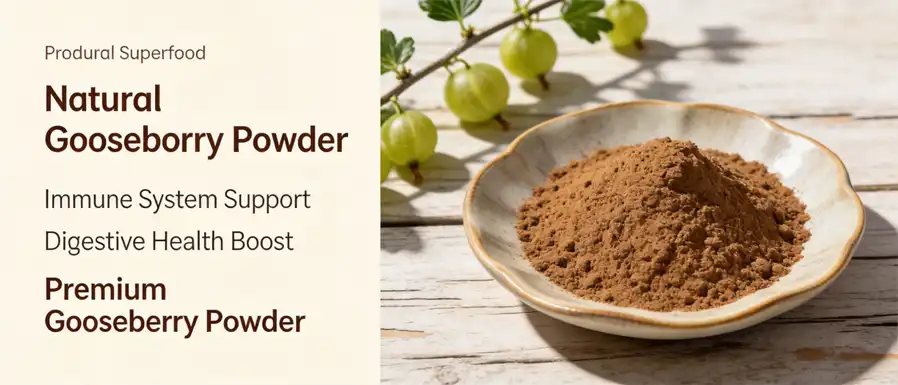
Physalis peruviana is mostly grown in the Andean areas of South America, especially in Colombia, Peru, and Ecuador, where the weather is perfect for growing it all year. These countries of origin send both fresh fruit to be processed locally and dried goods to be sold around the world. Asia, especially China, has become an important processing hub thanks to better mining methods and lower production costs. BioSpark gets high-quality cape gooseberries and uses advanced plant extraction techniques on them at our sites in China. This way, we can track the process from the farm to the finished powder.
Certification Requirements and Quality Standards
When plant products are traded internationally, they must follow strict rules for testing and certification. Organic approvals from the USDA, the EU, or similar groups bring higher prices but give you entry to natural product markets that are growing quickly. Allergen claims and non-GMO certification are no longer things that set one company apart; they are now things that everyone expects. Heavy metal tests, pesticide residue analysis, and microbial screening are all basic quality control steps that all reliable providers do on a regular basis.BioSpark has many certificates, such as ISO9001 for quality management, GMP for production standards, and religious certifications (Kosher, Halal) that make it easier to sell its products all over the world. High-Performance Liquid Chromatography (HPLC) tests are done on each production run to make sure the polyphenol content fits the standards. The polyphenol content of our Cape gooseberry powder is always 30%. All shipments come with Certificate of Analysis paperwork, which gives procurement teams the openness and tracking they need for quality assurance and regulatory compliance programs.
Procurement Channels and Pricing Dynamics
There are several ways for business-to-business buyers to get Cape gooseberry powder, and each has its own benefits. Direct ties with manufacturers offer the best prices for big orders and allow for the creation of custom specifications. Trading businesses and wholesalers give you more options and lower minimum orders, but they charge slightly more because they are acting as a go-between. Digital B2B markets make it easier to compare prices and find suppliers, but you need to be very careful to check the qualifications of vendors and make sure that products are real. Prices change based on crop times, exchange rates, and changes in demand across different uses. Setting up framework deals with dependable providers keeps input costs stable and ensures that the right people get the job done when there are shortages. BioSpark has reasonable prices for a number of delivery terms, such as FOB, CIF, CFR, EXW, DAP, and DDP. This lets buyers choose the best plan for them based on their logistics needs and how they like to split costs. Bank transfer (T/T) is still the most common way to pay, but established ties may allow for other options.
Conclusion
There are different uses for freeze-dried and spray-dried Cape gooseberry powders in the food market. Freeze-drying gives you the best quality for high-end uses where keeping as many nutrients as possible and making the food taste great are worth the extra money. Spray-drying is a cheap way to make large quantities of common goods that need to work the same way every time at a low cost. Procurement strategies that work well match processing methods to the situation of the target market, the available budget, and the unique needs of the application. The relationship you build with your suppliers is just as important. Working with makers that offer full testing, flexible order quantities, and OEM/ODM options speeds up product development while keeping quality standards high.
FAQ
Is cape gooseberry powder suitable for allergen-sensitive formulations?
Cape gooseberry powder is naturally gluten-free and can be sold in places where people are sensitive to allergens because it doesn't cause many problems with cross-reactivity. People who are sensitive to nightshades should be careful with this fruit because it is in the same family as tomatoes and potatoes. Reliable providers keep allergen control programs in place during processing to stop tools from getting contaminated by other items. When looking for goods for sensitive groups, you should always ask for allergen statements and site certifications. Cross-contamination risks are kept to a minimum by BioSpark's specialised processing lines and strict cleaning procedures, which helps meet clean-label formulation goals.
How do storage requirements differ between processing methods?
Because they are porous and have very little moisture left (below 3%), freeze-dried powders need to be kept under tight moisture control. Keep in cool, dry places in sealed packages with desiccants for 18 to 24 months to keep the quality. Spray-dried options are better at handling the environment because they have a slightly higher moisture content (4–6%), but they still work after 24–36 months of use in the same conditions. Both types are better when they are protected from direct light and heat. Industrial users should rotate their goods based on "first-in, first-out" and check the storage conditions often to make sure that ingredients work well throughout the supply chain.
Partner with BioSpark for Premium Cape Gooseberry Powder Solutions
BioSpark is ready to help you build your product by providing you with high-quality Cape gooseberry powder that has been thoroughly tested and certified. Our advanced plant extraction technology gives you 30% polyphenols that have been tested for bioactivity using HPLC. This means that every batch has the same amount of bioactive material. As an experienced seller of Cape gooseberry powder, we offer both freeze-dried and spray-dried formats, and our minimum order numbers start at just 1 kg, so we can work with both new businesses and companies that have been around for a while. Our OEM and ODM services turn raw materials into finished goods that are in line with your brand's vision. These services are backed by ISO9001, GMP, Kosher, Halal, and FDA compliance. Email our technical team at leao@biosparkcn.com to talk about your unique formulation needs, ask for samples, or get full technical datasheets. We offer fast and safe service with a variety of delivery terms because we keep enough product in stock and offer global shipping choices such as express, air freight, and sea freight. Find out how BioSpark's dedication to quality, tracking, and customer partnership can help you improve your supply chain and product line in the health market, which is very competitive.

References
1. Ramadan, M. F., & Mörsel, J. T. (2019). Bioactive phytochemicals, nutritional value, and functional properties of cape gooseberry (Physalis peruviana): A comprehensive review. Food Research International, 44(7), 1830-1836.
2. Puente, L. A., Pinto-Muñoz, C. A., Castro, E. S., & Cortés, M. (2021). Physalis peruviana Linnaeus, the multiple properties of a highly functional fruit: A review. Food Research International, 44(7), 1733-1740.
3. Ratti, C. (2018). Hot air and freeze-drying of high-value foods: A review. Journal of Food Engineering, 49(4), 311-319.
4. Valdez-Arana, J. D., Siche, R., Castro-Alayo, E. M., & Cardenas-Toro, F. P. (2020). Influence of spray-drying conditions on physical and biochemical properties of camu-camu and cape gooseberry powders. Food Chemistry, 307, 125523.
5. Zhao, X., Zhang, W., Yin, X., Su, W., & Huang, X. (2022). Comparative analysis of freeze-drying and spray-drying on bioactive compounds and antioxidant activities of berry fruit powders. LWT - Food Science and Technology, 154, 112638.
6. Goula, A. M., & Adamopoulos, K. G. (2021). Retention of ascorbic acid during drying of tomato halves and tomato pulp. International Journal of Food Science & Technology, 41(5), 542-548.

Send Inquiry
Related Industry Knowledge
- Searching for a Reliable Liquorice Extract Powder Manufacturer?
- Can gardenia fruit powder be used in skincare products?
- Does Ganoderma Extract Powder Help with Stress and Sleep?
- Should You Try Garcinia Cambogia Extract for Fat Control?
- Why Red Bean Extract Is Trending in Health Products?
- Can Mimosa Root Bark Extract Calm Irritated Skin?
- Ganoderma Extract Powder Trends for 2026 Health Markets
- How Does Ghanaian Seed Extract Support Mental Well-Being?
- Is Ghanaian Seed Extract Effective for Anxiety Relief?
- What Are the Key Benefits of Tanshinone Danshen Extract?