_1764041963888.webp)
How to Choose High-Quality Maqui Berry Powder for Formulas?
May 28, 2026
When looking for high-quality Maqui berry powder for your recipes, you need to pay attention to a few important things: standardized anthocyanin content confirmed through HPLC testing, full certifications including GMP and ISO standards, clear sourcing practices, and a supplier track record you can trust. The powder should have a unique dark purple color, dissolve easily in water for easy mixing, and come with all the necessary paperwork, such as Certificates of Analysis. If you give priority to providers who can do both small batches and large-scale production, you can be sure that your product growth needs will be met at all stages of the market.
Understanding Maqui Berry Powder and Its Key Benefits
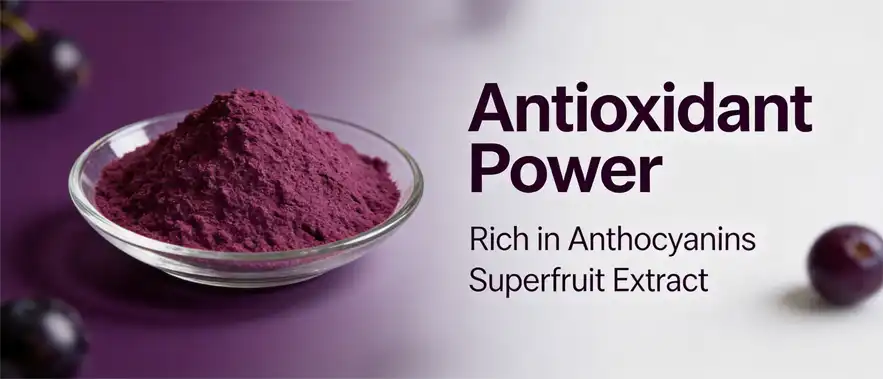
Over the past ten years, the superfruit extract from Chilean forests has changed the world of nutrition. This deep purple berry comes from Patagonia and southern Chile. It has very high amounts of anthocyanins, especially delphinidin and petunidin, which are Such active substances endow maqui berries with excellent antioxidant physiological activity.. According to research, Measured by ORAC value and anthocyanin content, the antioxidant activity of maqui berries is significantly higher than that of common superfruits such as acai berry and goji berry. This makes them useful for companies that want to reach health-conscious customers.
Origin and Production Excellence
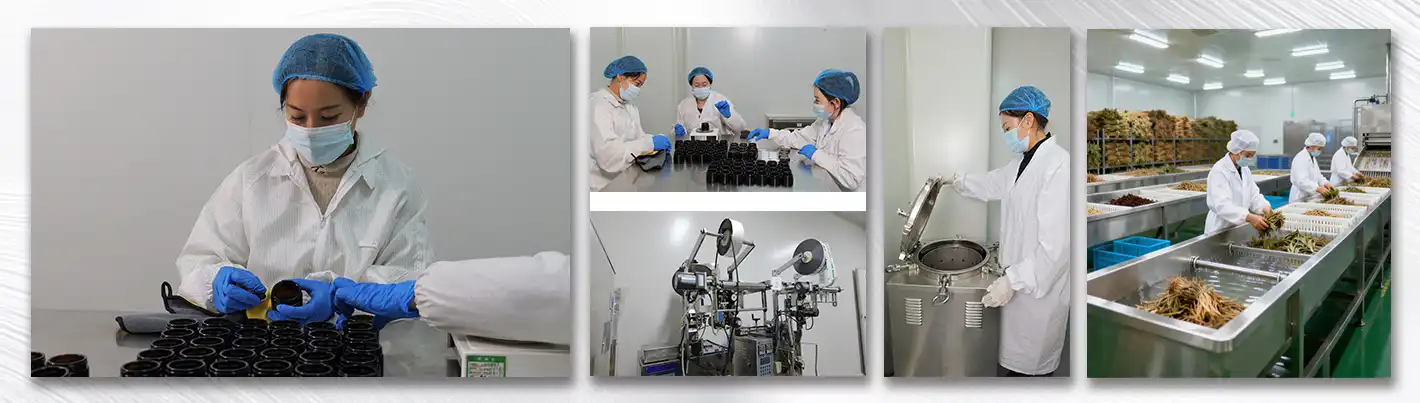
Premium extracts start with berries that were picked in the wild in pure areas of Chile, where the climate makes berries with the best phytochemical profiles. The process of gathering follows environmental standards while still honoring traditional ways of doing things. Modern ways of extracting plants keep the delicate anthocyanin structures that are good for you. Freeze-drying technology is used in processing plants to keep the purity of beneficial compounds. This is a big difference from traditional drying methods, which can lose up to 40% of their nutritional value.
Nutritional Profile and Health Applications
The beneficial substances in this superfruit help the body do many things. Anthocyanins help keep your heart healthy by stopping cholesterol from oxidizing, which is a key part of avoiding heart disease. Clinical findings show that these extracts Relevant clinical studies show that the extract can assist in regulating human blood sugar metabolism levels., which means they can be used to make supplements that are safe for diabetics. Anti-inflammatory traits help joints stay healthy and heal, which makes it appealing to markets that sell sports nutrition. Beauty and makeup companies use these ingredients because they protect the skin. This is because antioxidants fight oxidative stress, which is linked to aging too quickly.
Safety Considerations for Formulation Development
It is usually thought to be safe to eat or drink at the recommended amounts, but formulators need to think about possible interactions. Excessive intake of maqui berry powder may cause fluctuations in human blood sugar levels., so labels need to be clear for people who take diabetes medicines. Good sellers give detailed safety information, like lists of allergens and instructions for when not to use the product. Manufacturers who are responsible test their products for stability to make sure they stay safe throughout their shelf life. This is especially important for recipes that will be sold in stores where the temperature can change.
Core Criteria for Selecting High-Quality Maqui Berry Powder
When buying bulk botanical products, choices need to be carefully thought through in a lot of different ways. The selection process has a direct effect on how well the end product works, how well it meets regulations, and how well the brand is known in competitive markets.
Standardized Anthocyanin Content Verification
Antioxidant strength is the most important thing to look at when judging Maqui berry powder quality. High-Performance Liquid Chromatography testing, which is the gold standard for measuring phytochemicals, tells you how much anthocyanin is in premium products. Specifications of 25% anthocyanin content confirmed by HPLC give uniformity in the composition that mass spectrometry or UV-Vis methods can't match. Suppliers should give test results for each batch that show the amounts of both delphinidin and petunidin, since these are the chemicals that make the medicine work. By asking for old COA data, you can see how consistent batches are with each other, which is very important for keeping products consistent across production runs.
Certification Requirements for Market Access
Compliance with regulations changes a lot between foreign markets. For delivery in North America, buildings must be FDA-registered. In Europe, Novel Food approvals and organic certifications are more important. Full certification files show that suppliers are dedicated to quality systems. ISO9001 certification means that the company has strong quality control systems, and GMP certification means that the company follows strict standards for making medicines. Kosher and Halal approvals help the market reach more niche groups of customers. These qualifications make it easier to buy goods and speed up the time it takes for new products to hit the market.
Sourcing Transparency and Traceability
Brands that care about sustainability and ethical sourcing have to have full insight into their supply chains. Reliable sellers give paperwork that shows where the berries came from, where they were picked, how they were processed, and where they were packed. This openness keeps plant ingredient markets safe from adulteration, which is a common worry. Sustainable gathering methods ensure a stable supply over the long term and appeal to customers who care about the environment. When comparing wild-crafted versus developed sourcing, the quality profiles are different. For example, wild berries usually have higher concentrations of phytochemicals because they are naturally responding to stress, while domesticated sources offer more stable supply volumes.
Manufacturing Process and Particle Specifications
The way of extraction has a big effect on the quality of the end product. The industry standard process adopts water extraction or ethanol solvent extraction to obtain active ingredients from plant raw materials., then concentrate them and spray-dry them. Better producers use freeze-drying after extraction to keep heat-sensitive anthocyanins that are destroyed by normal processes. The best dissolving rates in water-based formulas are achieved with particle sizes between 100 and 120 mesh. The dark purple color and sweet-tart berry smell are signs of good processing without degradation. The extract dissolves easily in water, which means it can be used in drinks. It also dissolves slightly in ethanol, which means it can be used in alcohol-based tinctures.
Comparing Market Options: Brands, Types, and Pricing
Knowing the competition helps buying pros make smart choices that balance the need for quality with the need to stay within budget. The world market for superfruit products has grown a lot, giving consumers a wide range of choices based on price and quality.
Quality Tiers in the Supply Market
The market for ingredients is split into different quality levels that are based on how complex the handling is and how much approval is required. From getting the berries to the end packaging, premium-tier providers stay vertically integrated to make sure quality control at every step. Most of the time, these companies have more than one foreign certification and buy analytical tools for thorough testing. Larger sellers tend to buy semi-processed materials and focus on getting licenses that are important to the markets they want to reach. Entry-level providers may have lower prices, but they often don't have all the testing records or certifications that are needed for regulated markets. Teams in charge of buying things have to decide if the savings are worth the possible risks, such as contamination, low strength, or inconsistent supplies.
Organic Versus Conventional Specifications
Organic approval brings higher prices, usually twenty to thirty-five percent more than regular options. This premium is because farming methods are stricter, there are more paperwork requirements, and certification checks happen every year. Organic approval is necessary for brands that want to sell to natural goods stores or put an emphasis on clean labels to get accepted by the market. Conventional products that meet limits on herbicide residue are cheaper options for market groups that care about price. Some makers give brands both choices, which lets them make different product lines for different types of customers.
Wholesale Pricing Dynamics
The price of bulk Maqui berry powder ingredients depends on more than just the cost of the raw materials. Order quantities have a big effect on unit prices. For example, orders of less than 25 kilograms usually cost more, but orders of more than 500 kilograms get discounts for bulk. Different types of packaging have different prices. For example, standard 25-kilogram fiber drums are cheaper than nitrogen-flushed metal bags that keep food fresh longer. Terms of delivery like FOB, CIF, and DDP change who is responsible for transportation and taxes, which changes the total landing costs. Payment terms also affect prices. Because there are fewer middlemen involved, bank transfer deals often get better rates than letter of credit transactions.
Competitive Positioning Against Alternative Superfruits
To place an item in the market, you need to know how it compares to well-known superfruit extracts. Acai powder is mostly used for energy and meal replacements, but it has smaller amounts of anthocyanins. Traditional medicine markets are interested in goji berry extracts, but they don't have the antioxidant potency data that science-focused customers are looking for. Blueberry products have high public acceptance in flavor, but are inferior to maqui berry in ORAC antioxidant value and anthocyanin anti-inflammatory activity indicators. Camu camu is a great source of vitamin C, but it doesn't have the anthocyanins that help reduce inflammation. This Chilean superfruit is the best when it comes to formulas that want to give the most antioxidants and help the heart. Its higher ingredient costs are justified by its higher bioactive content.
Practical Guide to Evaluating and Procuring Maqui Berry Powder for Formulas
In order to turn strategic criteria into operational procurement, you need clear communication methods with suppliers and systematic review processes. Finding the right ingredients means finding a mix between quality control and ease of logistics.
Essential Evaluation Checklist
Before closing ties with suppliers, procurement teams should look at a number of factors. Verification of certificates is the first step. To avoid expensive compliance problems, ask for up-to-date certification papers and prove their validity through issuing bodies. Sample testing is the most accurate way to prove quality. Requesting samples of different batch numbers can verify product quality consistency throughout the production cycle.
Product Form Considerations
When making unique formulations, raw powder is the most flexible form. The fine powder with particles that are 100 to 120 mesh big dissolves easily in liquids and packs down well for making tablets. Brands that want turnkey solutions can use encapsulated goods, but they limit formulation innovation and raise the cost per unit. Liquid extracts are convenient for beverage makers, but they are harder to keep stable and cost more to ship because they are heavier. When buying things, the form of the ingredients should match the production skills and the formats of the products that are being bought.
Packaging and Storage Requirements
Standard 25-kilogram fiber drums are a cheap way for producers to store big items in a climate-controlled area. The moisture and light can't get into these drums, and they're easy to move with normal tools. Smaller packaging increments are good for companies that are just starting to make their products or brands that want to see how the market reacts before placing big orders. Minimum order numbers of one kilogram from flexible sources lower the amount of money needed to start up and the risk of running out of stock. Conditions of storage have a big effect on shelf life. Anthocyanin stays stable for at least 24 months when kept in sealed cases below 25 degrees Celsius in low-humidity areas.
International Logistics and Documentation
When you buy something across a border, you need to pay attention to customs classification, import rules, and make sure your paperwork is full. Harmonized System codes set different duty rates and trade limits for each target country. Suppliers who have done business with other countries before give you a lot of paperwork, like commercial bills, packing lists, phytosanitary certificates, and certificates of origin. Choosing the right delivery term affects who is responsible for what. DDP terms put all operations and final delivery on the suppliers, while EXW terms require buyers to handle all shipping and customs clearance. For time-sensitive starts, air freight speeds up delivery, but it costs a lot more than ocean freight, which is better for planned inventory restocking.
Supplier Relationship Development
Long-term buying of Maqui berry powder works best when suppliers work together instead of just doing business with each other. When people first talk to each other, they should ask technical questions about how to gather data, how to test it, and how to measure batch consistency. Asking for proof of analysis from recent production runs shows that the provider is honest and does thorough analysis. Quality agreements make official what is expected in terms of standards, testing methods, and how to handle deviations. Volume planning helps providers plan their production capacity and the purchases of raw materials.
Case Studies: Successful Integration of High-Quality Maqui Berry Powder in Formulas
Real-life examples show how carefully choosing the right ingredients can help a product do well in a wide range of markets. These cases show how to buy things and what can be measured when you work with suppliers who care about quality.
Energy Drink Formulation Success
A new functional beverage company that wanted to sell to fitness fans needed a unique antioxidant profile to set their product apart from the many energy drinks already on the market. The research team chose a standard extract with 25% anthocyanin content that was confirmed by HPLC testing. This made sure that the antioxidant claims were the same for all production runs. The natural purple color meant that no synthetic dyes were needed, which supports the clean-label stance that health-conscious customers like. Solubility tests showed that the powder dissolved fully in acidic drinks, with no settling or color loss during shelf life tests of twelve months.
Skin Care Application Achievement
A cosmetics company making an anti-aging serum looked for plant ingredients that had scientific proof that they protected the face. Before choosing a company that made organic powder that could be fully tracked back to the harvest regions, procurement teams looked at a number of them. The high anthocyanin content made the antioxidants strong enough for cosmetic preparations that want to fight oxidative stress caused by UV light and environmental pollutants. Stability tests showed that anthocyanins could be kept in oil-in-water emulsions that were made with the right pH levels.
Diabetic-Friendly Supplement Development
This superfruit extract was added to a blood sugar support product by a nutraceutical business that specializes in metabolic health formulas. There is clinical evidence that anthocyanins may help keep glucose metabolism healthy, which fits with the product's treatment setting. The purchasing team gave the most weight to sellers who could provide detailed safety information and interaction advice for people who are taking diabetes medicines. For capsule formulas to work, the powder had to have certain flow properties and a moisture content that kept it from clumping during sealing.
Conclusion
Finding the best plant extracts means having a lot of different buying goals, such as standardizing potency, getting full certifications, being clear about where the extracts come from, and being able to rely on the supplier's skills. The process of judging should focus on anthocyanin content that has been confirmed by HPLC, building approvals that meet international standards, and proof that the product can be tracked from harvest to processing. Knowing how the market works, like the differences between organic and standard choices, how prices change, and how you stack up against other superfruits, helps you make smart decisions about what to buy. Formulation development that works relies on carefully evaluating suppliers, choosing the right product form, and working together to make sure a steady supply over the long term. The case studies show how choosing high-quality ingredients can help make a product stand out and be successful in the market. This is true for a wide range of products, from functional drinks and beauty products to metabolic health vitamins.
FAQ
How do I distinguish between organic and conventional maqui berry powder?
How can I tell the difference between Maqui berry powder that is pure and one that is not? For organic certification, it must be checked by a known certifying body, like the USDA Organic, the EU Organic, or a foreign standard that is the same but different. Products that have been certified show certification badges and have certificate numbers that can be used to find them in the records of the certifying agencies. Synthetic pesticides, herbicides, and fertilizers are not allowed to be used in organic farming. However, berries picked in the wild may be considered organic if they come from approved wild collection places. Conventional powders may be able to meet strict pesticide residue limits and are useful for many tasks while also being cheaper. Ask for proof of approval and test results for pesticide residue to make sure the stated organic status is real and that you're meeting the needs of your target market.
What methods verify anthocyanin content before purchase?
The most accurate way to measure the amount of anthocyanin in plant products is with high-performance liquid chromatography. HPLC testing extracts different anthocyanin compounds, such as delphinidin and petunidin, giving more information about the compounds' makeup than just measuring the total amount of anthocyanin. Suppliers you can trust give you Certificates of Analysis that are specific to each batch and show HPLC test results from ISO-accredited labs. To check for uniformity, procurement teams should ask for COAs from more than one recent batch.
Are there safety concerns or contraindications I should know about?
According to research, this superfruit extract is safe to take at the usual dose amounts. Concerns include possible effects on blood sugar that need extra care for people taking diabetes medicines, since anthocyanins may change how glucose is used in the body. Some people may have stomach problems when they are exposed to high amounts. Responsible sellers give full safety information, such as suggested daily maximum amounts, known drug combinations, and allergen statements. Pregnant and lactating women are advised to consult a professional physician before consuming concentrated maqui berry powder. Good makers test their goods for stability to make sure they stay safe for as long as possible, and they also give handling instructions for factories to keep workers safe while they're processing.
Partner with BioSpark for Premium Maqui Berry Powder Supply
BioSpark specializes in sending pharmaceutical-grade plant extracts that meet the high standards needed by top supplement brands, nutraceutical brands, and health product makers around the world. Our standardized anthocyanin extract has 25% active compounds that have been proven by HPLC tests. It comes in handy 25-kilogram drums, and you can place an order as little as 1 kg. We hold many certifications, such as ISO 9001, GMP, FDA registration, Kosher, and Halal, to ensure your formulas comply with regulations in major international markets. Our building provides full OEM and ODM services to help you develop your product from the initial idea to the final release. Our experienced team can help you with every step of the process, whether you need small-batch customization for trying a product or large-scale production for well-known names. With a large enough inventory and a number of shipping choices, such as express, air freight, and sea freight, we can promise fast and reliable delivery anywhere in the world, with terms that range from FOB to DDP. You can email our technical team at leao@biosparkcn.com to get samples, talk about your formulation needs, or get low bulk prices from a Maqui berry powder company you can trust that wants you to succeed.
References
1. Ruiz, A., Hermosín-Gutiérrez, I., Mardones, C., Vergara, C., Herlitz, E., Vega-Gálvez, A., Dorau, K., Winterhalter, P., and von Baer, D. (2010). Polyphenols and Antioxidant Activity of Calafate (Berberis microphylla) Fruits and Other Native Berries from Southern Chile. Journal of Agricultural and Food Chemistry, 58(10), 6081-6089.
2. Céspedes, C.L., El-Hafidi, M., Pavón, N., and Alarcón, J. (2008). Antioxidant and Cardioprotective Activities of Phenolic Extracts from Fruits of Chilean Blackberry Aristotelia chilensis (Elaeocarpaceae), Maqui. Food Chemistry, 107(2), 820-829.
3. Genskowsky, E., Puente, L.A., Pérez-Álvarez, J.A., Fernández-López, J., Muñoz, L.A., and Viuda-Martos, M. (2016). Determination of Polyphenolic Profile, Antioxidant Activity and Antibacterial Properties of Maqui [Aristotelia chilensis (Molina) Stuntz], a Chilean Blackberry. Journal of the Science of Food and Agriculture, 96(12), 4235-4242.
4. Brauch, J.E., Buchweitz, M., Schweiggert, R.M., and Carle, R. (2016). Detailed Analyses of Fresh and Dried Maqui (Aristotelia chilensis (Mol.) Stuntz) Berries and Juice. Food Chemistry, 190, 308-316.
5. Schreckinger, M.E., Lotton, J., Lila, M.A., and Gonzalez de Mejia, E. (2010). Berries from South America: A Comprehensive Review on Chemistry, Health Potential, and Commercialization. Journal of Medicinal Food, 13(2), 233-246.
6. Rojo, L.E., Ribnicky, D., Logendra, S., Poulev, A., Rojas-Silva, P., Kuhn, P., Dorn, R., Grace, M.H., Lila, M.A., and Raskin, I. (2012). In Vitro and In Vivo Anti-Diabetic Effects of Anthocyanins from Maqui Berry (Aristotelia chilensis). Food Chemistry, 131(2), 387-396.

Send Inquiry
Related Industry Knowledge
- What are the top health benefits of gardenia fruit powder?
- Inositol Pearl Extract vs Pearl Powder: What’s the Difference?
- What Are the Key Benefits of Pomegranate Seed Extract Powder?
- Natural Artichoke Extract for Bloating Relief: Does It Work?
- Angelica Sinensis Extract Powder for Beginners: What to Know?
- What Do Studies Really Say About Cistanche Extract Powder?
- How to Use Tribulus Terrestris Extract Powder Safely?
- Mimosa Root Bark Extract: Natural Antimicrobial Agent
- Why Indian Herbal Extracts Lead in Adaptogenic Blends?
- Can Oyster Shell Extract Powder Improve Immune Function?